Mathematical reasoning Normal Addition Facts Worksheets for Ages 5-8
3 filtered results
-
From - To
Mathematical reasoning is fundamental in early education. Our "Normal Addition Facts Worksheets for Ages 5-8" are meticulously designed to nurture young minds in mastering basic addition while enhancing their reasoning skills. Each worksheet presents engaging exercises that help children understand addition concepts intuitively. Perfect for classrooms or at-home learning, these worksheets bolster mathematical confidence by offering structured yet fun practice. Tailored to the cognitive levels of children aged 5-8, the content seamlessly bridges learning with playful exploration, ensuring a solid foundation in math. Embrace a bright mathematical future with our expertly crafted addition facts worksheets!
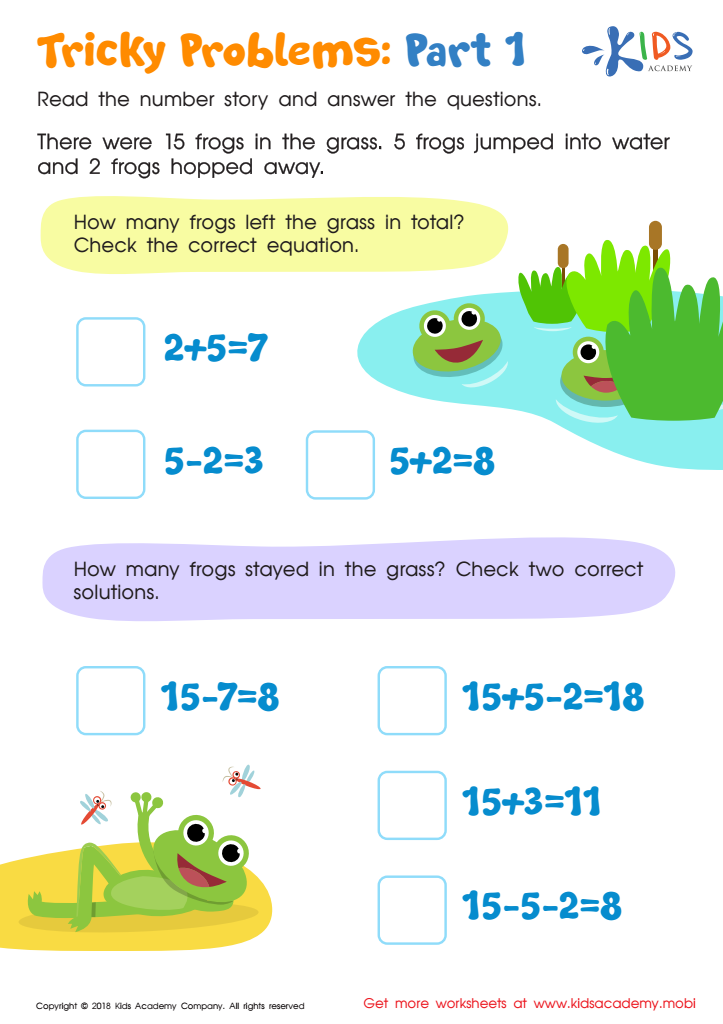
Tricky Problems Worksheet: Part 1
 Assign to My Students
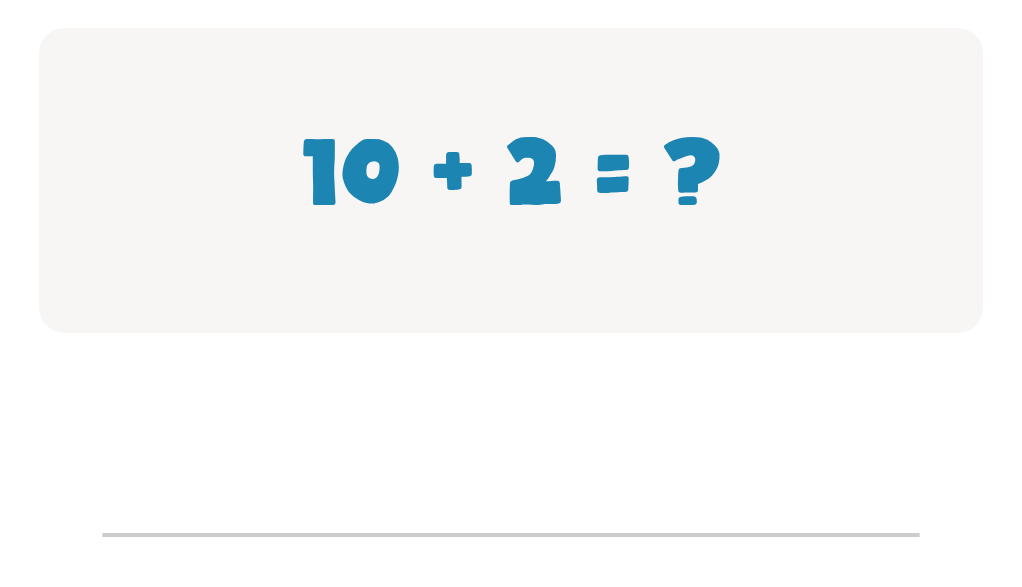

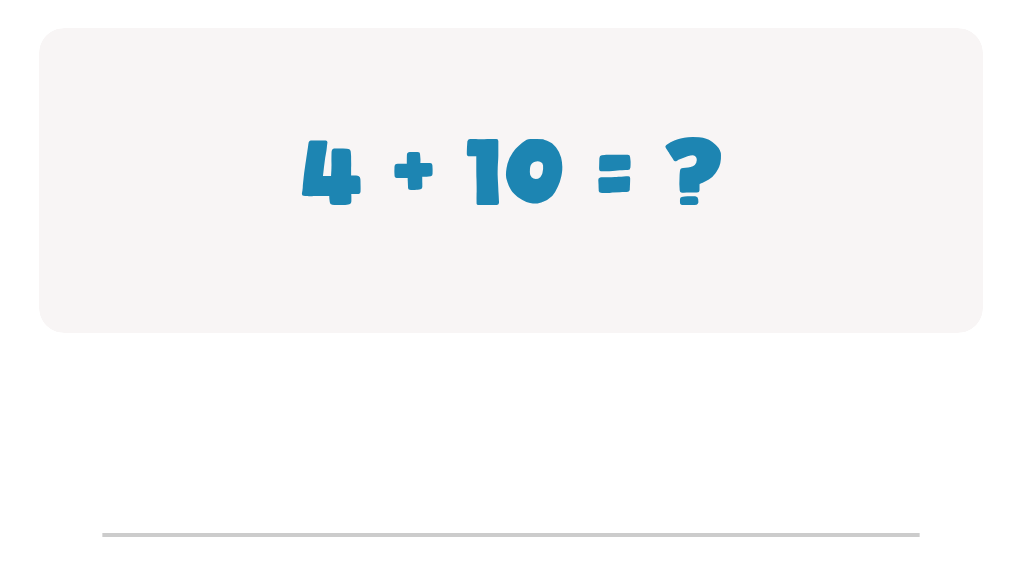
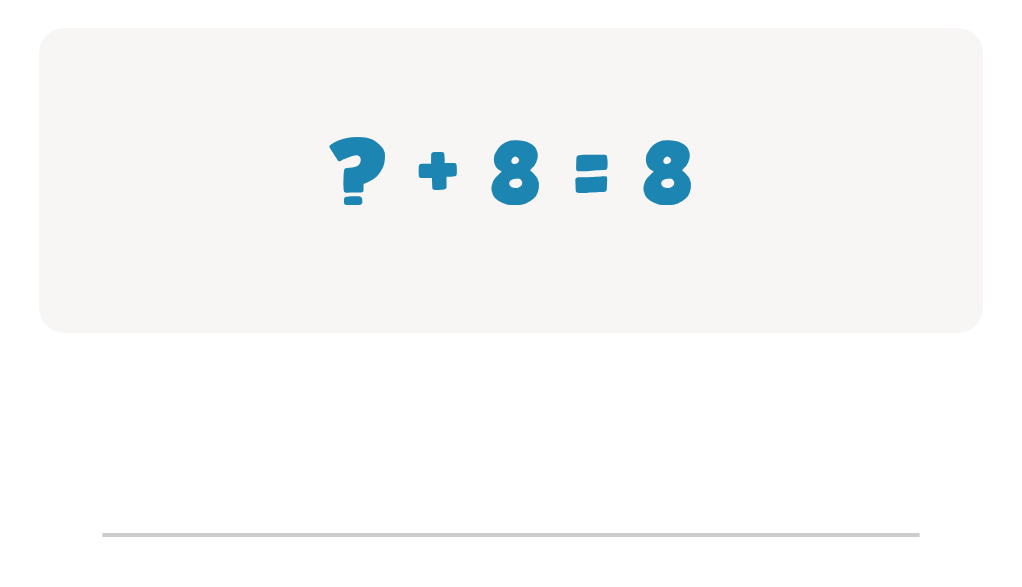
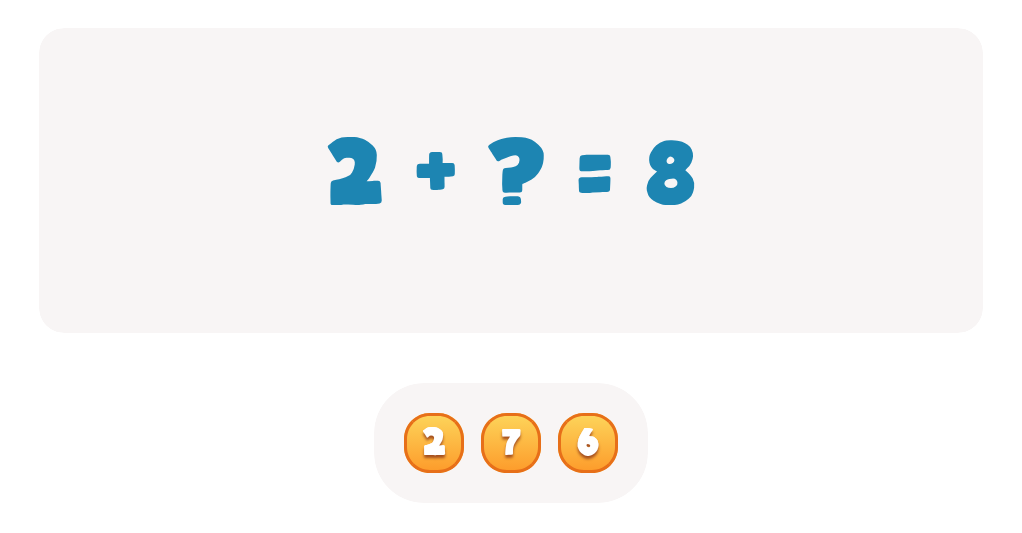
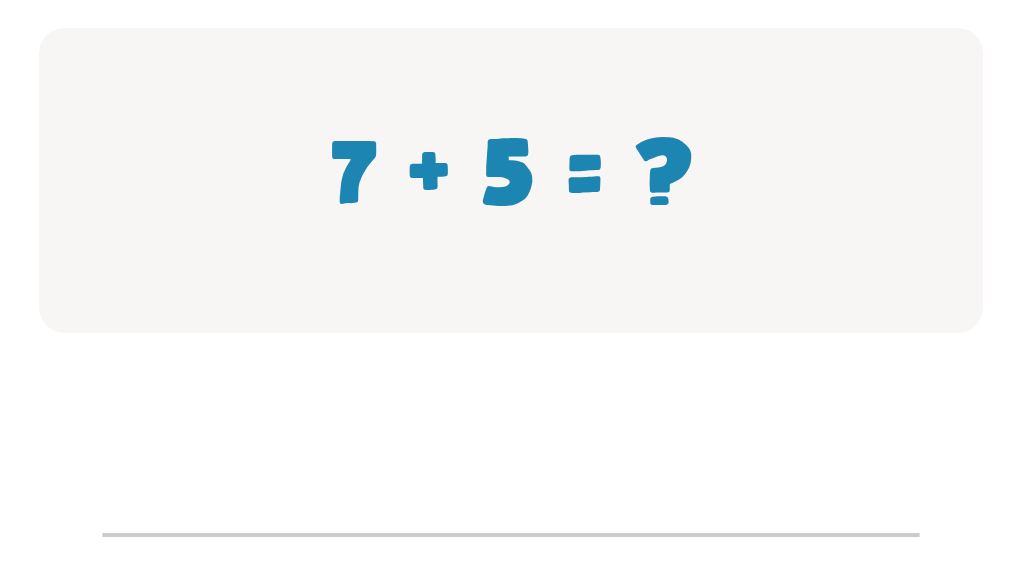
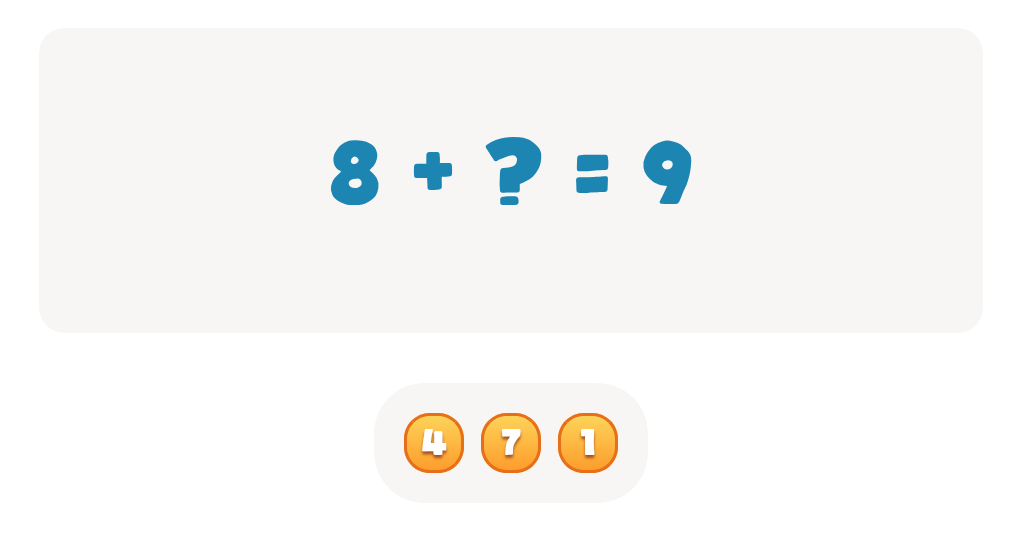

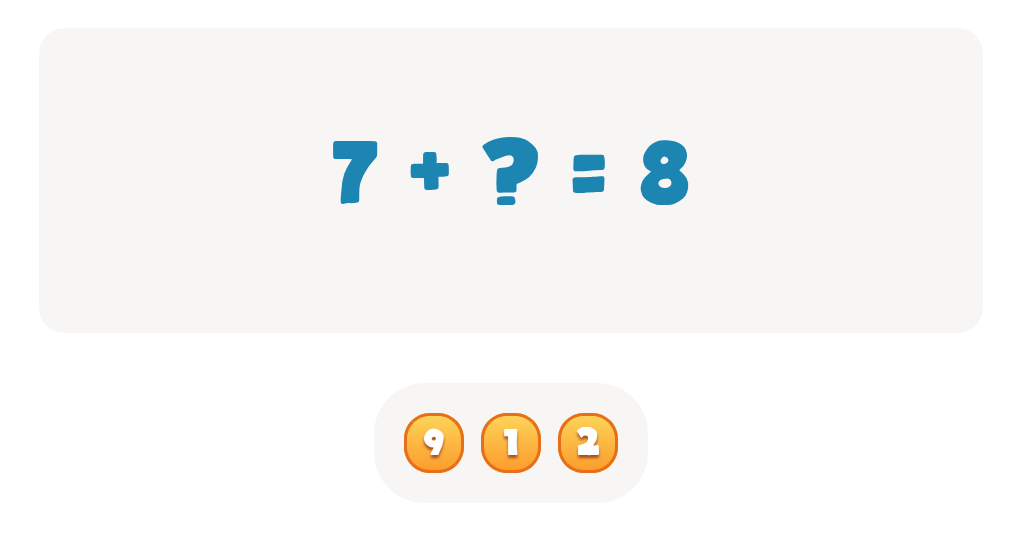
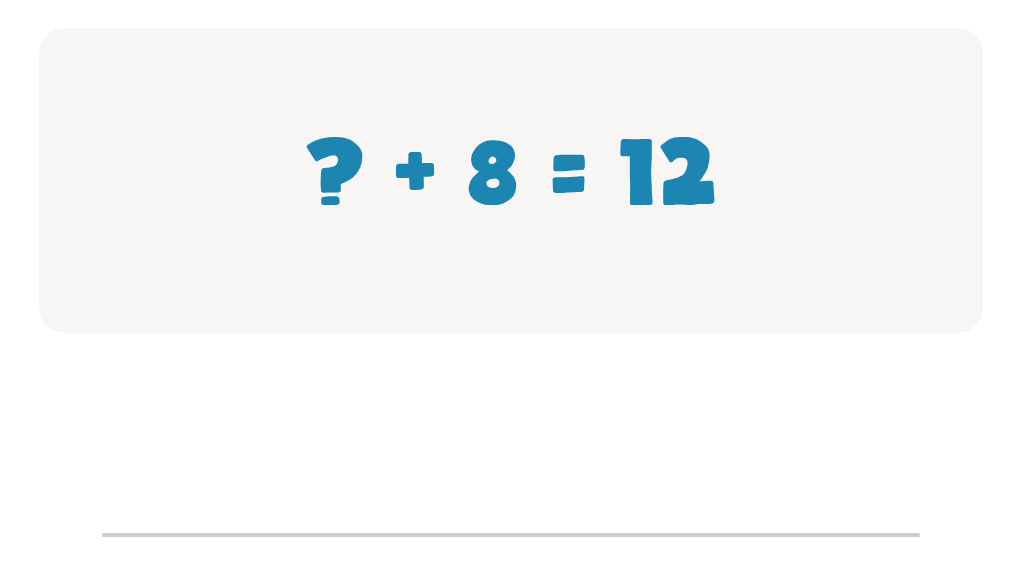
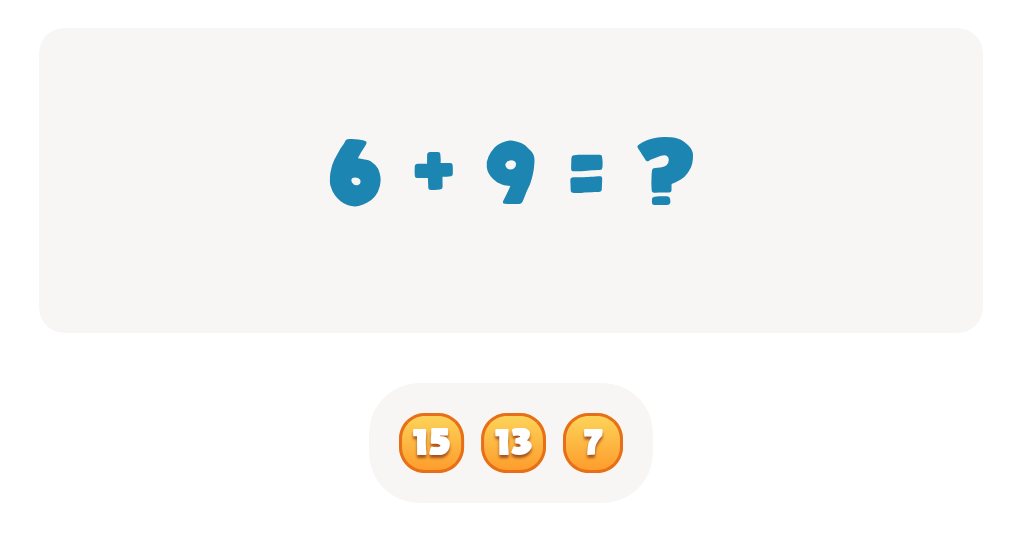
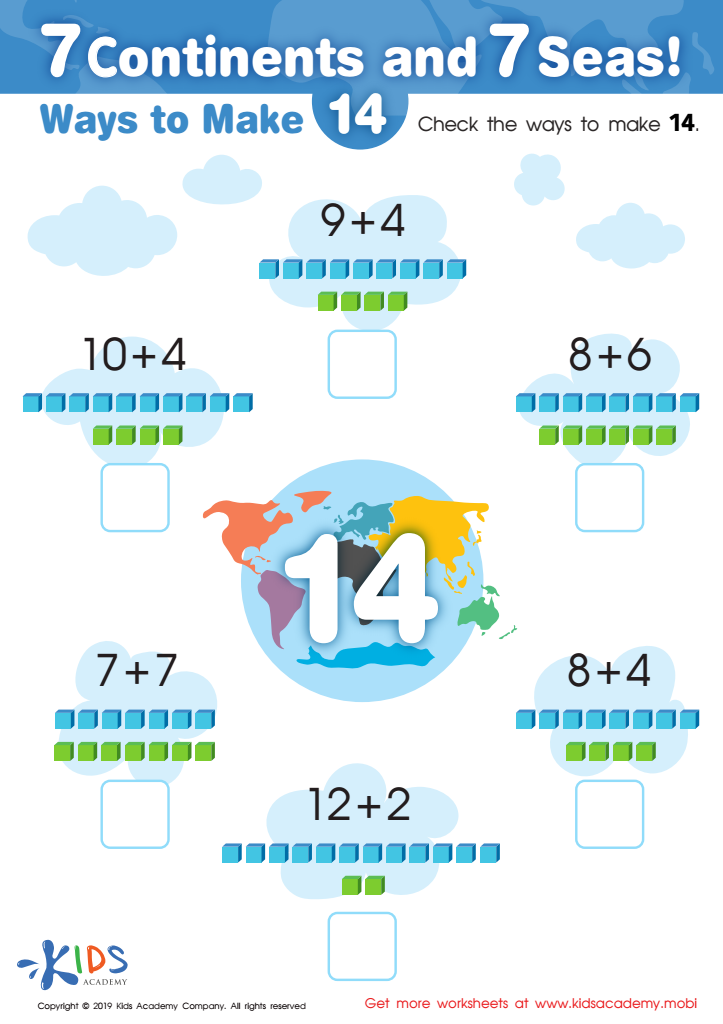
7 Continents and 7 Seas Worksheet
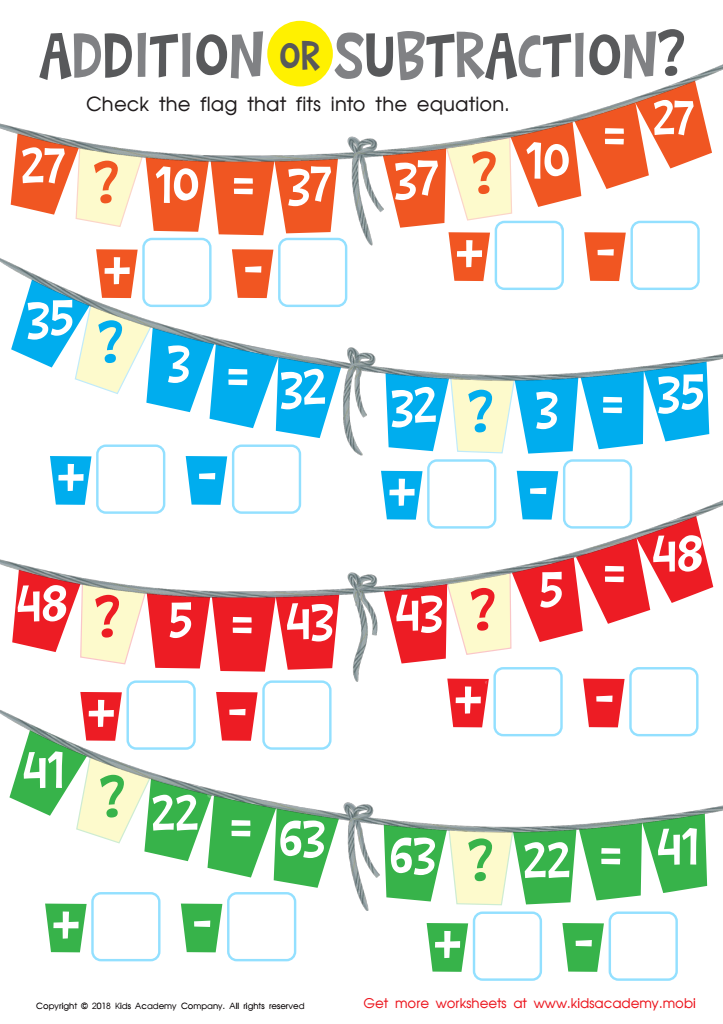
Addition or Subtraction? Worksheet








Mathematical reasoning, particularly with normal addition facts, is foundational for children ages 5-8 and significantly impacts their future academic success and everyday problem-solving skills. Mastery of addition facts at an early age lays the groundwork for more advanced mathematical concepts like subtraction, multiplication, and division. When children develop strong addition skills, they gain confidence and fluency in math, reducing anxiety and increasing their propensity to engage with increasingly complex problems joyfully and effectively.
Parents and teachers play pivotal roles in nurturing this understanding by providing consistent practice and positive reinforcement, helping children see math not just as a subject but as a fun and vital part of everyday life. Reinforcing these skills early helps in developing a robust mathematical mindset that encourages logical thinking, pattern recognition, and analytical skills critical for academic subjects beyond mathematics, such as science and engineering.
Moreover, arithmetic proficiency at a young age has been linked to improved memory and increased cognitive development. For instance, regularly working on addition facts enhances working memory, which in turn aids in storing and retrieving other academic information more efficiently. Thus, attention to mathematical reasoning in early education sets the stage for a child's lifelong learning and problem-solving abilities, illustrating its crucial and far-reaching importance.








