Visual discrimination Normal Matching Worksheets for Ages 5-8
3 filtered results
-
From - To
Discover our engaging Visual Discrimination Normal Matching Worksheets designed specifically for children aged 5-8. These worksheets provide a fun and interactive way for young learners to develop essential visual discrimination skills through matching exercises. By focusing on similarities and differences among objects, children enhance their attention to detail, critical thinking, and cognitive abilities. Our age-appropriate activities are tailored to keep kids captivated while reinforcing their learning. Perfect for teachers and parents looking to support early education, these worksheets are easy to print and incorporate into daily learning routines. Help your child thrive academically with our thoughtfully designed visual discrimination resources!
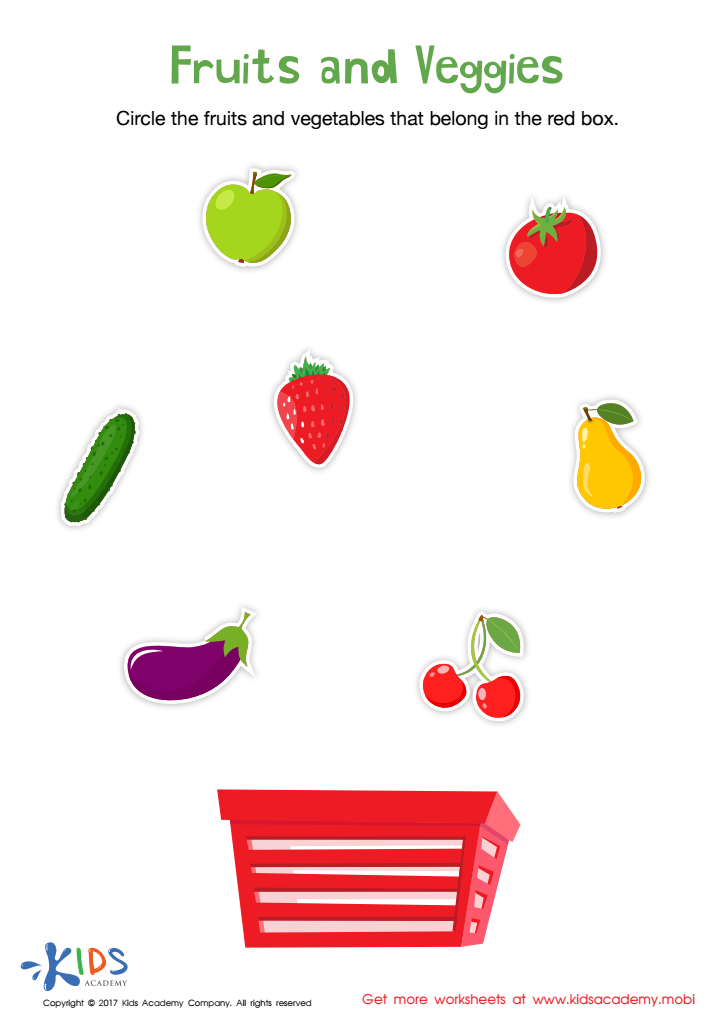
 Assign to My Students
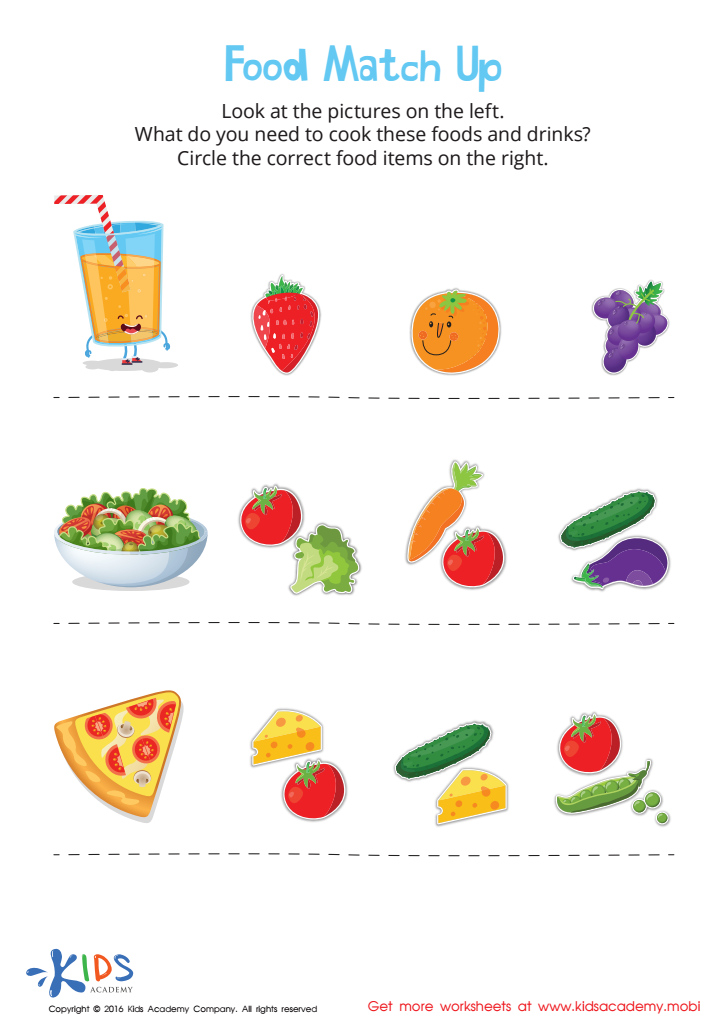
Food Match Up Worksheet
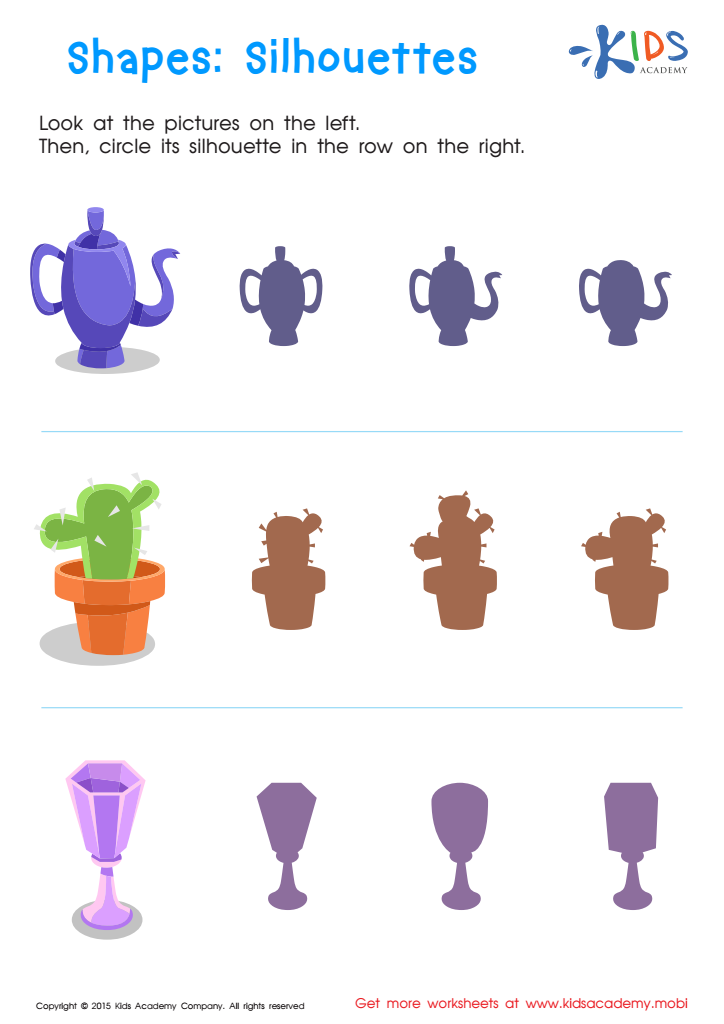
Silhouettes – Shapes Worksheet







Visual discrimination and normal matching are critical skills for children aged 5-8, and understanding their importance can greatly benefit both parents and teachers. These skills involve the ability to differentiate between similar shapes, colors, sizes, and patterns, which are foundational for many academic subjects and everyday activities.
Caring about visual discrimination helps foster cognitive development and enhances critical thinking skills. Children who excel in these areas can quickly identify differences and similarities, which is essential for problem-solving in subjects like math and reading. For example, recognizing letters and numbers accurately contributes to literacy and numerical understanding.
Moreover, visual discrimination is closely linked to other skills, such as fine motor skills and spatial awareness. During early schooling, activities like sorting, matching, and categorizing facilitate coordination and attention to detail, which are vital for success in more complex tasks later on.
Parents and teachers play a crucial role in creating opportunities for practice through engaging activities and games. By prioritizing visual discrimination and normal matching, adults can help instill confidence, enhance learning readiness, and empower children to effectively engage with their world, setting a strong foundation for their future educational journey.








