Analytical skills Normal Building Vocabulary Worksheets for Ages 5-8
4 filtered results
-
From - To
Boost your child's vocabulary and analytical skills with our engaging Normal Building Vocabulary Worksheets designed for ages 5 to 8. These worksheets are perfect for early learners, helping them expand their word knowledge while developing critical thinking abilities. Each activity is crafted to challenge young minds, encouraging them to explore the meanings of words, identify patterns, and improve their spoken and written communication. Ideal for parents and educators, our resources are printable and easy to use, making learning fun and effective. Enrich your child's education today with our high-quality worksheets that promote curiosity and confidence in language use!
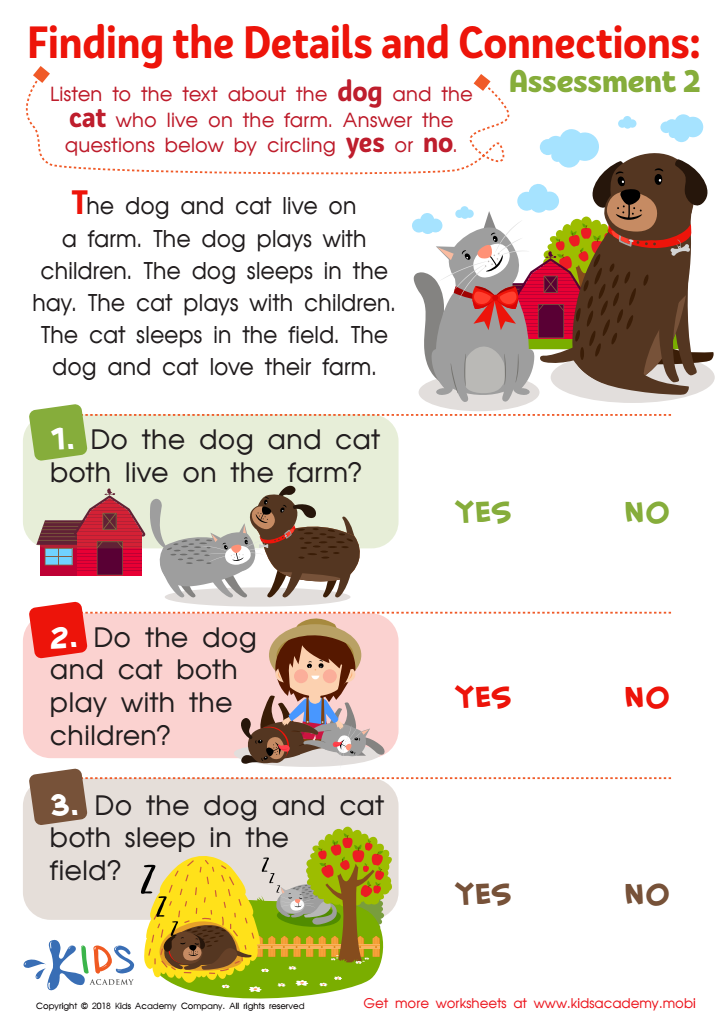
Finding the Details and Connections: Assessment 2 Worksheet
 Assign to My Students











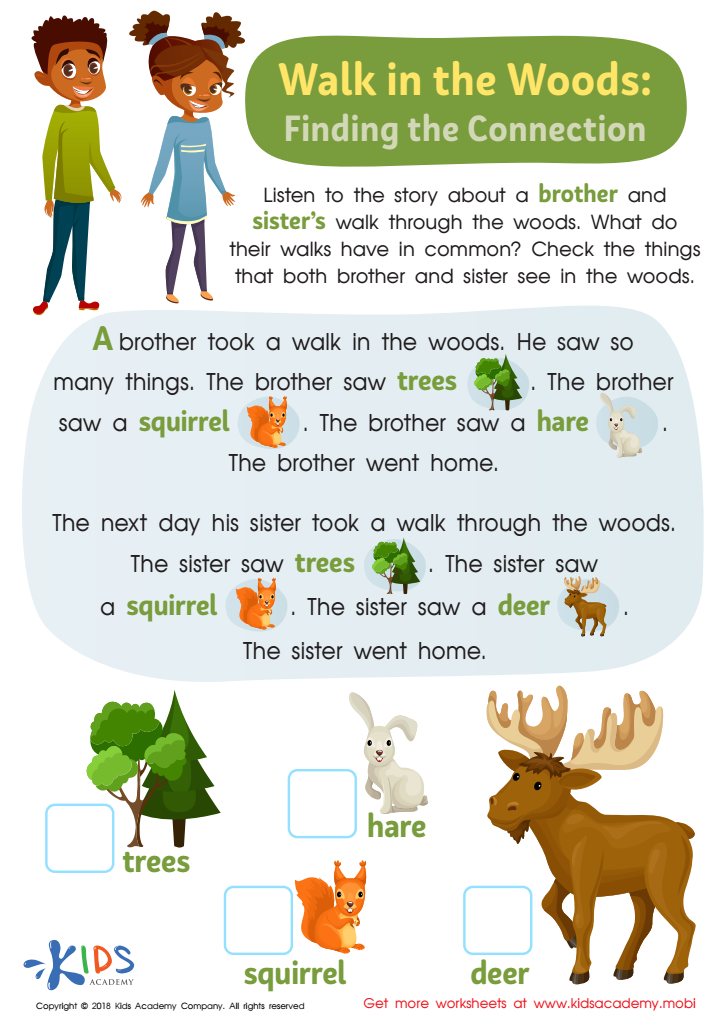
Walk In the Woods: Finding Connections Worksheet
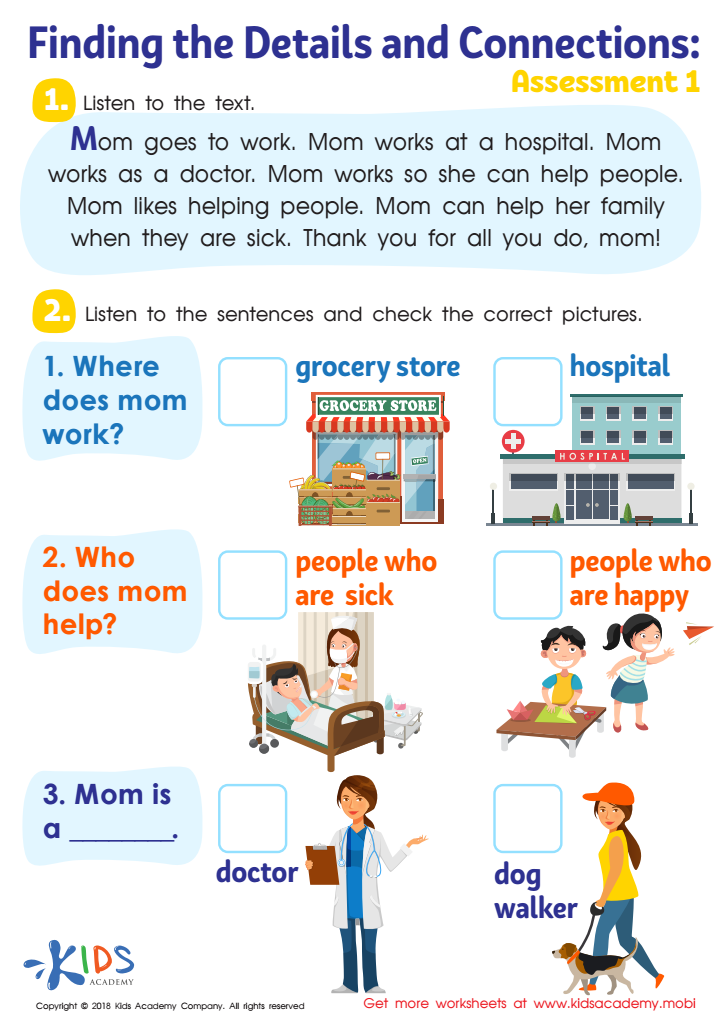
Finding the Details and Connections: Assessment 1 Worksheet
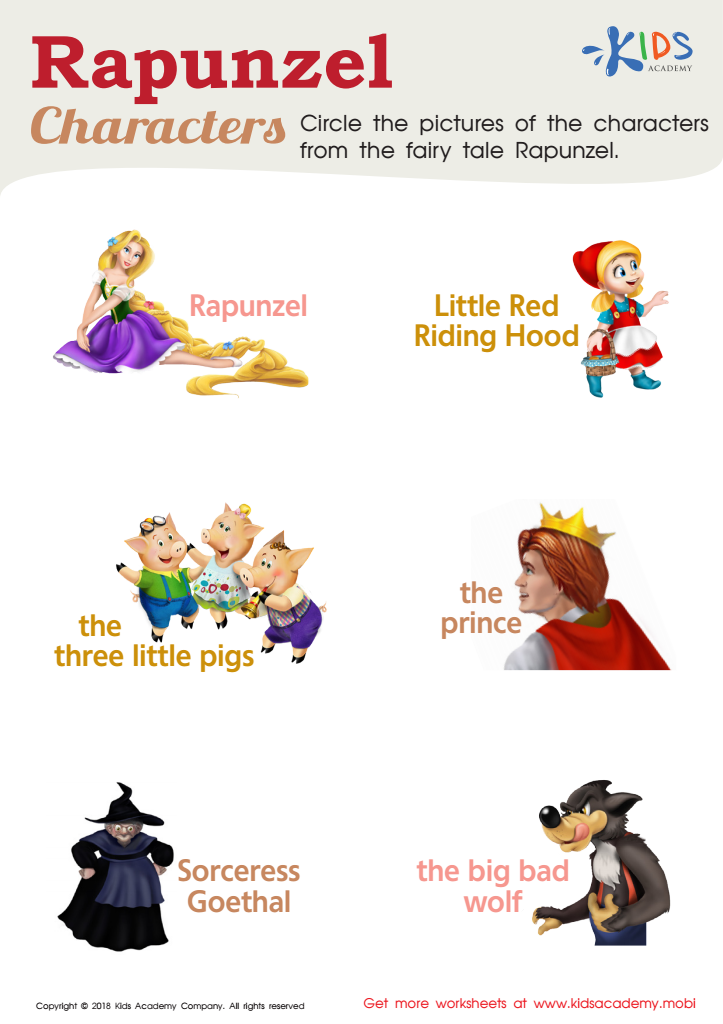
Rapunzel Characters Worksheet


.jpg)

.jpg)



Developing analytical skills and vocabulary is crucial for children aged 5-8, as these foundational abilities set the stage for lifelong learning and effective communication. Analytical skills help children think critically, solve problems, and make connections between ideas, allowing them to approach tasks with curiosity and creativity. For instance, when children learn to compare and contrast stories or identify patterns in data, they engage in higher-level thinking that prepares them for more complex subjects in the future.
Understanding normal vocabulary development is equally important, as expansive vocabulary enhances reading comprehension and expressive skills. At this age, children should be encouraged to acquire new words through conversations, reading, and play. A robust vocabulary not only improves their ability to articulate thoughts and emotions but also boosts self-esteem and confidence in academic settings.
Parents and teachers can work together to foster environments rich in language and encouraging critical thinking. Strategies could include discussing stories, asking open-ended questions, and introducing diverse words in everyday conversations. This collaboration will not only enhance children's language skills but also promote analytical thinking, enriching their educational experience and preparing them for challenges ahead. Prioritizing these skills at a young age paves the way for academic and personal success in later years.








