Spelling practice Normal Building Vocabulary Worksheets for Ages 5-8 - Page 2
29 filtered results
-
From - To
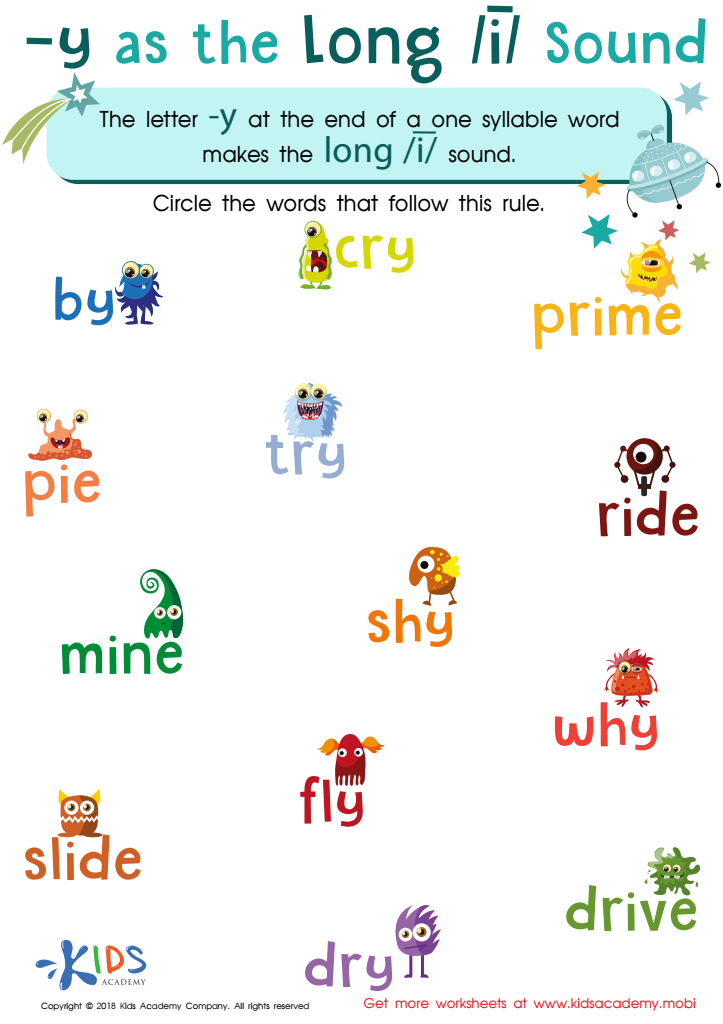
Reading: Y as Long I Worksheet
 Assign to My Students











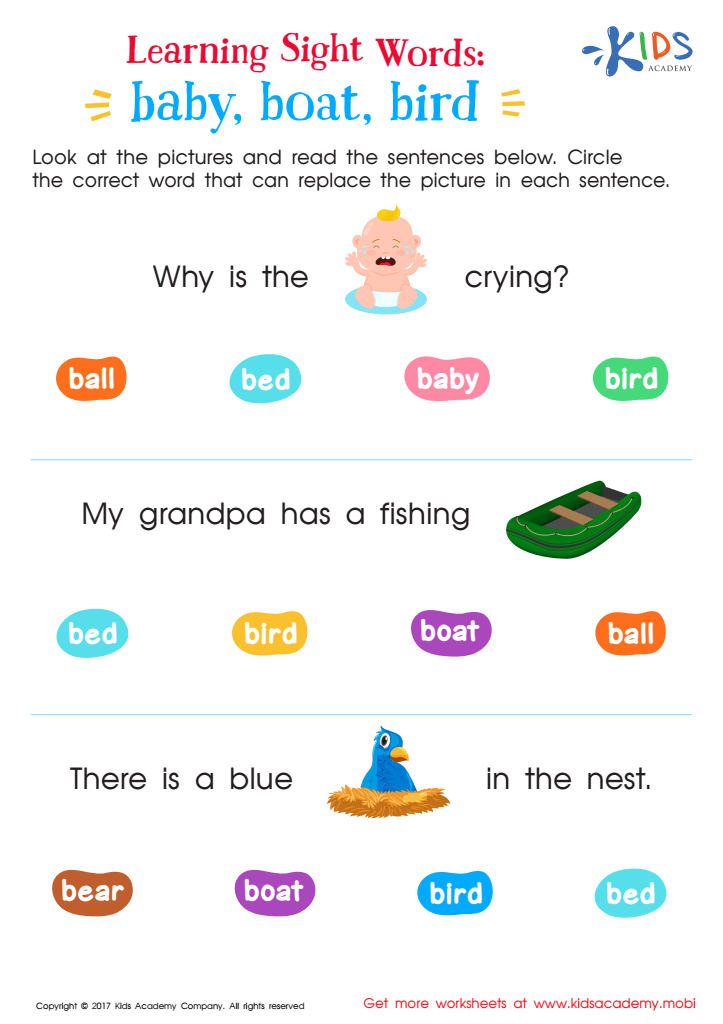
Baby, Boat, Bird Worksheet Sight Words Worksheet
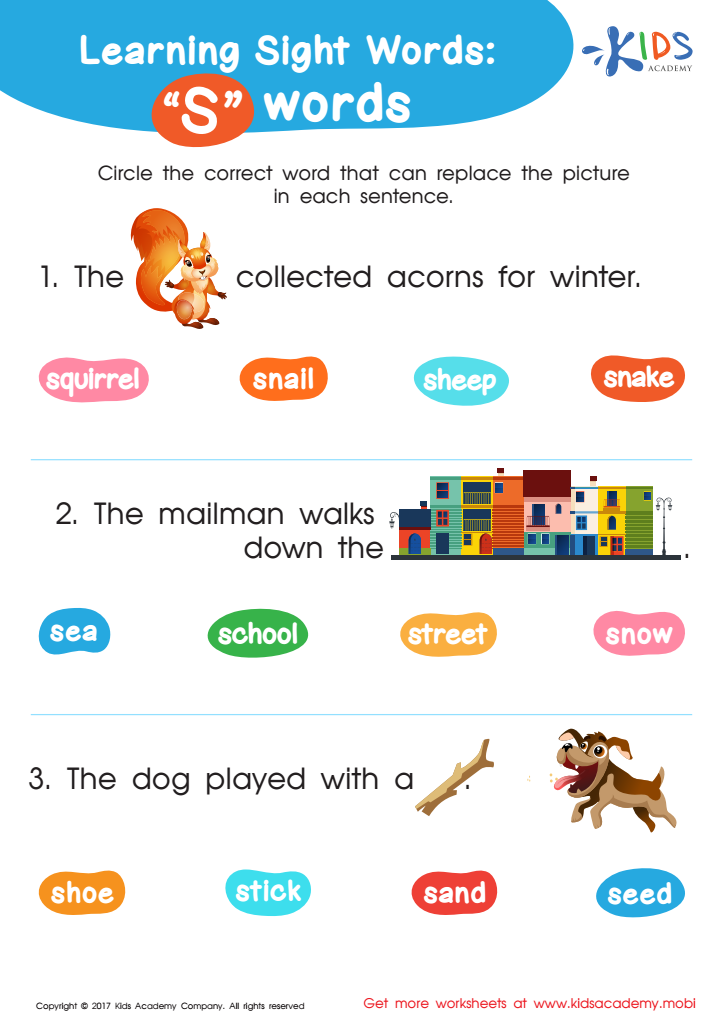
S Words Sight Words Worksheet
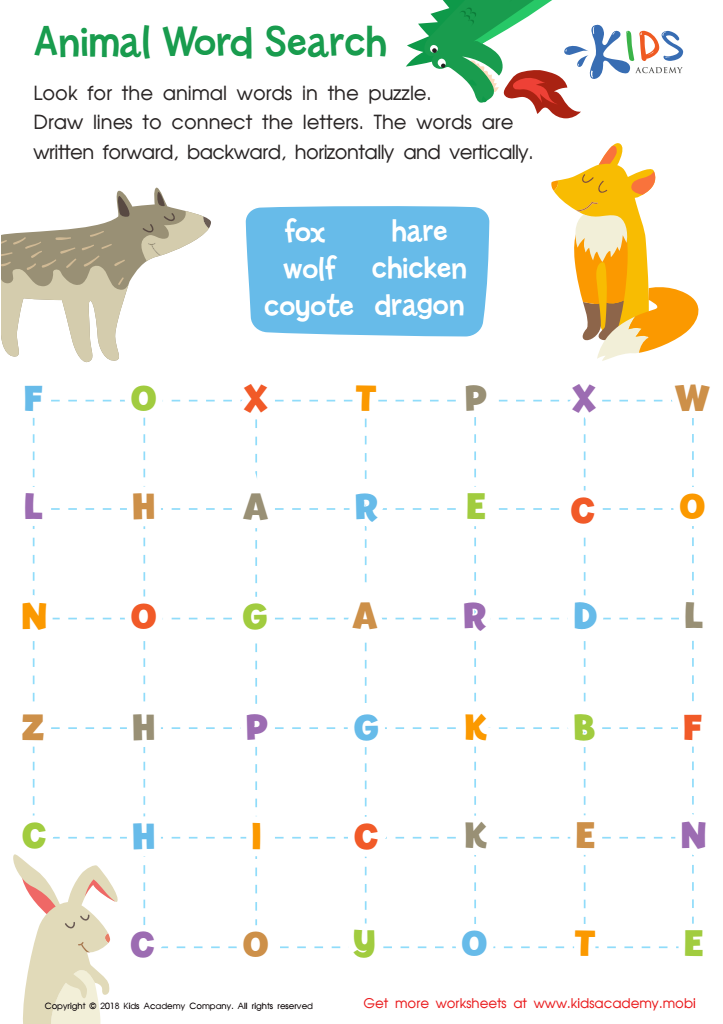
Animal Word Search Worksheet
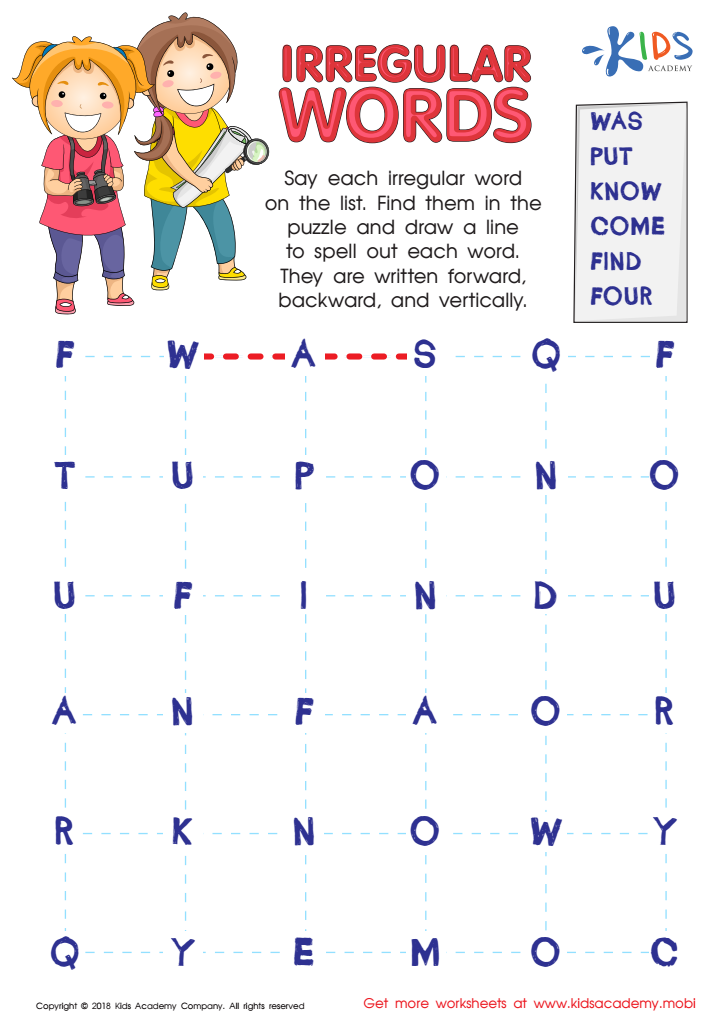
Irregular Words Worksheet







Parents and teachers should prioritize spelling practice for children aged 5-8 as it lays the foundation for essential literacy skills. During these formative years, children are beginning to familiarize themselves with the sounds and structures of their language. Spelling practice helps reinforce phonemic awareness, the understanding that words are made up of individual sounds, which is crucial for reading and writing proficiency.
A strong vocabulary is another core benefit of regular spelling practice. As children learn to spell new words, they inherently expand their vocabulary, enabling them to comprehend and use a wider array of words in their communication. This expansion is important not just for literacy but for overall cognitive development. A rich vocabulary facilitates better understanding of new information and effective expression of ideas, both essential skills in a child's educational journey.
Furthermore, developing good spelling habits early can foster a sense of confidence and independence in children. When children are proficient spellers, they are more likely to engage in writing activities without fear of making mistakes, thereby encouraging creative expression and learning exploration.
In summary, spelling practice is integral to enhancing children’s literacy skills, enriching vocabulary, and building confidence, all of which are key to their long-term educational success.








