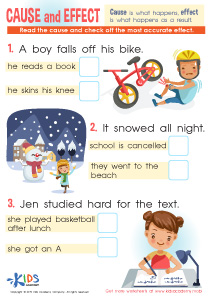
Improve reading comprehension Normal Reading Non-Fiction Worksheets for Ages 5-8
6 filtered results
-
From - To
Enhance your child's reading skills with our "Improve Reading Comprehension Non-Fiction Worksheets" designed for ages 5-8. These engaging worksheets provide a variety of fun and interactive activities tailored to improve young readers' understanding of non-fiction texts. Each worksheet focuses on essential cognitive skills, such as identifying main ideas, making inferences, and summarizing information. Whether in the classroom or at home, these materials promote critical thinking and foster a love for reading. Ideal for guiding children through real-world topics, these resources ensure enjoyable learning experiences while building confidence in their reading abilities. Start your child's reading journey today!
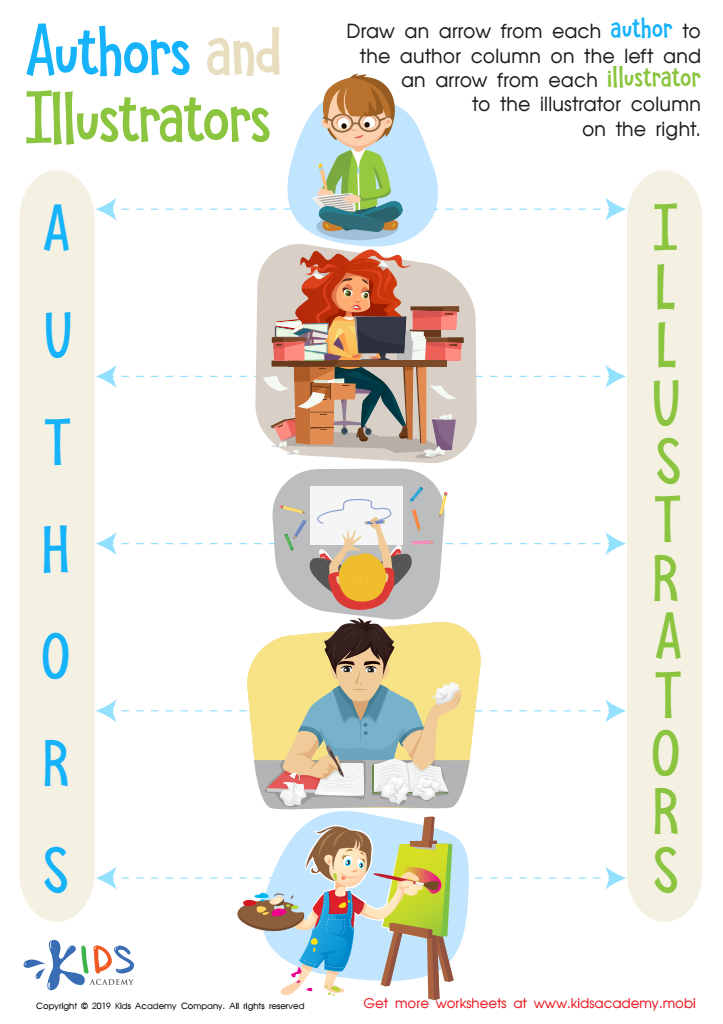
Authors and Illustrators Worksheet
 Assign to My Students
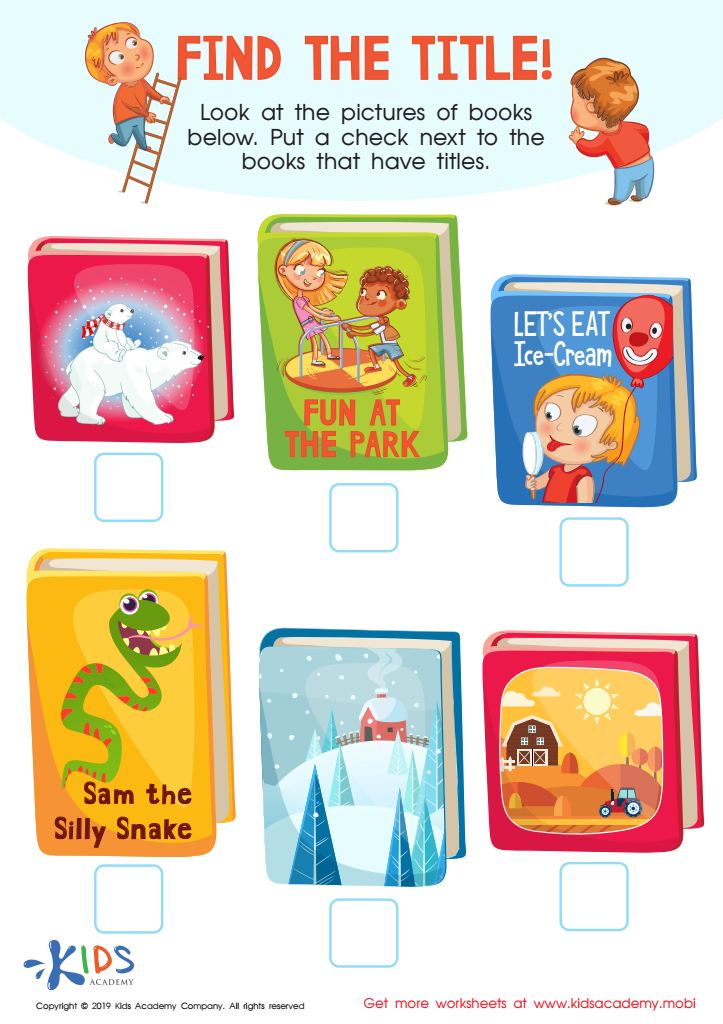
Find the Title Worksheet
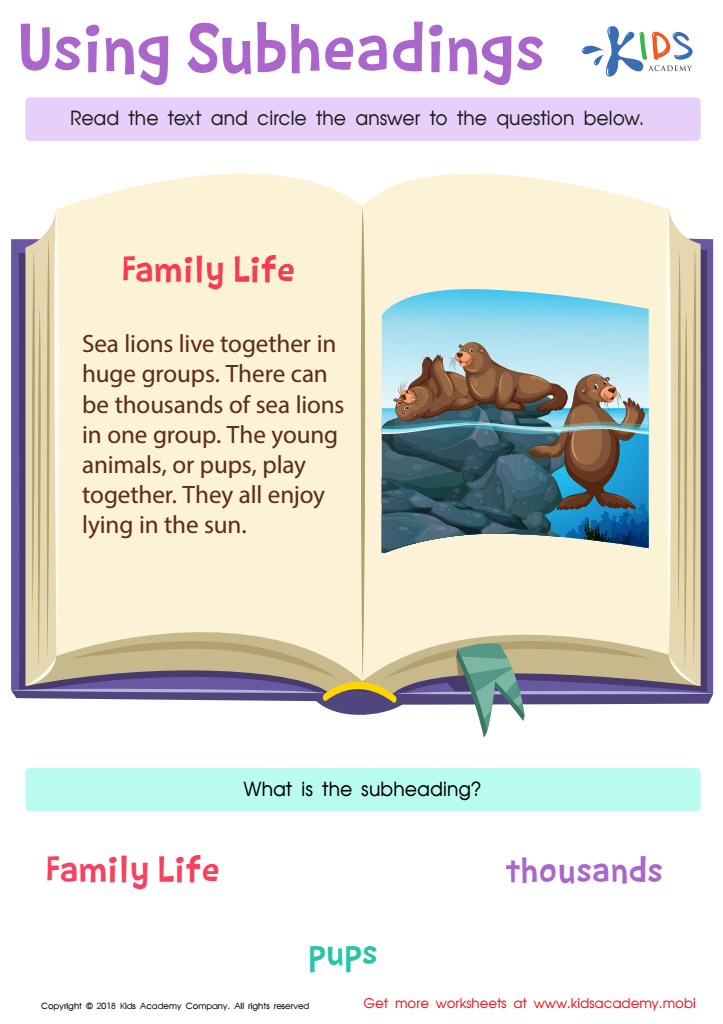
Using Subheadings Worksheet
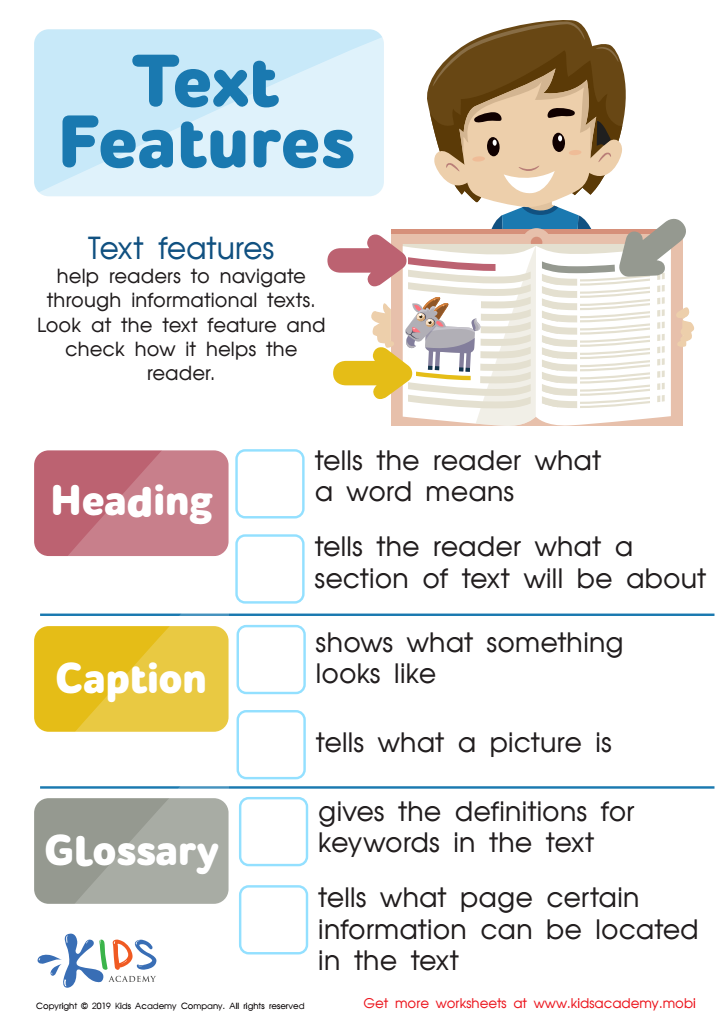
Text Features Worksheet
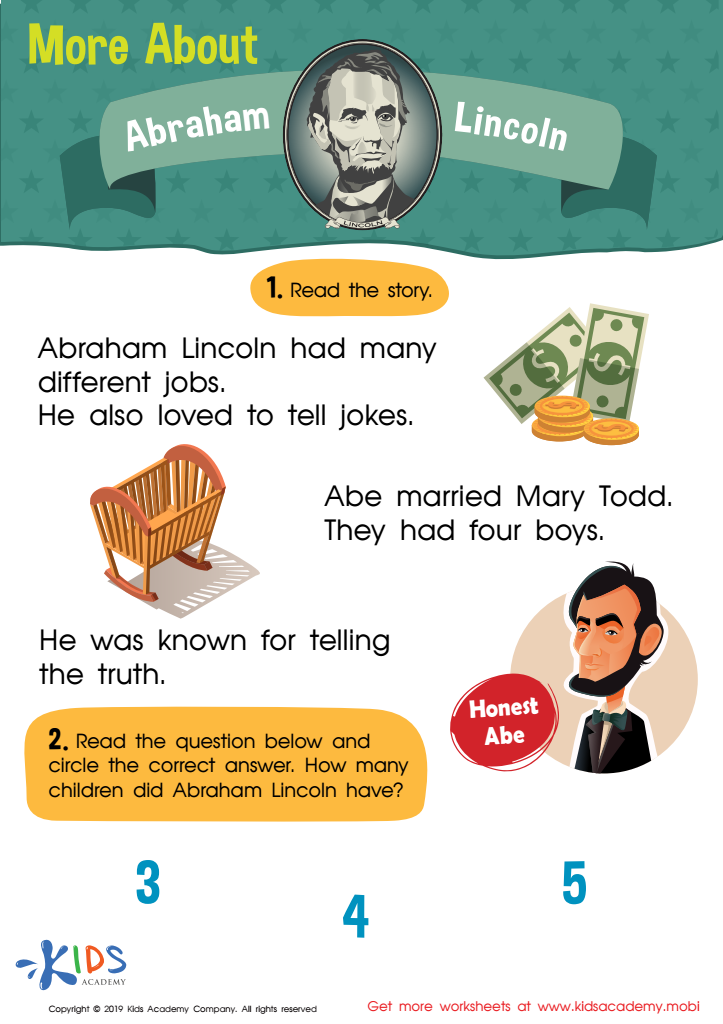
More About Abraham Lincoln Worksheet
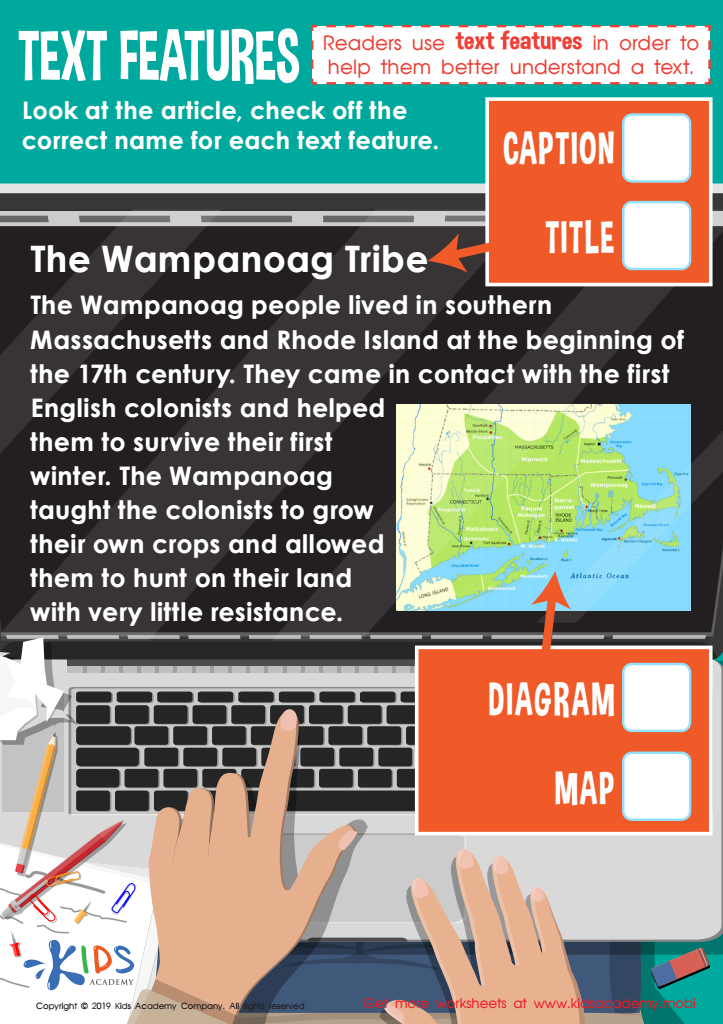
Text Features Worksheet








Improving reading comprehension for non-fiction texts in children aged 5-8 is crucial for their overall academic development and lifelong learning. At this age, children begin to broaden their understanding of the world through various subjects such as science, history, and even personal experiences, making non-fiction reading integral. Through engaging with non-fiction, children learn to identify facts, make inferences, and critically analyze information, fostering essential thinking skills.
Parents and teachers play a vital role in nurturing these skills. When children competently comprehend non-fiction texts, they become better equipped to engage with more complex topics as they progress in school. Additionally, strong comprehension skills contribute to their ability to follow instructions, solve problems, and conduct research, all of which are foundational for future learning.
By prioritizing reading comprehension, educators and families can also help instill a love of reading, where children become curious about the world around them and seek to learn independently. Encouraging discussions about what they read can enhance this understanding further, establishing a collaborative learning environment. Ultimately, investing in these early reading skills sets the groundwork for future academic success and motivates children to pursue a diverse range of knowledge.