Categorization skills Normal Animals Worksheets for Ages 5-8
3 filtered results
-
From - To
Enhance your child's learning with our "Categorization Skills Normal Animals Worksheets" designed for ages 5-8. These engaging worksheets help young learners explore the fascinating world of animals while developing crucial categorization skills. Through fun activities, children will learn to group animals based on characteristics such as habitat, diet, and species. Perfect for classroom use or home-based learning, these worksheets are aligned with early grade science curricula, promoting cognitive development and critical thinking. Foster a love for animals and science in your child today! Access our diverse collection and watch their knowledge and confidence soar as they master categorization concepts while having fun!
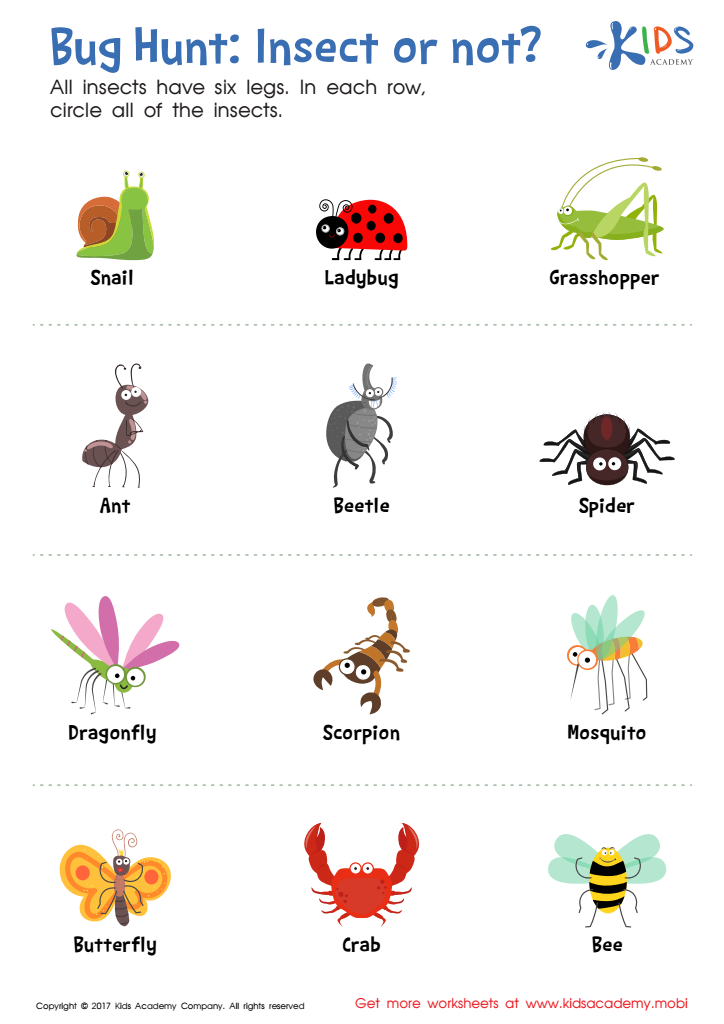
 Assign to My Students
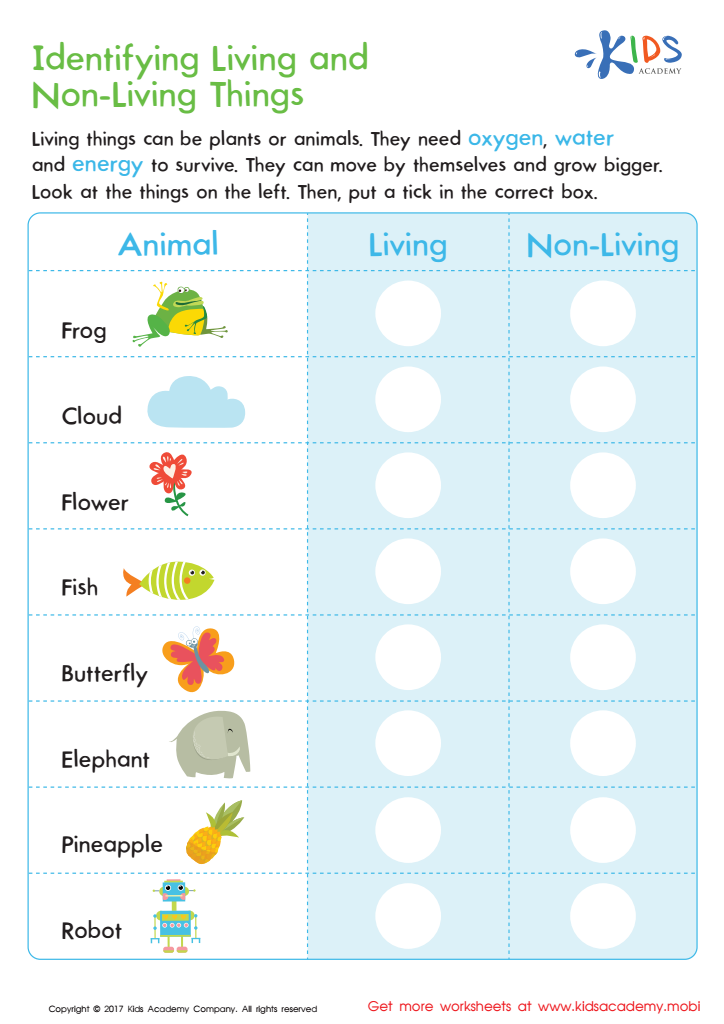
Identifying Living or Non–living Worksheet
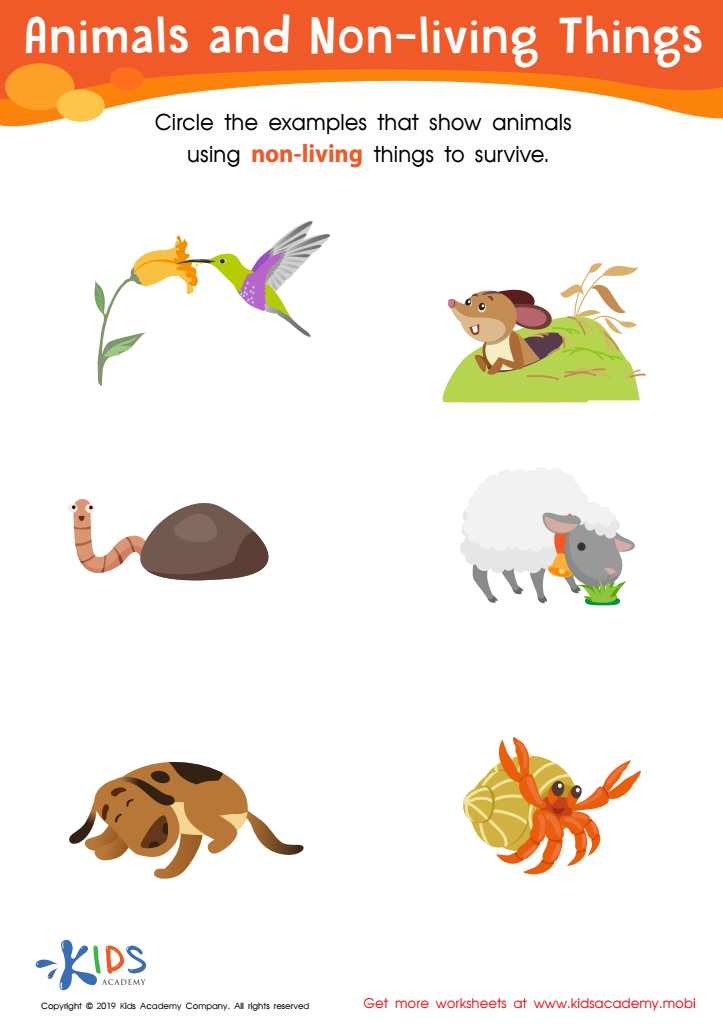
Animals and Non-Living Things Worksheet








Categorization skills, especially in the context of normal animals, play a vital role in the cognitive development of children aged 5-8. At this stage, children are naturally curious about their environment, and categorization helps them make sense of the world around them. By learning to categorize animals, children enhance their observational skills, critical thinking, and language abilities.
Parents and teachers should care about these skills because they lay the foundation for later learning. Understanding how to group animals by characteristics such as habitat, diet, or physical traits allows children to develop systematic thinking. This foundational knowledge encourages scientific inquiry and fosters a love for learning.
Moreover, categorization aids in the development of social skills. When children engage in group activities centered around sorting animals, they learn to collaborate, share ideas, and communicate their thoughts effectively. This social interaction is essential for emotional growth and helps build a sense of community among peers.
Additionally, teaching kids about normal animals encourages empathy and respect for living creatures, cultivating an appreciation for nature. This early exposure to classification and environmental awareness prepares children for more complex subjects in science and biology, paving the way for academic success in the future.








