
Improving reading comprehension Normal Science Worksheets for Ages 5-8
3 filtered results
Difficulty Level
Grade
Age
-
From - To
Subject
Activity
Standards
Elevate young learners' reading skills with our "Improving Reading Comprehension Normal Science Worksheets for Ages 5-8." These engaging, age-appropriate activities cultivate a love for reading while reinforcing essential science concepts. Our worksheets encourage critical thinking, vocabulary building, and the ability to extract key ideas, transforming the way kids understand and retain scientific knowledge. By blending interesting texts with thought-provoking questions, children enhance both their reading and analytical skills. Perfect for classroom or home use, these worksheets are designed to align with educational standards, making learning both effective and enjoyable. Unlock your child's potential with our specialized reading comprehension resources.
Favorites
With answer key
Interactive
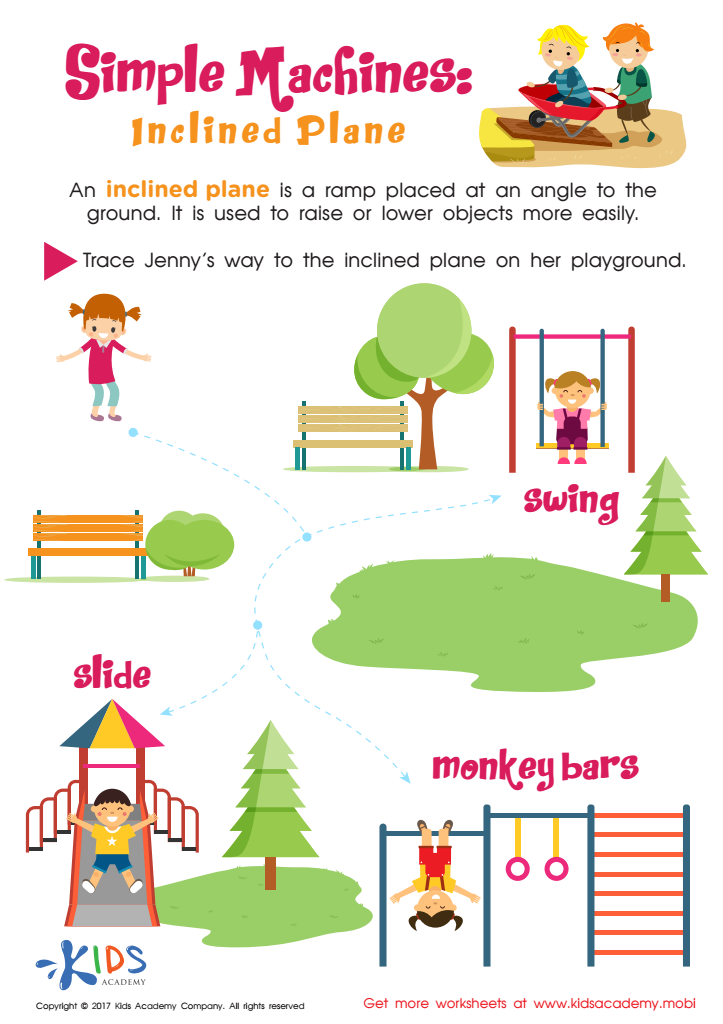
Simple Machines Inclined Plane Worksheet
This fun worksheet will help them increase their science skills while they have fun.
 Assign to My Students
Simple Machines Inclined Plane Worksheet
Worksheet
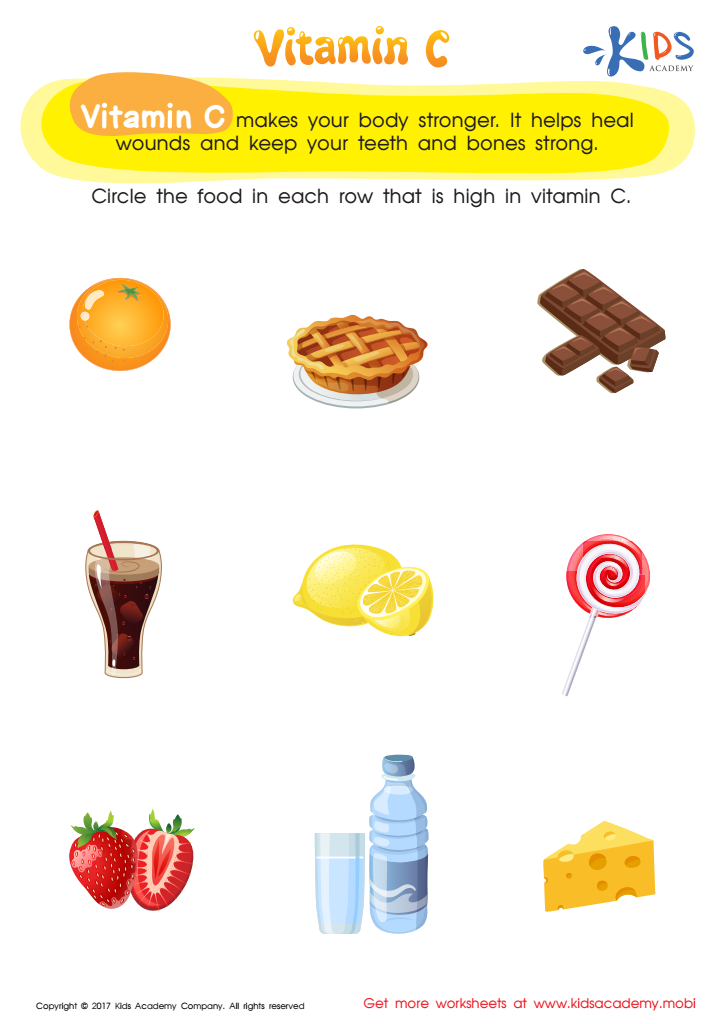
Vitamin C Worksheet
Kids need vitamins to stay strong and healthy. This worksheet will help them identify foods high in vitamin C and make them crave healthy options.
Vitamin C Worksheet
Worksheet
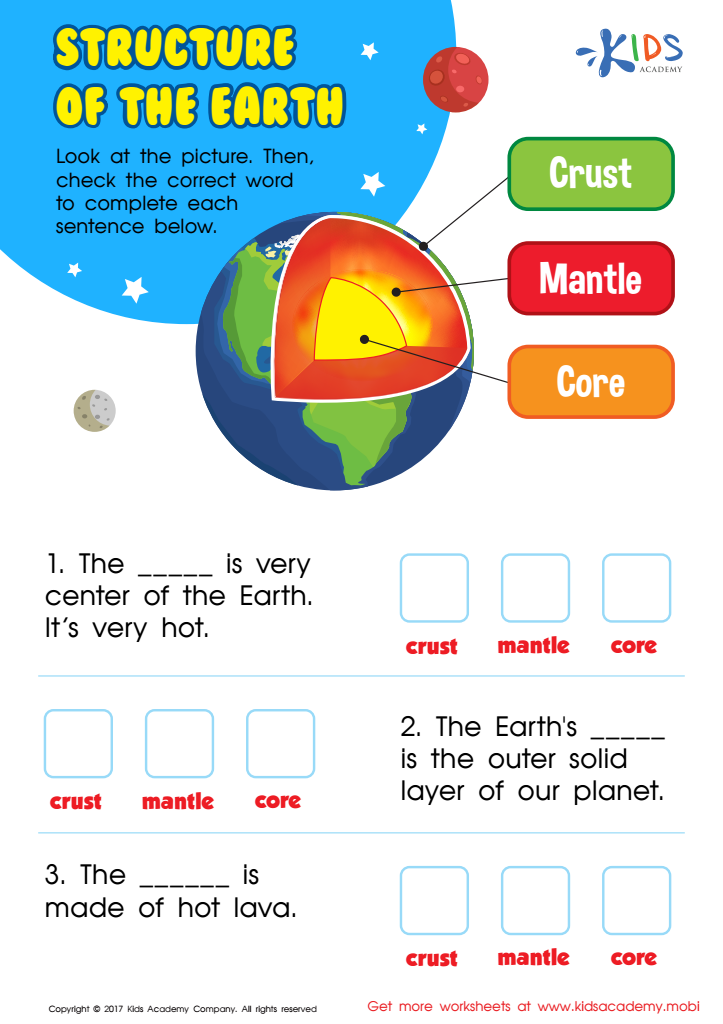
Structure of the Earth Worksheet
Discover the hidden structure of the Earth with this worksheet! Learn about the three main parts: crust, mantle and core. Help your little scientist increase their geological vocabulary and knowledge.
Structure of the Earth Worksheet
Worksheet
Join Kids Academy for Free
Who is primarily going to use this learning content?







Reading comprehension is foundational for children's overall academic development, particularly in understanding scientific concepts. For ages 5-8, this period is crucial as it sets the stage for future learning and cognitive growth. When parents and teachers foster reading comprehension in normal science, they hone the child's ability to understand and retain information, think critically, and connect ideas, which is essential in subjects like science where concepts build upon one another.
Improving reading comprehension aids children in grasping scientific nomenclature, processes, and theories from an early age. This builds their confidence and enthusiasm for science, encouraging curiosity and a love for learning. Furthermore, strong reading skills translate into better performance in other subject areas, enhancing their overall academic experience.
Engaged reading also supports language development, vocabulary building, and cognitive ability. An interactive approach, such as discussing stories and asking thought-provoking questions, can make science exciting and relatable, fostering a deeper appreciation and understanding.
Ultimately, prioritizing reading comprehension helps children develop pivotal skills, positioning them for greater academic success and cultivating informed, inquisitive young minds well-prepared for future scientific exploration and discovery. This holistic growth is a mutual goal for parents and educators, highlighting the importance of a collaborative commitment to reading development.







