Filters

100 filtered results

Clear all filters
Favorites
With answer key
Interactive

100 filtered results

Difficulty Level

Grade


Check out this FREE Trial Lesson on Plants and Animals for age 5-8!

Multiplication and Division Fact Families Multiplication Facts Part 1

Favorites
With answer key
Interactive
  • 5-8
  • Plants and Animals
  • Normal
Match Them Up Worksheet

Match Them Up Worksheet

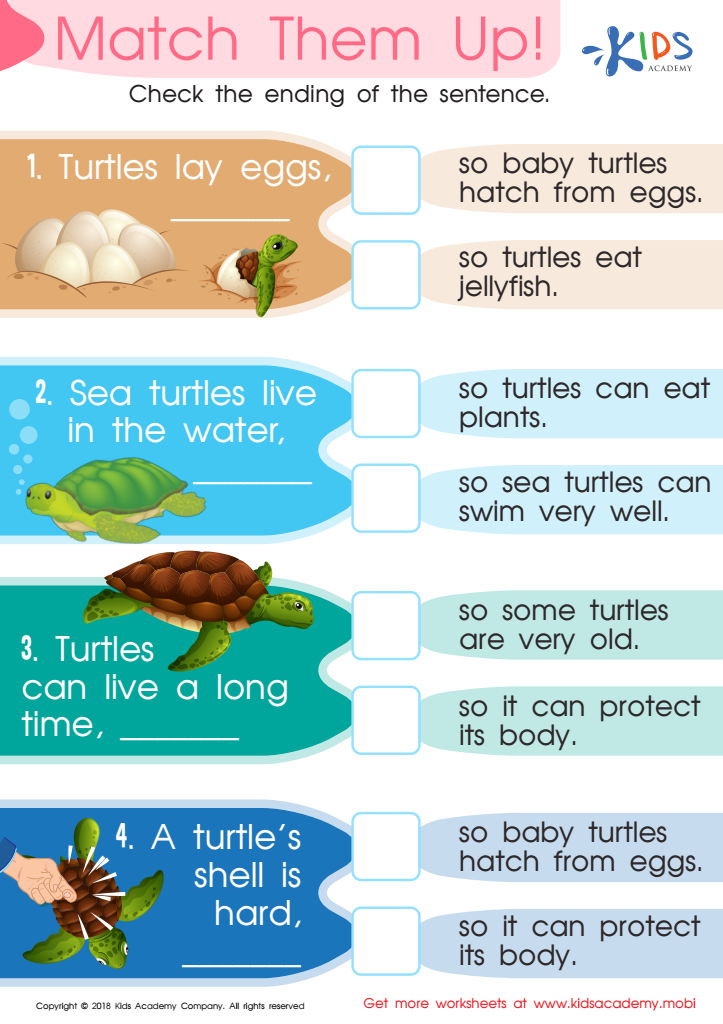
Reading offers a wealth of knowledge, but young readers may struggle to remember info from informational texts. Help your child practice comprehension with this fun turtle-related worksheet. Just read the sentence starters and select the correct ending from the options given. Check the box to indicate the right statement!
Match Them Up Worksheet
Worksheet
Food Chain Cause Worksheet

Food Chain Cause Worksheet

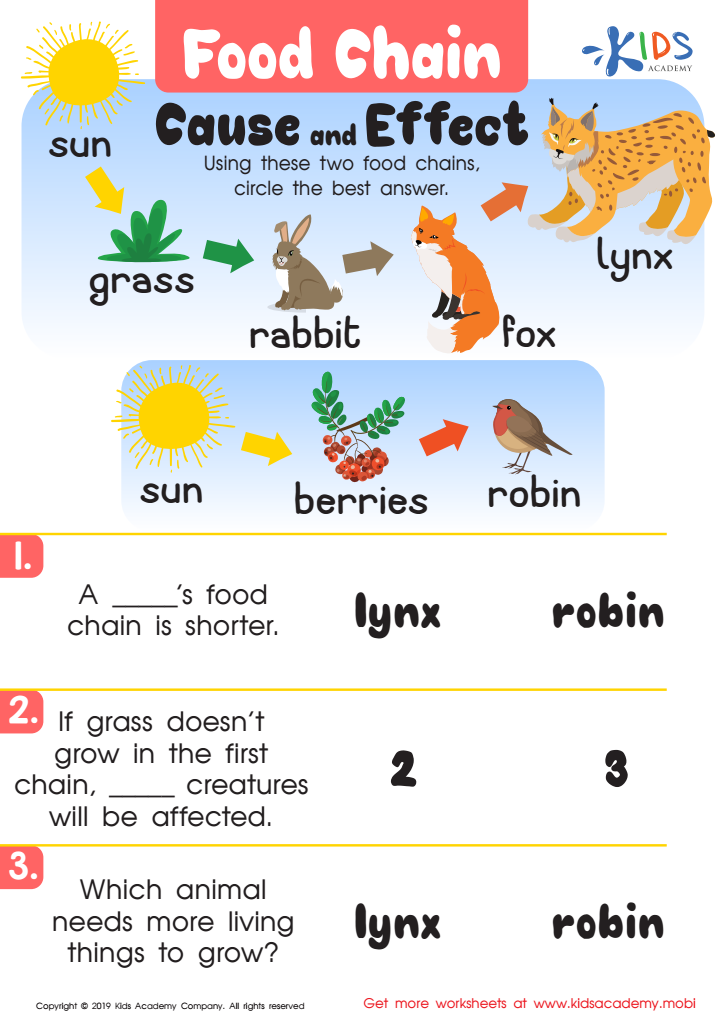
Help your little learner analyze ecosystems and compare food chains with this Kids Academy worksheet! Kids will compare a carnivore's and herbivore's food chain; which is longer and why? Questions at the bottom of the page will help them compare and circle the best answers. A great way to understand animal food chains!
Food Chain Cause Worksheet
Worksheet
Compare Two Sources Worksheet

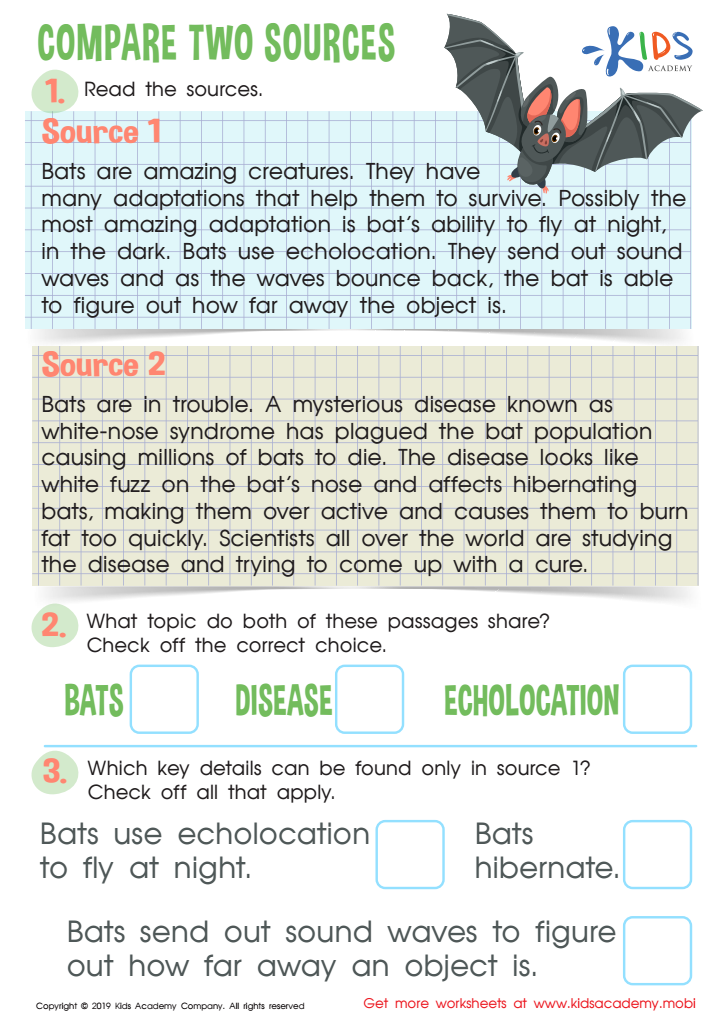
Compare Two Sources Worksheet

Reading exposes us to new words, spelling, and info about different topics. Kids can practice their reading skills, and learn about bats, with this worksheet. Read the two sources in the picture, then help your kids answer the questions at the bottom.
Compare Two Sources Worksheet
Worksheet
Bugs and Legs Fact Families Worksheet


Bugs and Legs Fact Families Worksheet
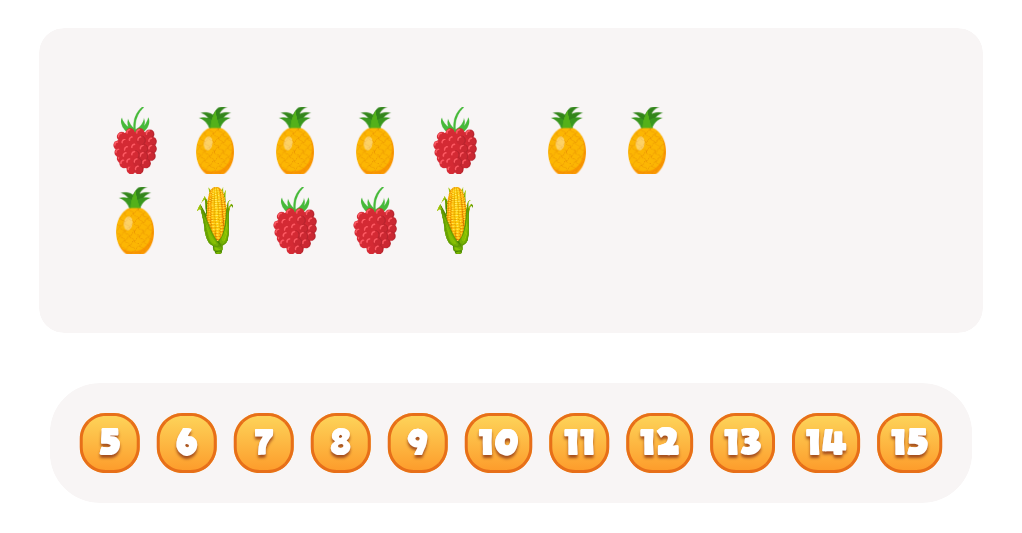
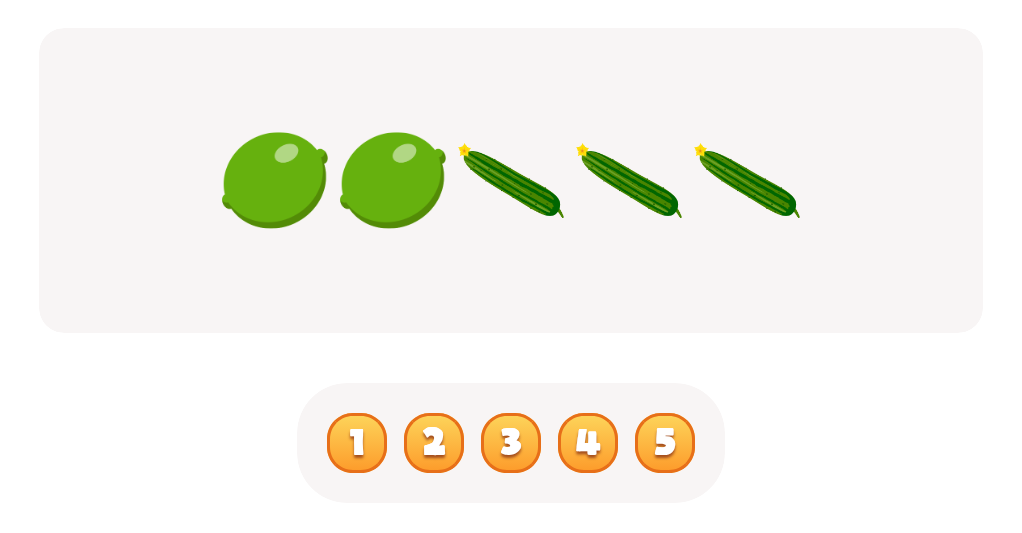
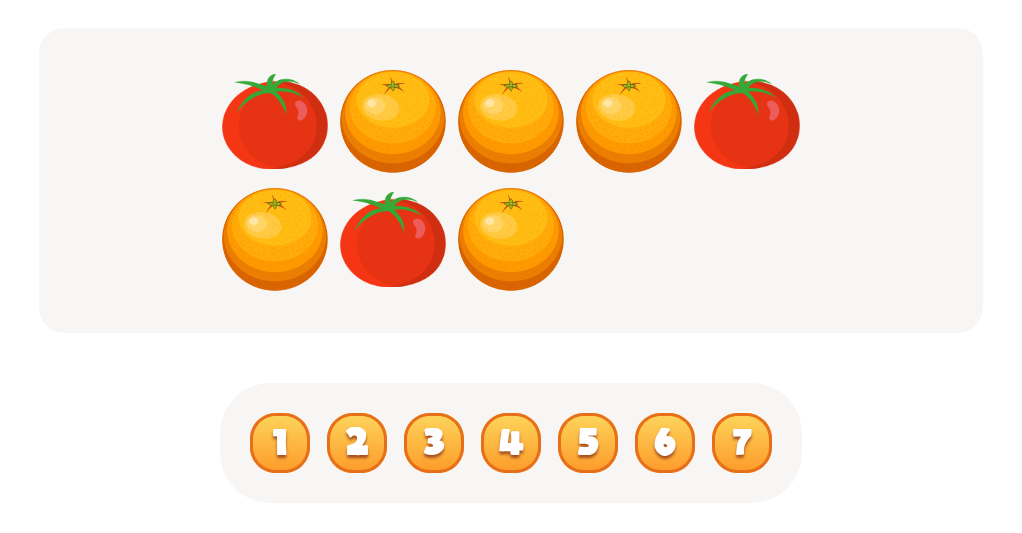
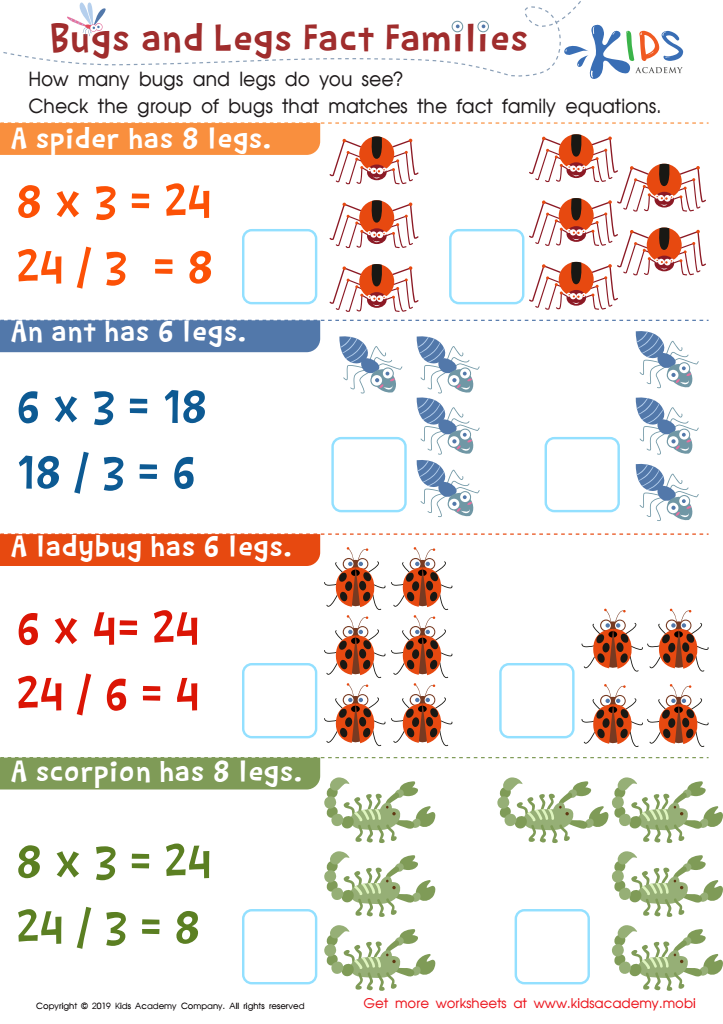
This free worksheet uses bugs and insects to help young math students learn about fact families and recognize patterns in multiplication and division. It's a fun and colorful way to gain automaticity and efficiency in computation skills, without even realizing it's math!
Bugs and Legs Fact Families Worksheet

Worksheet


... 4 5

Parents and teachers should care about normal plants and animals for children aged 5-8 because this knowledge is foundational for understanding the natural world. At this stage, children are naturally curious and imaginative, and learning about plants and animals fosters a love for science and nature. Recognition of common species, such as trees, flowers, birds, and insects, helps them develop observation skills, critical thinking, and appreciation for biodiversity.

Moreover, interacting with normal plants and animals can enhance a child's mental and emotional well-being. Nature has been shown to reduce stress, enhance creativity, and promote physical activity. Learning to care for plants and animals can also instill values of responsibility and empathy. When children understand the role of plants and animals in our ecosystem, they begin to grasp concepts like conservation and the importance of protecting their environment.

Additionally, integrating these concepts into effective hands-on activities, such as gardening or nature walks, creates multisensory learning experiences that are both engaging and memorable. Overall, grounding children in the understanding of normal plants and animals encourages stewardship of the earth while nurturing a lifelong passion for learning and discovery.