
Critical thinking skills Normal Plants and Animals Worksheets for Ages 5-8
3 filtered results
Difficulty Level
Grade
Age
-
From - To
Subject
Activity
Standards
Discover our "Critical Thinking Skills: Normal Plants and Animals Worksheets" designed for children aged 5-8. These engaging, colorful worksheets encourage young learners to explore the fascinating world of plants and animals while enhancing their critical thinking abilities. Each activity promotes observation, comparison, and analysis, fostering curiosity and a deeper understanding of nature. Ideal for both home and classroom use, these worksheets cater to various learning styles and support foundational science knowledge. Help your child develop essential skills through enjoyable exercises that ignite their passion for learning. Dive into the wonders of the natural world and watch your child's cognitive skills flourish!
Favorites
With answer key
Interactive
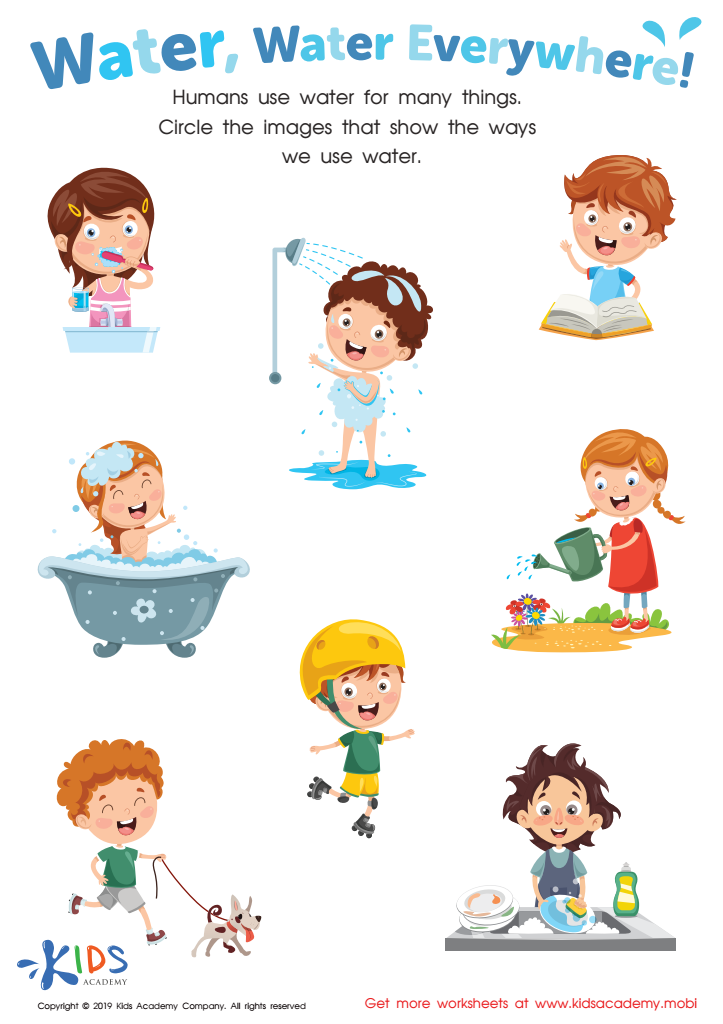
Water, Water Everywhere! Worksheet
Ask your kids how we use water daily. Point out how vital it is to the environment, as many living things couldn't exist without it. Show them this worksheet with kids doing different things that involve water. Ask them to identify what each one is doing, then help them circle the images which show the ways we use the water.
 Assign to My Students
Water, Water Everywhere! Worksheet
Worksheet


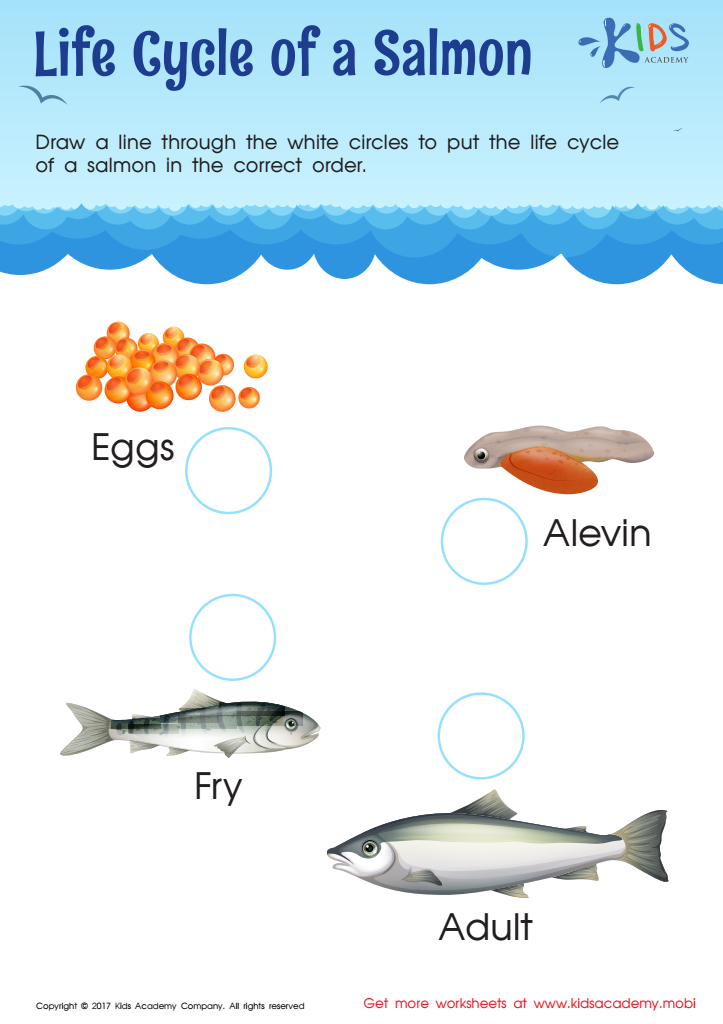
Cycle Of Salmon Worksheet
Explore the life cycle of a salmon with this grade 2 worksheet! Kids will learn by arranging the stages of the salmon's lifecycle in order. Science activities in this set cover a wide range of lifecycles in nature.
Cycle Of Salmon Worksheet
Worksheet
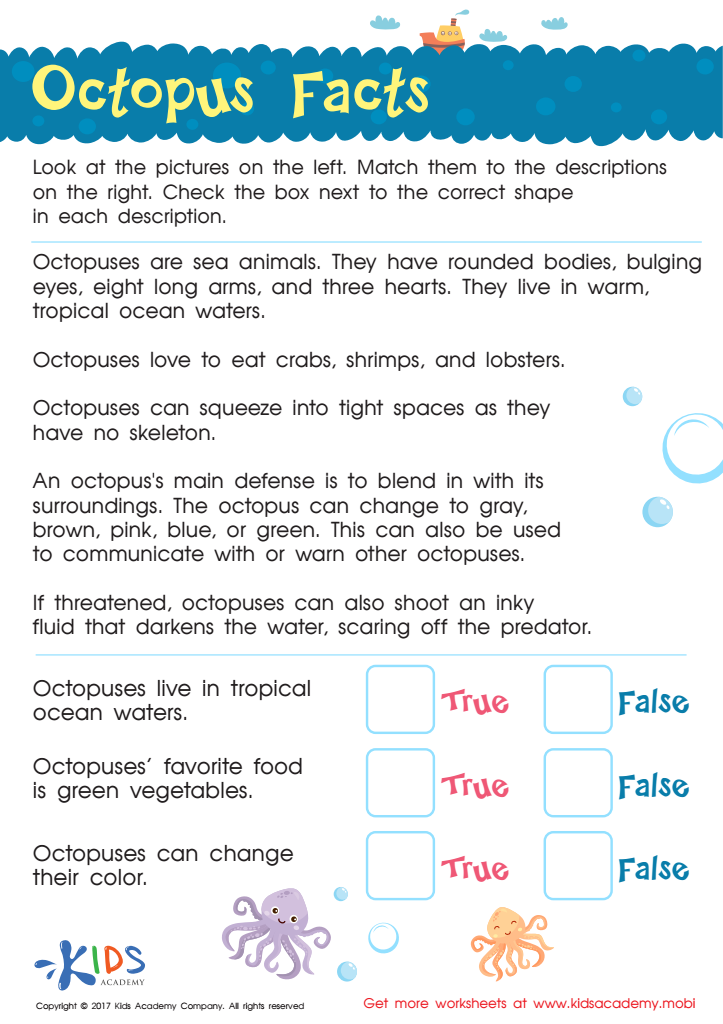
Octopus Facts Worksheet For Kids
Let your child dive into the world of octopuses with this fun worksheet. It offers invaluable practice in reading non-fiction texts, while they learn interesting facts about these strange sea creatures. It's a great way to help them hone their skills in reading comprehension.
Octopus Facts Worksheet For Kids
Worksheet
Join Kids Academy for Free
Who is primarily going to use this learning content?








Teaching critical thinking skills about normal plants and animals to children aged 5-8 is essential for several reasons. Firstly, at this formative stage, children are naturally curious about the world around them. Encouraging them to ask questions about plants and animals fosters a sense of wonder and exploration. It trains them to analyze information, make connections, and draw conclusions, essential skills not only in science but across all subjects.
Additionally, understanding plants and animals nurtures a foundation for environmental awareness. As children learn about ecosystems, the roles of various organisms, and their interdependence, they develop respect for nature and an understanding of sustainability. This knowledge can inspire responsible behaviors toward the environment in the future.
Moreover, critical thinking fosters creativity and problem-solving abilities. When children engage in hands-on activities, such as observing plant growth or animal behavior, they learn to hypothesize, test their ideas, and reflect on outcomes. These experiences develop resilience and adaptability, traits necessary in an ever-changing world.
Lastly, cultivating critical thinking in early education prepares children for academic success. Strong problem-solving skills and curiosity boost confidence and engagement, setting the groundwork for lifelong learning and exploration. Thus, nurturing these skills benefits not just individual students but society as a whole.







