Vocabulary Building Normal Plants and Animals Worksheets for Ages 5-8
5 filtered results
-
From - To
Unlock your child's potential with our engaging Vocabulary Building Normal Plants and Animals Worksheets for Ages 5-8. Designed to nurture young minds, these printable activities make learning science fun and interactive. Featuring colorful illustrations and age-appropriate exercises, our worksheets help kids expand their vocabulary while exploring the fascinating world of plants and animals. Perfect for both classroom and home, these resources not only support language development but also spark curiosity and foster a lifelong love of nature. Give your little explorer the tools they need to thrive with these science-rich vocabulary-building worksheets!
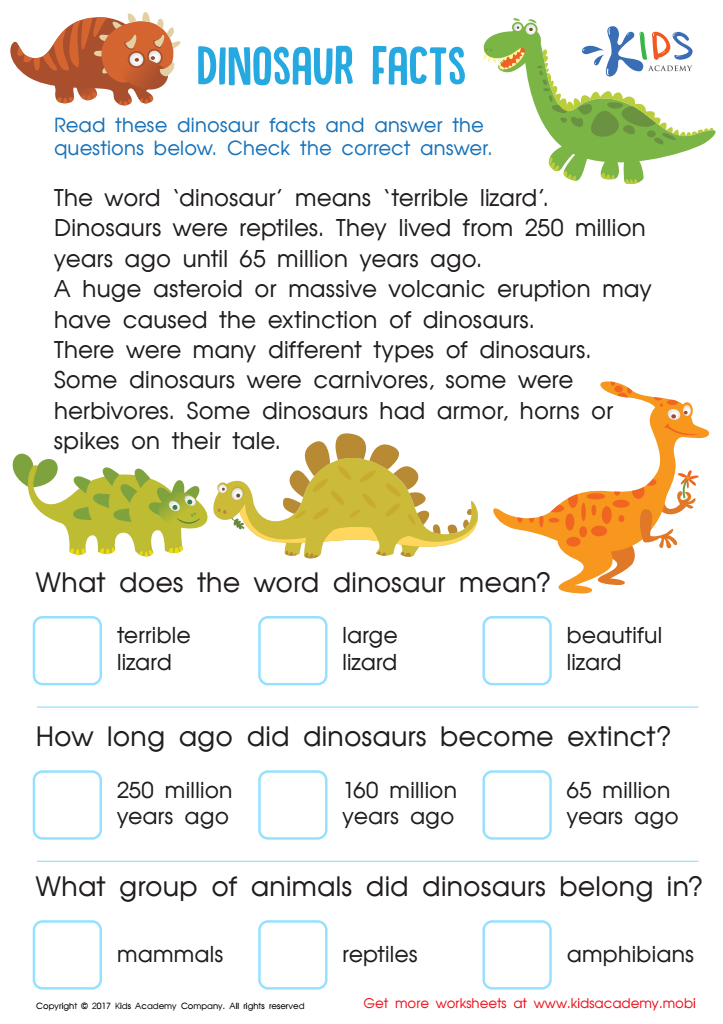
Dinosaur Facts Worksheet
 Assign to My Students











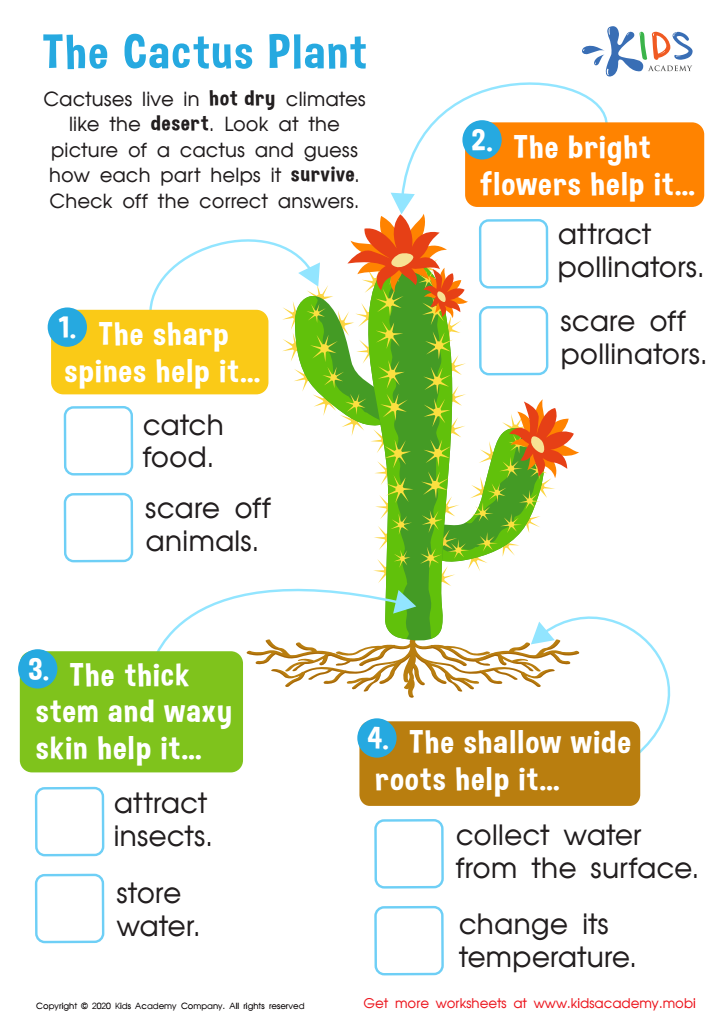
The Cactus Plant Worksheet
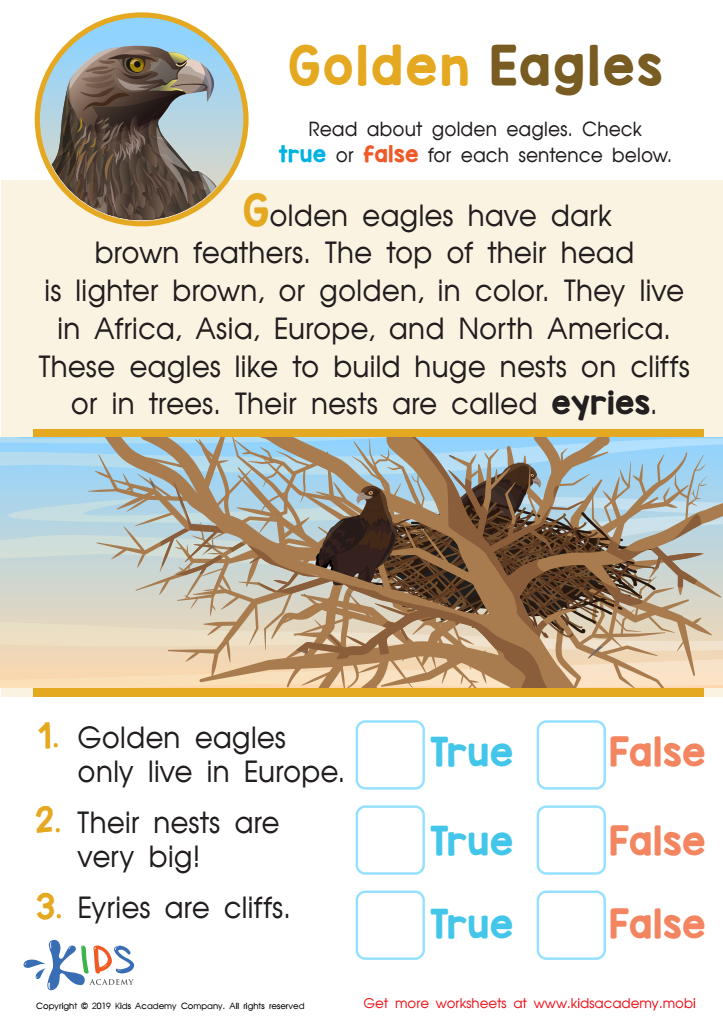
Golden Eagles Worksheet
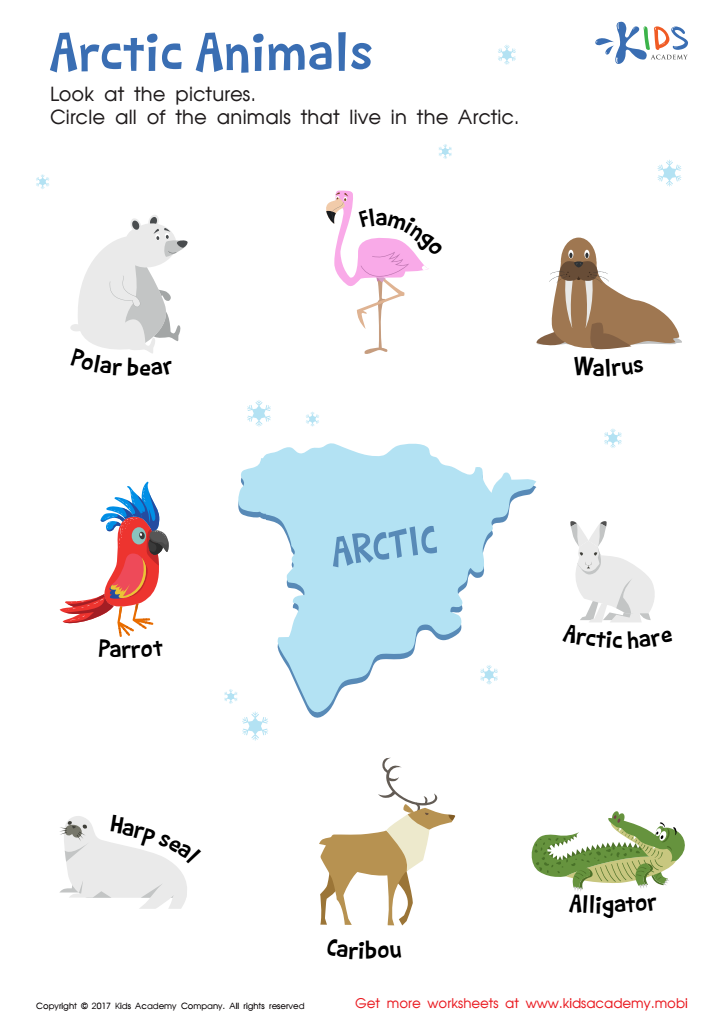
Arctic Animals Worksheet
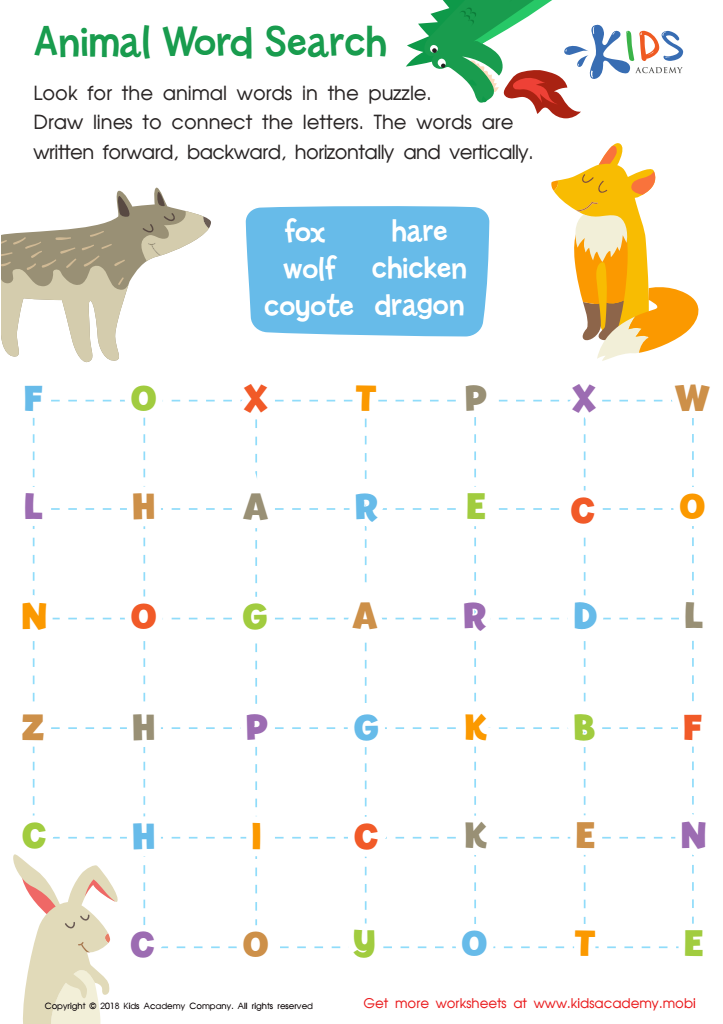
Animal Word Search Worksheet








Vocabulary building is a crucial component of early childhood education and significantly benefits the intellectual and academic growth of children aged 5-8. Introducing vocabulary related to normal plants and animals caters to their natural curiosity about the world around them while shaping their understanding of essential scientific concepts.
Learning the names, characteristics, and relationships of various plants and animals enriches children's language skills and deepens their comprehension of nature, fostering a sense of environmental awareness from an early age. It builds a foundation for lifelong learning, promoting critical thinking as children learn to describe, categorize, and compare different species.
Furthermore, early vocabulary development in science subjects boosts memory and cognitive skills. It prepares students for more advanced concepts in later school years by establishing fundamental categories for new knowledge. The familiar vocabulary helps them better grasp complex ideas and connect new information to what they already know, promoting logical thinking and problem-solving skills.
For both parents and teachers, focusing on vocabulary related to plants and animals ensures that children acquire a diverse and practical set of words—enabling effective communication and comprehension in a variety of contexts. Encouraging curiosity and engagement for these topics inspires a love for learning and respect for the natural world, influencing positive attitudes and behaviors towards nature as they grow.







