Critical Thinking Normal Geography Worksheets for Ages 5-8
4 filtered results
-
From - To
Explore our engaging Critical Thinking Normal Geography Worksheets, designed specifically for children aged 5-8! These worksheets stimulate young minds while developing essential geography skills through fun, interactive activities. Tailored to enhance critical thinking, they encourage students to analyze maps, comprehend spatial relationships, and draw conclusions about various geographical concepts. Each printable worksheet features attractive visuals and age-appropriate challenges that keep learning enjoyable and effective. Perfect for teachers and parents alike, our resources support a well-rounded social studies curriculum, paving the way for confident thinkers. Dive into the world of geography and empower your child’s cognitive development with our unique and enjoyable worksheets!
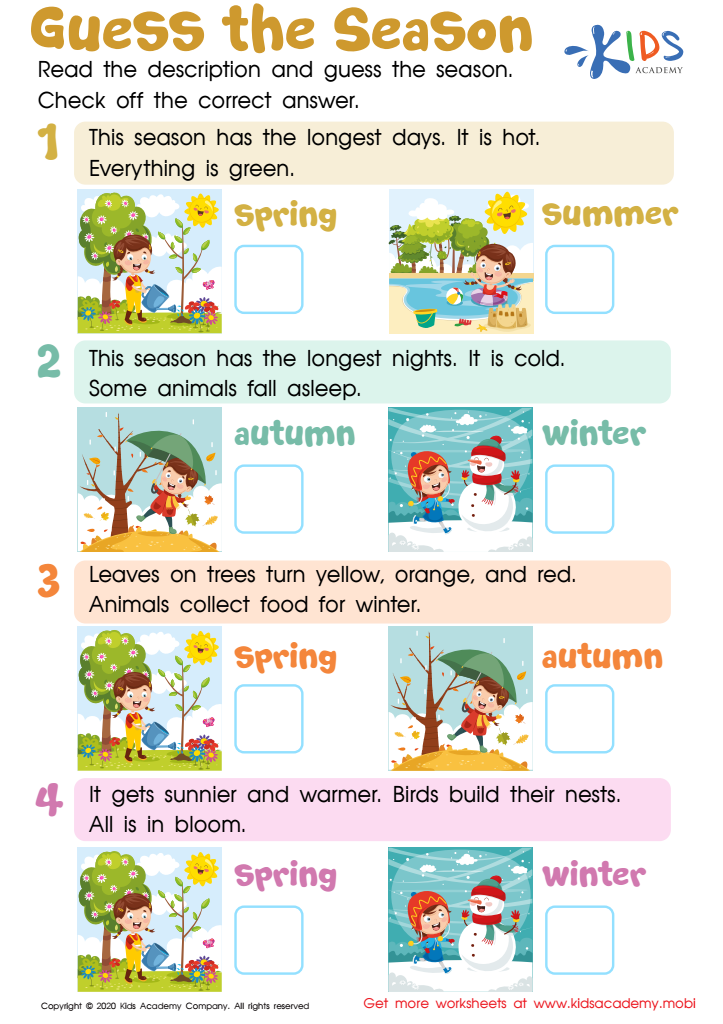
Guess the Season Worksheet
 Assign to My Students
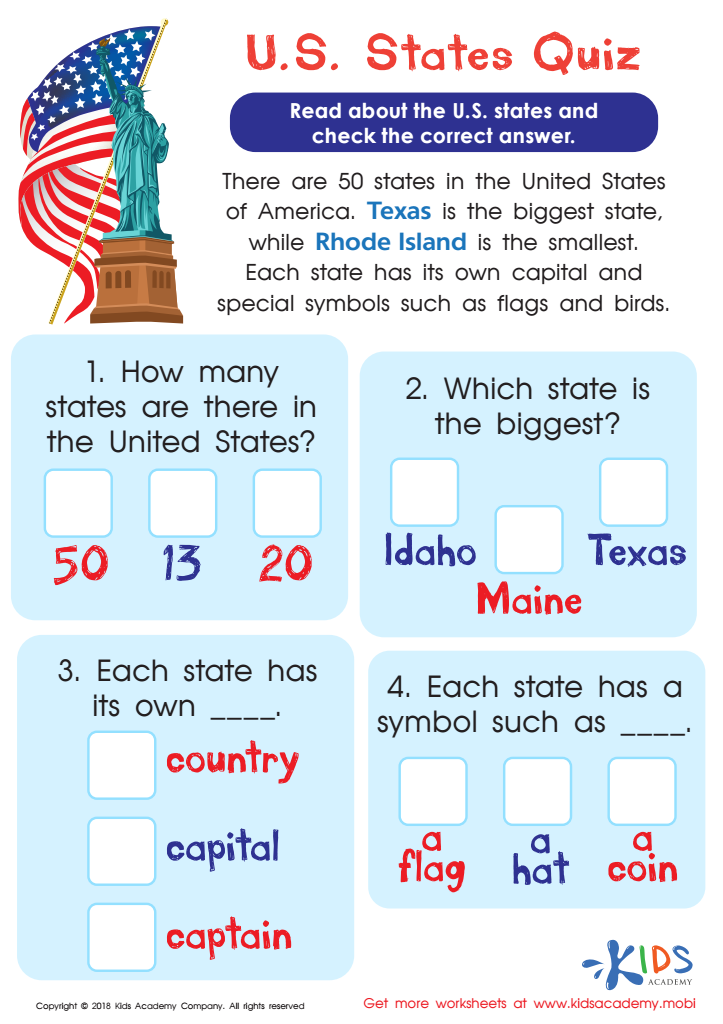
U.S. States Quiz Worksheet
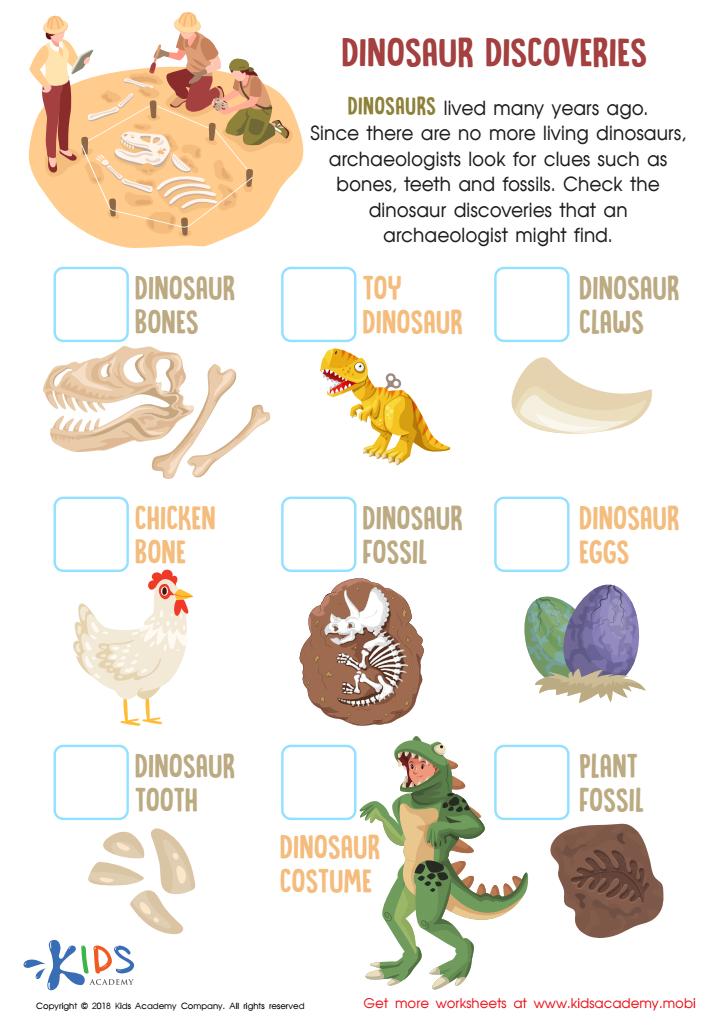
Dinosaur Discoveries Worksheet
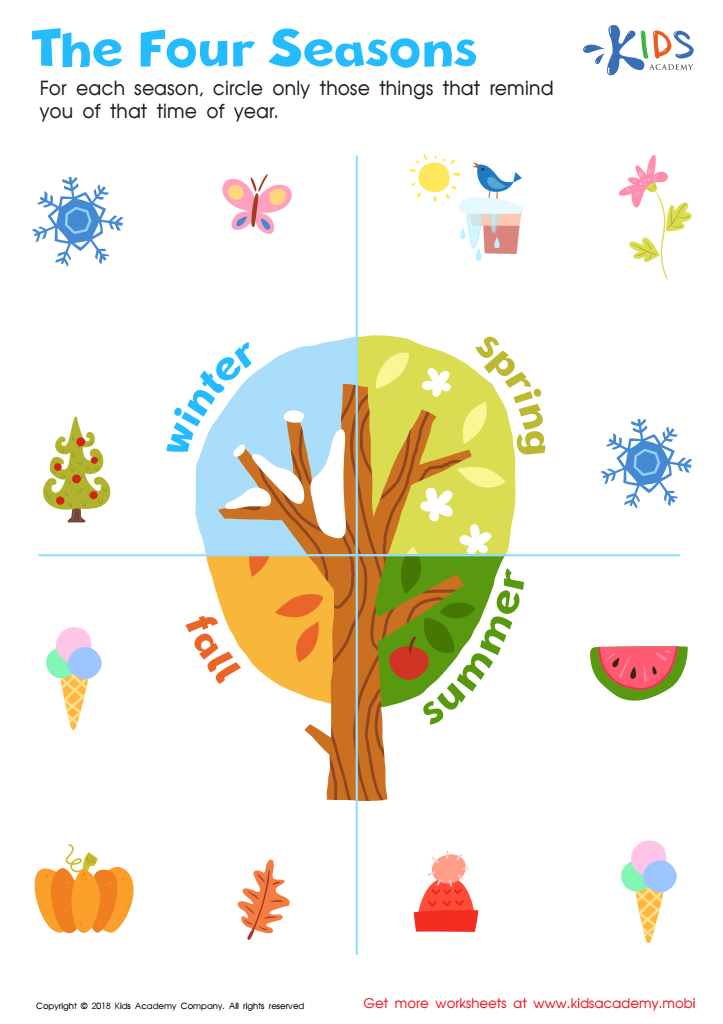
The Four Seasons Worksheet







Parents and teachers should prioritize Critical Thinking Normal Geography for ages 5-8 because it lays the foundation for essential skills that children will utilize throughout their education and lives. At this developmental stage, children are naturally curious and eager to explore the world around them. Introducing geography through critical thinking encourages them to ask questions, analyze information, and make connections between different concepts.
Understanding geographic principles not only promotes spatial awareness but also enhances problem-solving skills. By evaluating maps, identifying locations, and understanding the relationship between people and their environments, children develop a broader perspective of the world. This fosters empathy and cultural awareness, teaching them the importance of diversity and community.
Moreover, critical thinking in geography supports the development of literacy and numeracy skills. Activities like reading maps, interpreting data, or calculating distances incorporate various subject areas, reinforcing cross-curricular learning.
Ultimately, equipping young learners with geographic knowledge and critical thinking skills empowers them to navigate an increasingly complex world, making informed decisions about their environment and community. This foundational understanding prepares them for future academic challenges, cultivates responsible citizenship, and encourages lifelong learning.








