Vocabulary enhancement Normal Governance and Civics Worksheets for Ages 5-8
3 filtered results
-
From - To
Discover our engaging "Vocabulary Enhancement in Governance and Civics" worksheets, specially designed for ages 5-8. These educational resources introduce young learners to important concepts of governance and civics, enhancing their vocabulary and understanding. Each worksheet combines fun activities with essential learning, making complex topics approachable for children. With vibrant illustrations and interactive tasks, students can build their language skills while gaining insight into societal structures and their roles as citizens. Perfect for classroom use or at-home learning. Encourage your child's curiosity about the world with these thoughtfully crafted worksheets that foster critical thinking and awareness from an early age.
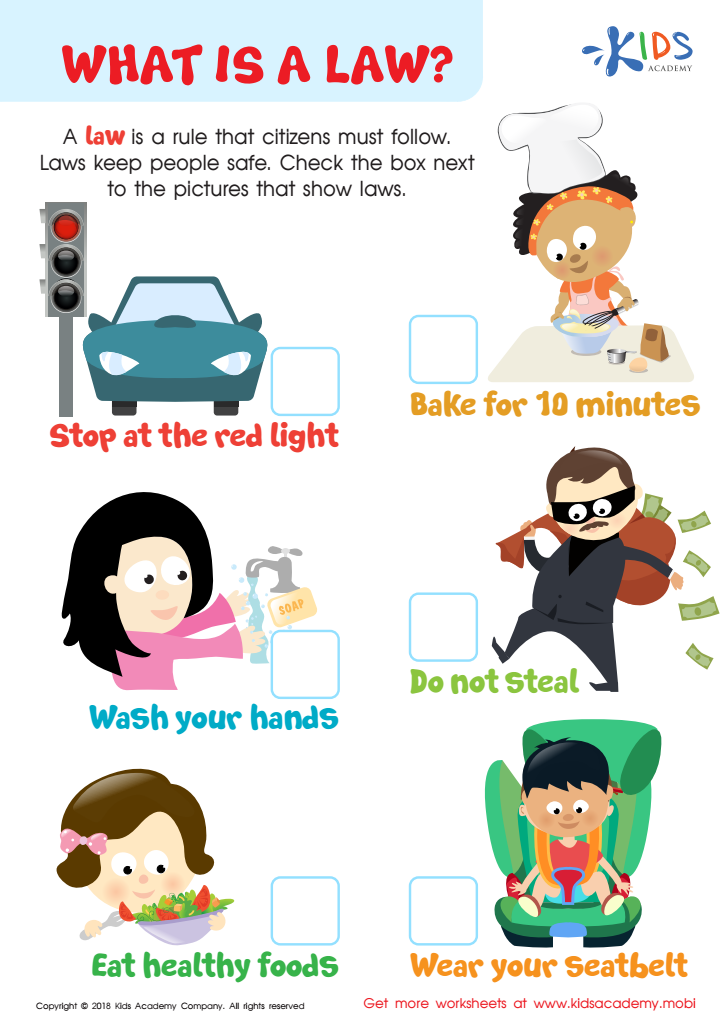
What is a Law? Worksheet
 Assign to My Students
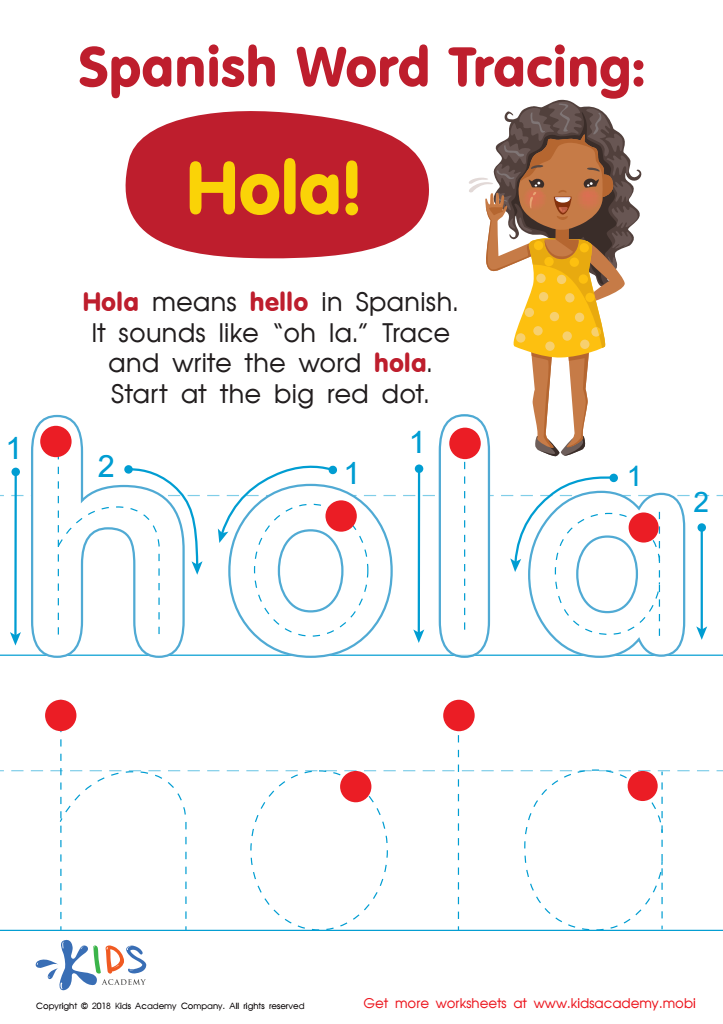
Spanish Word Tracing: Hola Worksheet
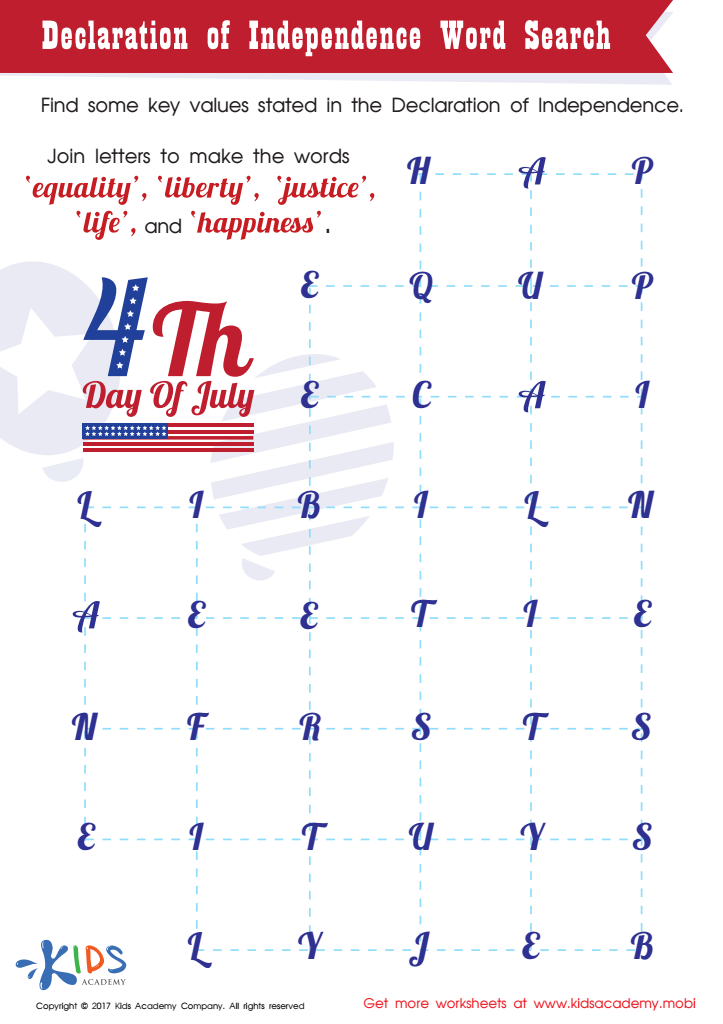
Declaration of Independence Word Search Printable


Vocabulary enhancement, normal governance, and civics education play a crucial role in early childhood (ages 5-8) because they lay a strong foundation for lifelong learning and responsible citizenship. At this developmental stage, children's brains are exceptionally receptive to language acquisition. By enriching their vocabulary, parents and teachers equip them with the tools needed for effective communication, comprehension, and critical thinking—all of which are essential in academic success and everyday interactions.
Understanding basic governance and civics at a young age fosters a sense of social responsibility and community awareness. Introducing these concepts early helps children grasp the importance of rules, cooperation, and respect for others. Knowledge of simple governance structures—like how a classroom or family operates—can extend to understanding broader societal systems as they grow older. This early exposure cultivates informed, responsible future citizens who are more likely to participate actively in their communities and uphold democratic values.
Parents and teachers investing in vocabulary, governance, and civics education help children build confidence and a sense of belonging, promote intellectual growth, and support the development of informed, empathetic individuals who can contribute thoughtfully and positively to society. Thus, it's evident that integrating these elements into early education is beneficial for both personal development and the collective good.








