Weather identification Normal Weather Worksheets for Ages 5-8
3 filtered results
-
From - To
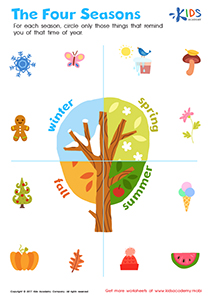
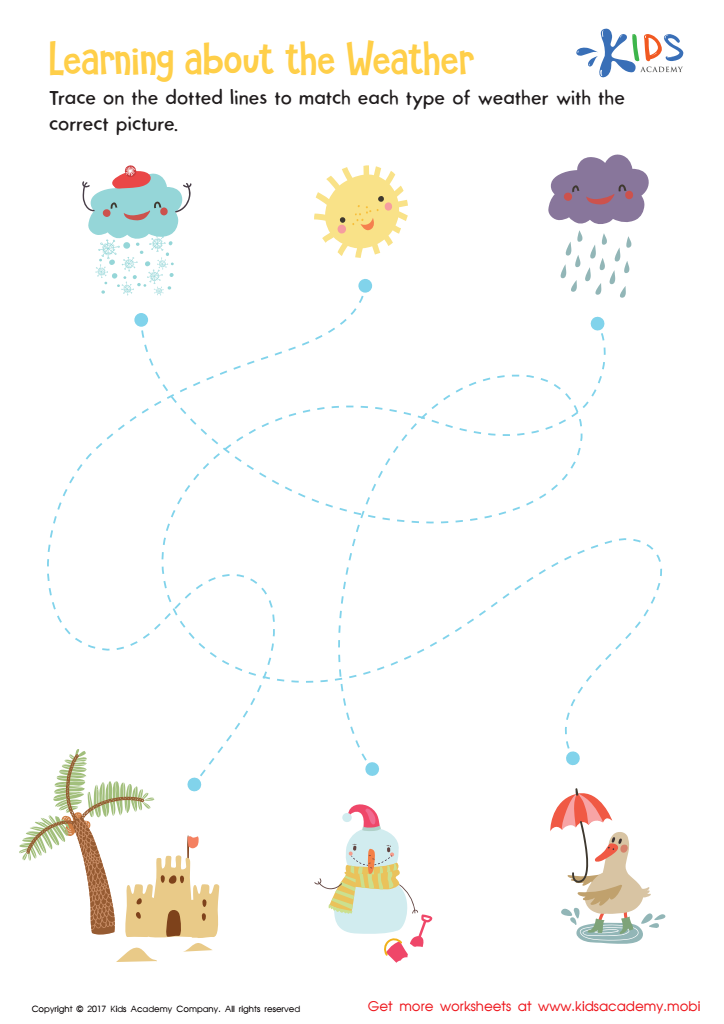
Discover the engaging "Weather Identification Normal Weather Worksheets" designed for children ages 5-8! These thoughtfully crafted worksheets help young learners explore and identify various weather patterns and conditions. With charming visuals and fun activities, kids will enhance their understanding of sunny, rainy, snowy, and windy days. Our resources foster critical thinking and observational skills while keeping learning interactive and enjoyable. Perfect for home or classroom use, these worksheets align with early education standards and aim to nurture a love for learning about the world around them. Download your set today and let your child embark on an exciting weather adventure!
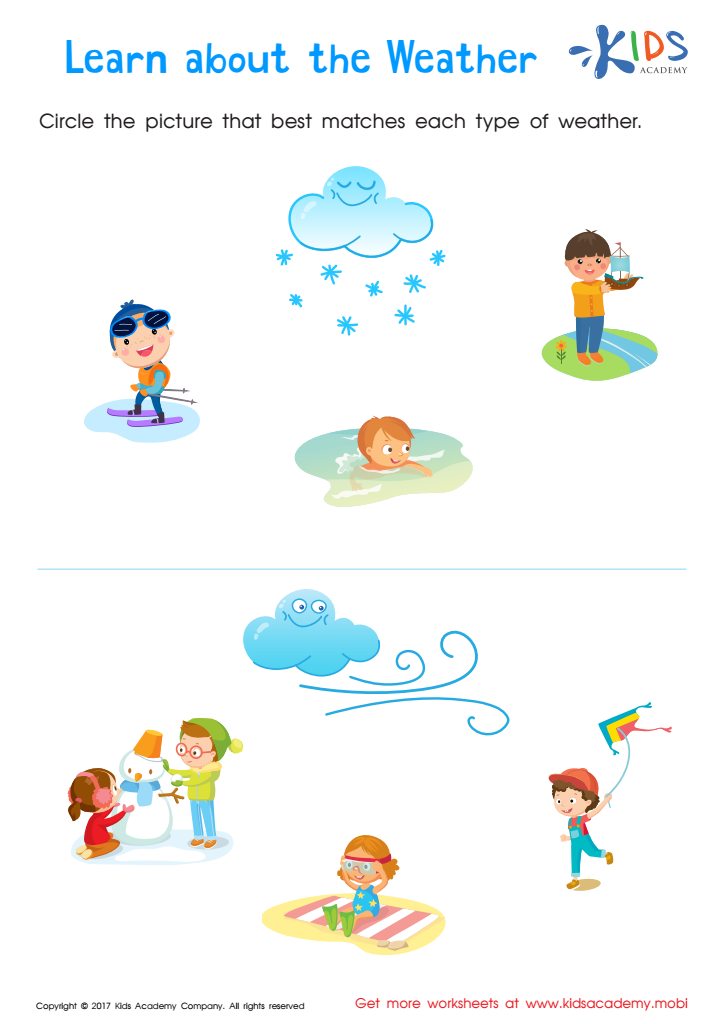
About the Weather Printable
 Assign to My Students
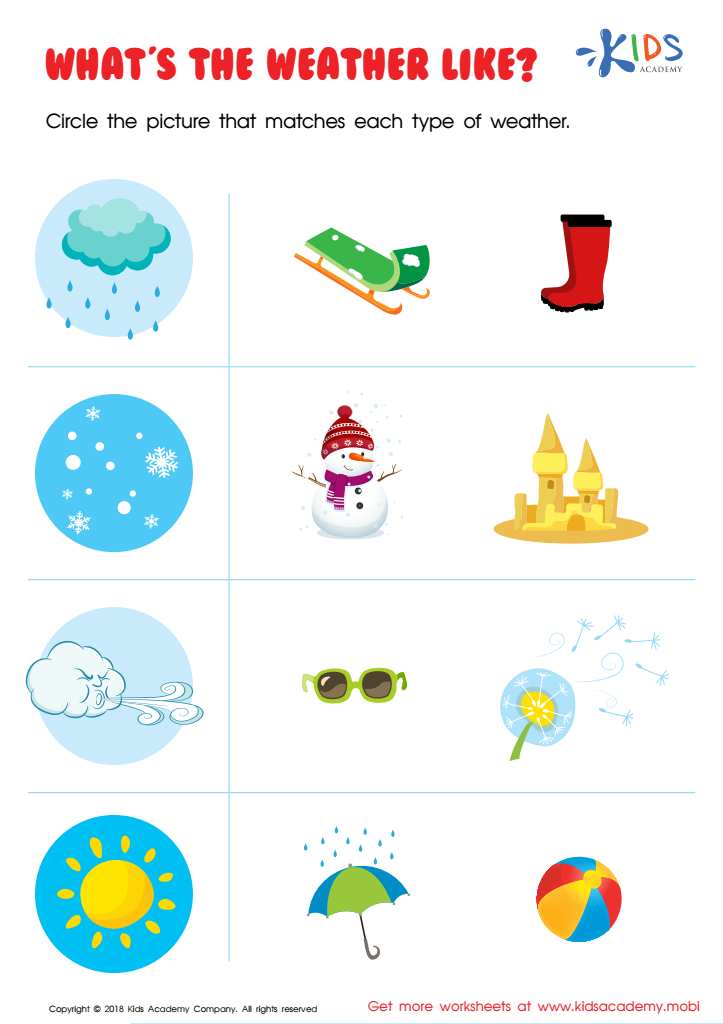
What's the Weather Like? Worksheet




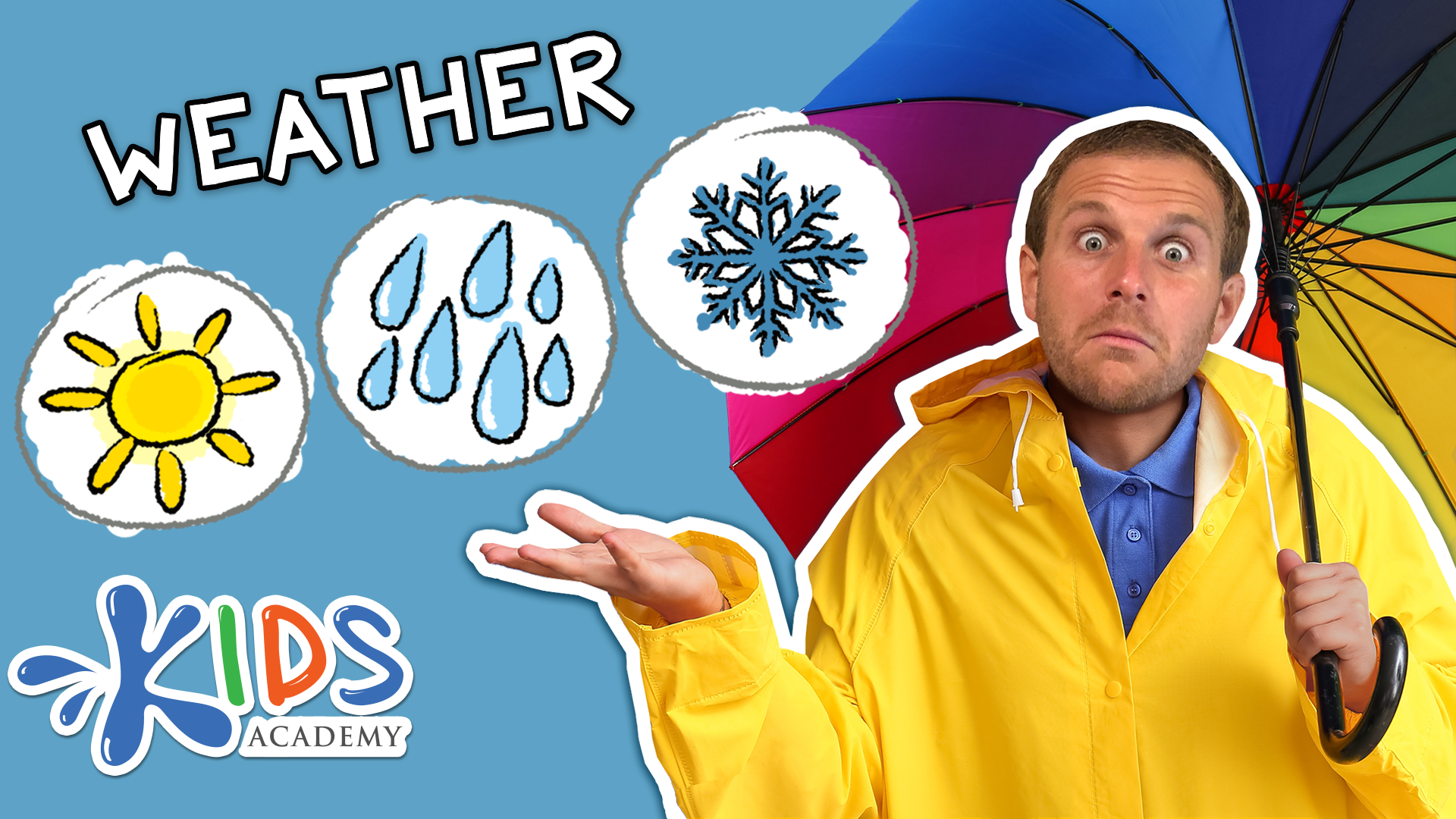



Understanding weather identification is vital for children aged 5-8 as it lays the foundation for their awareness of the environment. Knowing the different types of weather—sunny, rainy, windy, or snowy—helps children relate to the world around them and encourages curiosity about nature. This knowledge fosters a sense of safety; for instance, recognizing stormy weather prompts appropriate actions like staying indoors, which is crucial for their well-being.
Moreover, weather discussions enhance critical thinking skills as kids analyze and predict weather patterns. Teachers and parents can use weather as a fun teaching tool, integrating science, geography, and language arts. Through storytelling or weather-themed activities, children improve their communication skills while learning new vocabulary related to weather conditions.
Weather education also promotes mindfulness about climate connections and environmental stewardship. Teaching children how weather affects daily life emphasizes the need for respect for nature and promotes awareness of climate change impacts. By engaging in weather identification, children develop observant habits, build scientific concepts, and nurture a lifelong connection with the outdoors, ultimately fostering a more informed, responsible generation. Thus, it is essential for parents and teachers to prioritize weather education for the holistic development of young learners.