Contextual understanding Normal Grammar Worksheets for Ages 5-8
4 filtered results
-
From - To
Introduce your child to essential grammar skills with our Contextual Understanding Normal Grammar Worksheets, specifically designed for ages 5-8. These engaging and age-appropriate activities will help young learners grasp the nuances of language in context, enhancing their reading and writing abilities. Each worksheet fosters critical thinking and reinforces understanding through fun exercises that embrace diverse learning styles. As children explore grammar concepts within relatable scenarios, they build a solid foundation for effective communication. Our commitment to educational excellence ensures that every worksheet is aligned with developmental standards, making learning both enjoyable and effective. Start nurturing your child’s language skills today!
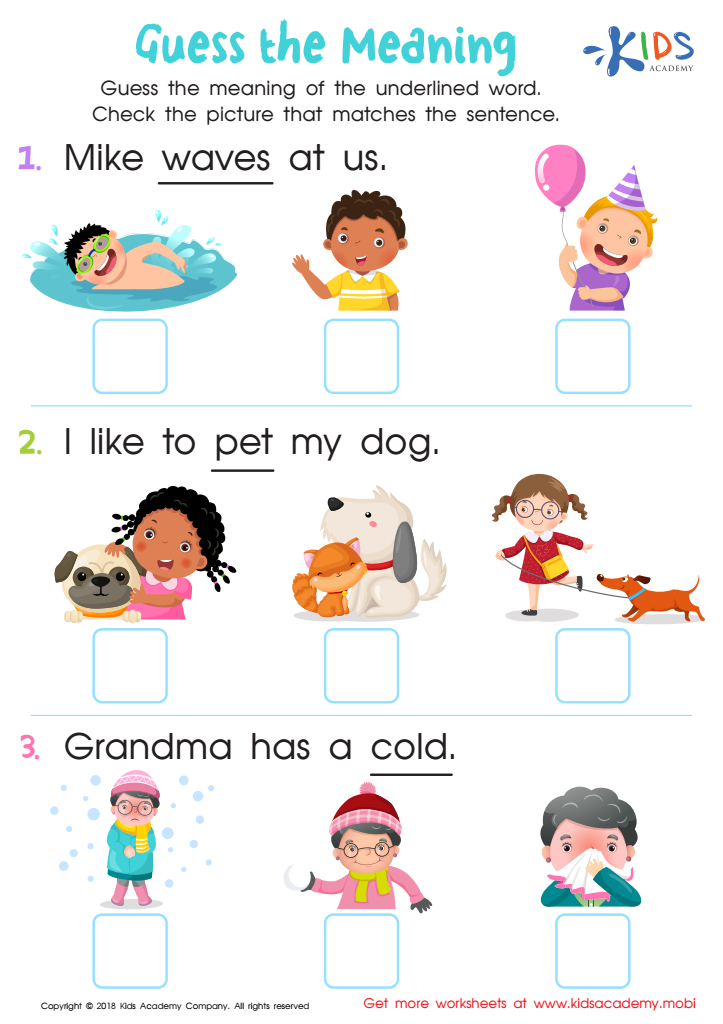
Guess the Meaning Worksheet
 Assign to My Students
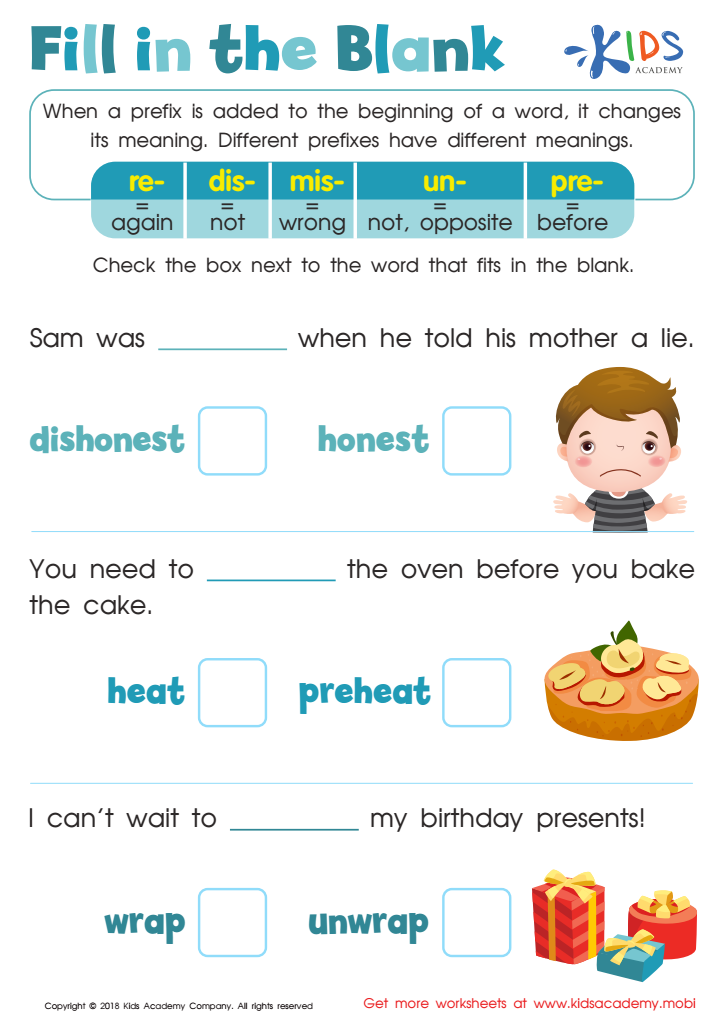
Reading: Fill in the Blank Worksheet
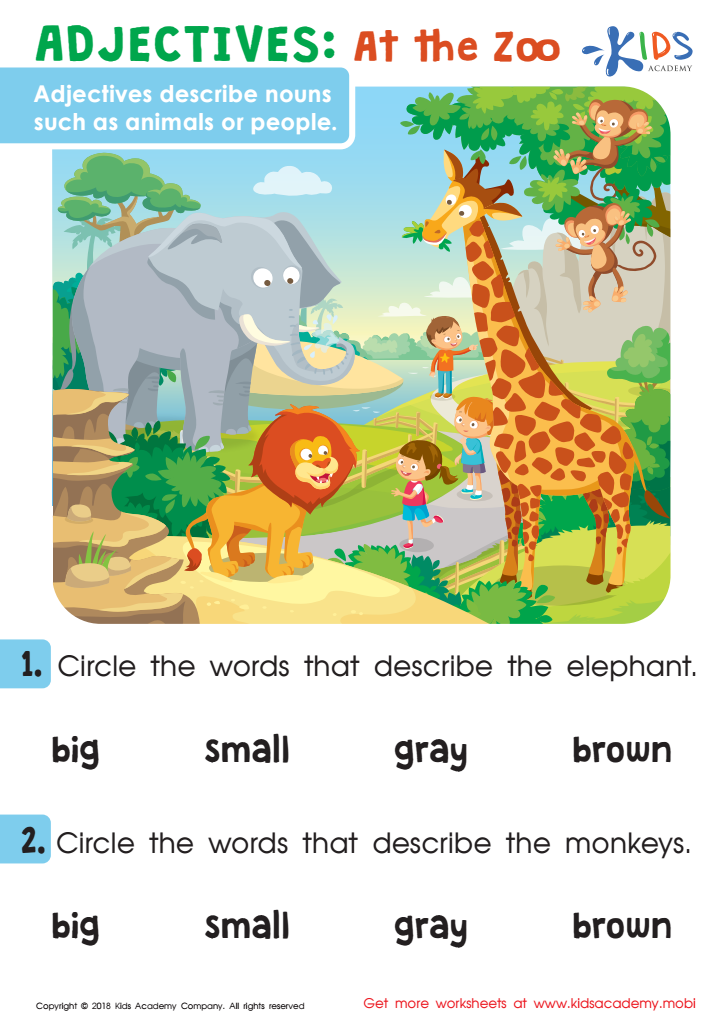
Adjectives: At The Zoo Worksheet
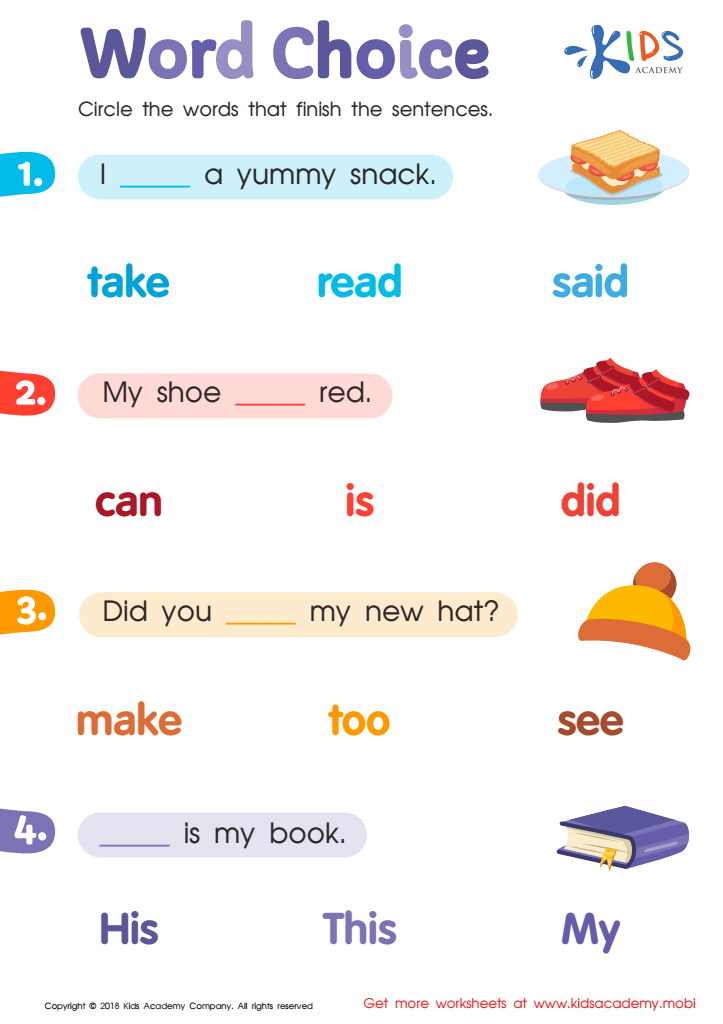
Word Choice Worksheet




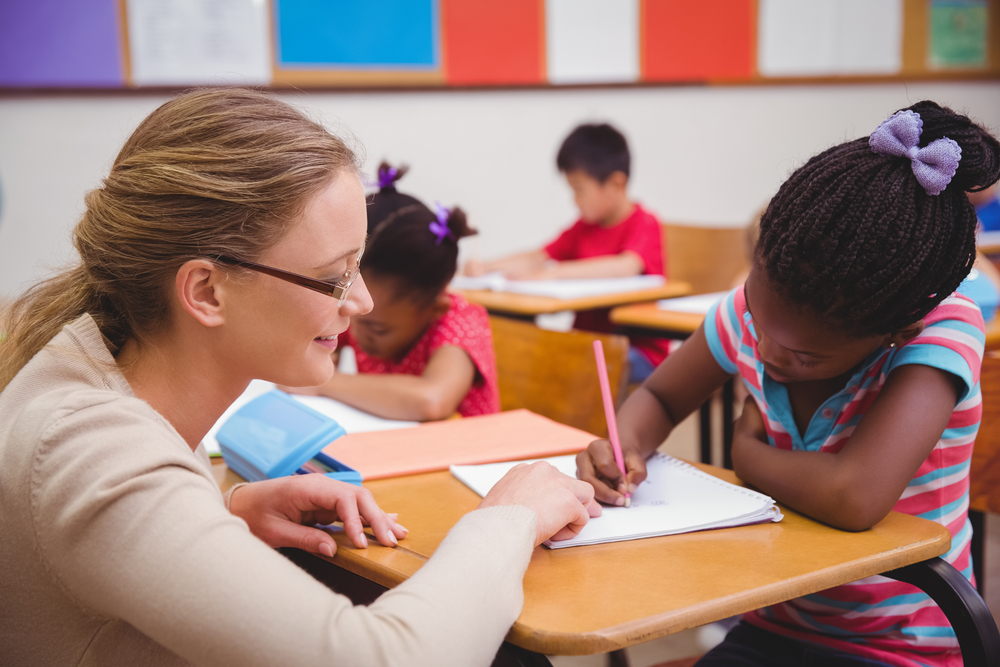
.jpg)


Contextual understanding of normal grammar is crucial for children aged 5-8 as it lays the foundation for effective communication skills. At this age, children are blending their grasp of language with their developing cognitive skills. When teachers and parents focus on grammar in context, they help children see how language functions in real-life situations rather than as mere rules to memorize.
Understanding grammar provides children with the tools to express their thoughts, feelings, and ideas clearly and accurately. It enhances their reading comprehension, allowing them to make sense of stories and texts by grasping nuances in meaning and intention. Moreover, when children understand how context influences grammar—like using different tenses or forms based on the situation—they expand their ability to engage socially and academically.
Additionally, contextual grammar understanding nurtures critical thinking and problem-solving skills, empowering children to approach language flexibly. For parents and teachers, fostering a robust language environment means embracing playful, contextual language experiences, which improve writing skills and boost confidence. This understanding is not merely academic; it significantly impacts children's social interactions, self-expression, and lifelong learning. Supporting this aspect of language development is vital for nurturing enthusiastic and effective communicators.