Vocabulary development Normal Grammar Worksheets for Ages 5-8
5 filtered results
-
From - To
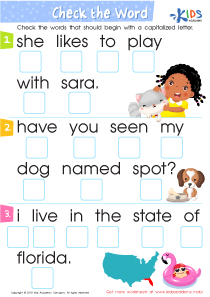
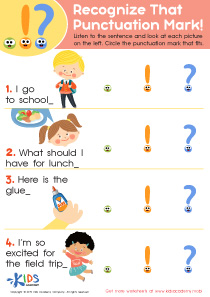
Boost your child's vocabulary development with our engaging Normal Grammar Worksheets designed for ages 5-8! Our resources provide colorful and interactive activities that inspire young learners to enhance their language skills and express themselves confidently. Each worksheet is tailored to reinforce understanding of word meanings, rich vocabulary, and essential grammar concepts through fun exercises. With easy-to-follow instructions and captivating illustrations, kids will love mastering new words while improving their communication abilities. Perfect for use at home or in the classroom, these worksheets are a valuable tool for fostering a lifelong love of learning. Start your child’s vocabulary journey today!
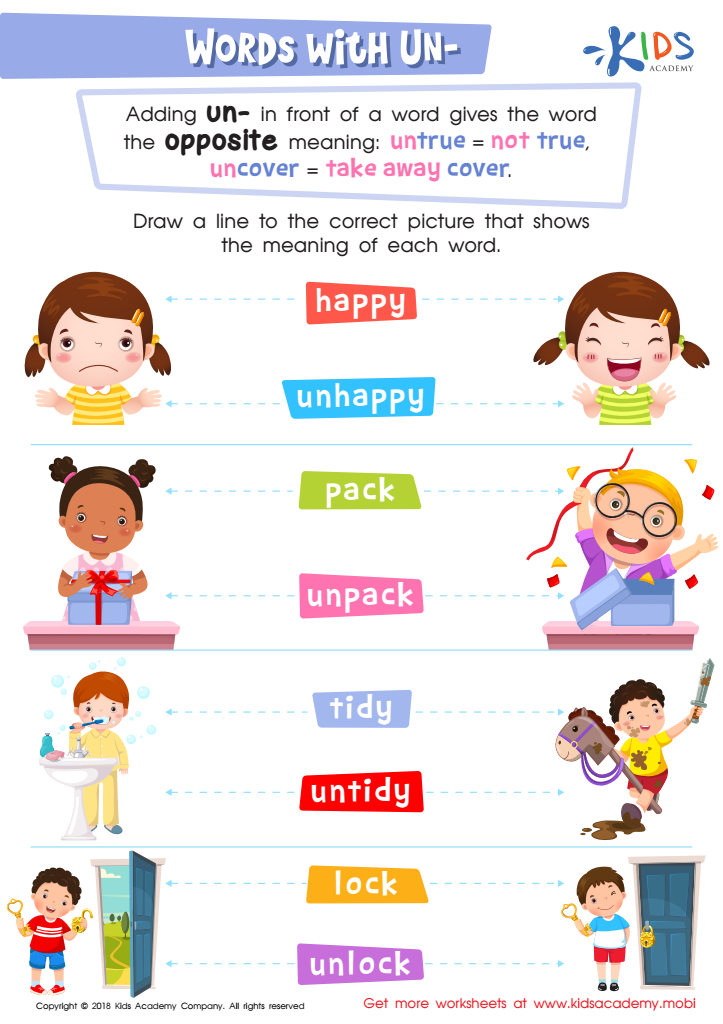
Words with Un– Worksheet
 Assign to My Students
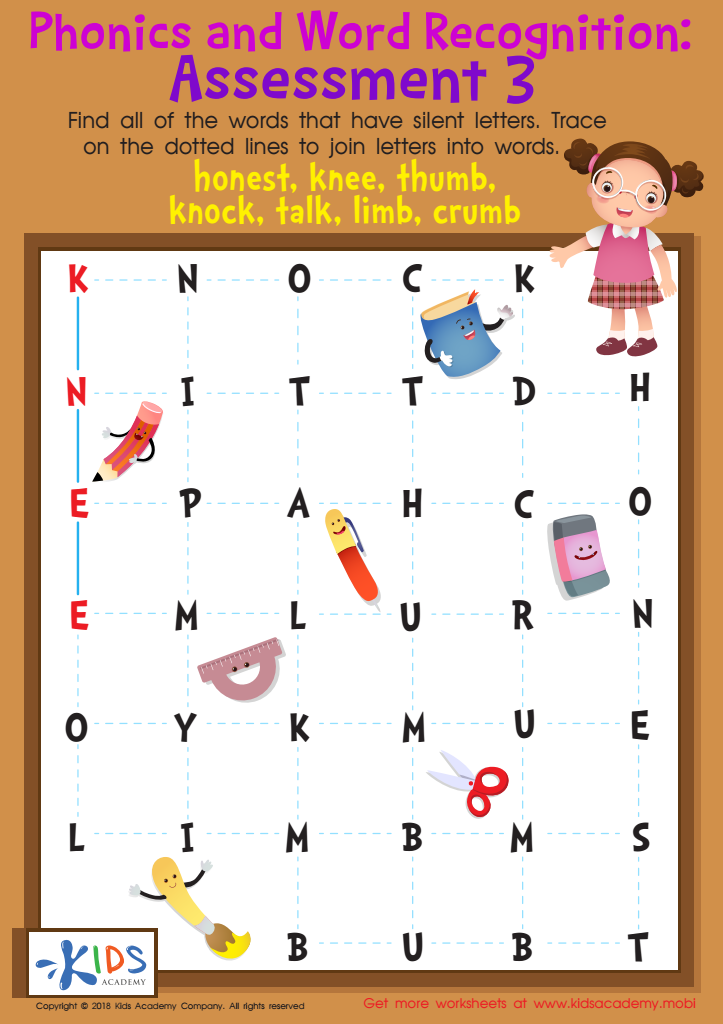
Phonics and Word Recognition: Assessment 3 Worksheet
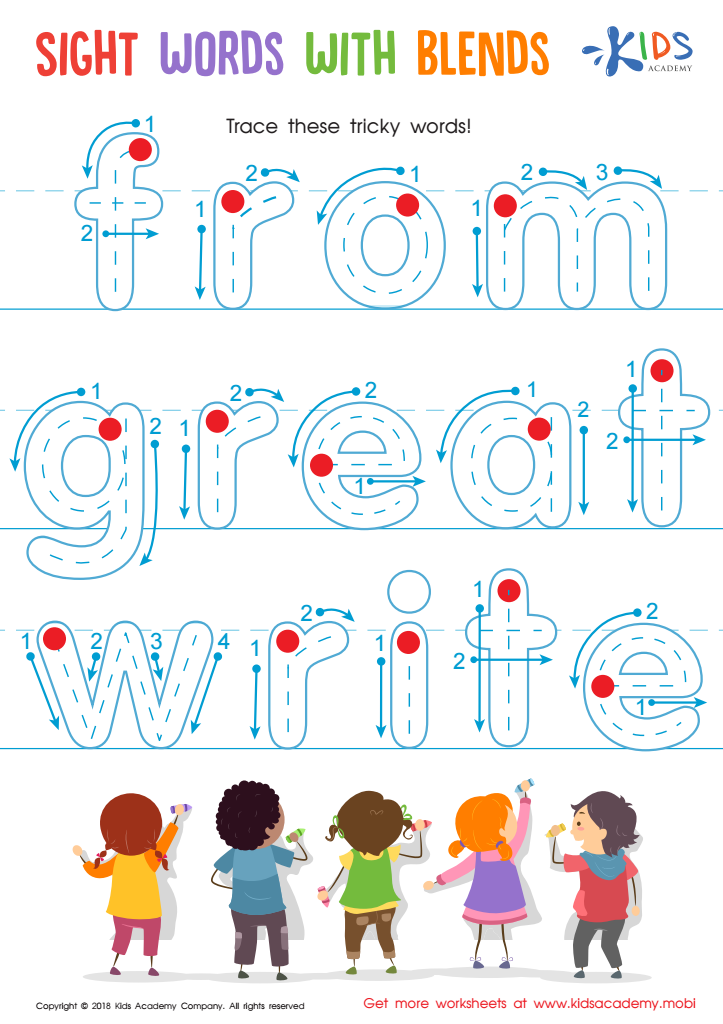
Sight Words with Blends Worksheet
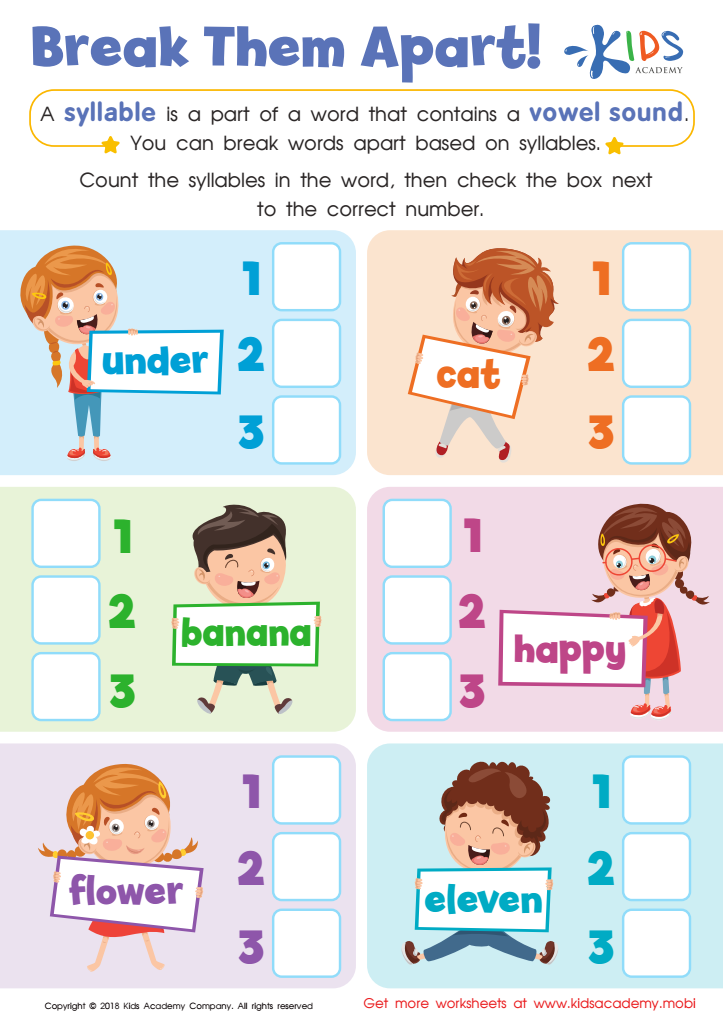
Reading: Break Them Apart Worksheet
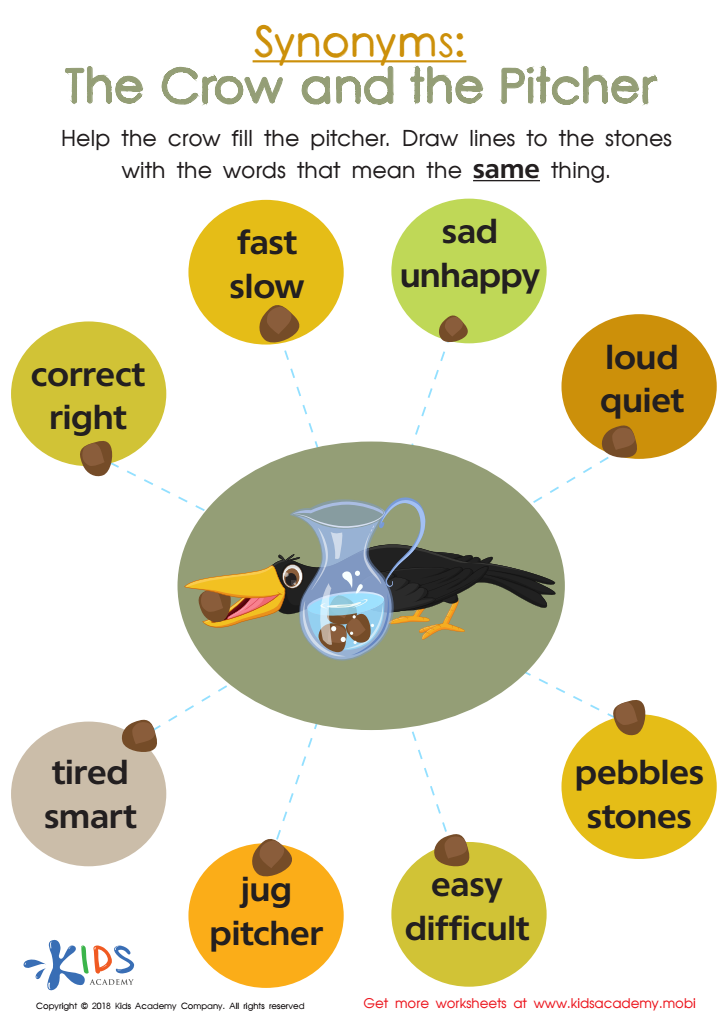
The Crow and the Pitcher Synonyms Worksheet








Vocabulary development is crucial for children aged 5-8 as it lays the foundation for effective communication and academic success. At this age, children are rapidly acquiring language skills, beginning to read, and express their thoughts. A rich vocabulary helps them articulate their feelings, share ideas, and engage in conversations, enhancing their social interactions and self-confidence.
Moreover, vocabulary skills are closely linked to comprehension. As children encounter new words in books, conversations, and lessons, understanding these words is vital for grasping broader concepts. Without a strong vocabulary, children may struggle to make sense of what they read or hear, hindering their learning and critical thinking abilities.
Parents and teachers play a pivotal role in fostering vocabulary growth. This can be achieved through reading together, discussing new words, incorporating diverse language in everyday dialogue, and encouraging explorative play that introduces new vocabulary. By prioritizing vocabulary development, adults not only enhance children's language skills but also promote literacy, cognitive development, and emotional intelligence—all essential elements for lifelong learning. Ultimately, investing time and effort in this area will yield significant benefits for children's academic and personal growth.