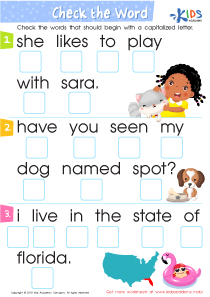
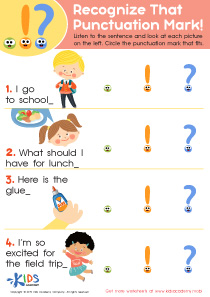
Handwriting improvement Normal Writing Worksheets for Ages 5-8
5 filtered results
-
From - To
Enhance your child's writing skills with our Handwriting Improvement Normal Writing Worksheets, specially designed for ages 5-8! These engaging and interactive worksheets focus on developing neatness, consistency, and control in handwriting. Through fun activities and guided exercises, children will practice letter formations, word spacing, and proper grip techniques. Our worksheets cater to various learning styles, ensuring that each child can progress at their own pace. Ideal for home or classroom use, these resources help build confidence and foster a love for writing. Elevate your child's handwriting abilities today and set them up for success in their academic journey!
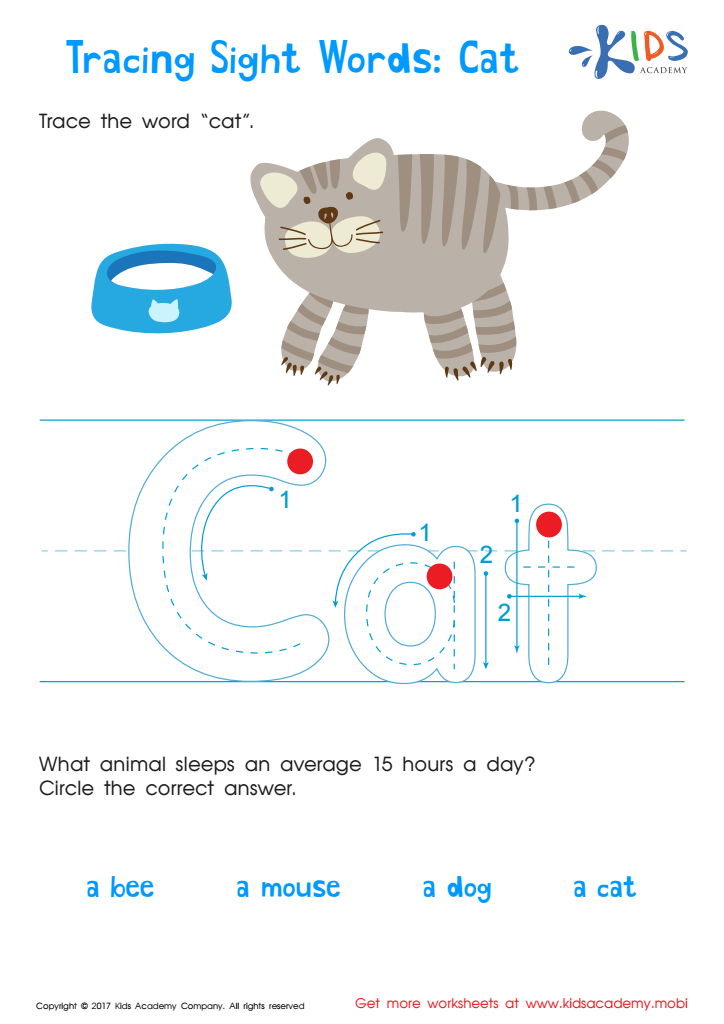
Cat Printable Sight Words Worksheet
 Assign to My Students
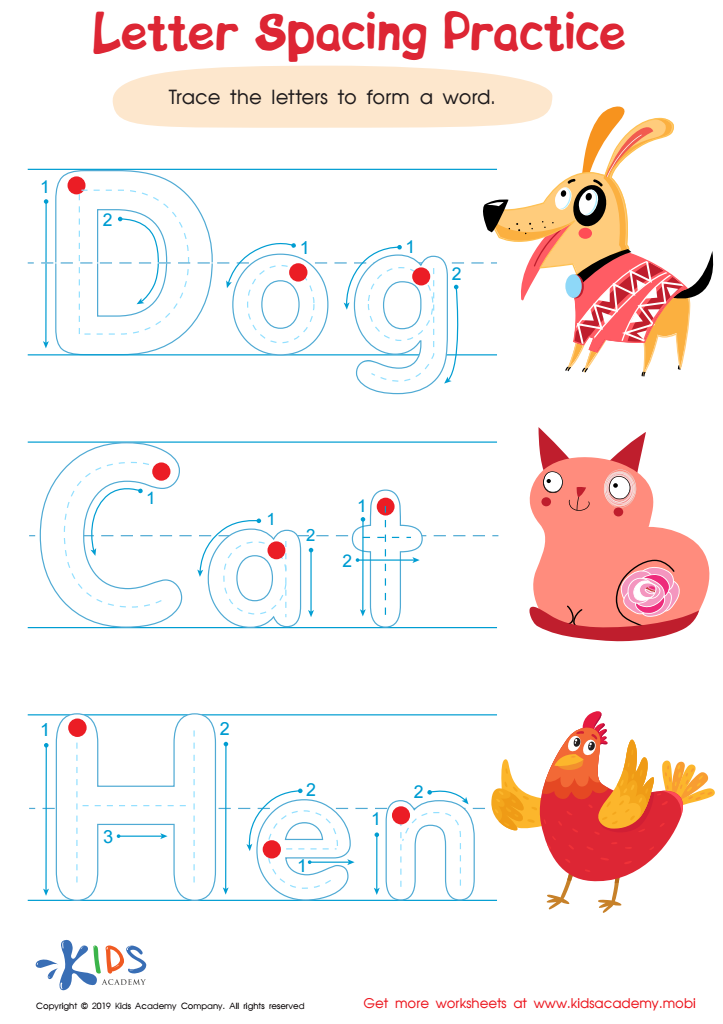
Letter Spacing Practice Worksheet
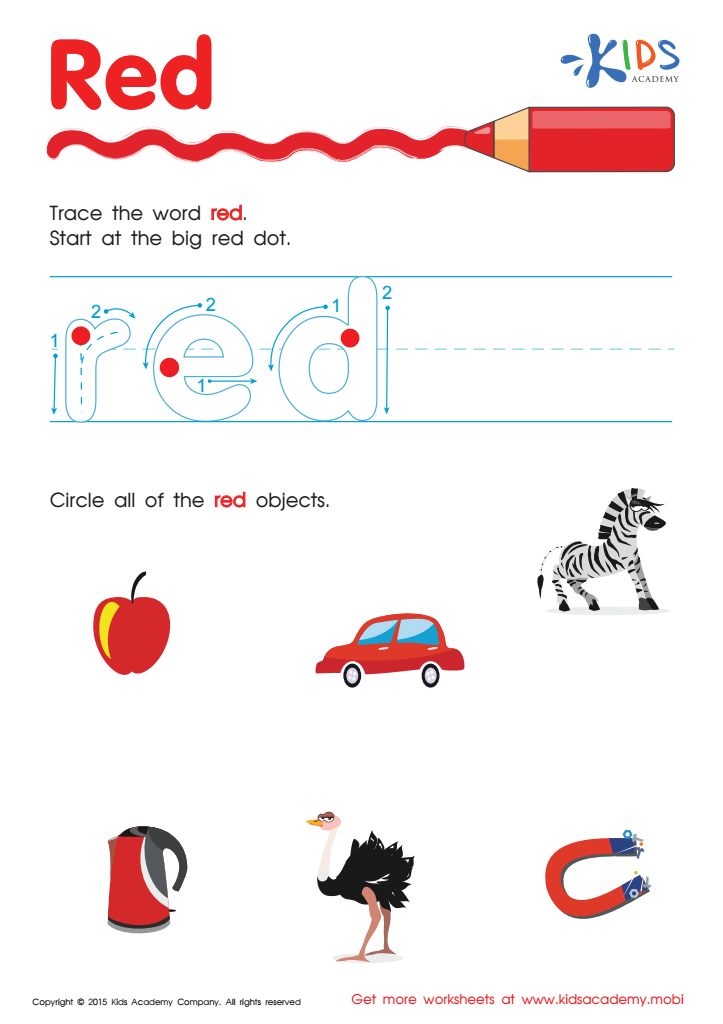
Red Tracing Color Words Printable
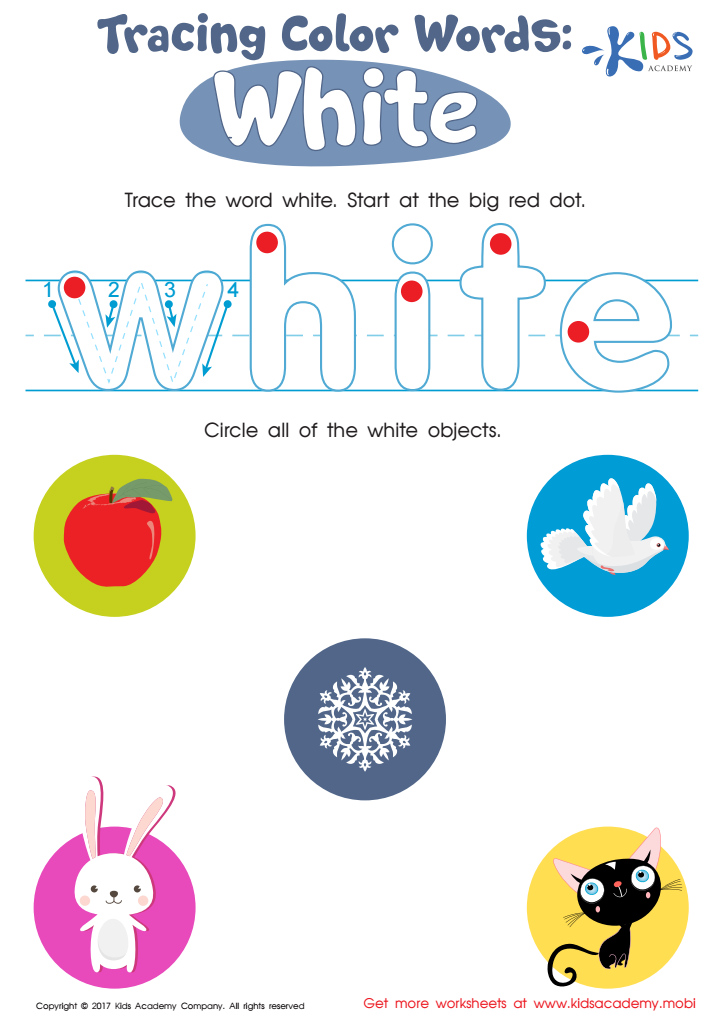
White Tracing Color Words Worksheet
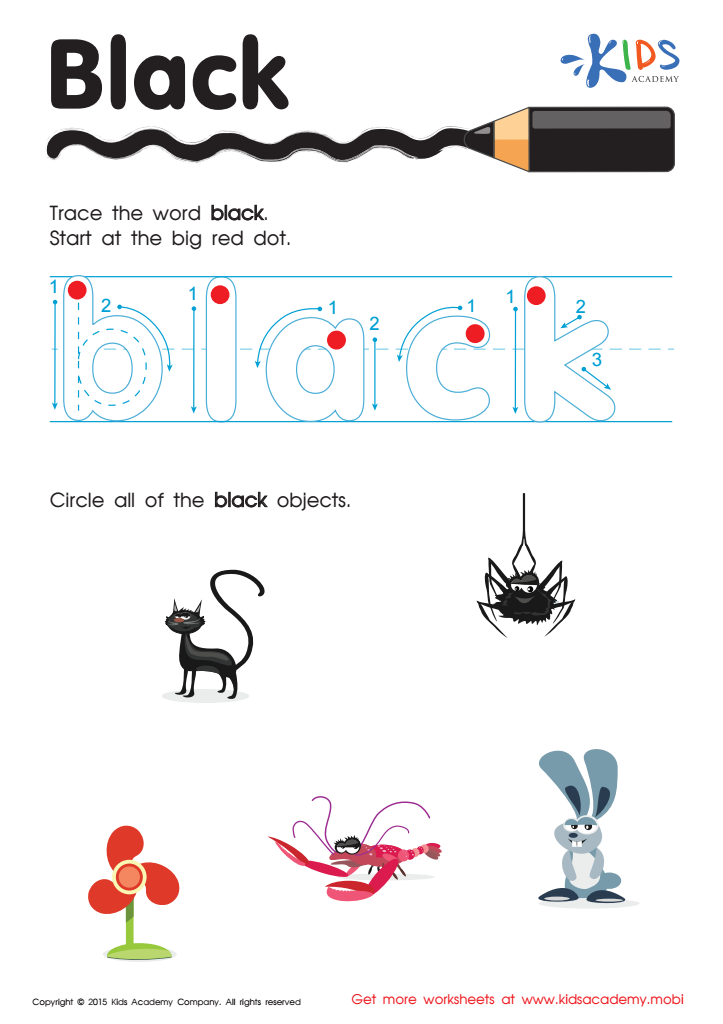
Black Tracing Color Words Printable


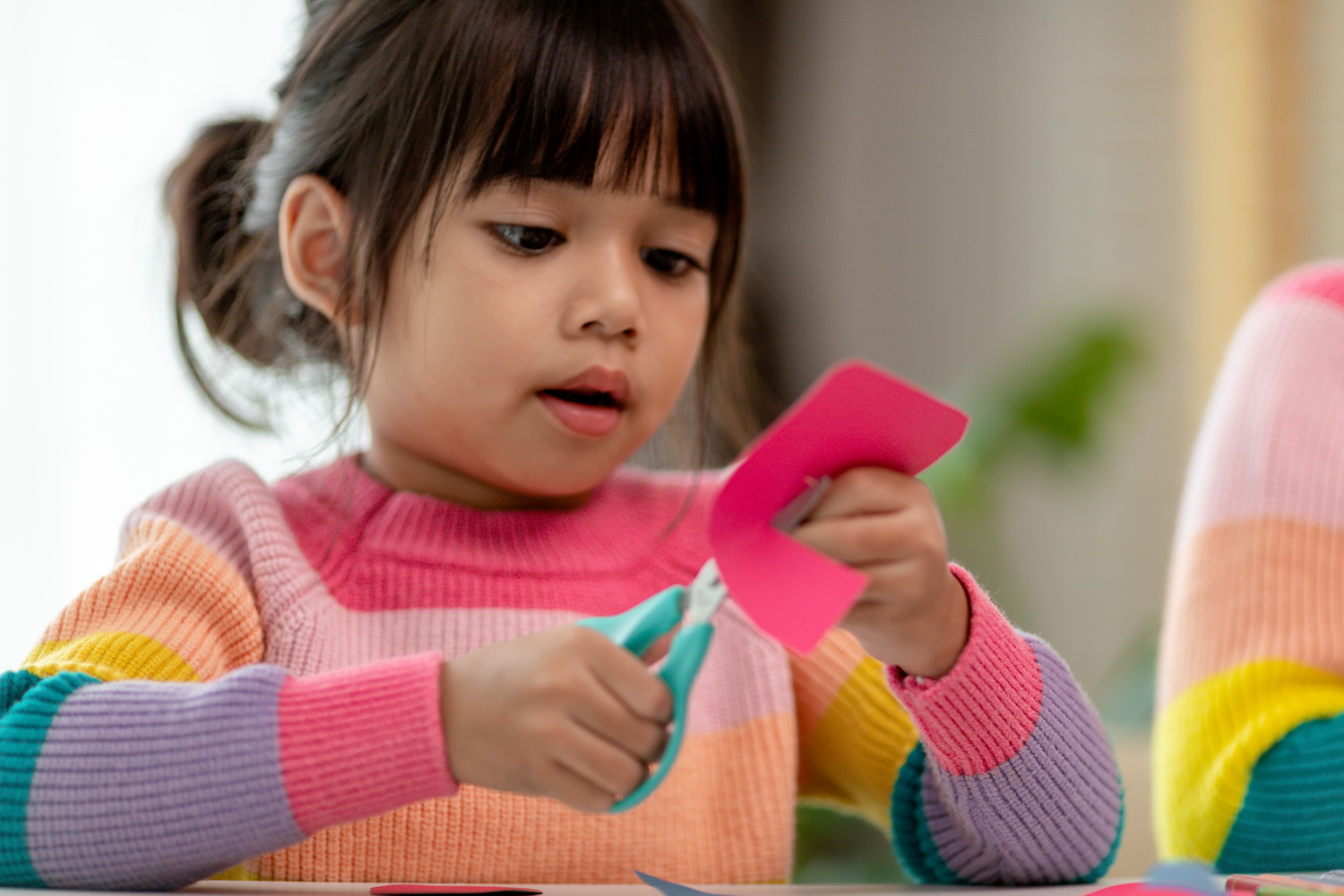





Handwriting improvement is crucial for children aged 5-8, as it lays the foundation for effective communication and academic success. During these formative years, children are developing essential motor skills and cognitive abilities. Encouraging proper handwriting techniques helps in fine motor skill development, enhancing hand-eye coordination, and fostering concentration.
Good handwriting is not just about neatness; it promotes confidence in children as they share their thoughts and ideas in writing. As they learn to express themselves clearly, they grow more engaged in their learning experiences. Poor handwriting can lead to frustration, impacting academic performance, especially in subjects like spelling and writing that require clarity and organization.
Moreover, handwriting encourages cognitive processes like planning, organizing, and sequencing thoughts. Teachers who prioritize handwriting improvement help children build critical thinking skills that are vital for overall development. Parents should also be involved, as home practice can reinforce what is learned in the classroom. Incorporating fun activities like drawing or using different writing tools can make practice enjoyable.
In summary, handwriting improvement for children aged 5-8 is essential not only for academic achievement but also for personal growth. Parents and teachers play pivotal roles in fostering these skills, guiding children toward effective communication.