Letter recognition Normal Tracing Words Worksheets for Ages 5-8
3 filtered results
-
From - To
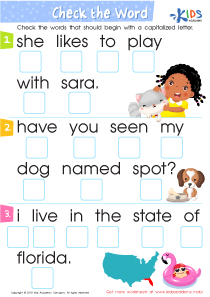
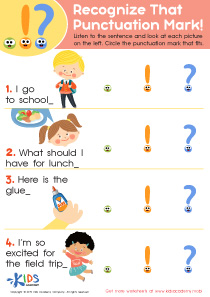
Our Letter Recognition Normal Tracing Words Worksheets for ages 5-8 are specially designed to help young learners master the alphabet and enhance their early writing skills. With a variety of engaging activities, these worksheets focus on improving letter recognition, pencil control, and word formation. Each worksheet provides ample practice for tracing and identifying letters within the context of simple words, fostering confidence and competence in young readers and writers. Ideal for classrooms and homeschooling, these worksheets turn learning into a fun and productive experience, laying a strong foundation for literacy development. Unlock your child's potential with our expertly crafted tracing resources.
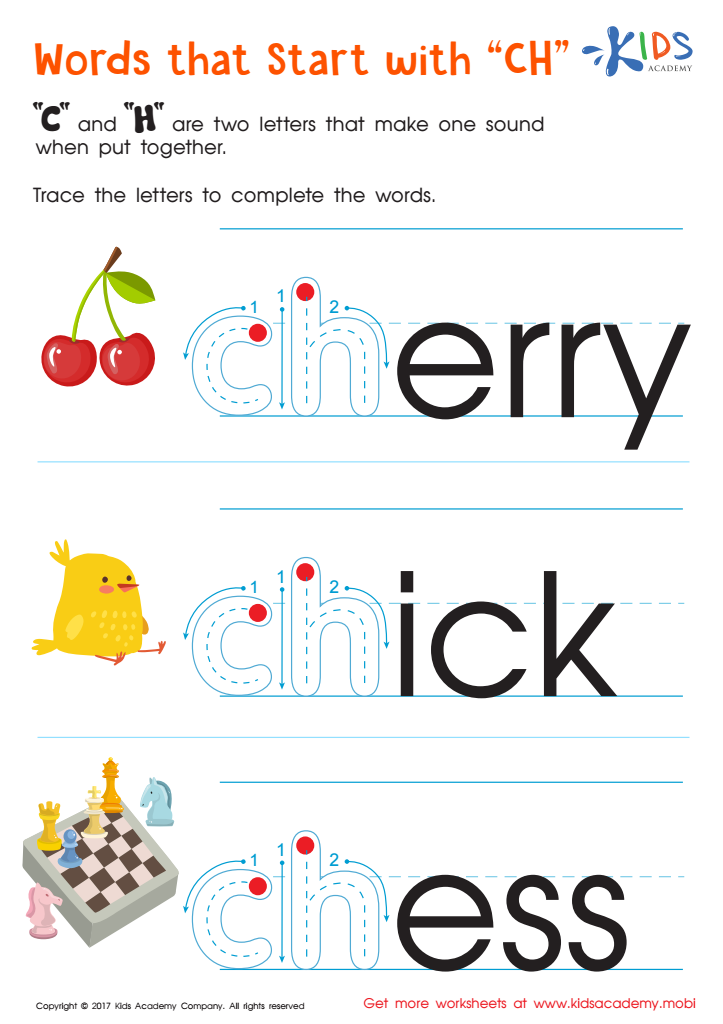
Words That Start with "ch" Spelling Worksheet
 Assign to My Students
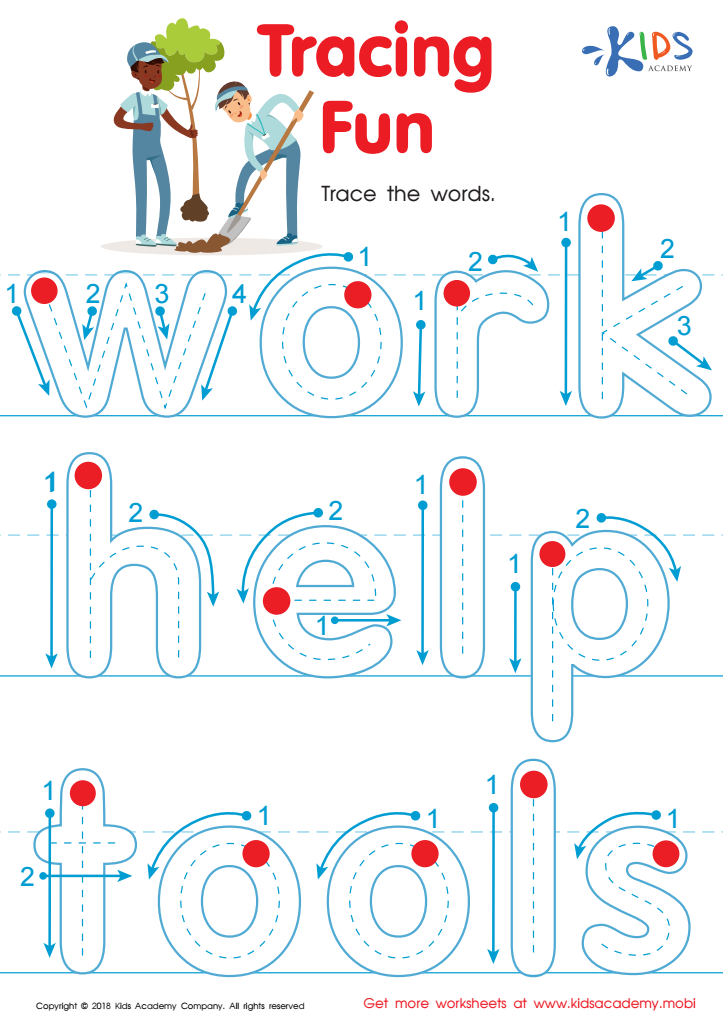
Tracing Fun Worksheet
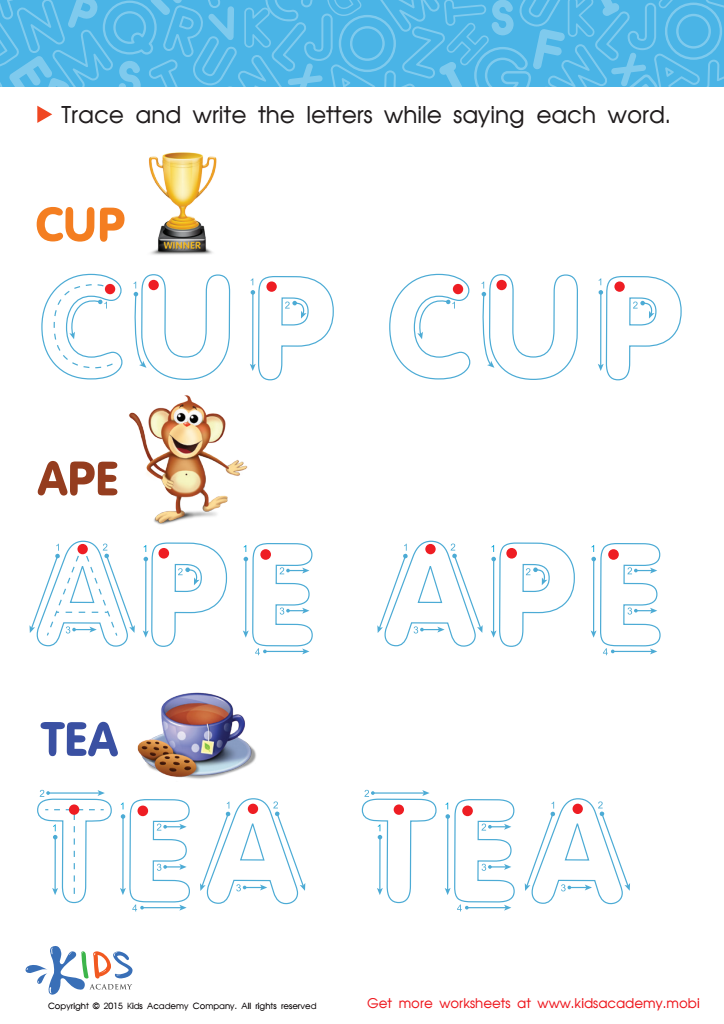
A Cup, an Ape and Tea Spelling Worksheet








Letter recognition and normal tracing are foundational skills pivotal for children ages 5-8 as they embark on their educational journey. These skills form the bedrock of literacy, essential for reading and writing proficiency. When children learn to recognize letters, they develop the ability to understand and differentiate each letter's shape and sound, which is critical for decoding words and sentences. This recognition is the first step toward fluent reading, enabling children to access a broad spectrum of literature that fuels their imagination and knowledge.
Tracing, on the other hand, facilitates fine motor skill development. By repeatedly tracing letters, children enhance their hand-eye coordination, dexterity, and muscle memory, preparing them for efficient handwriting. Engaging in these activities supports cognitive development, improves attention span, and fosters a sense of accomplishment and confidence.
Moreover, early mastery in letter recognition and tracing can prevent future academic struggles. Children who enter higher grades with firm literacy foundations are better equipped to tackle complex subjects, reducing frustration and fostering a love for learning. For parents and teachers, emphasizing these skills lays the groundwork for children’s educational success, impacting their academic achievements and lifelong learning attitudes. Therefore, investing time and resources in these activities is crucial for guiding children through their critical developmental years.