Filters

8 filtered results

Clear all filters
Favorites
With answer key
Interactive

8 filtered results

Difficulty Level

Grade


Unlock your child’s reading potential with our Alphabet Recognition Normal ABC Order Worksheets, specially designed for ages 5-9. These engaging activities help young learners master the ABCs in the correct sequence, enhancing their literacy foundation. Each worksheet incorporates fun exercises that stimulate letter recognition and alphabetical ordering, perfect for early readers. With vibrant illustrations and challenging tasks, our worksheets make learning a joyful experience. Supporting both classroom and at-home education, our resources empower children to build critical alphabet skills with confidence and ease. Explore our collection and set your child on the path to reading success today!

Check out this FREE Trial Lesson on ABC Order for age 5-9!

O

Favorites
With answer key
Interactive
  • 5-9
  • Alphabet Recognition
  • ABC Order
  • Normal
Letter O worksheets
Letter O worksheets

Letter O Tracing Page

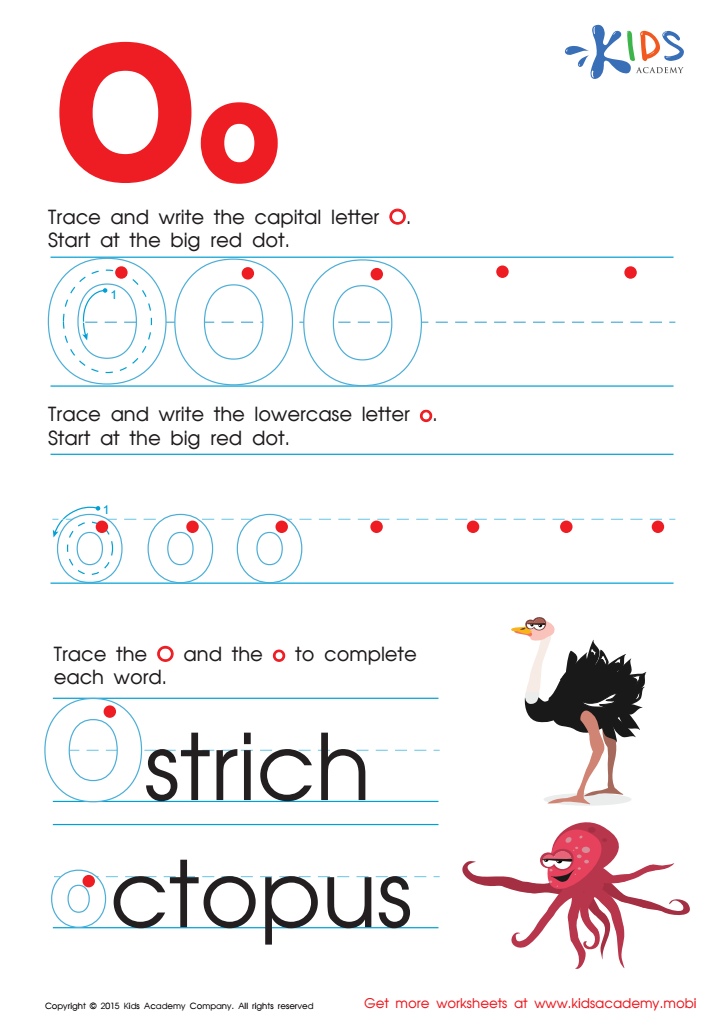
Practice writing the letter "O" with our new worksheet. Trace and write the letter several times, starting at the red dot. First do the uppercase letter, then the lowercase. Use the pictures to complete the words "Ostrich" and "octopus". Kids Academy offers more fun alphabet worksheets.
Letter O Tracing Page
Worksheet
Letter I worksheets
Letter I worksheets

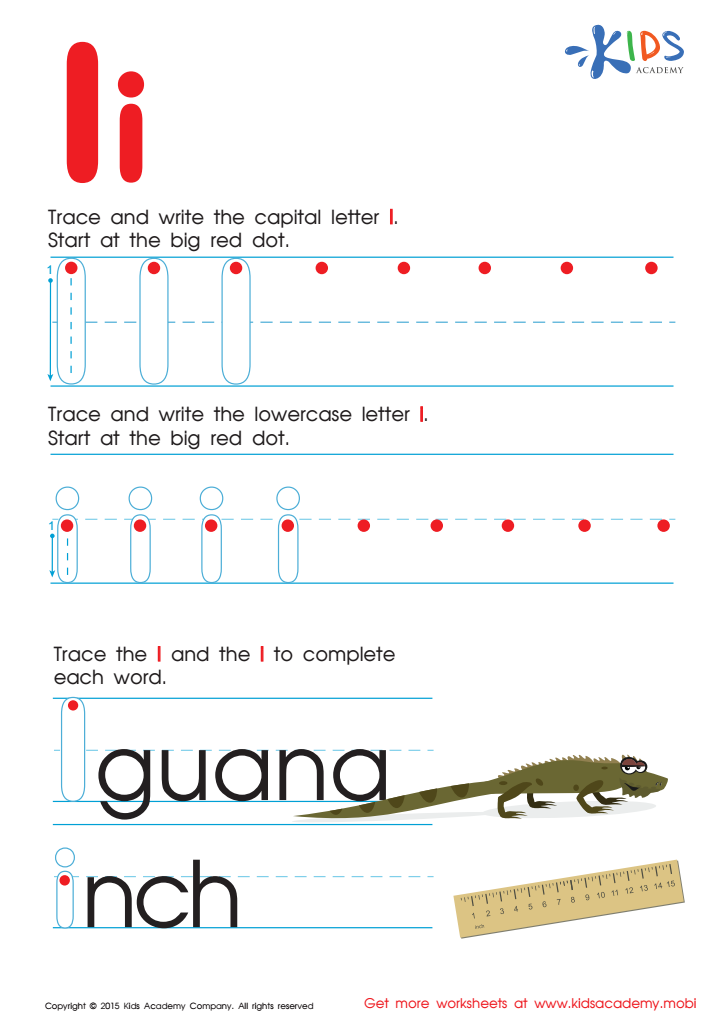
Letter I Tracing Page

Trace and write "I" uppercase and lowercase. An iguana's tail looks like the uppercase "I" and the lowercase "i" is as small as an inch. Make learning fun with Kids Academy worksheets.
Letter I Tracing Page
Worksheet
letter C worksheets
letter C worksheets

Letter C Tracing Page

Trace and write the letter 'C'! Put the pencil at the red dot then follow the lines – the capital letter first then the lowercase one. Cats love it and so will you! Get more free printables to practice tracing and writing.
Letter C Tracing Page
Worksheet
Letter М worksheets
Letter М worksheets

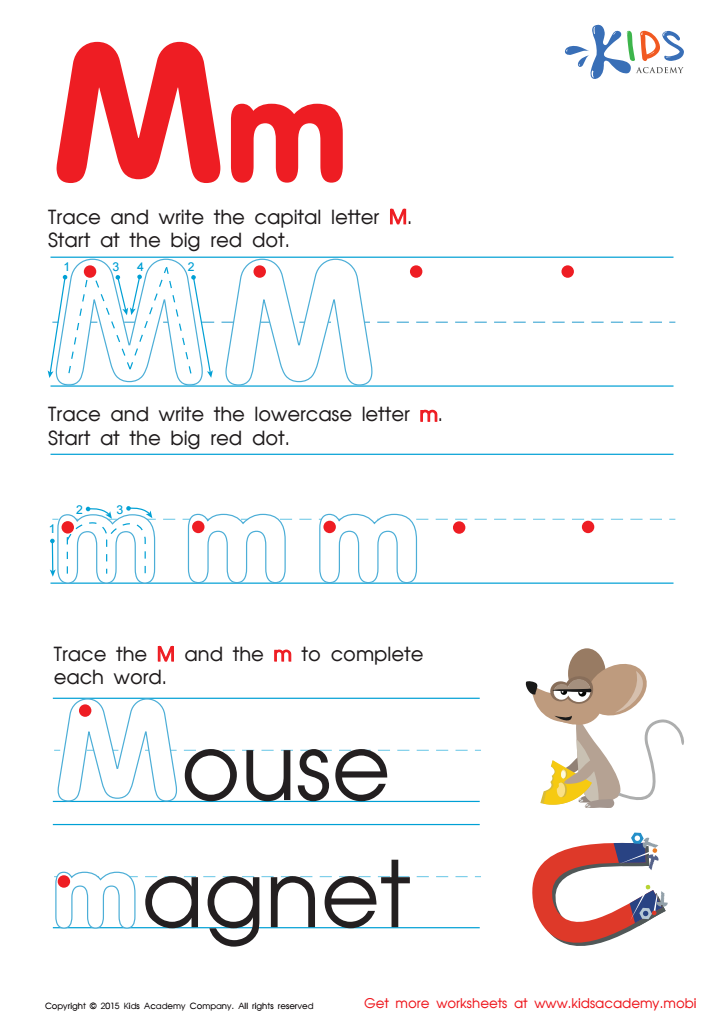
Letter M Tracing Page

Trace and write the letter "M" to help kids learn the alphabet. Start at the red dot and practice several times. Trace the capital letter first, then move on to the lowercase. Complete words like "mouse" and "magnet" in the further exercise. Get more free printables here.
Letter M Tracing Page
Worksheet
Letter J worksheets
Letter J worksheets

Letter J Tracing Page

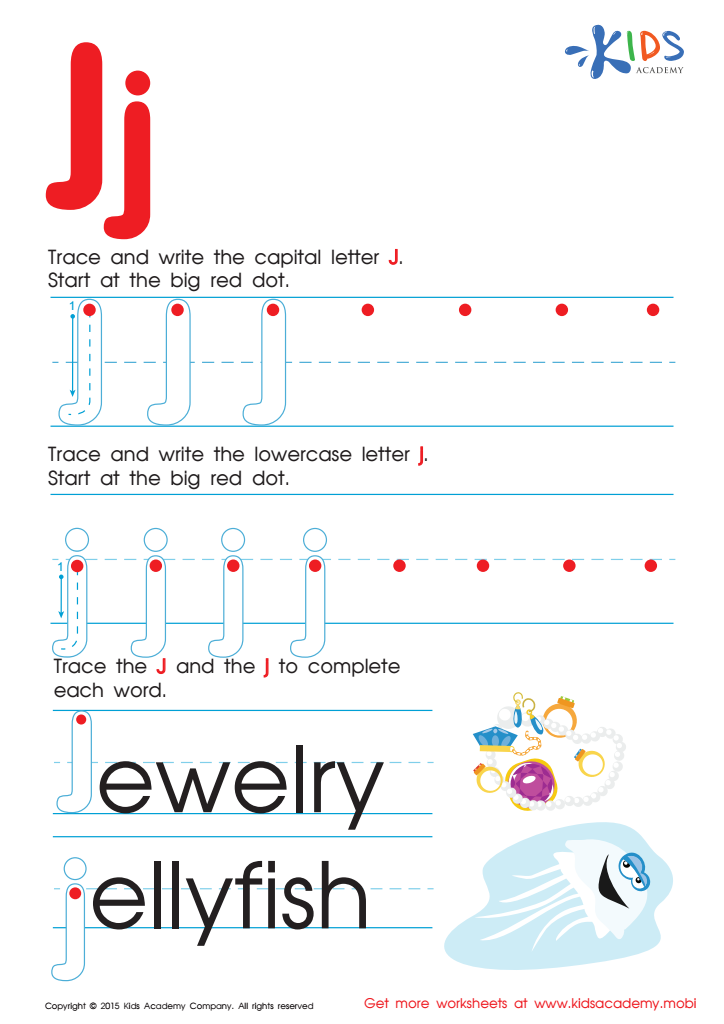
Trace and write the letter "J" with our ABC worksheet - start at the big red dot! Have fun completing words like jewelry, jellyfish and more. Check out our kindergarten activities for more alphabet practice.
Letter J Tracing Page
Worksheet
Letter N worksheets
Letter N worksheets

Letter N Tracing Page

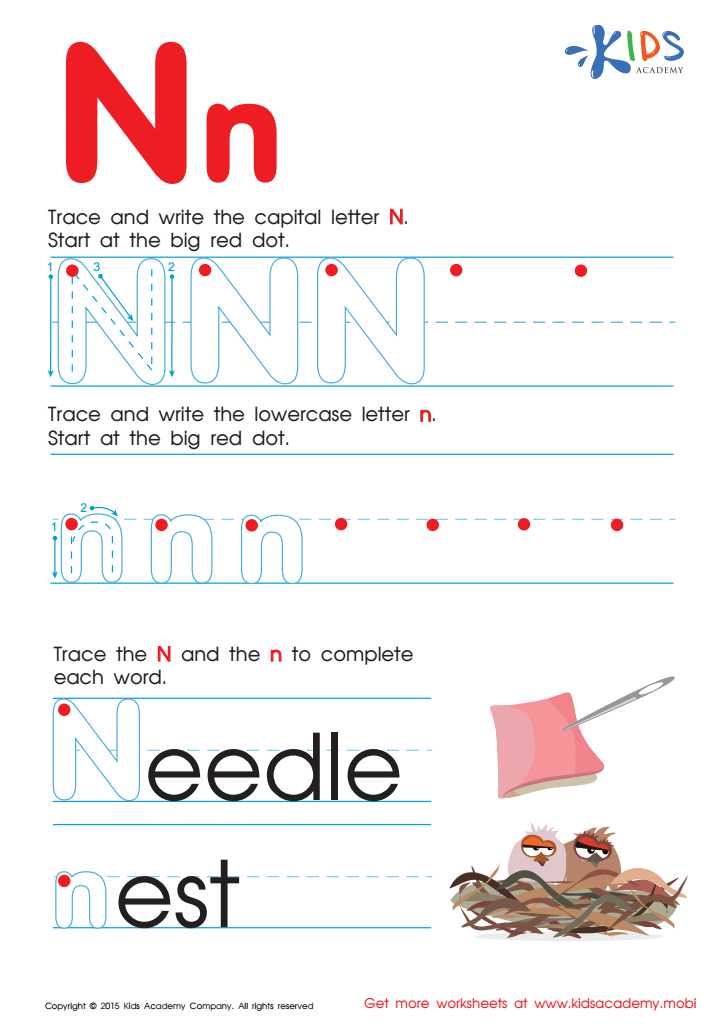
Trace and write capital "N" and lowercase "n" several times. Then try forming words like "needle" and "nest". Master letter writing with Kids Academy's collection of ABC worksheets for kindergarten.
Letter N Tracing Page
Worksheet
letter b worksheets
letter b worksheets

Letter B Tracing Page

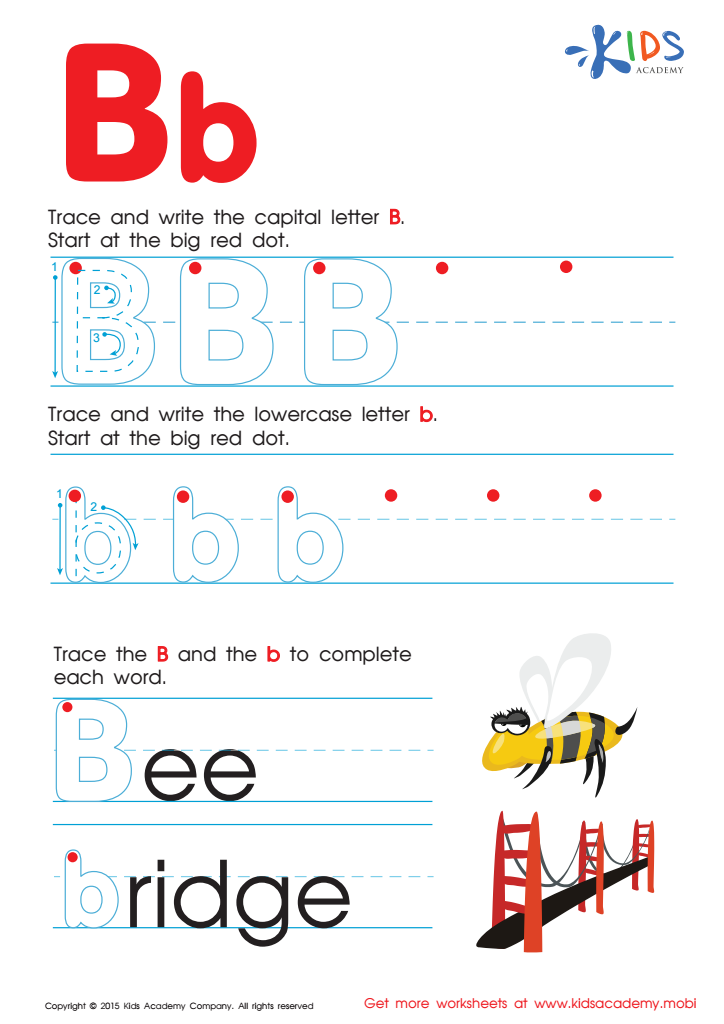
Ready to learn the Alphabet? Put your pencil on the red dot and trace & write both capital & lowercase "B". Then have a look at the pictures. Catch the bee, cross the bridge & write the letters to complete the words. More ABC worksheets for kindergarten available!
Letter B Tracing Page
Worksheet
letter e worksheets
letter e worksheets

Letter E Tracing Page

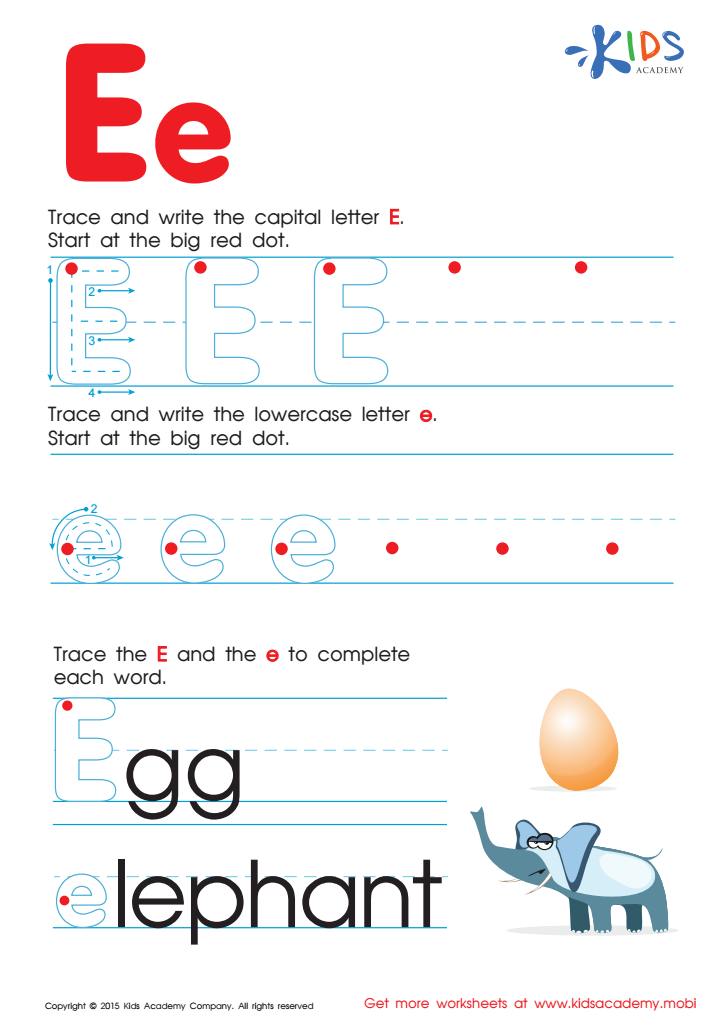
Trace and write the uppercase and lowercase "E" starting at the big red dot. Complete words to perfect letter writing. Egg and Elephant must be written carefully. More alphabet worksheets for kindergarten are available for download to spend more time with your children learning.
Letter E Tracing Page
Worksheet


Alphabet recognition in normal ABC order is essential for young children aged 5-9 because it lays the foundation for reading and writing skills, which are critical for their academic success and lifelong learning. Understanding the sequence of the alphabet helps children in identifying letters, a foundational skill necessary for decoding words when reading. When students recognize and recall the letters in alphabetical order, they develop phonemic awareness, which is the ability to hear, identify, and manipulate letter sounds, an essential precursor to effective reading.

Furthermore, knowledge of the alphabetical order assists in organizing information systematically. This skill becomes increasingly important as students navigate alphabetical directories, indexes, dictionaries, and even computer files in their daily lives.

Practicing alphabetical order also supports cognitive development by enhancing memory and sequencing abilities, which are crucial in various learning activities. It promotes attention to detail and curiosity towards the structure of the language.

From a broader perspective, early alphabet recognition fosters confidence and positive attitudes towards learning. It empowers children with the necessary tools to engage with educational materials and paves the way towards a successful literacy journey. Consequently, parents and teachers play a pivotal role in ensuring children acquire this fundamental skill early on through engaging activities, consistent practice, and positive reinforcement.