Handwriting practice Normal Alphabet Worksheets for Ages 5-9 - Page 2
37 filtered results
-
From - To
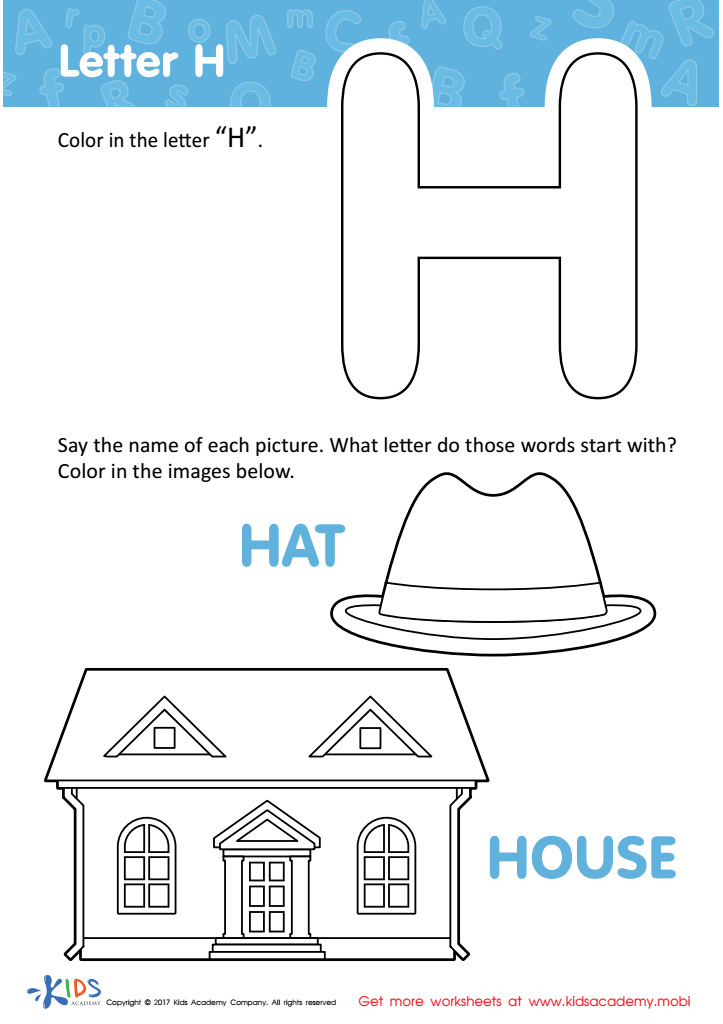
Letter H Coloring Sheet
 Assign to My Students
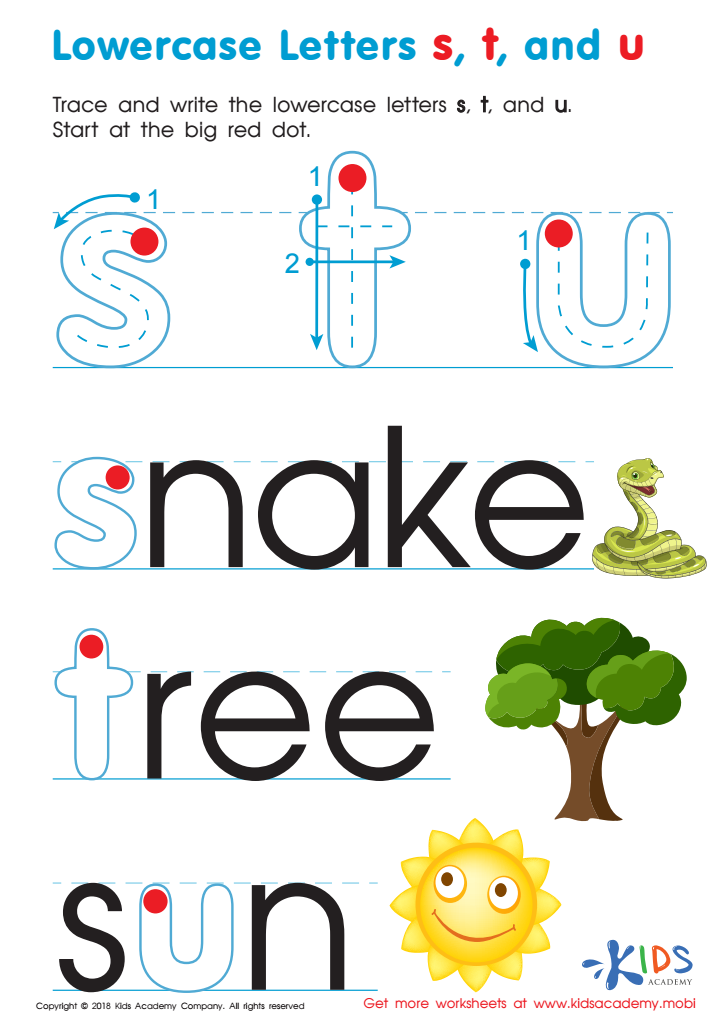
Lowercase Letters s t u Worksheet
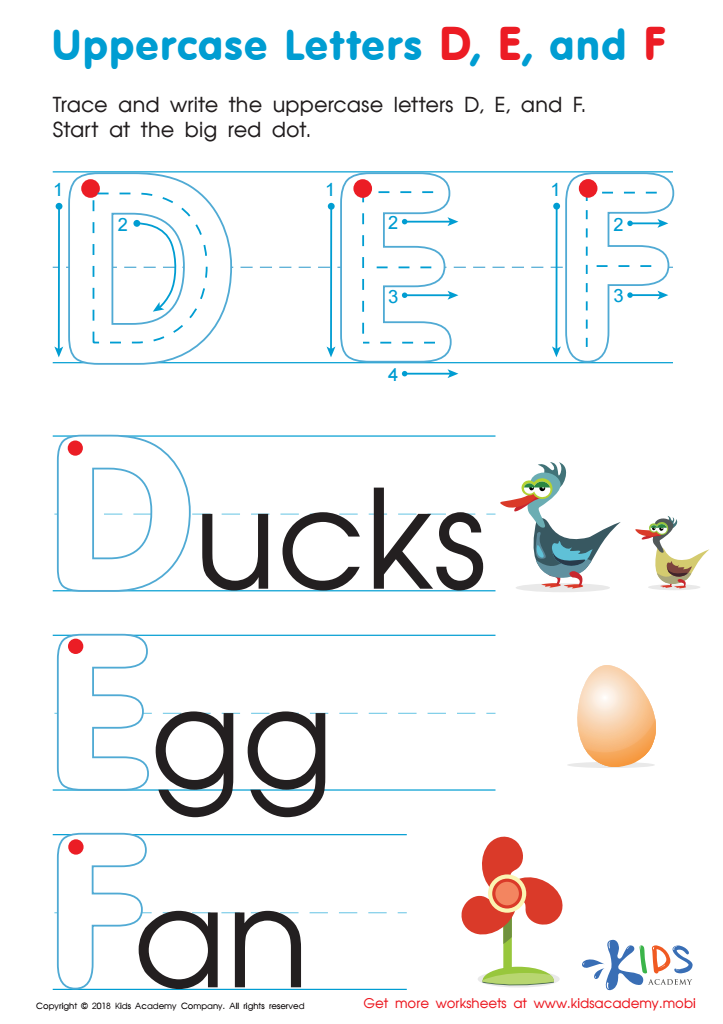
Uppercase Letters D, E, and F Worksheet
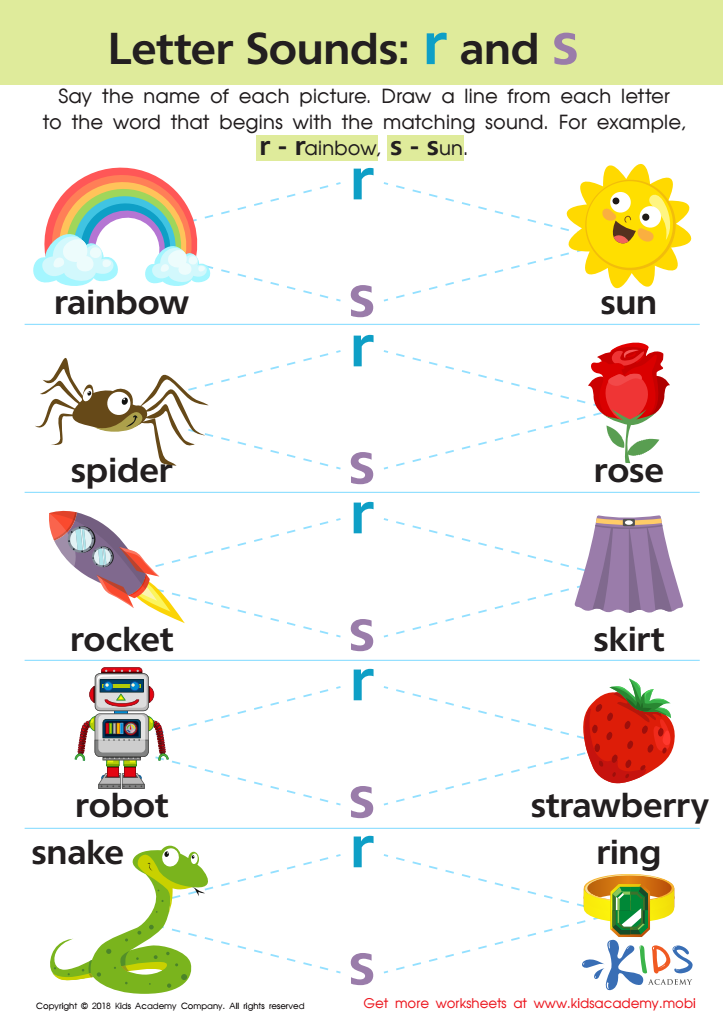
Letter R and S Sounds Worksheet
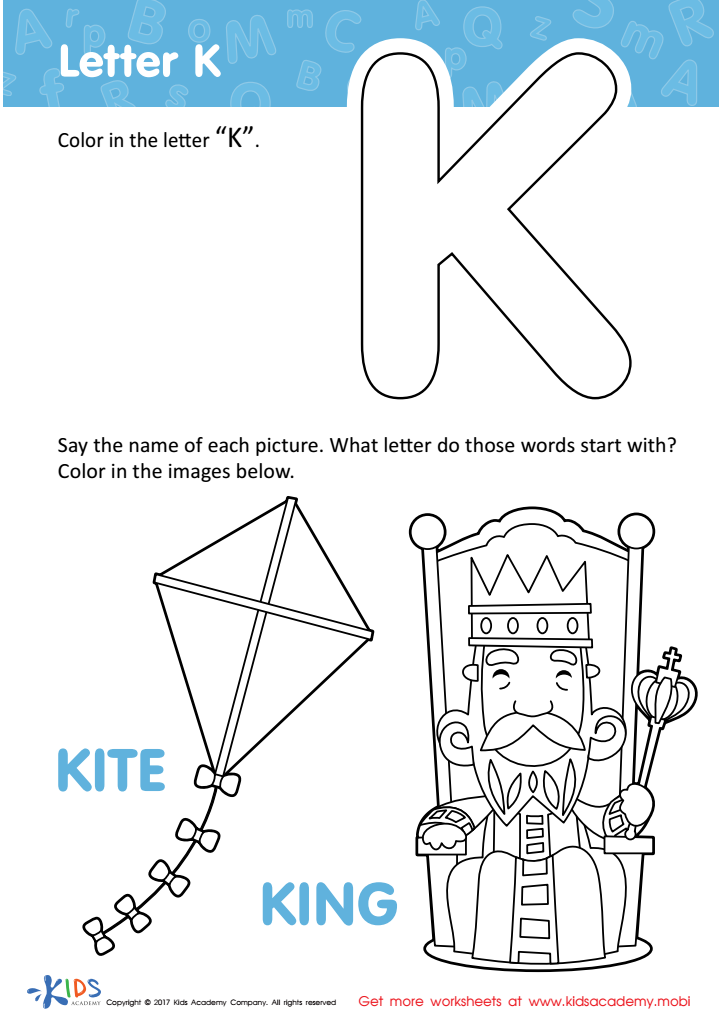
Letter K Coloring Sheet
Assign to My Students
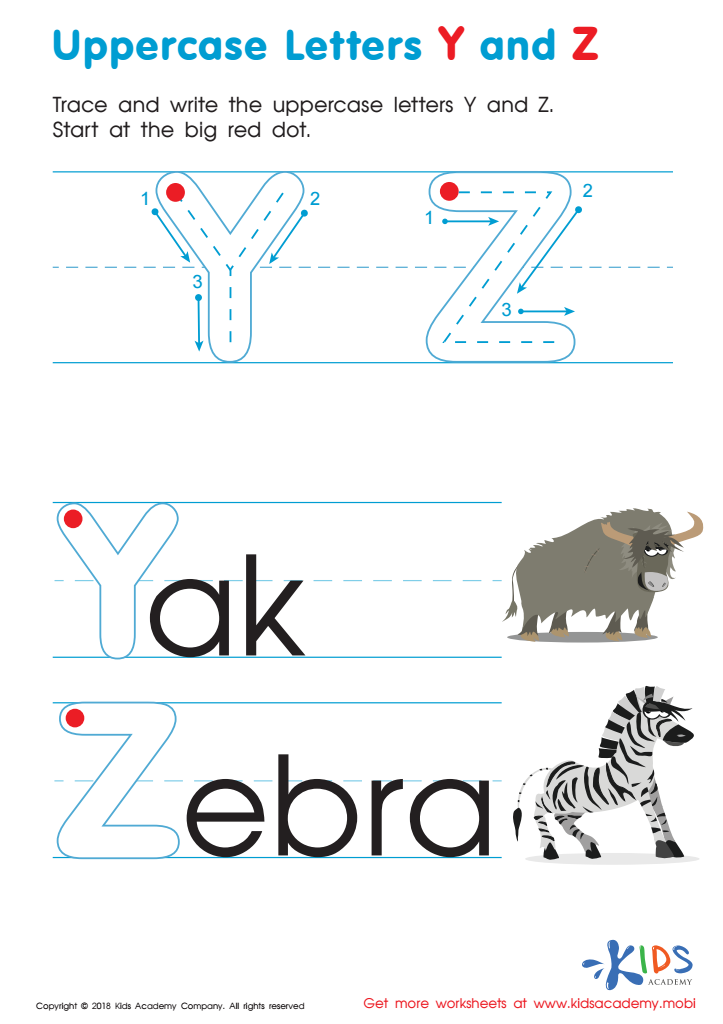
Uppercase Letters Y Z Worksheet
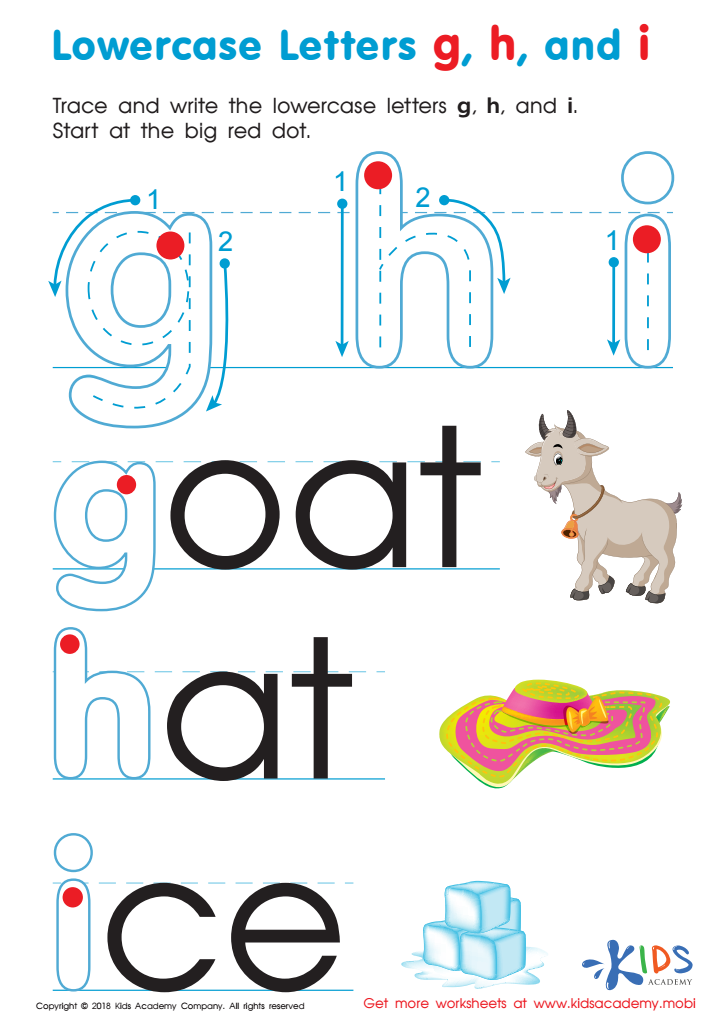
Lowercase Letters g h i Worksheet
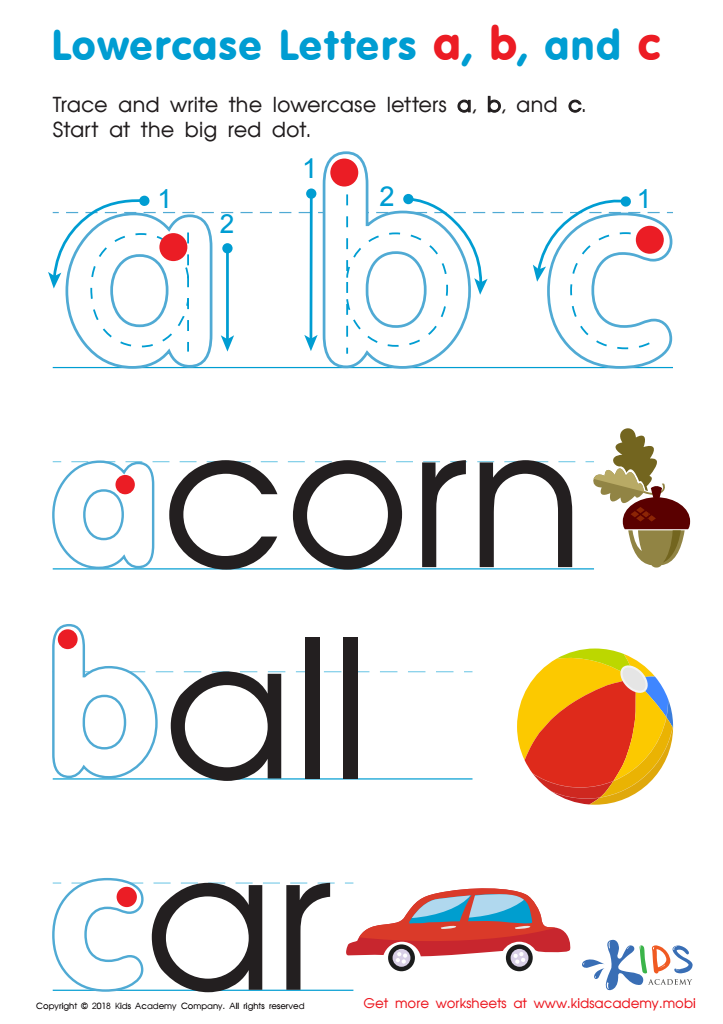
Lowercase Letters a b c Worksheet
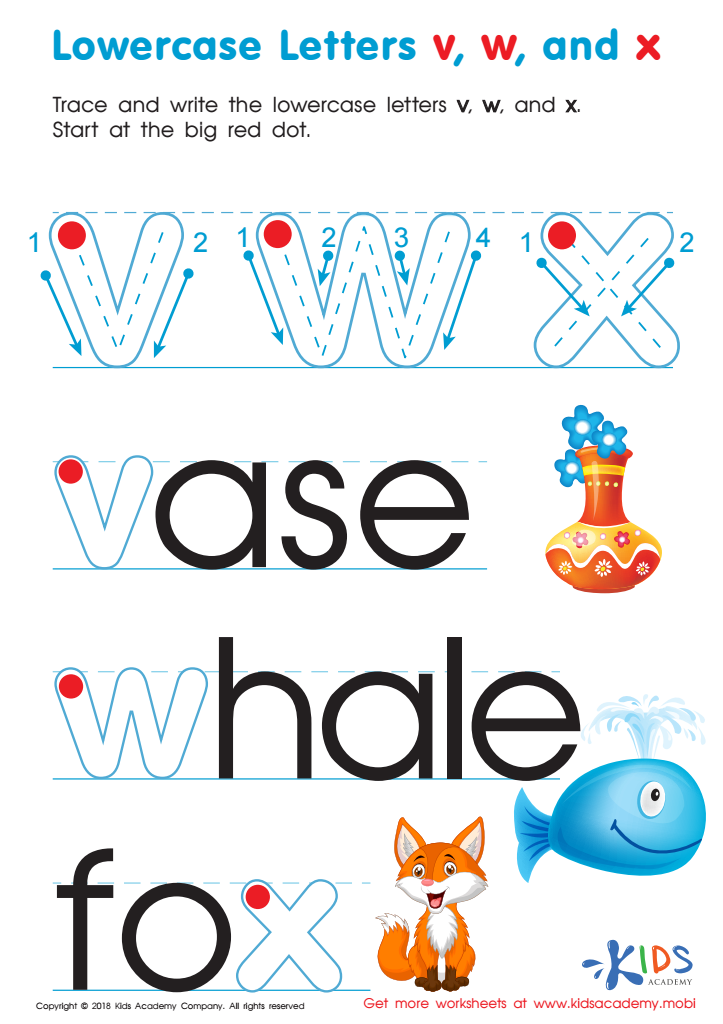
Lowercase Letters v w x Worksheet
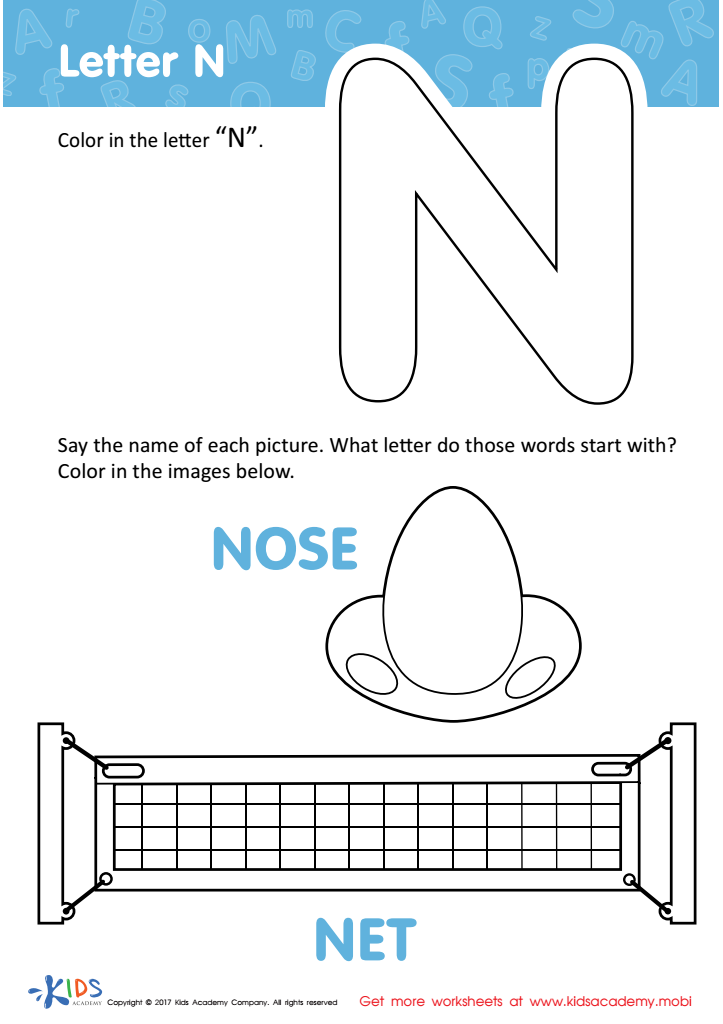
Letter N Coloring Sheet
Assign to My Students
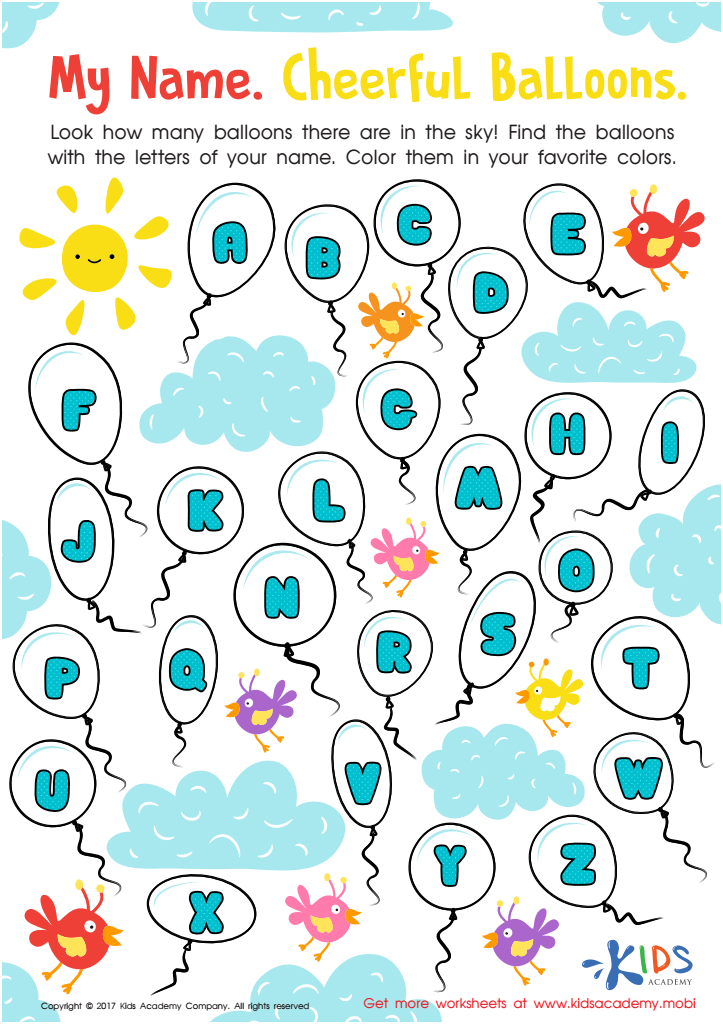
My Name: Cheerful Balloons Worksheet
Assign to My Students
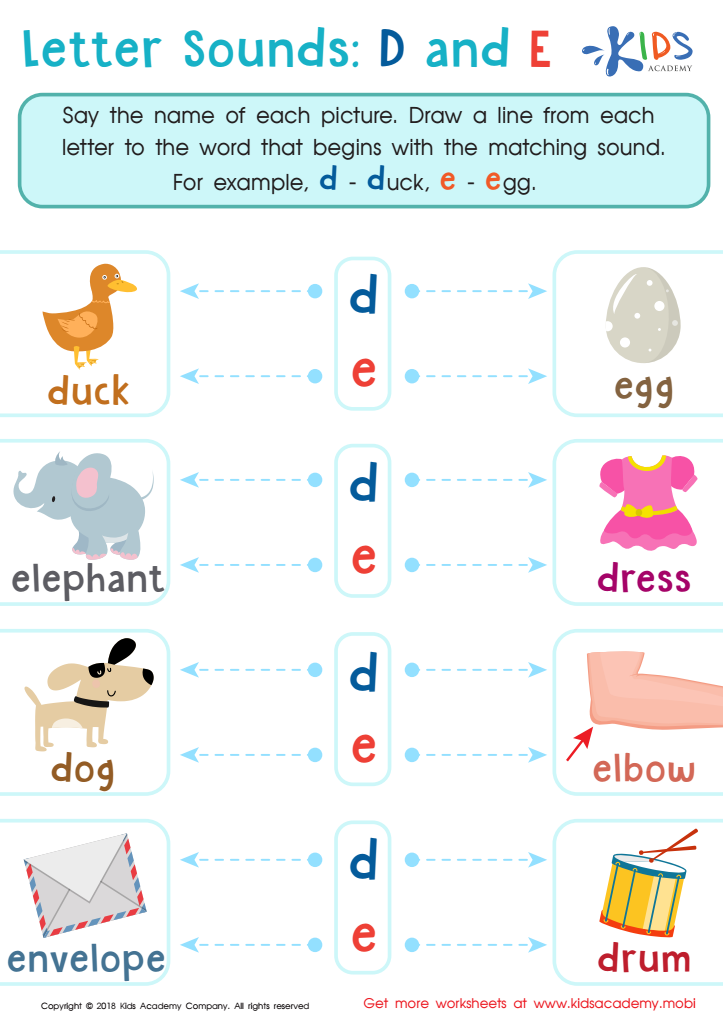
Letter D and E Sounds Worksheet
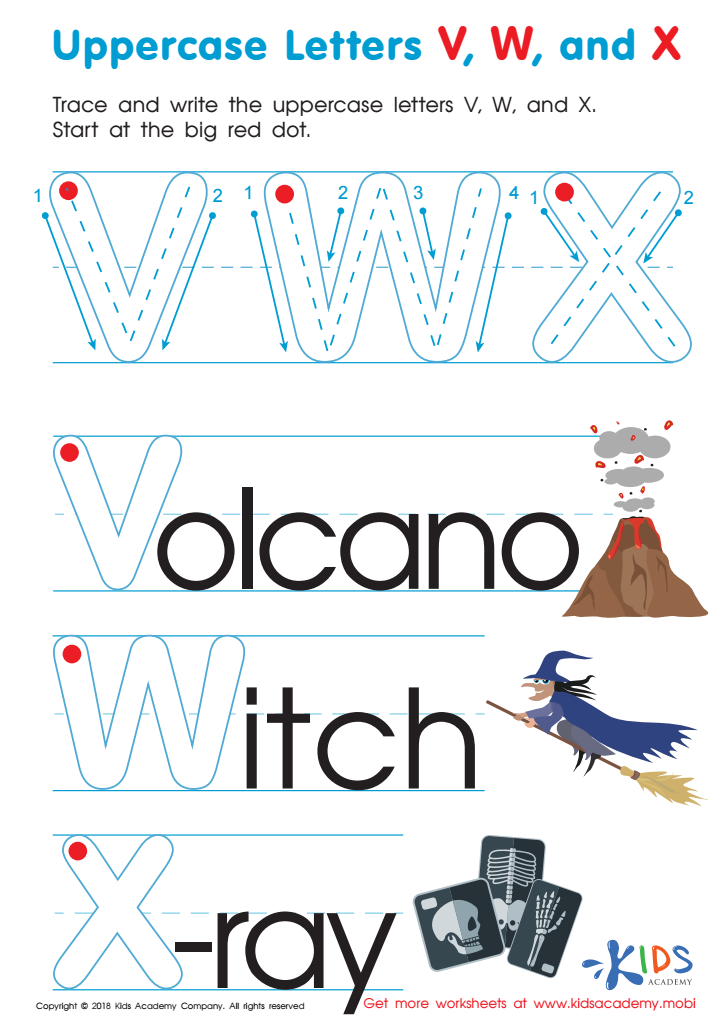
Uppercase Letters V, W, and X Worksheet







Handwriting practice, particularly focusing on the normal alphabet, holds significant importance for children aged 5-9. Early childhood is a critical period for developing fine motor skills and muscle memory, both of which are essential for effective handwriting. When children engage in consistent handwriting practice, they fortify their hand-eye coordination and build the dexterity needed for various everyday tasks.
Moreover, writing by hand reinforces learning patterns and improves cognitive functions. The close link between physical writing and cognitive development means that students who practice handwriting improve their literacy skills, including reading and spelling. The act of forming letters helps children retain new information better as it engages multiple senses, strengthening neural pathways.
In addition to cognitive benefits, mastering handwriting contributes to a child's self-esteem and academic performance. When children can write confidently and legibly, they are more likely to engage actively in classroom activities and complete written assignments efficiently. Clear and well-formed handwriting also enables educators to better understand and assess a child's work.
Ultimately, investing time in handwriting practice for children aged 5-9 is invaluable. It not only equips them with essential skills that are fundamental to academic success but also fosters their overall cognitive and motor development, setting a strong foundation for lifelong learning.







