Enhance your child's vocabulary skills with our "Vocabulary Enrichment Normal Alphabet Worksheets" designed specifically for ages 5-9! These engaging worksheets support early literacy development by helping young learners explore words and their meanings through fun activities. Each worksheet combines vocabulary building with alphabet recognition, encouraging kids to associate letters with words while cultivating their understanding of language. Ideal for at-home learning or classroom activities, these worksheets foster creativity and confidence in word usage. Supplement your child’s education with these thoughtfully crafted resources to promote lifelong learning and a love for reading. Let the vocabulary journey begin today!

Check out this FREE Trial Lesson on Alphabet for age 5-9!

L

Favorites
With answer key
Interactive
  • 5-9
  • Vocabulary Enrichment
  • Alphabet
  • Normal
Ew words worksheet
Ew words worksheet

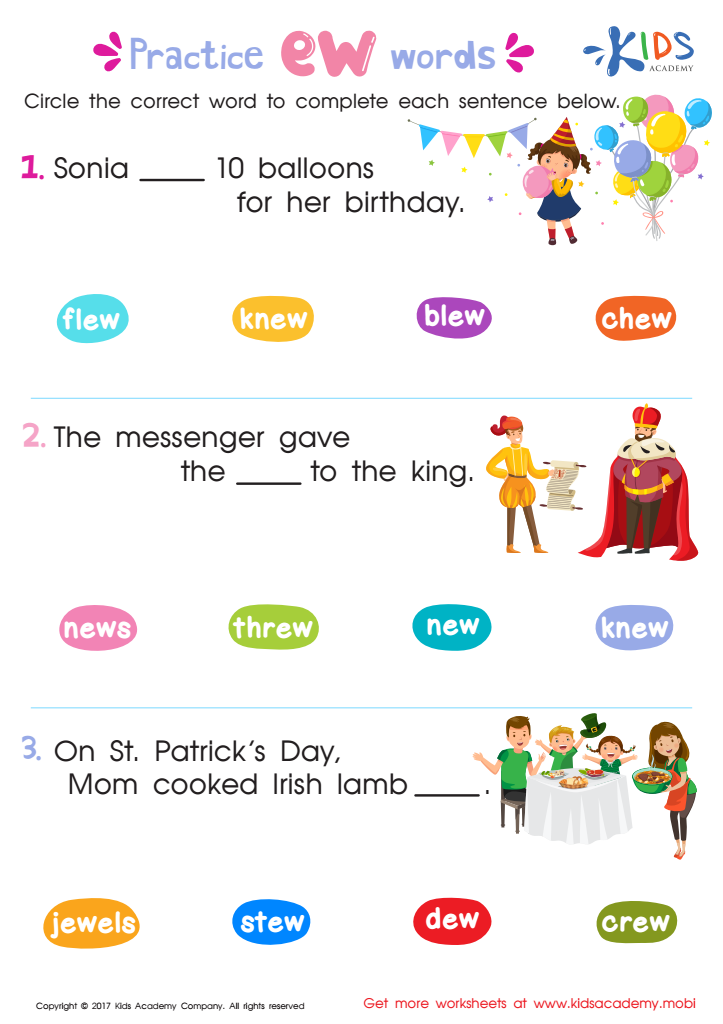
EW Words Worksheet

Practice the diphthong ew and boost your child's vocabulary with this fun ew words worksheet! Filled with illustrations, it will help your child hone their reading and spelling skills. Plus, the tricky words will make it both enjoyable and rewarding!
EW Words Worksheet
Worksheet
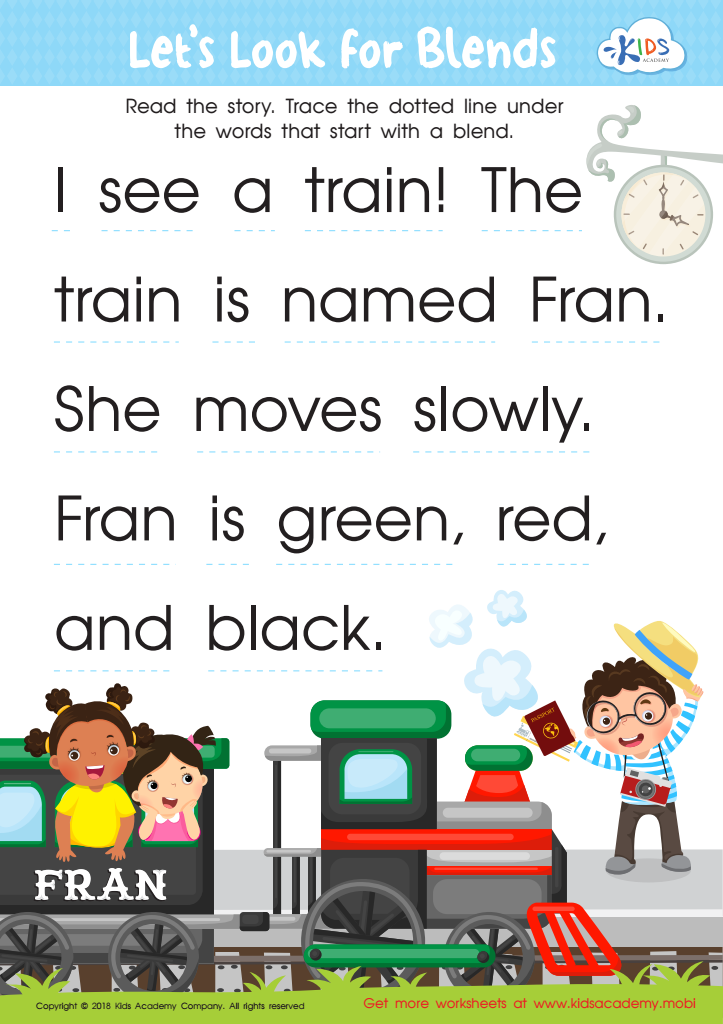
Let's Look for Blends Worksheet

Let's Look for Blends Worksheet

Does your child love trains? Get them to read the story or help them read it aloud. Ask them to trace the words that start with blends on the dotted lines. This exercise will help them improve their blend-identifying skills!
Let's Look for Blends Worksheet
Worksheet
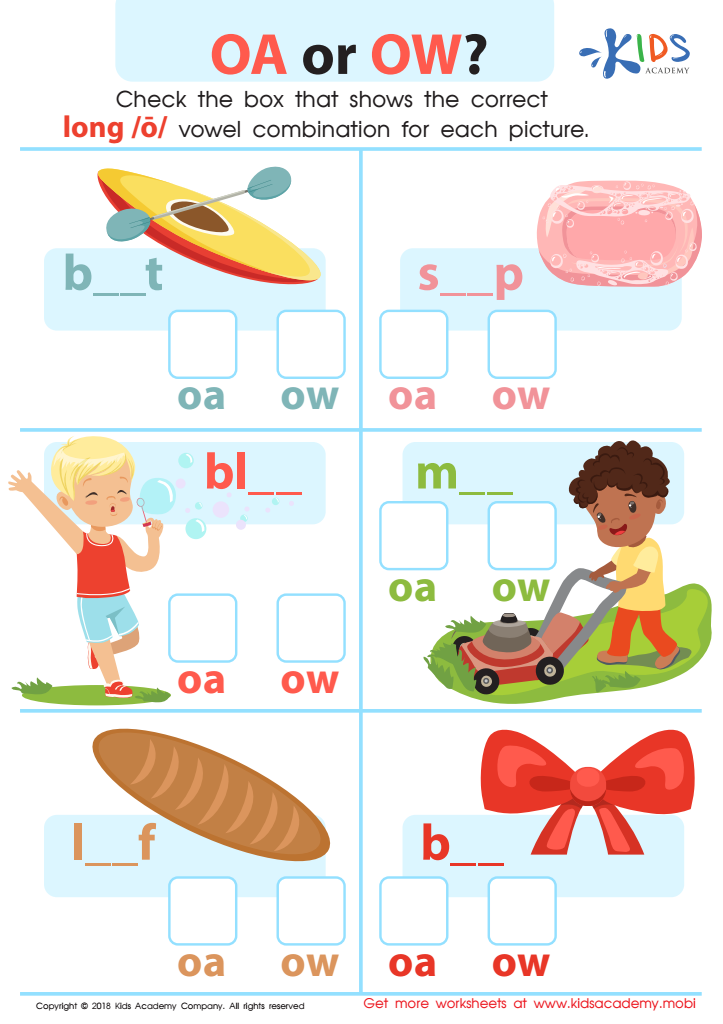
Reading: OA or OW Worksheet

Reading: OA or OW Worksheet

This printable worksheet helps young and emergent readers with decoding words and understanding digraphs (two letters with one sound). It requires students to complete the spelling for each word based on the picture, focusing on /oa/ and /ow/ spellings. It's ideal for a reading classroom and for spelling practice.
Reading: OA or OW Worksheet
Worksheet
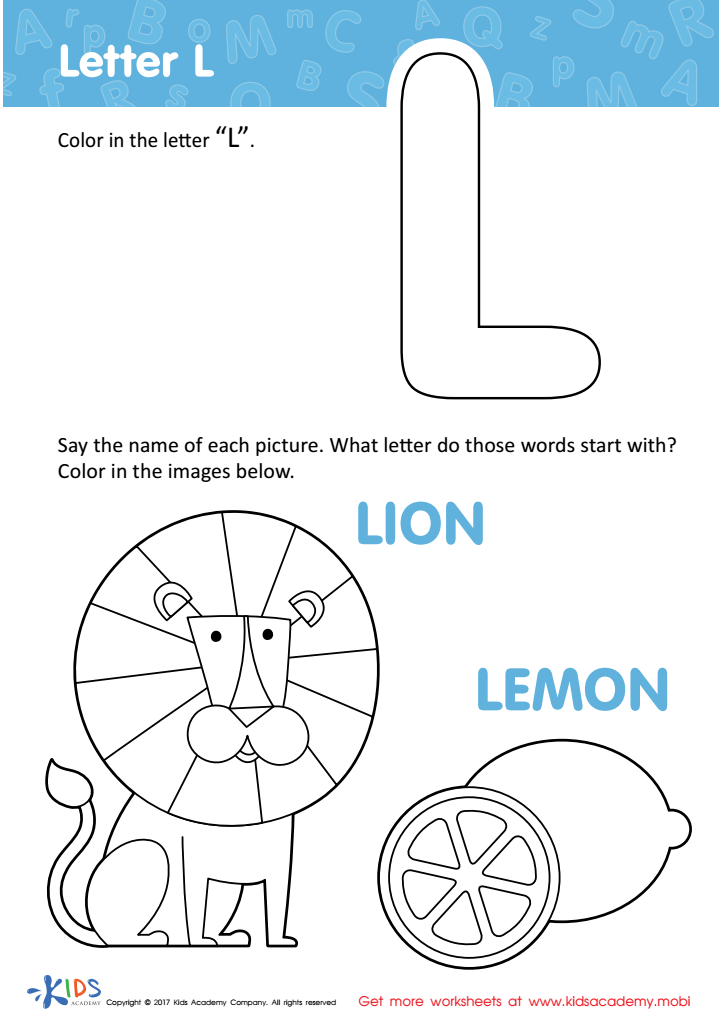
Letter L Coloring Page

Letter L Coloring Sheet

Kids often struggle to say "L" and love it because so many things they love start with it! This coloring page combines the letter and fun images like a lemon and lion to teach and entertain!
Download (PDF)
Assign to My Students
Letter L Coloring Sheet
Worksheet
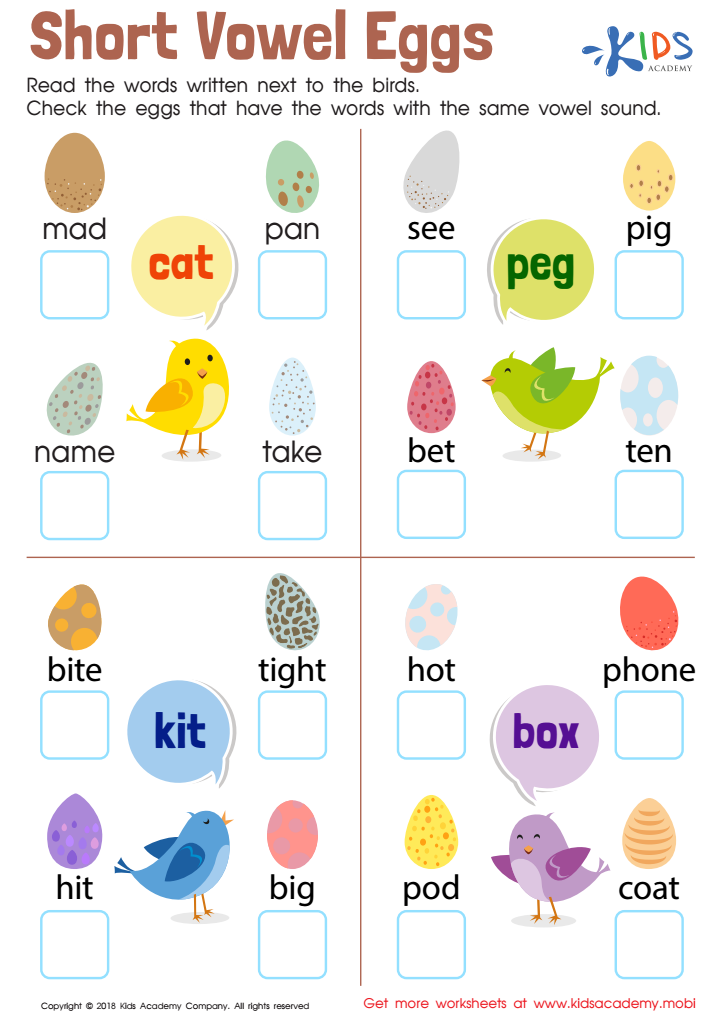
Short Vowel Eggs Worksheet

Short Vowel Eggs Worksheet

Your students will love helping these birdies pick the short vowel eggs! Have them read the words in the thought bubbles, then check off the boxes with the same short vowel sounds. The bright colors of this free Worksheet will draw them in and get them practicing their vowels!
Short Vowel Eggs Worksheet
Worksheet
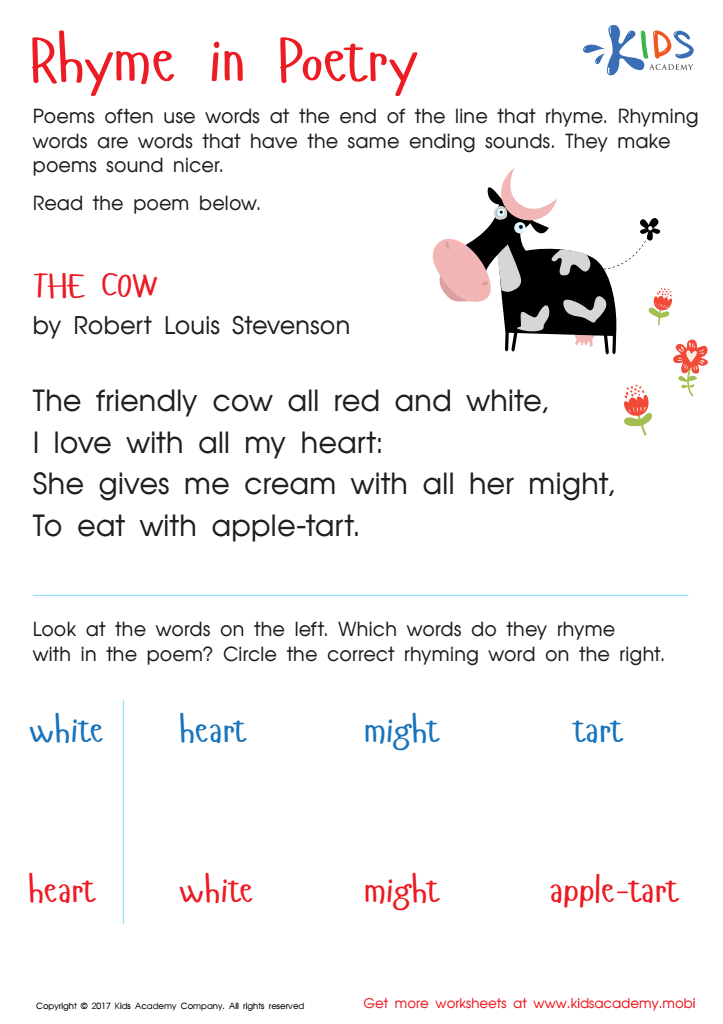
Кhyme in poetry worksheet

Rhyme In Poetry Worksheet

Introduce your child to poetic devices and help build their ear for poetry with Robert Louis Stevenson's adorable poem about a cow! Through this rhyming worksheet, your child will gain an appreciation for poetry and language.
Rhyme In Poetry Worksheet
Worksheet
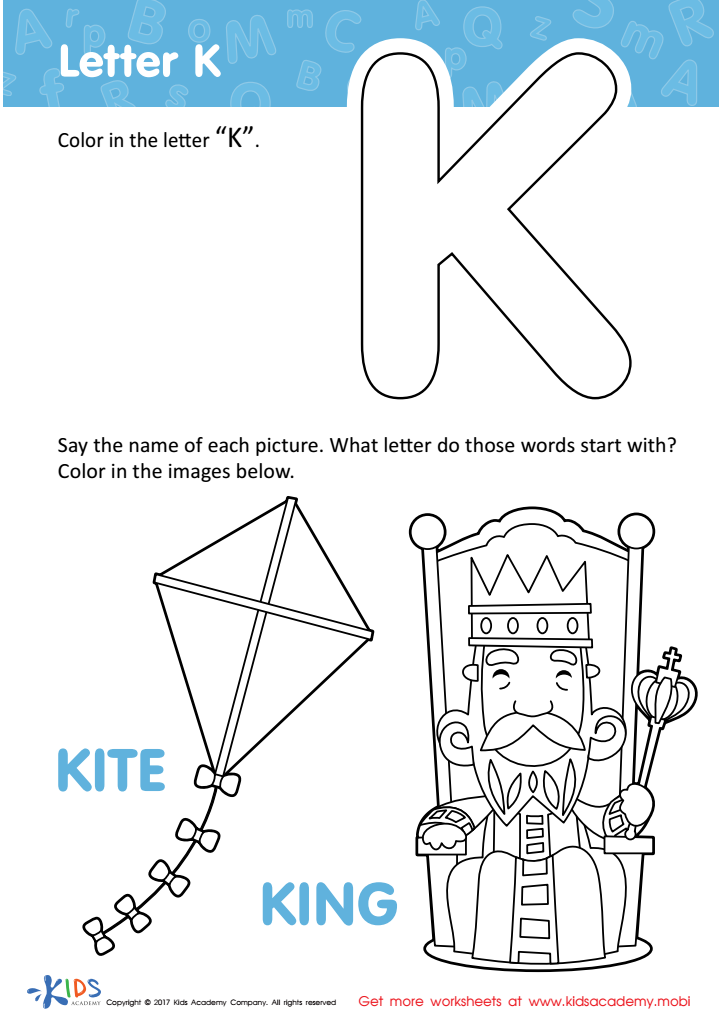
Letter K Coloring Page

Letter K Coloring Sheet

This letter K coloring page captivates your child's creativity while learning the letter! Showcasing a king and kite, common words for their age group, it's sure to spark their imagination.
Download (PDF)
Assign to My Students
Letter K Coloring Sheet
Worksheet
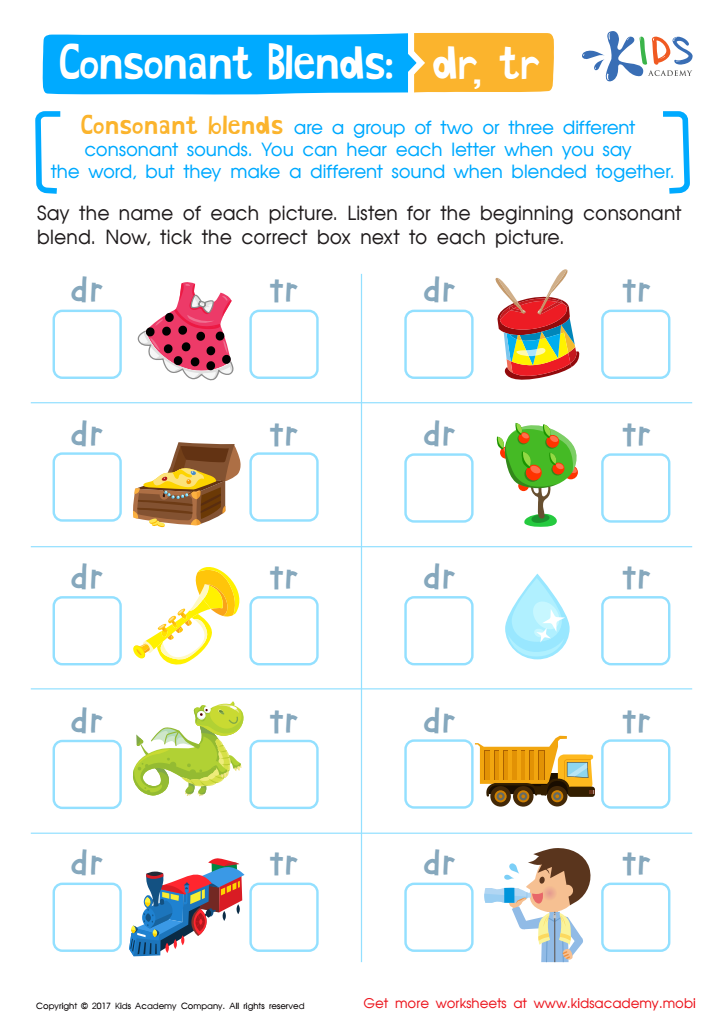
Consonant Blend Dr and Tr Printable Worksheet

Consonant Blends: "Dr" and "Tr" Printable

Pictures of the words provide a visual cue, and sound-outs help with auditory cues.
Consonant Blends: "Dr" and "Tr" Printable

Worksheet


Vocabulary enrichment is a crucial aspect of language development for children ages 5-9, laying the foundation for their reading, writing, and communication skills. The Vocabulary Enrichment Normal Alphabet program focuses on expanding children's language through engaging activities tailored to their developmental stage.

Parents and teachers should care about this initiative because a robust vocabulary enhances comprehension and academic performance. Young learners with a diverse vocabulary are better equipped to understand new concepts, follow complex instructions, and participate in discussions. Moreover, strong language skills correlate with a child's ability to express thoughts and emotions effectively, fostering confidence and social connections with peers.

In an increasingly competitive educational landscape, students with enriched vocabularies are often better prepared to excel in standardized tests and future academic pursuits. By investing time in vocabulary enrichment, caregivers and educators can empower children to become avid readers and effective communicators. Additionally, this foundation nurtures a lifelong love of language and learning, essential for personal and professional success in the modern world. Ultimately, supporting vocabulary development is an investment in a child's future, equipping them with tools for academic achievement and meaningful social interactions.