Vowel Recognition Normal Alphabet Worksheets for Ages 5-9
12 filtered results
-
From - To
Discover our engaging Vowel Recognition Normal Alphabet Worksheets designed specifically for children aged 5-9! These printable resources enhance early literacy skills by helping young learners identify and differentiate vowels within the alphabet. Our worksheets foster interactive learning through a variety of fun activities, such as coloring, matching, and fill-in-the-blank exercises. By practicing vowel recognition, children will build a strong foundation for reading and writing. Perfect for classrooms or homeschooling, these worksheets cater to various learning styles and provide an enjoyable way for kids to master their vowels. Start your child’s literacy journey today with our comprehensive vowel recognition materials!
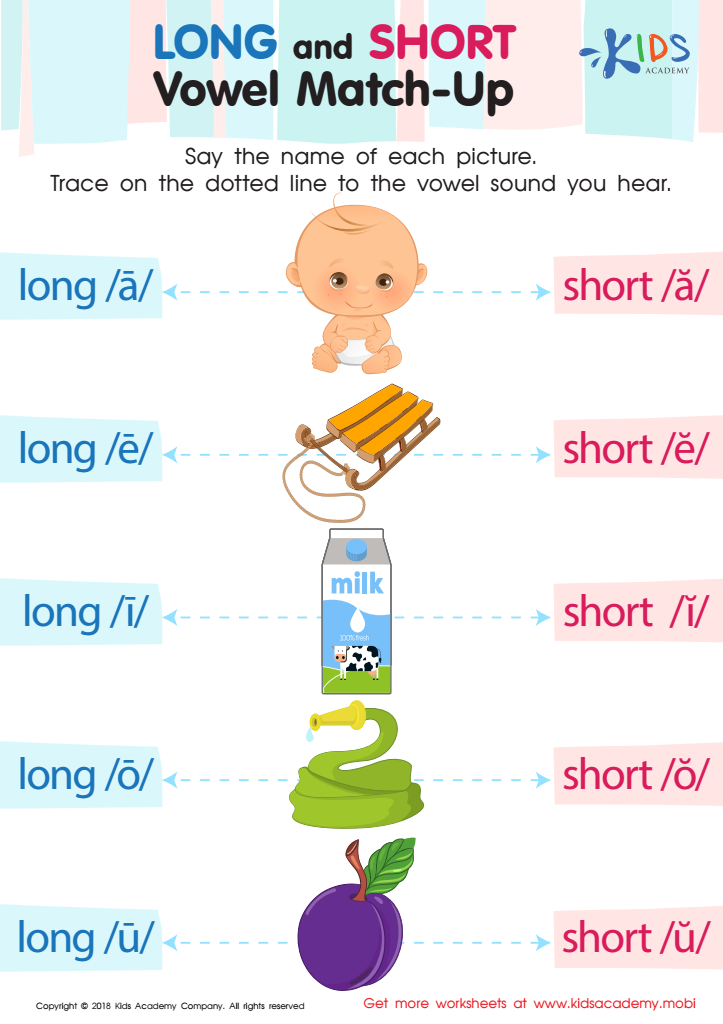
Long and Short Vowel Match up Reading Worksheet
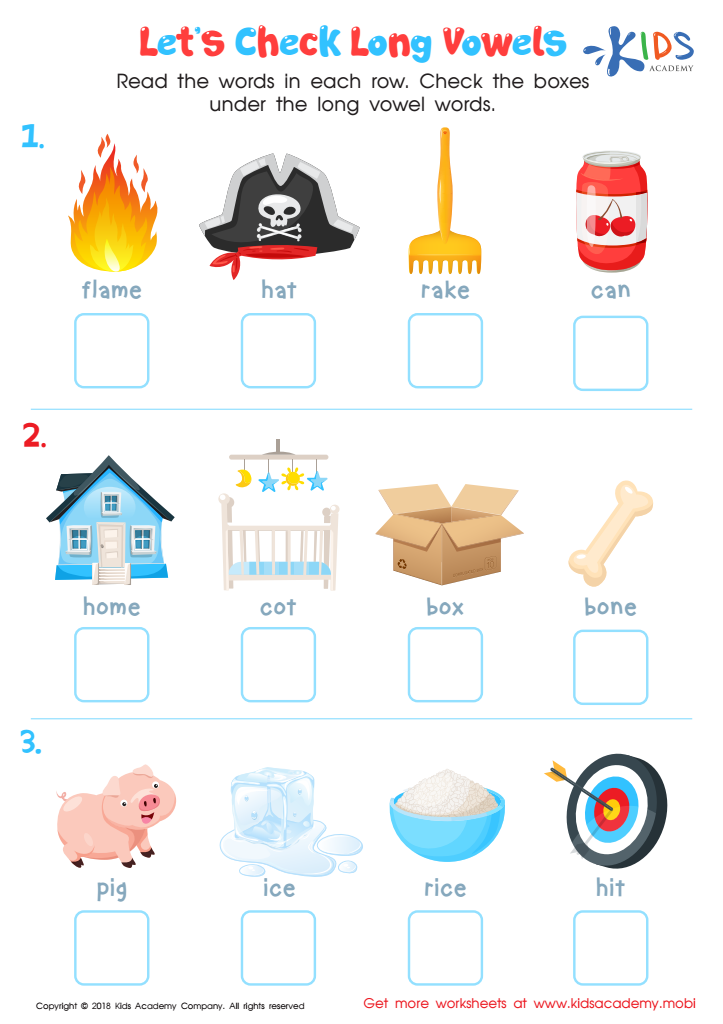
Let's Check Long Vowels: Assessment Worksheet
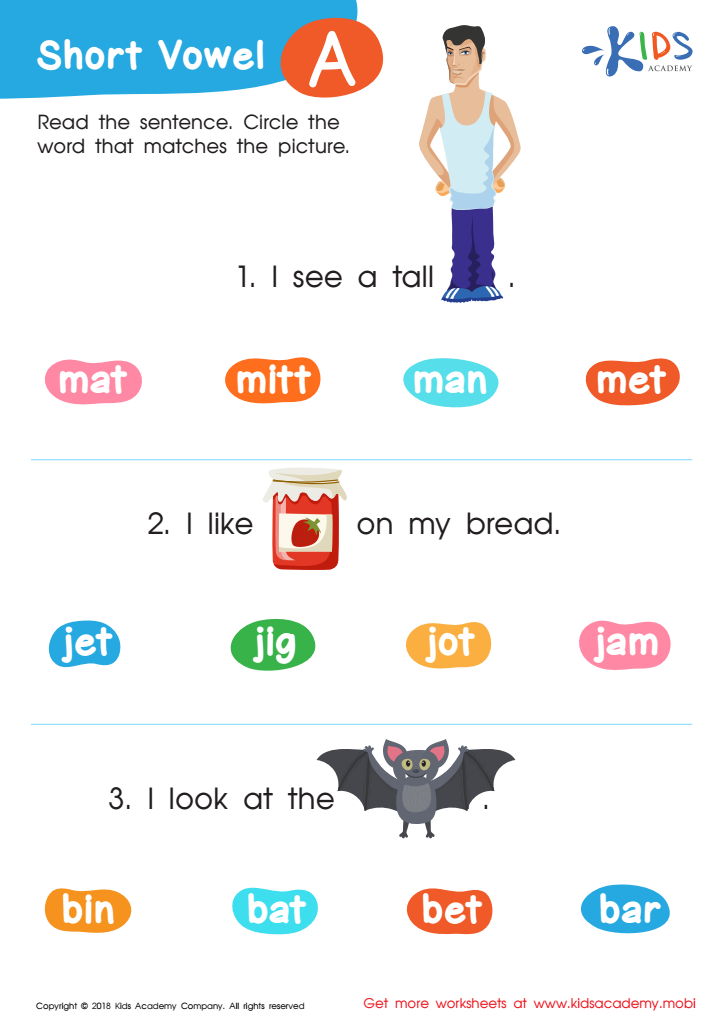
Short Vowel /a/ Worksheet
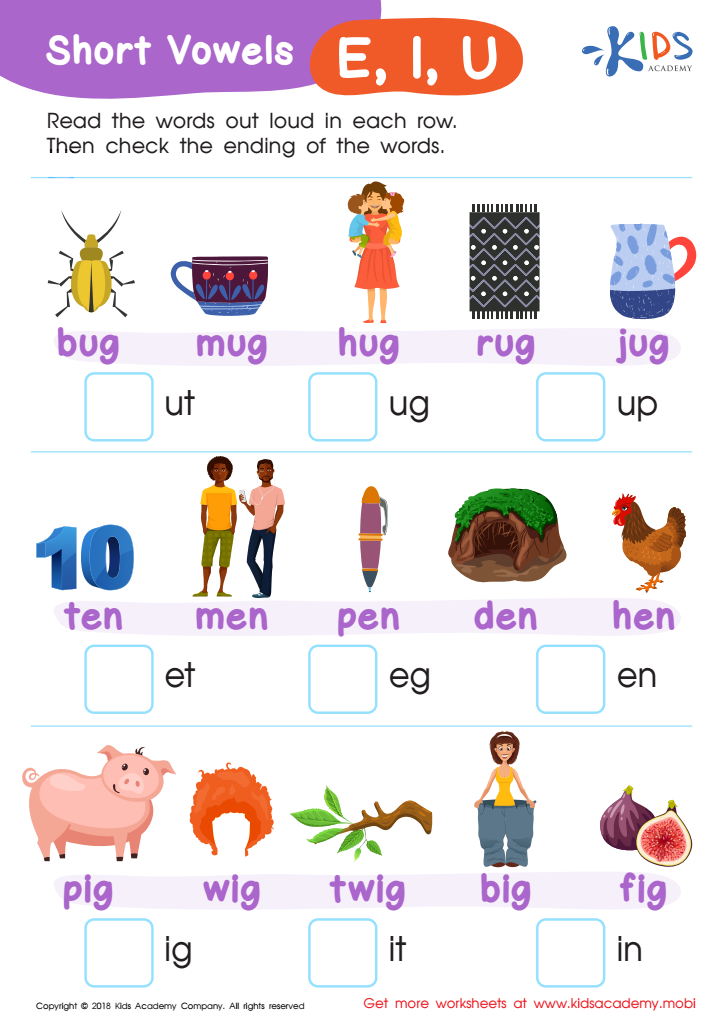
Short Vowels /e/, /i/, and /u/ Worksheet
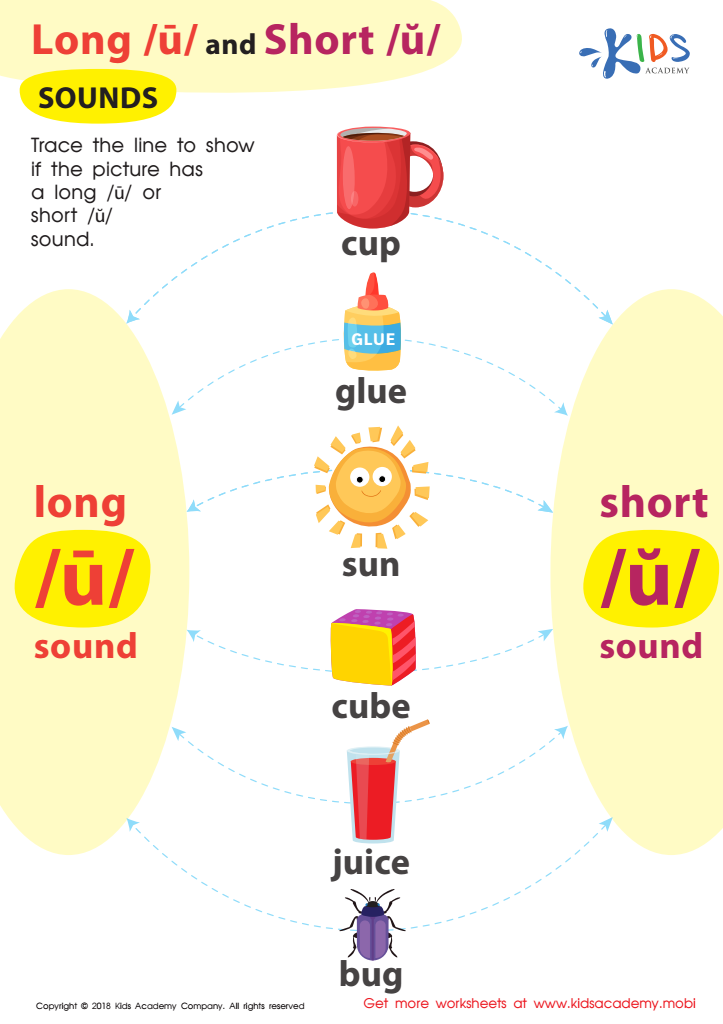
Reading: Long U and Short U Sounds Worksheet
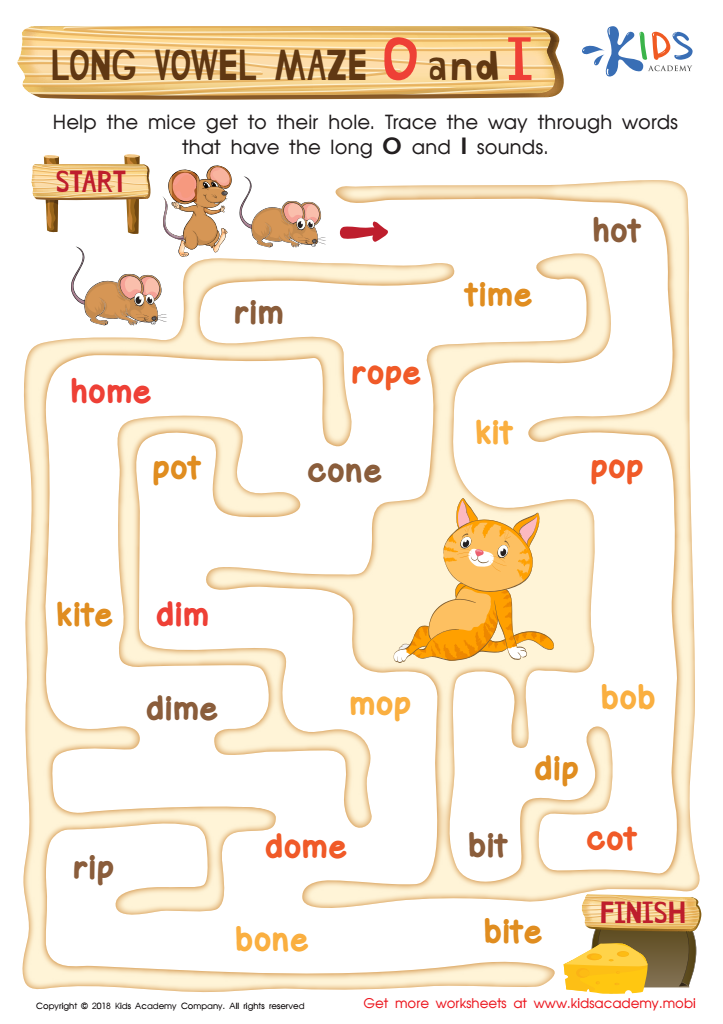
Long Vowel Maze /o/ and /i/ Worksheet
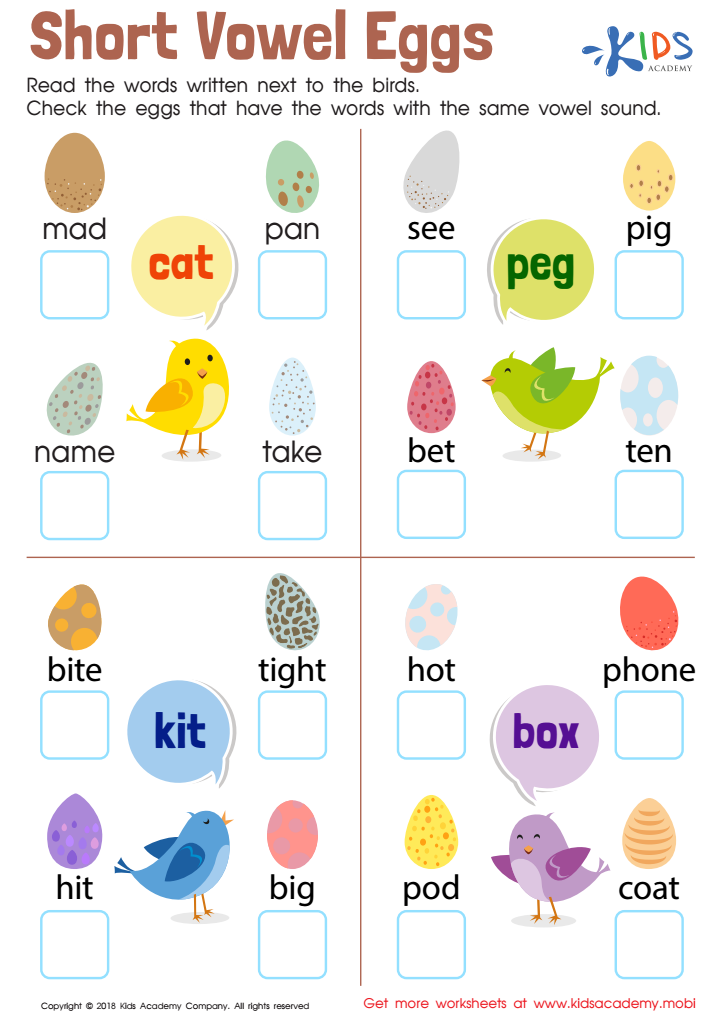
Short Vowel Eggs Worksheet
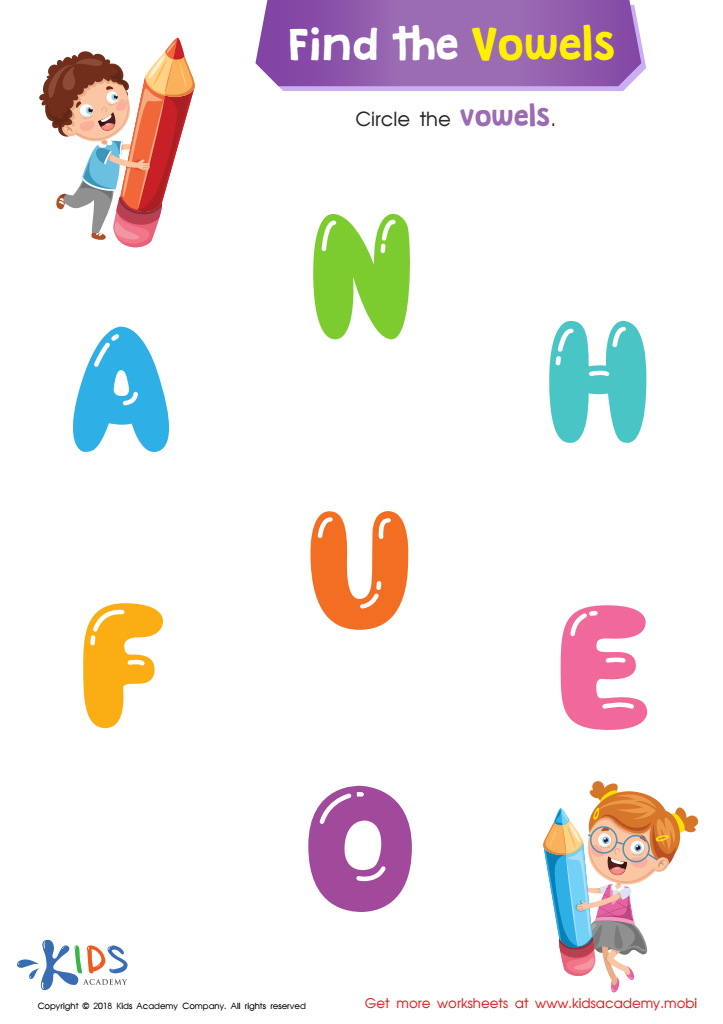
Find the Vowels Reading Worksheet
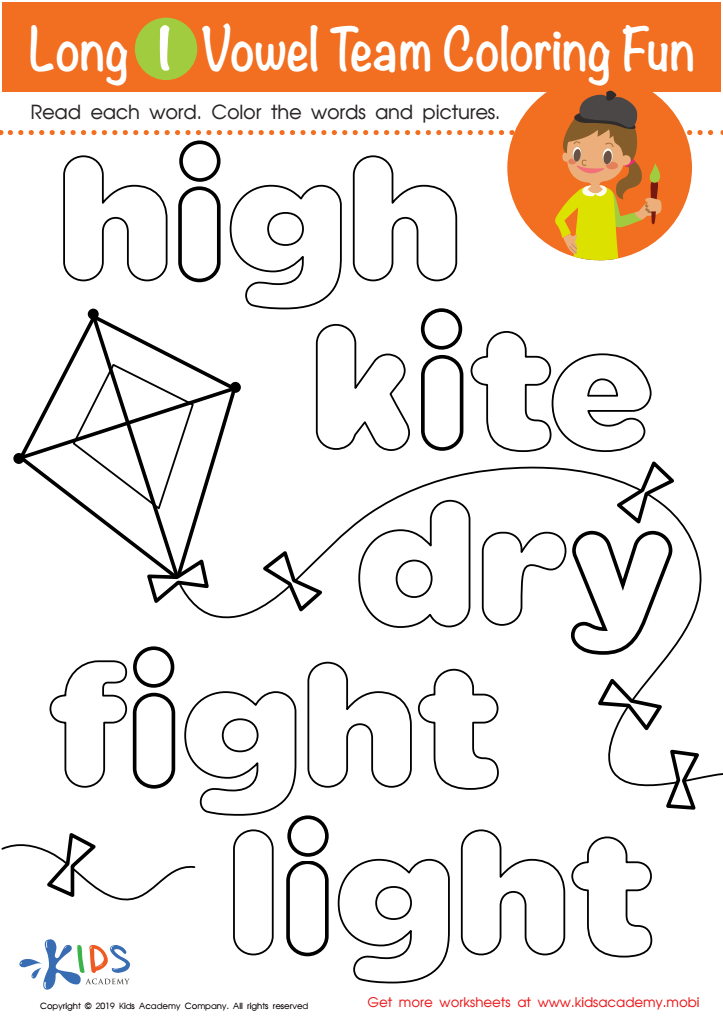
Long I Vowel Team Coloring Worksheet
 Assign to My Students
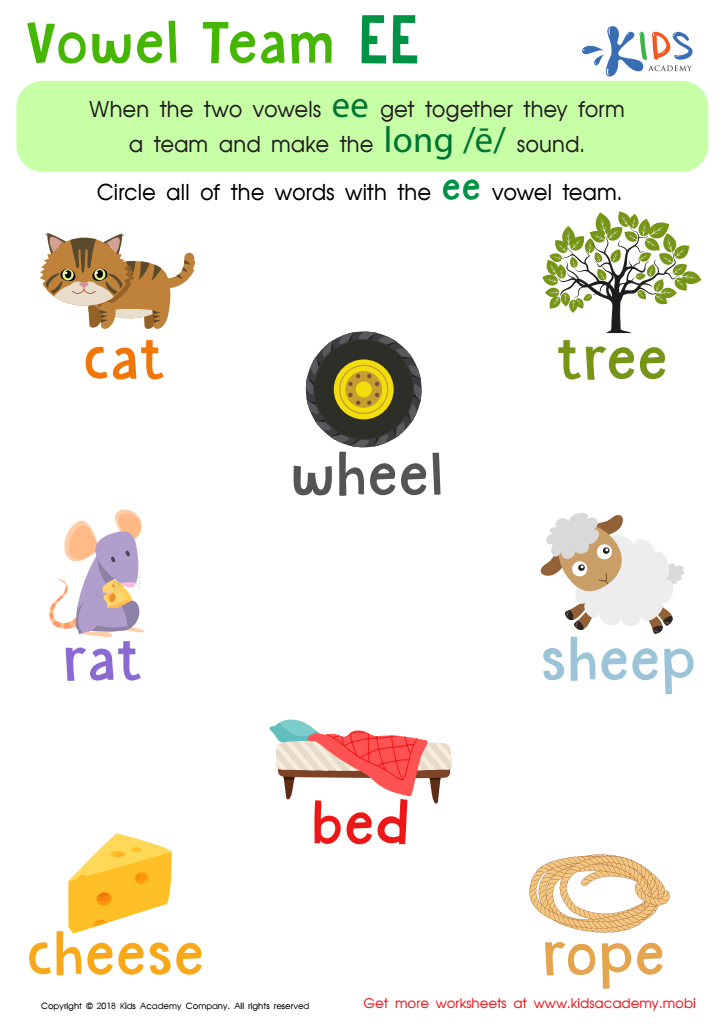
Reading: Vowel Team EE Worksheet
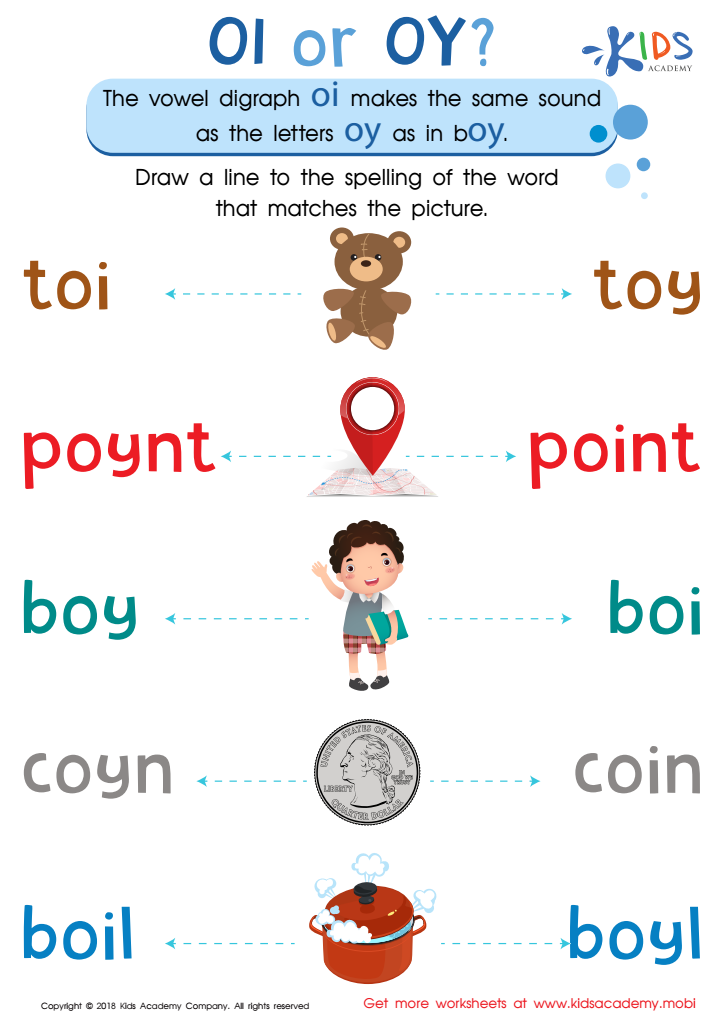
Reading: OI and OY Worksheet
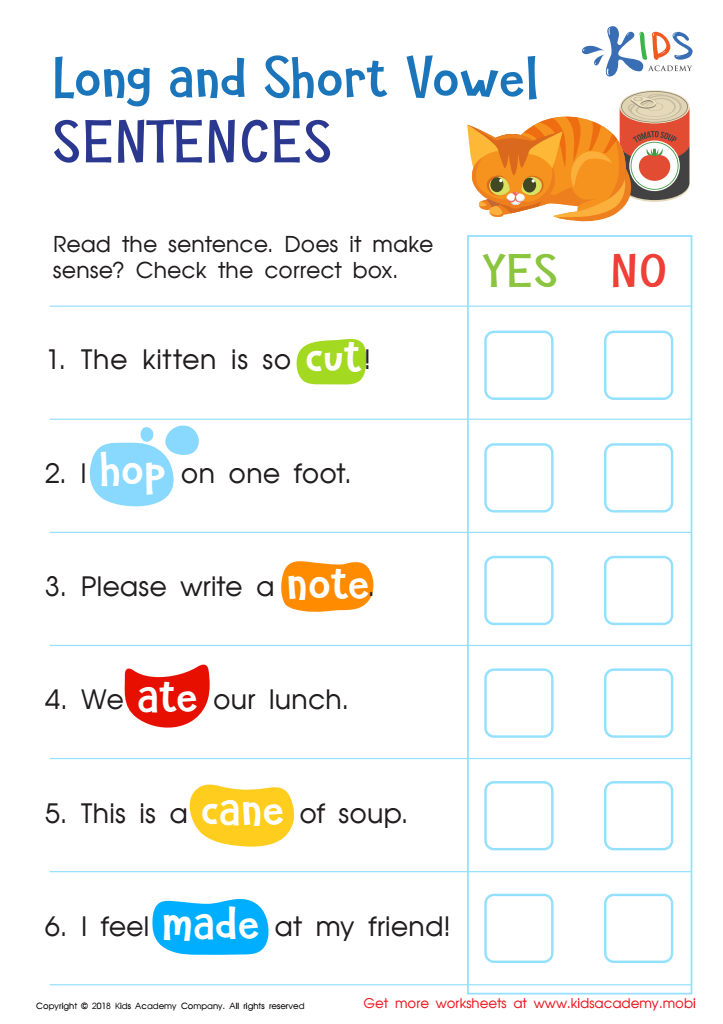
Long and Short Vowel Sentences: Assessment Worksheet








Vowel recognition is a critical skill for children aged 5-9 as it serves as the foundation of reading and language development. Understanding vowels is vital for word formation, decoding text, and phonetic awareness. Parents and teachers should prioritize vowel recognition because it enhances children's ability to communicate effectively and boosts their confidence in both written and spoken language.
At this stage, children are developing essential literacy skills. Recognizing vowels helps them to decode unfamiliar words, making reading more approachable and enjoyable. Moreover, mastery of vowels contributes to better spelling, which is essential as they progress in school. Vowel recognition also encourages phonemic awareness—the ability to hear, identify, and manipulate sounds in words—crucial for lifelong learning.
Additionally, fostering enthusiasm towards vowels can lead to a love for reading, stimulating a child’s imagination and comprehension. Engaging activities and games that focus on vowel recognition can make learning fun and interactive. When parents and teachers work together to reinforce vowel skills in various contexts, they create a strong language foundation that supports academic success and effective communication throughout the child's educational journey and beyond. Ultimately, prioritizing vowel recognition contributes to a child’s overall linguistic and cognitive development.







