Sound Association Normal Letter Sounds Worksheets for Ages 5-9
16 filtered results
-
From - To
Introduce your child to the world of reading with our Sound Association Normal Letter Sounds Worksheets for ages 5-9. These expertly crafted worksheets are designed to help young learners associate letters with their corresponding sounds, a crucial foundational skill for reading proficiency. With engaging activities and illustrations, children will enjoy identifying and matching letter sounds while enhancing their phonemic awareness. Ideal for both classroom and home use, these worksheets cater to various learning styles and ensure a fun, interactive learning experience. Discover the difference a solid phonics foundation can make with our comprehensive collection designed for your child's growing mind.
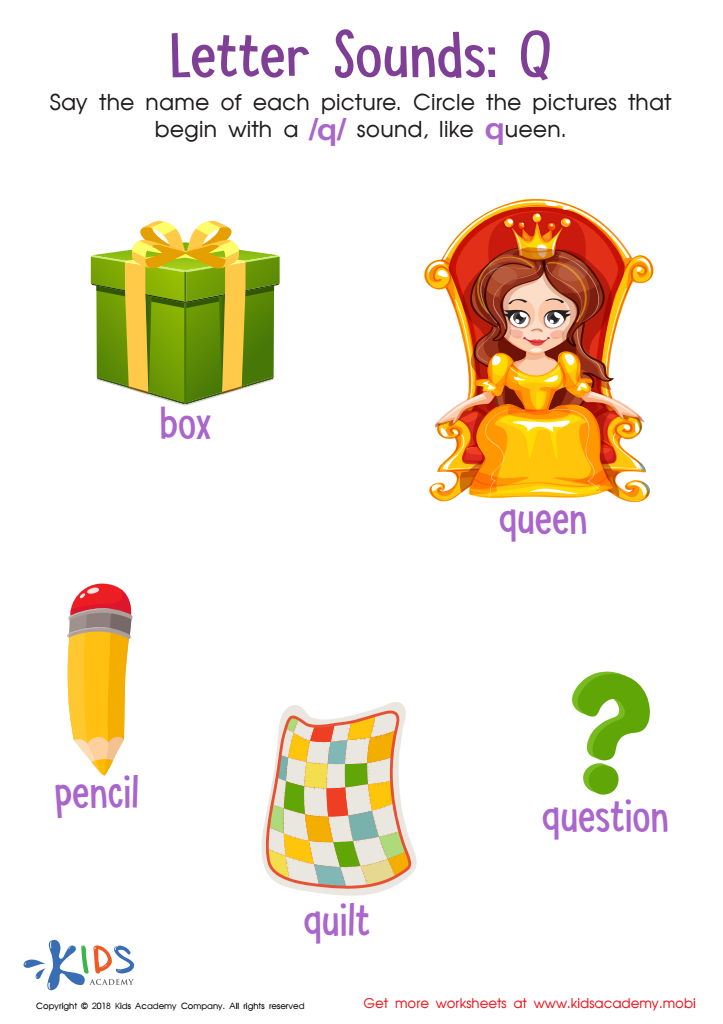
Letter Q Sounds Worksheet
 Assign to My Students
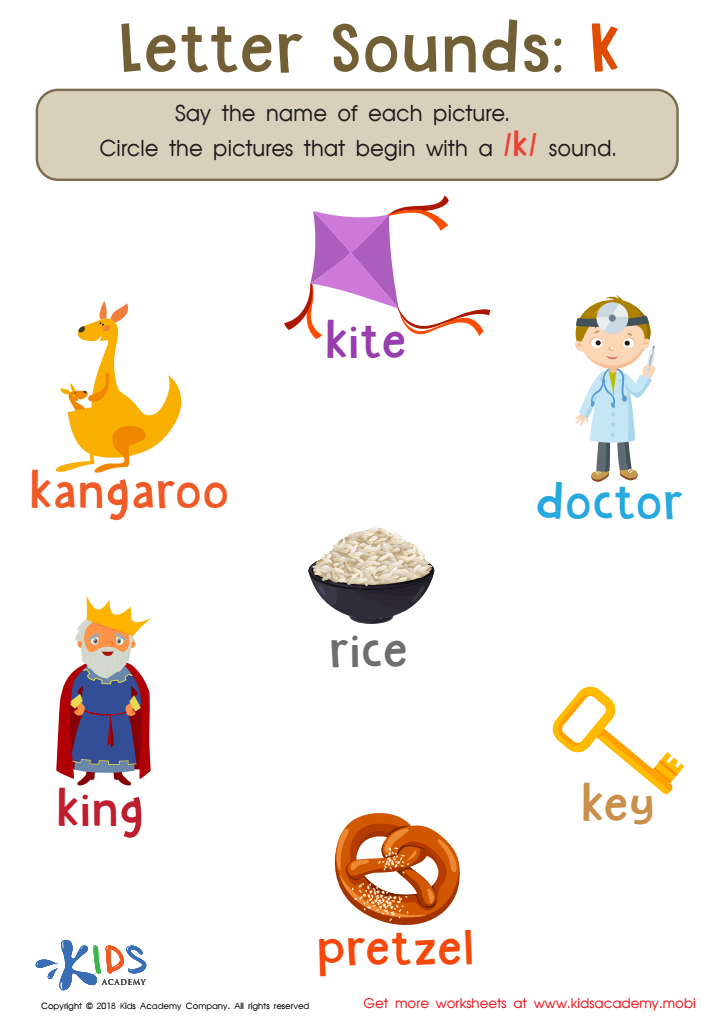
Letter K Sounds Worksheet
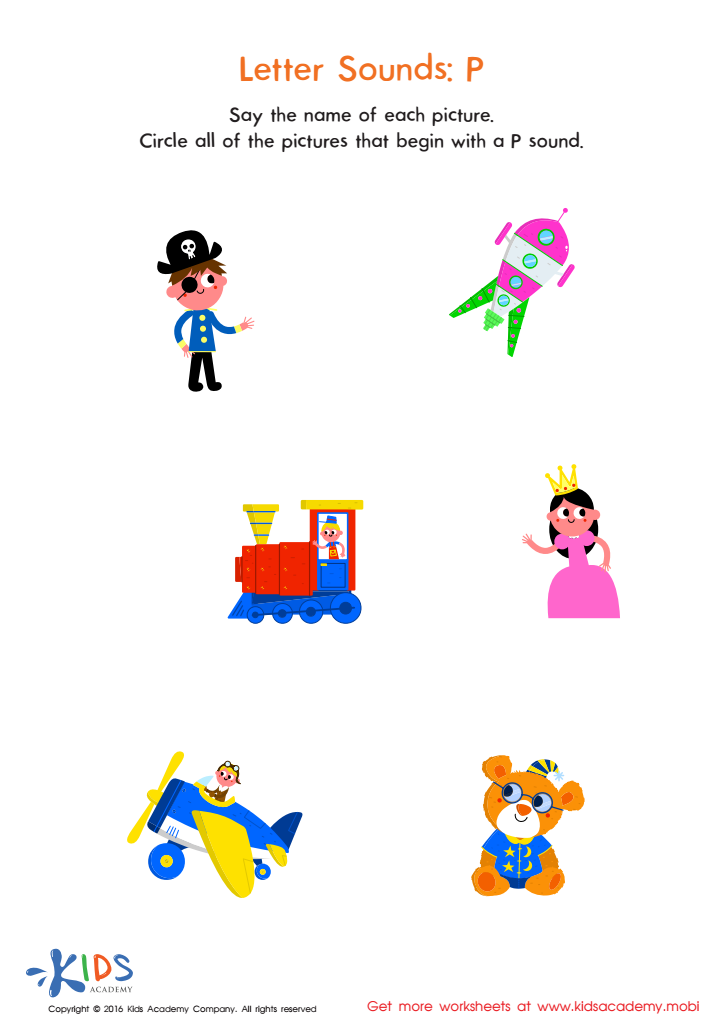
Letter P Sound Worksheet
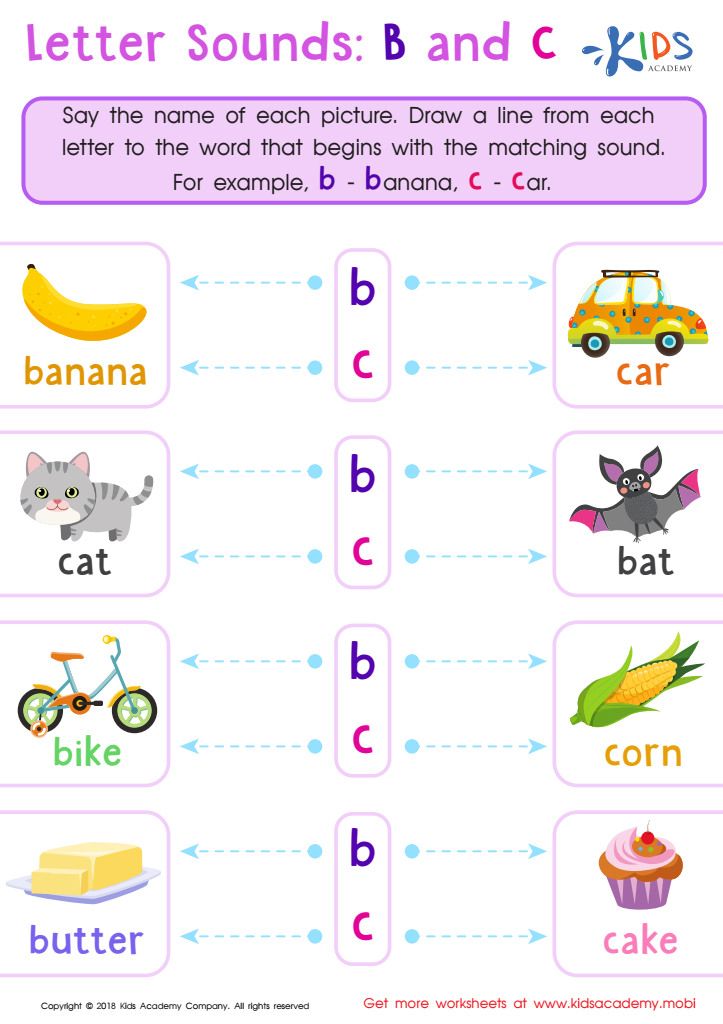
Letter B and C Sounds Worksheet
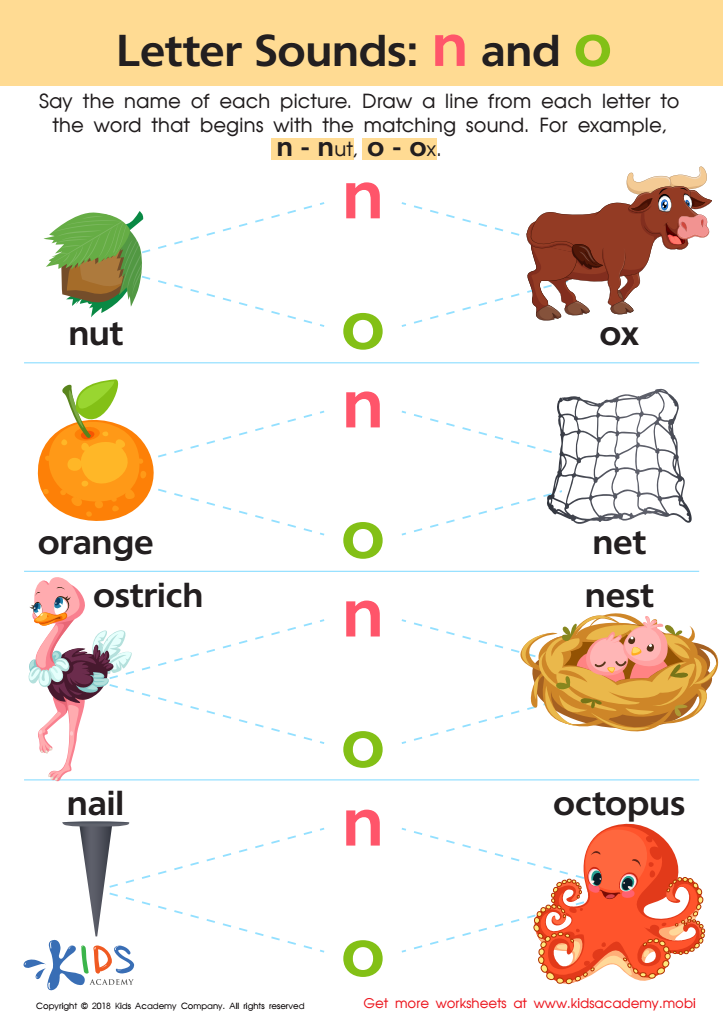
Letter N and O Sounds Worksheet
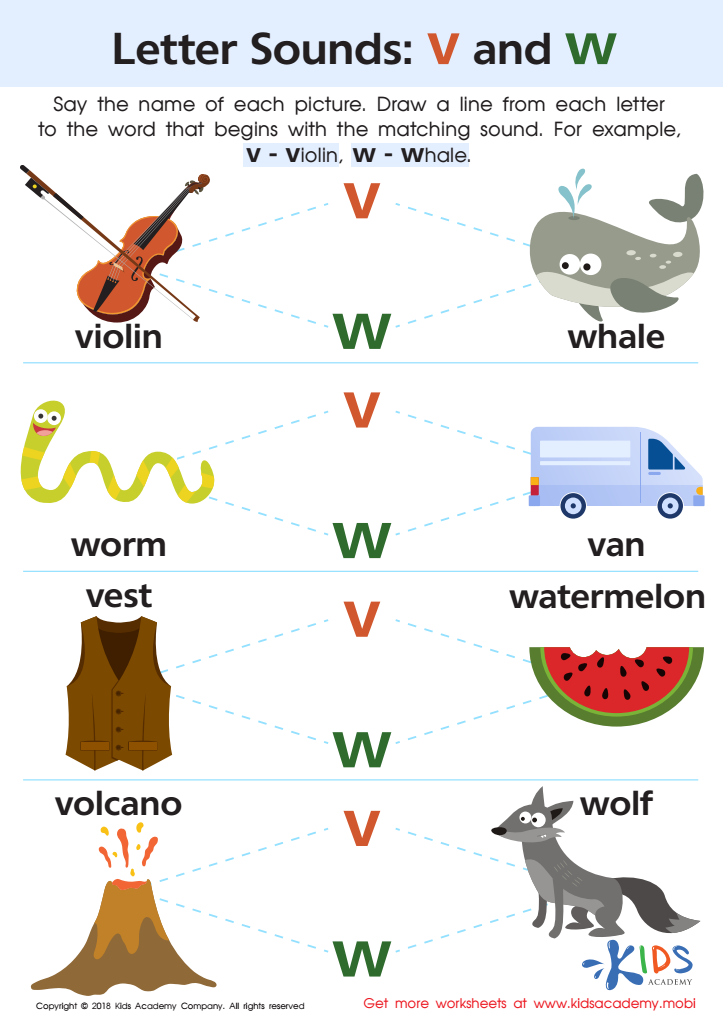
Letter V and W Sounds Worksheet
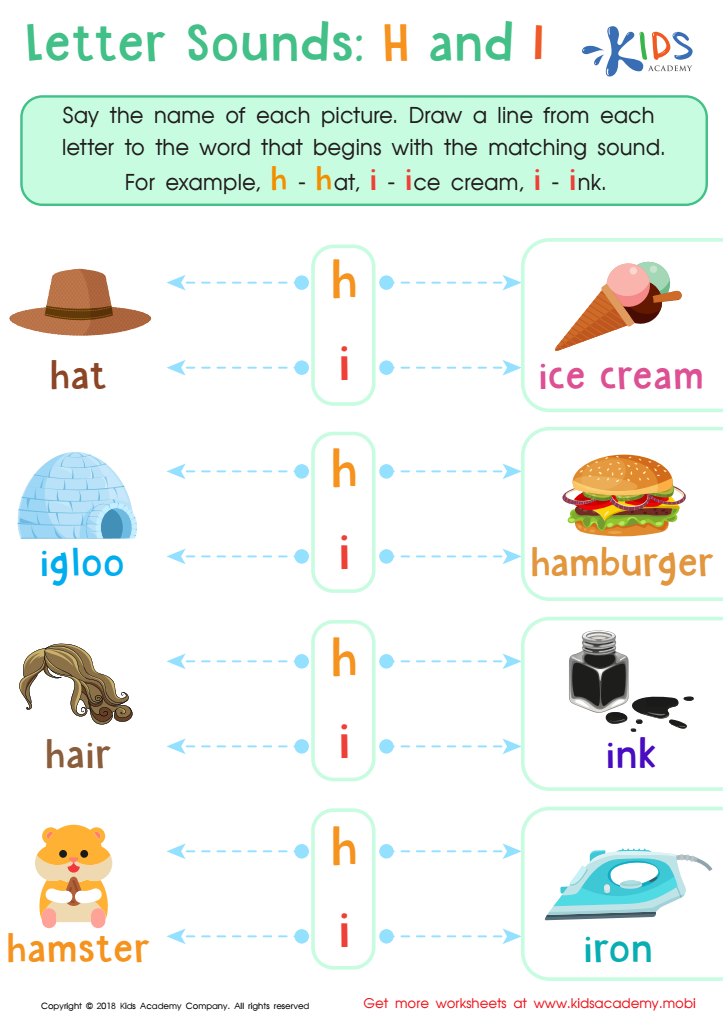
Letter H and I Sounds Worksheet
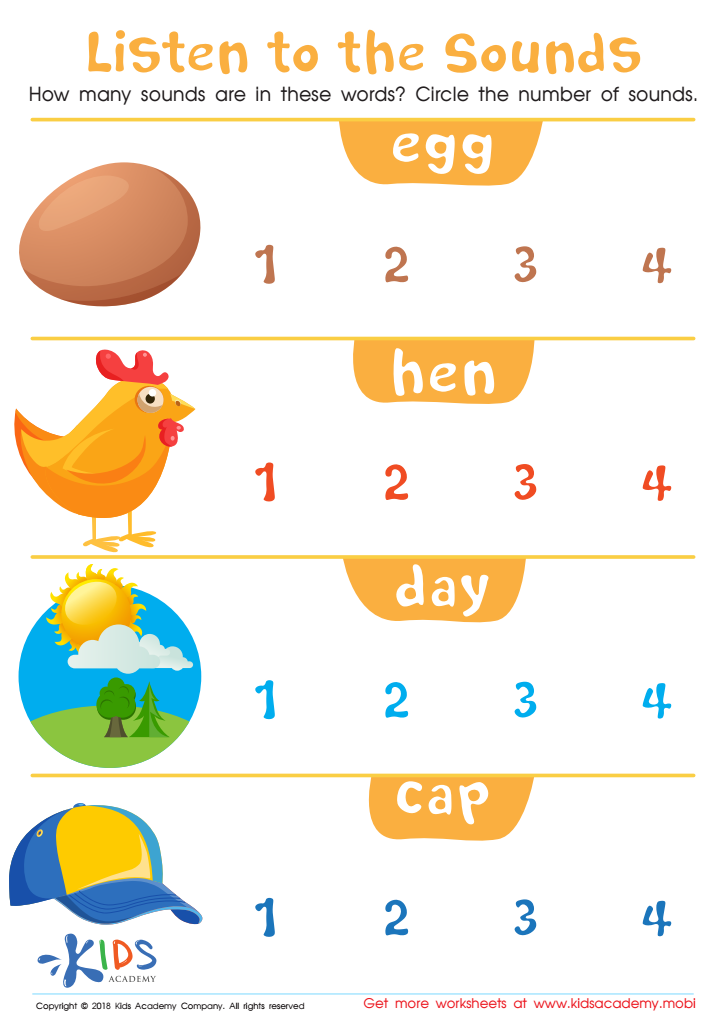
Listen to the Sounds Worksheet
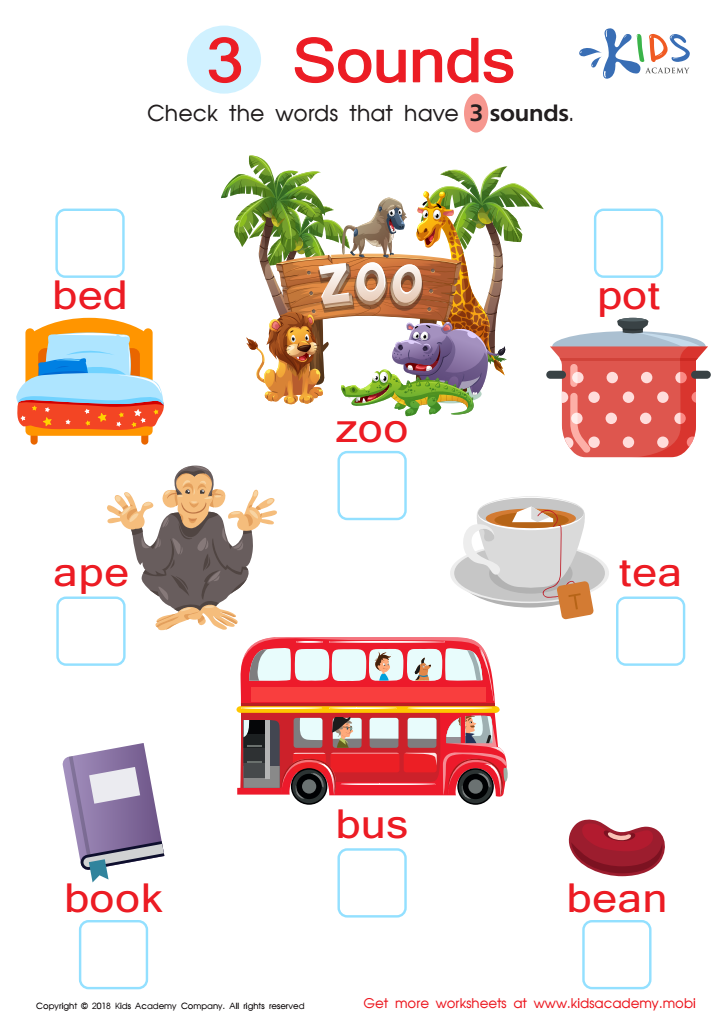
3 Sounds Worksheet
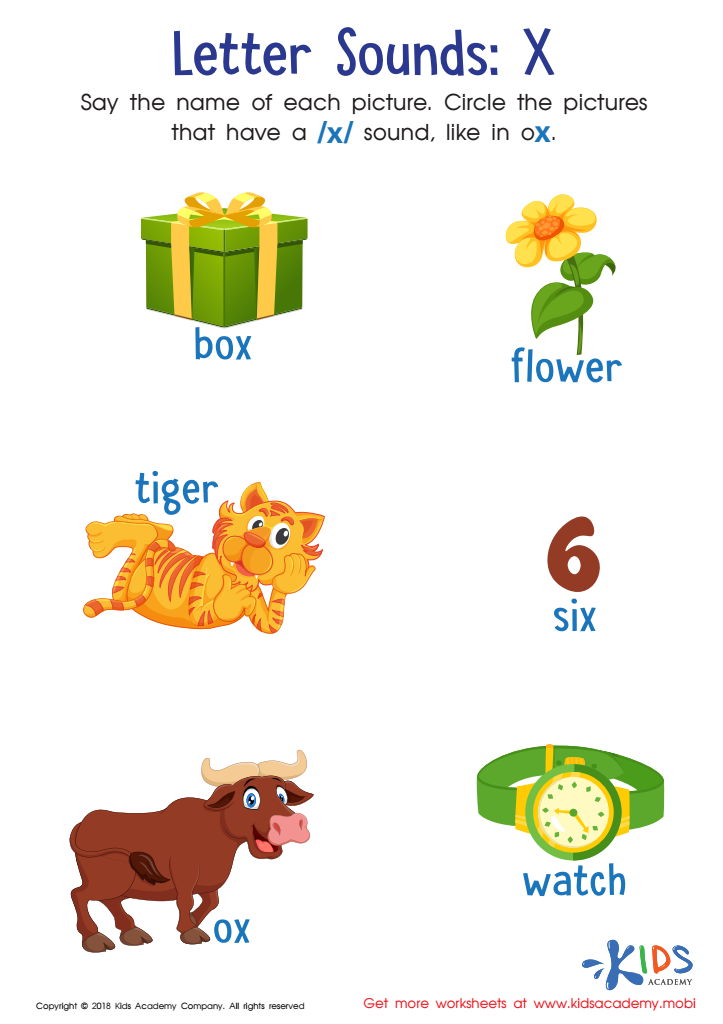
Letter X Sounds Worksheet
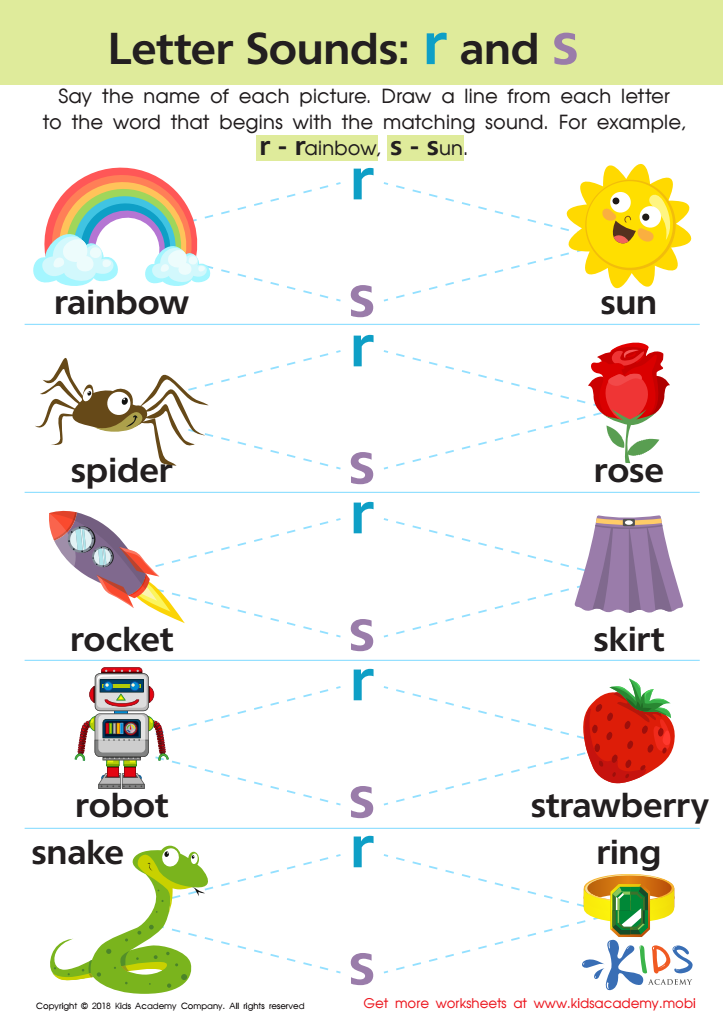
Letter R and S Sounds Worksheet
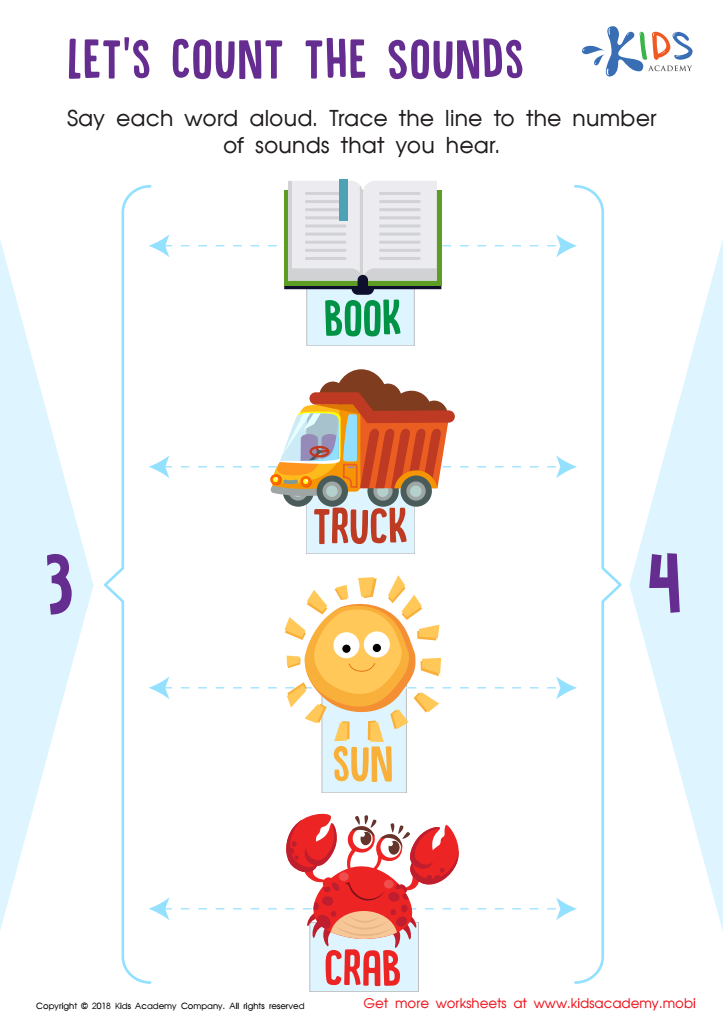
Let's Count the Sounds Worksheet
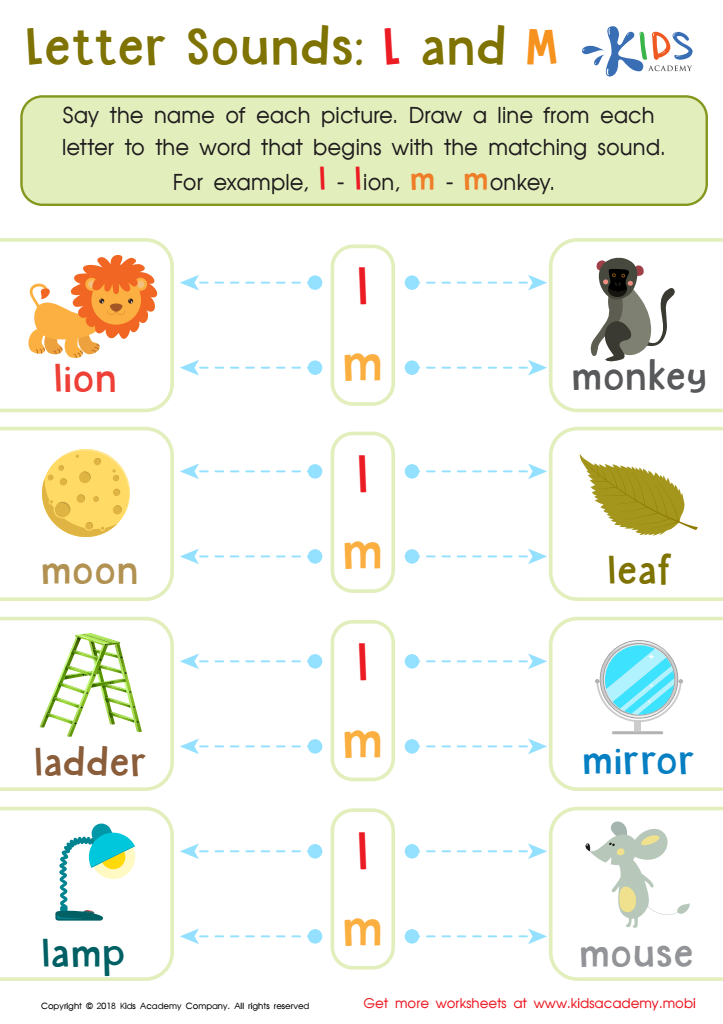
Letter l and M Sounds Worksheet
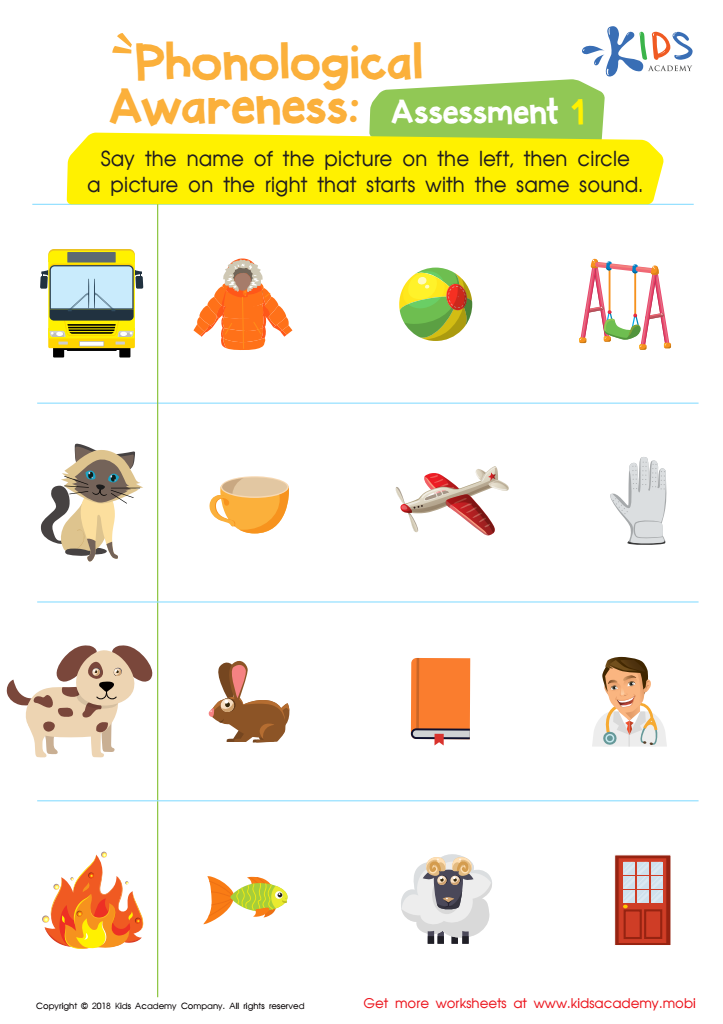
Phonological Awareness: Assessment 1 Worksheet
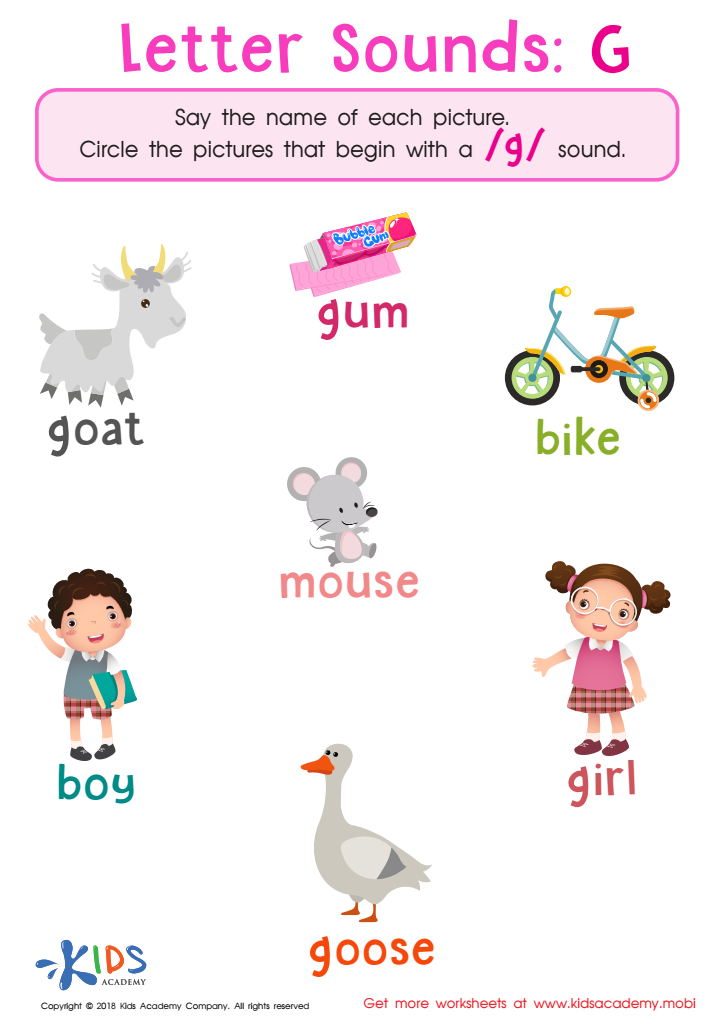
Letter G Sounds Worksheet
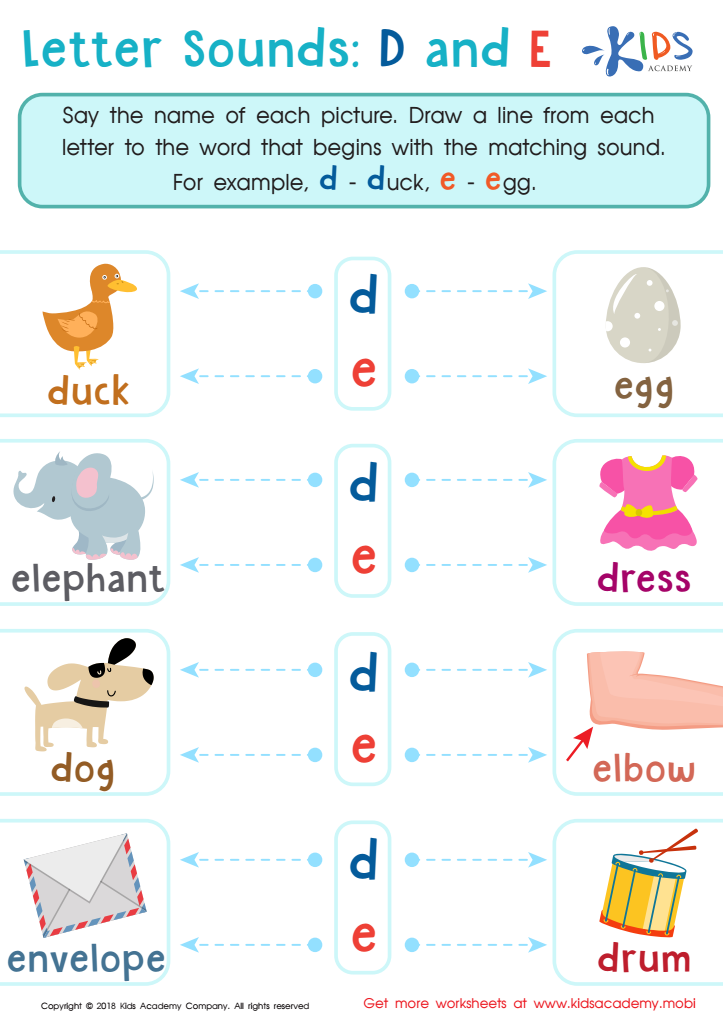
Letter D and E Sounds Worksheet








Parents and teachers should prioritize sound association with normal letter sounds for children ages 5-9 because it forms the cornerstone of early literacy development. At this crucial stage, children's brains are particularly receptive to language acquisition. Understanding the relationship between letters and their corresponding sounds (known as phonemic awareness) is fundamental in helping children decode words, which is essential for reading fluency.
When children can correctly associate sounds with their respective letters, they gain the skills necessary to recognize and pronounce new words, boosting their reading confidence and comprehension. This foundational skill also promotes spelling capabilities, as children learn to segment and blend sounds to form words accurately.
Moreover, proficiency in sound association facilitates a smoother transition from phonetic reading to encountering and understanding more complex texts. This early success becomes the stepping stone for later academic achievement, as reading competence is linked to performance across all subjects.
Additionally, the development of these skills at an early age fosters a love for reading by making it an enjoyable and less frustrating experience. Hence, engaging and systematic instruction in normal letter sounds supports the broader goal of nurturing lifelong, proficient readers. This is why both parents and teachers need to support and emphasize sound association during the early years of education.






