Word identification Normal Phonics Worksheets for Ages 5-9
6 filtered results
-
From - To
Discover our engaging Word Identification Normal Phonics Worksheets designed for children aged 5-9! These worksheets help young learners develop essential reading skills through fun and interactive exercises. Each activity focuses on identifying words, boosting vocabulary, and enhancing phonics understanding. Our collection supports a variety of learning styles, making it perfect for homeschooling, classrooms, or supplemental learning. With vibrant illustrations and age-appropriate content, children will enjoy practicing word recognition while building confidence in their reading abilities. Explore the exciting world of literacy with our carefully crafted worksheets and watch your child thrive in their educational journey!
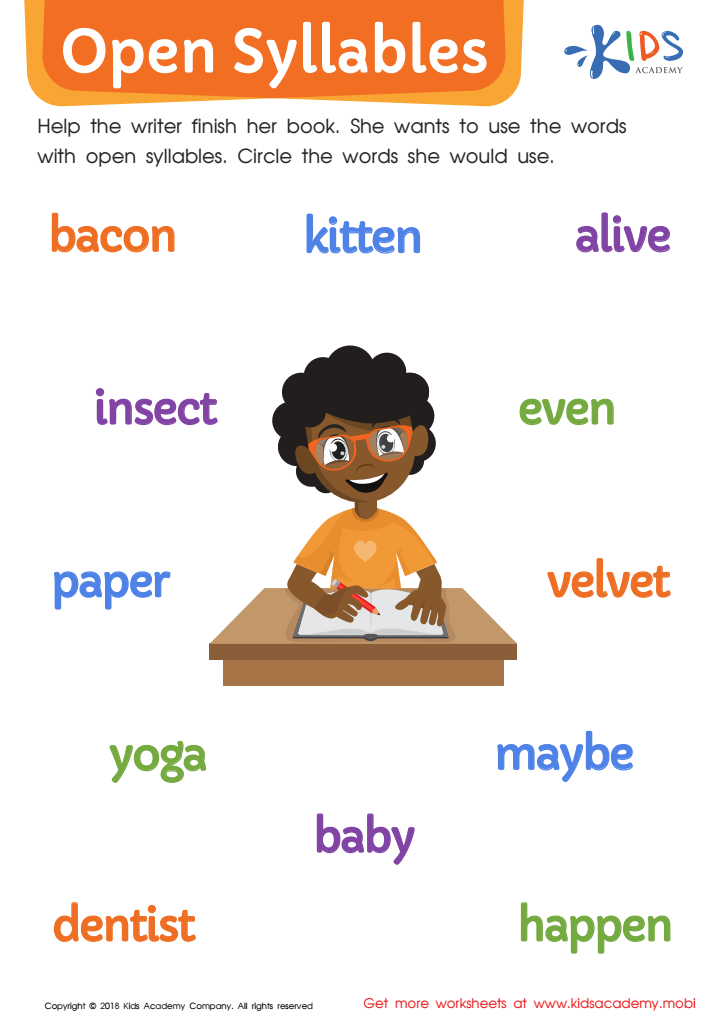
Open Syllables Worksheet
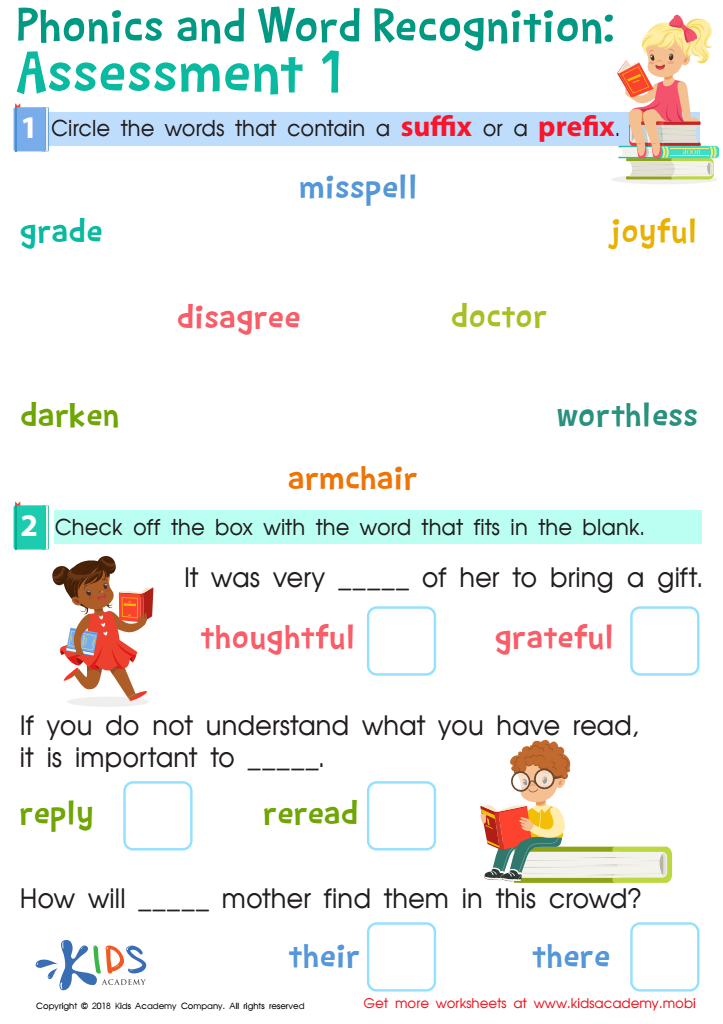
Phonics and Word Recognition: Assessment 1 Worksheet
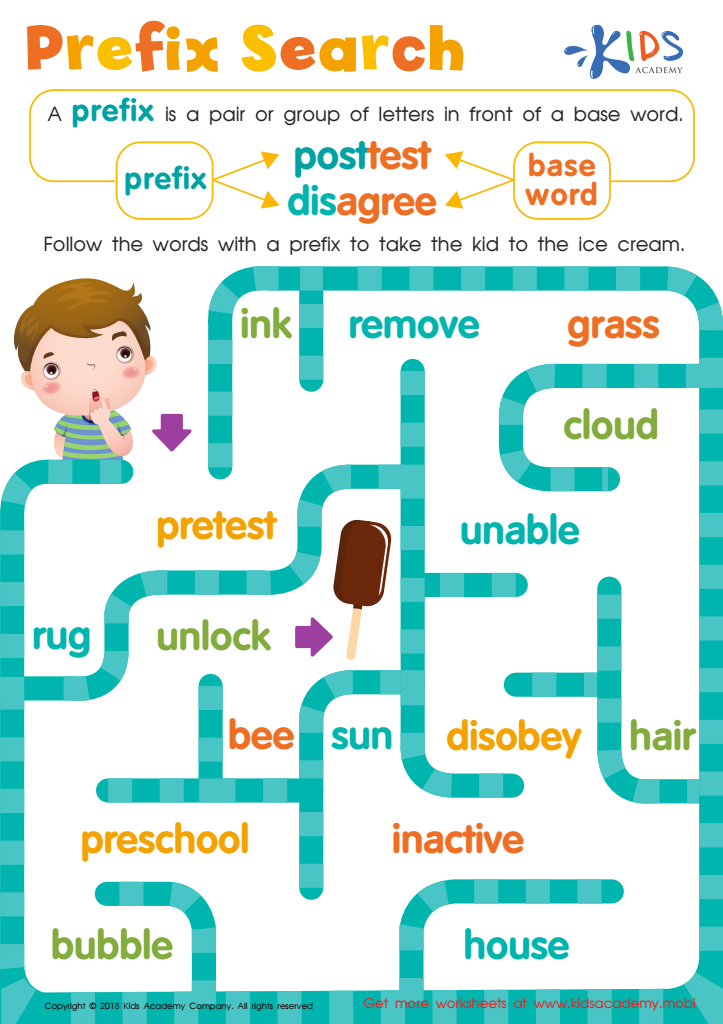
Reading: Prefix Search Worksheet
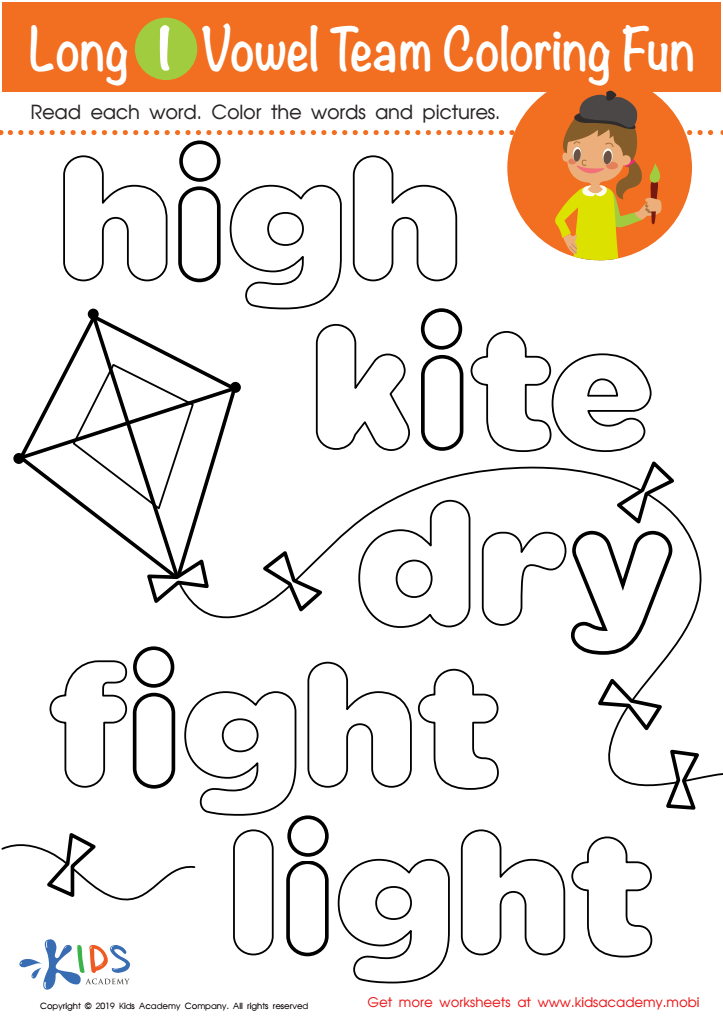
Long I Vowel Team Coloring Worksheet
 Assign to My Students
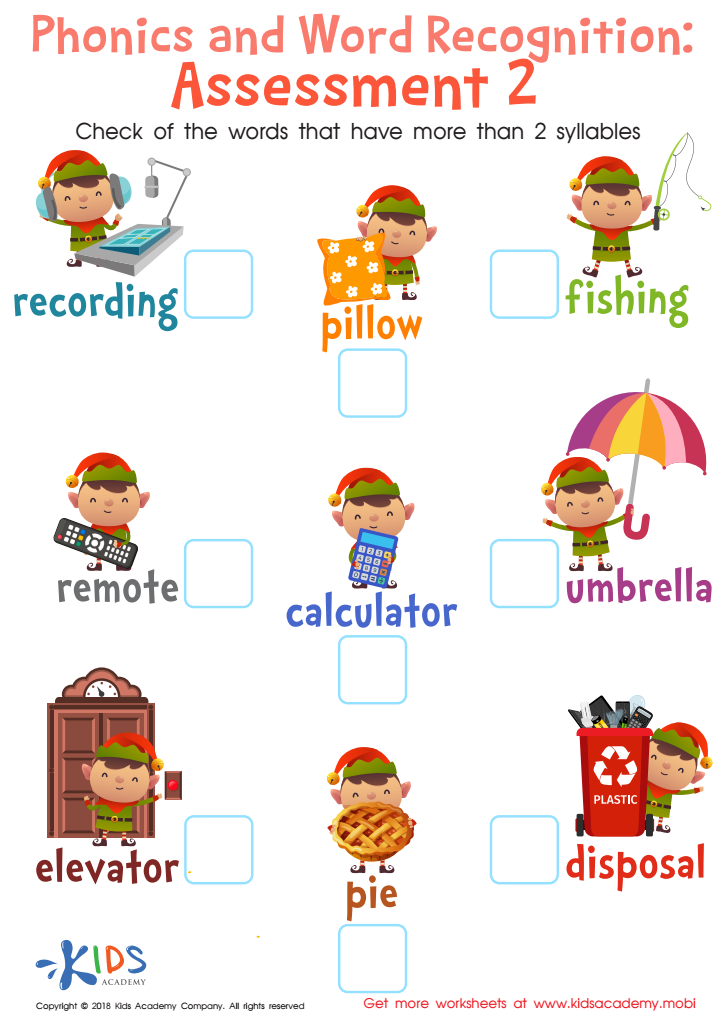
Phonics and Word Recognition: Assessment 2 Worksheet
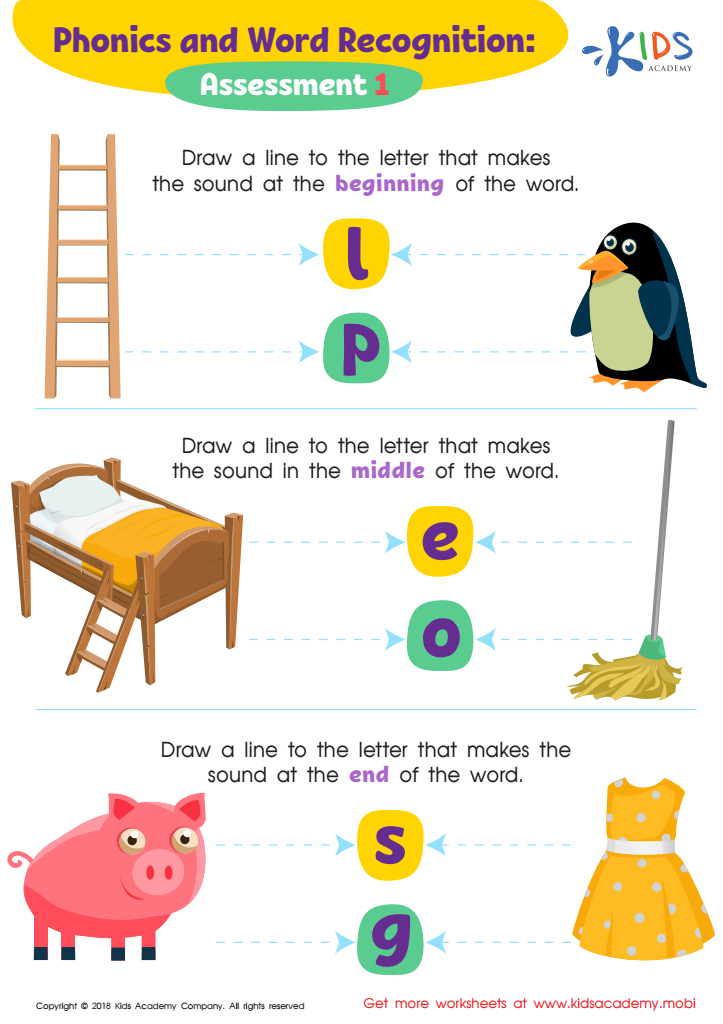
Phonics and Word Recognition: Assessment 1 ELA Worksheet








Word Identification Normal Phonics is essential for children aged 5 to 9, as it forms the foundation of their literacy development. This systematic approach helps young learners recognize and decode words effectively, fostering a sense of confidence and independence in reading. Parents and teachers should care about this method because it significantly enhances children’s reading fluency, making them more adept in comprehending texts, which is crucial for academic success across all subjects.
Moreover, phonics instruction reinforces the relationship between letters and sounds, enabling children to tackle unfamiliar words. This builds critical thinking skills since students learn strategies to approach new vocabulary. Early mastery of phonics can diminish future struggles with reading, as strong phonological awareness directly influences a child's ability to read and write proficiently.
Additionally, proficient readers are more likely to develop a habit and love for reading, which opens doors to imagination and creativity. In partnering with educators, parents can reinforce these skills at home, aiding their children's successful transition through early education. Ultimately, focusing on Word Identification Normal Phonics empowers students and lays a solid groundwork for lifelong literacy skills, ensuring they are well-equipped for the challenges of higher levels of learning.







