Word identification Normal Writing Worksheets for Ages 5-9
5 filtered results
-
From - To
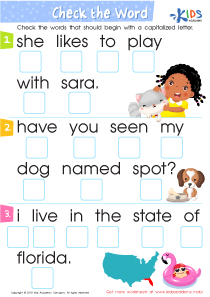
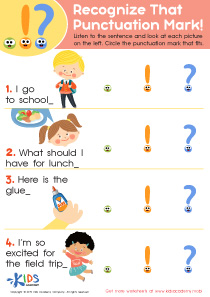
Discover our engaging Word Identification Normal Writing Worksheets designed for children ages 5-9! These worksheets focus on enhancing young learners' vocabulary and reading skills through fun and interactive exercises. Each activity encourages kids to identify, match, and write words, fostering their language development in a playful environment. With a variety of colorful illustrations and relatable themes, these worksheets capture children's interest and make learning enjoyable. Perfect for both classroom use and at-home practice, our resources help build foundational literacy skills essential for future academic success. Explore our collection today and ignite a love for reading and writing in your child!
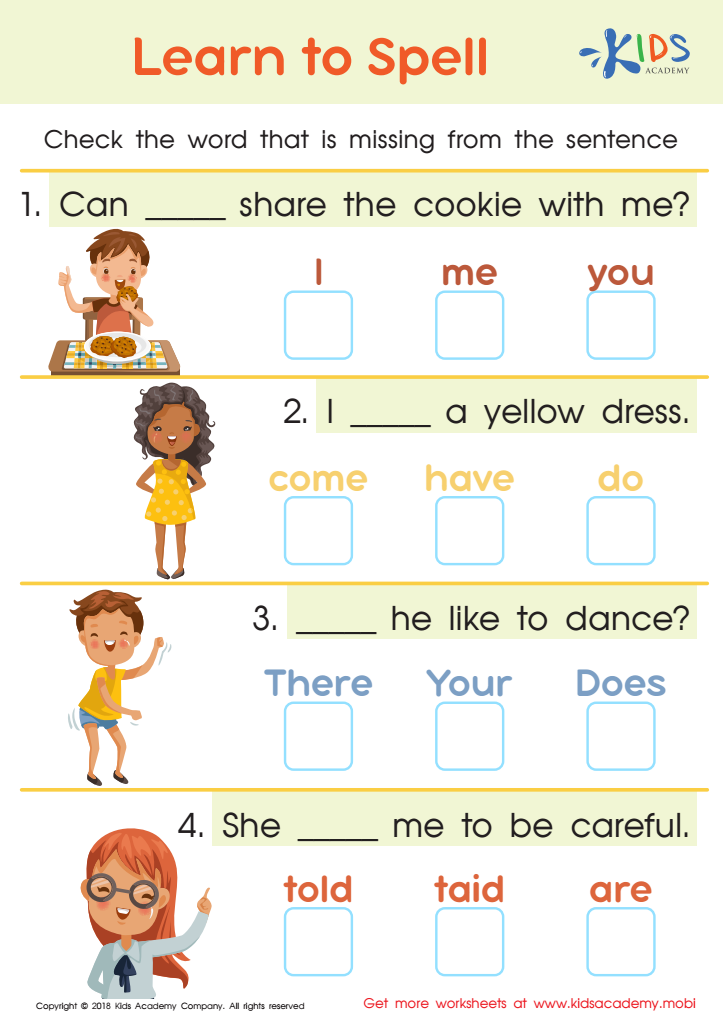
Learn to Spell Worksheet
 Assign to My Students
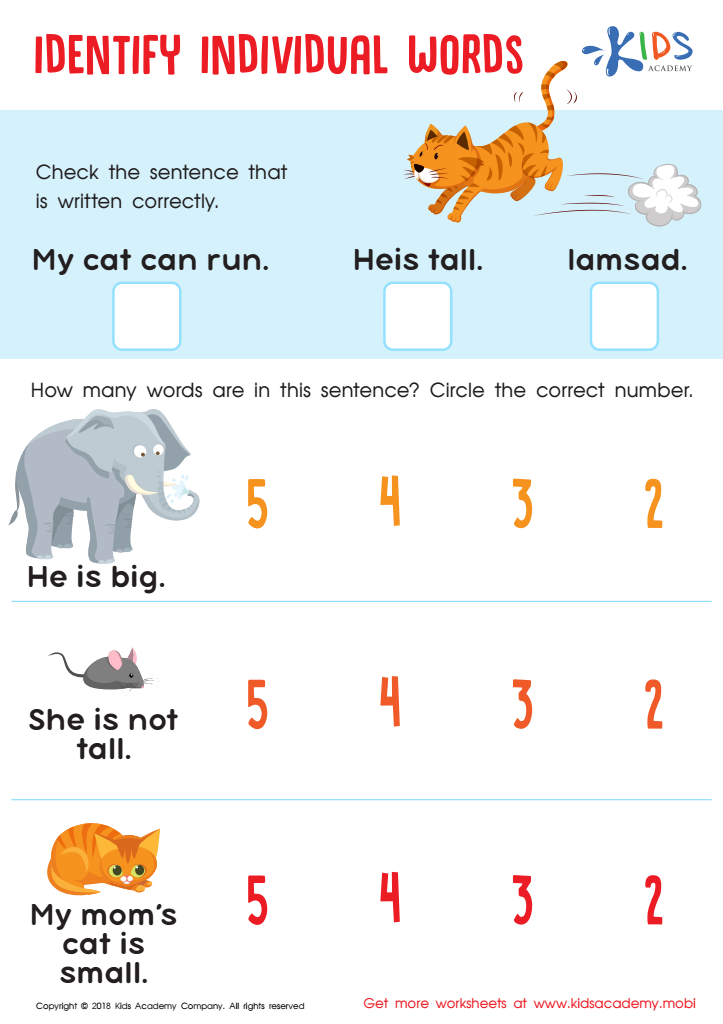
Identify Individual Words Worksheet
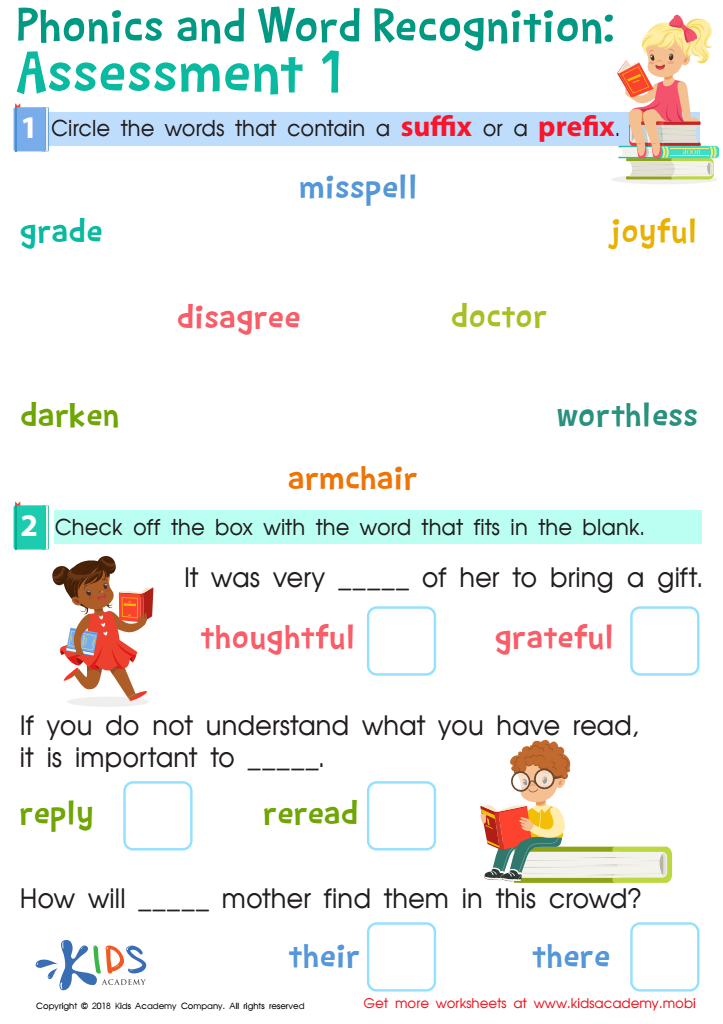
Phonics and Word Recognition: Assessment 1 Worksheet
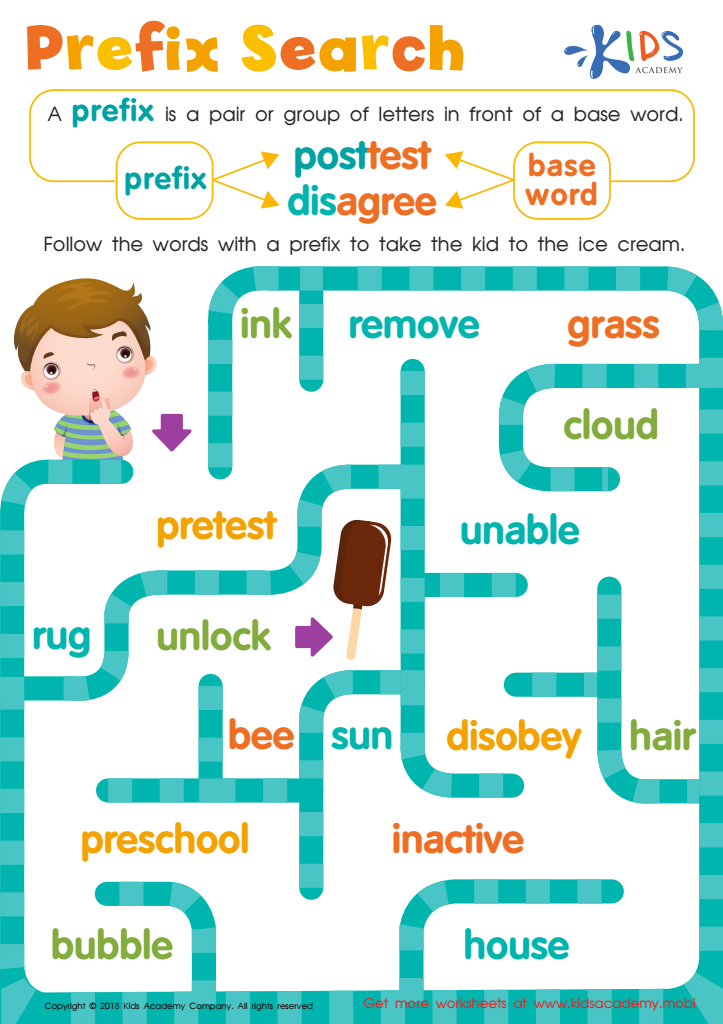
Reading: Prefix Search Worksheet
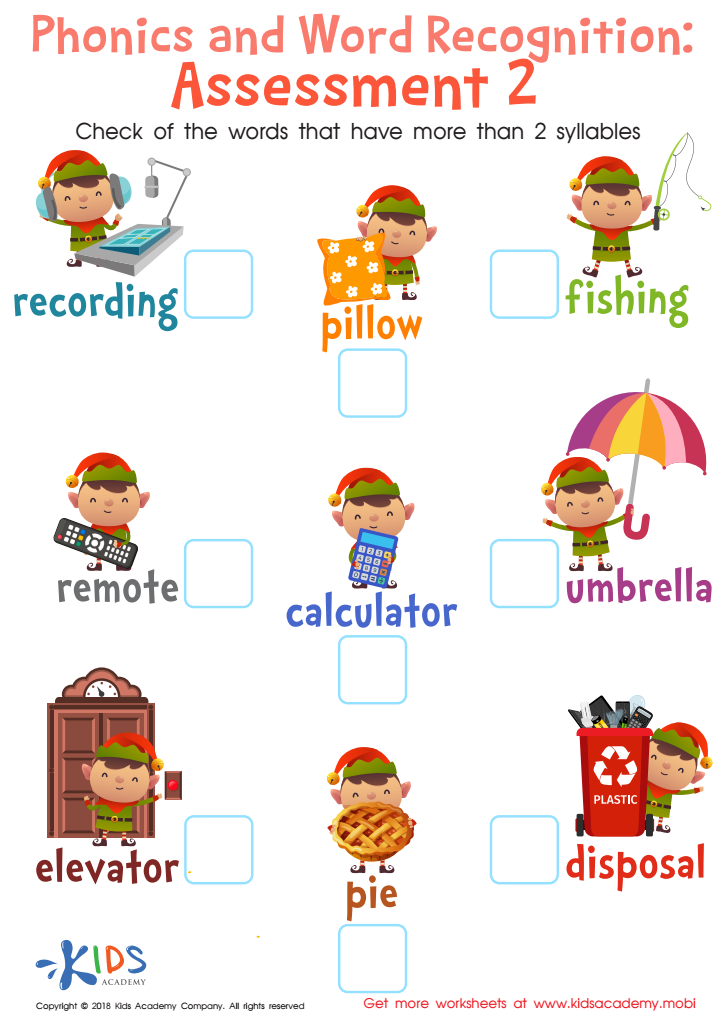
Phonics and Word Recognition: Assessment 2 Worksheet



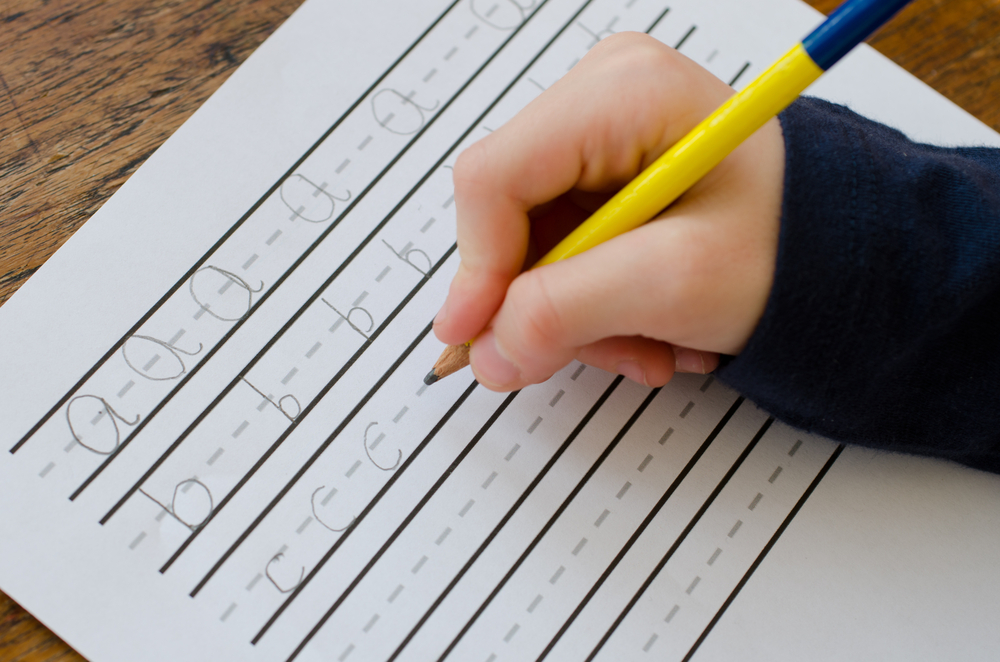


Word identification in normal writing is crucial for children aged 5-9 as it lays the foundation for reading and literacy skills. During these formative years, children are developing their ability to recognize, decode, and comprehend words. This skill is not only pivotal for reading but also for fostering a love of literature and learning. When children can identify words effortlessly, they are more likely to engage with texts, enhancing their vocabulary and comprehension skills.
For parents and teachers, recognizing the importance of word identification means supporting children's cognitive development. At this age, children's brains are highly receptive, making it the perfect time to introduce varied reading materials and activities that promote word recognition. Furthermore, successful word identification boosts children's confidence and self-esteem, leading to a positive attitude toward learning.
By nurturing this essential skill, adults can help children transition from phonics-based approaches to fluent reading, enriching both their academic journey and personal growth. Engaging in activities like word games, reading together, and discussing books can supplement their learning experience, showing them that literacy is not just a subject, but a gateway to understanding the world around them.