Word Recognition Normal Two Letter Phonics Worksheets for Ages 5-9
6 filtered results
-
From - To
Welcome to our “Word Recognition Normal Two Letter Phonics Worksheets” page, designed specifically for children aged 5-9! These engaging worksheets help young learners build essential phonics skills by focusing on two-letter words. Through fun activities and illustrations, kids practice word recognition, improving their reading fluency and confidence. Our resources align with early literacy standards, making learning both effective and enjoyable. Whether for classroom or home use, these worksheets are perfect for reinforcing phonics lessons and enhancing vocabulary. Explore our colorful, interactive materials to support your child's learning journey and foster a love for reading! Dive into phonics fun today!
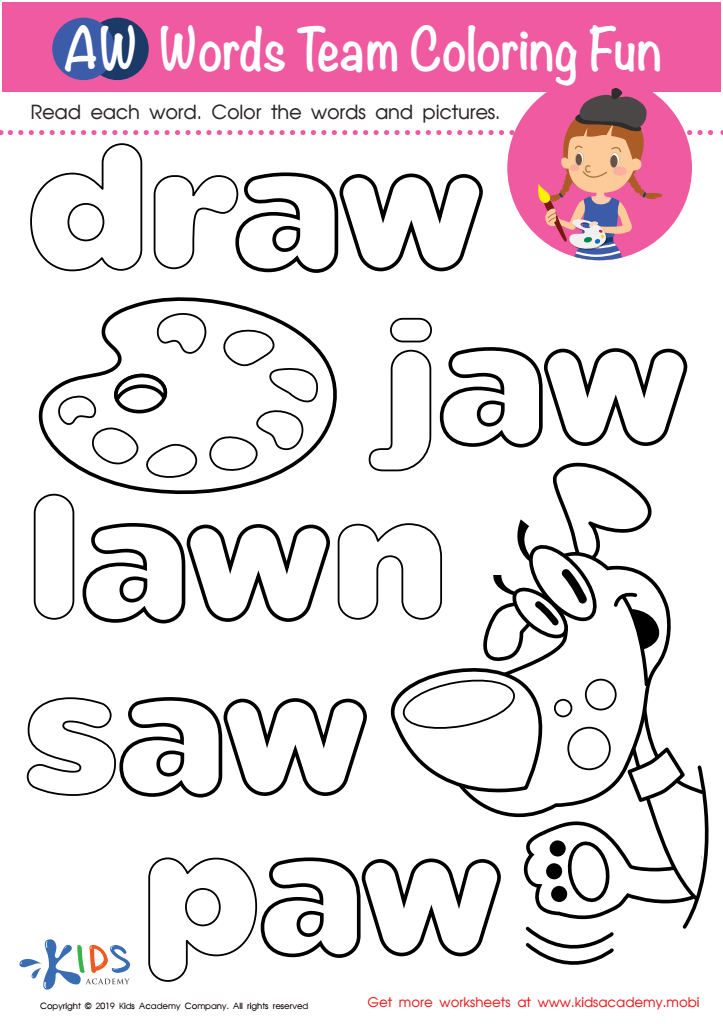
AW Words Team Coloring Fun Worksheet
 Assign to My Students
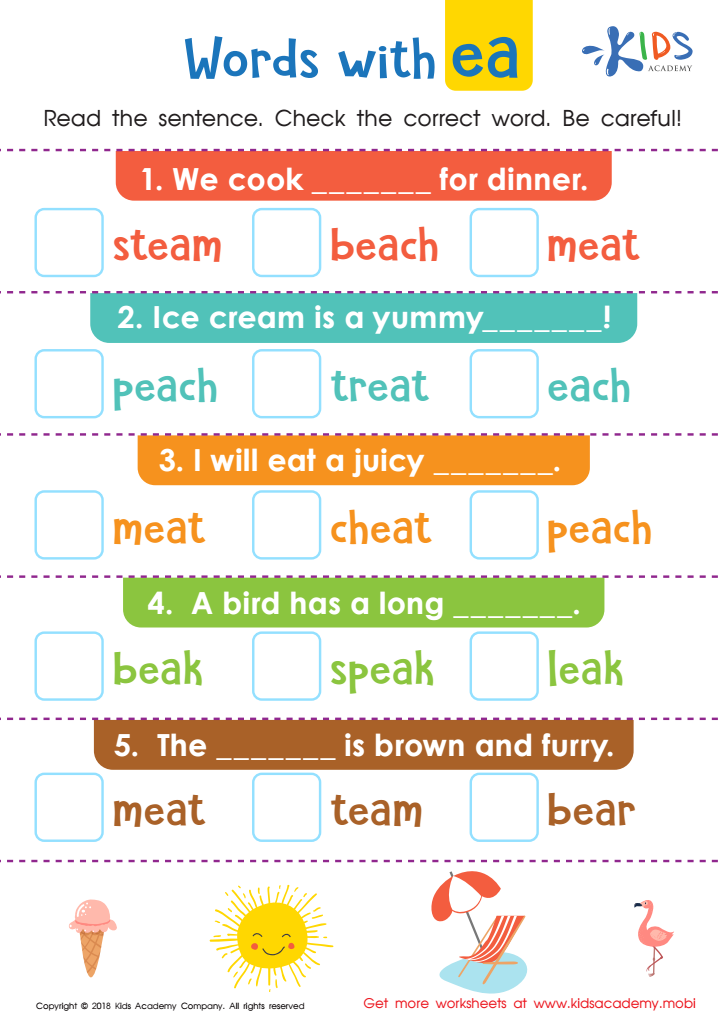
Words with ea Worksheet
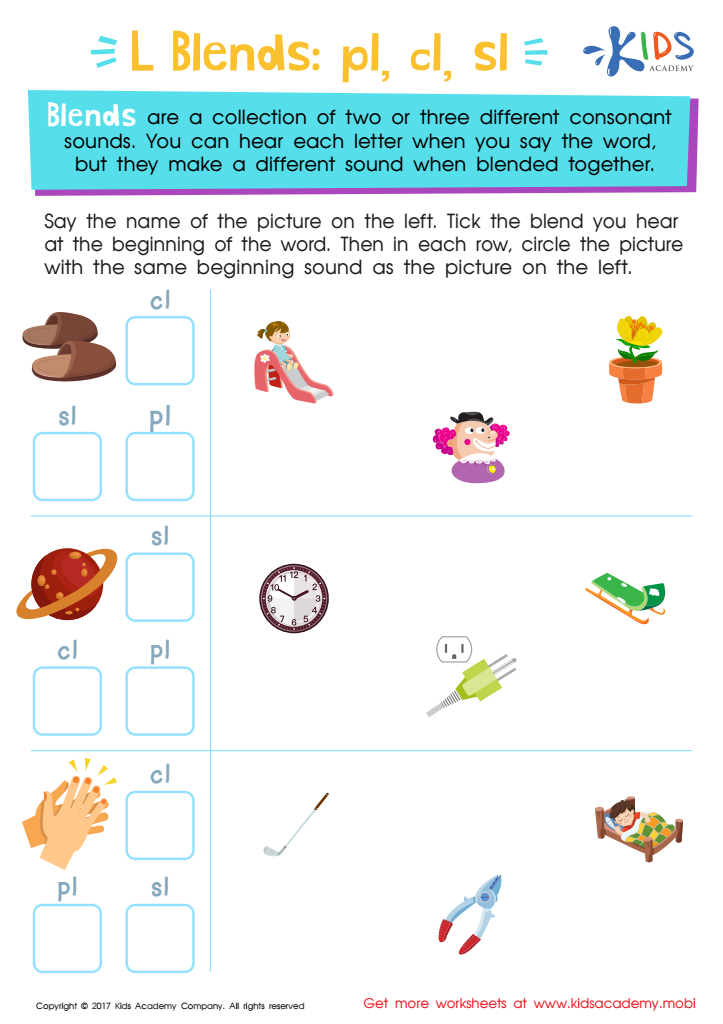
L Blends: "Pl", "Cl" and "Sl" Printable
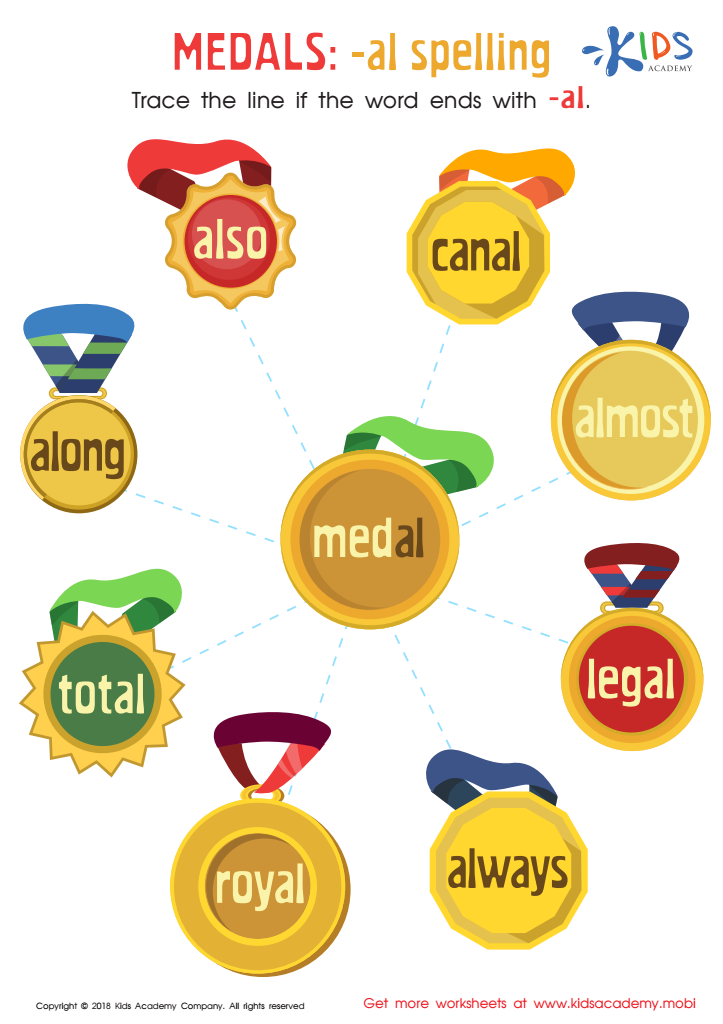
Medals: Al Spelling Worksheet
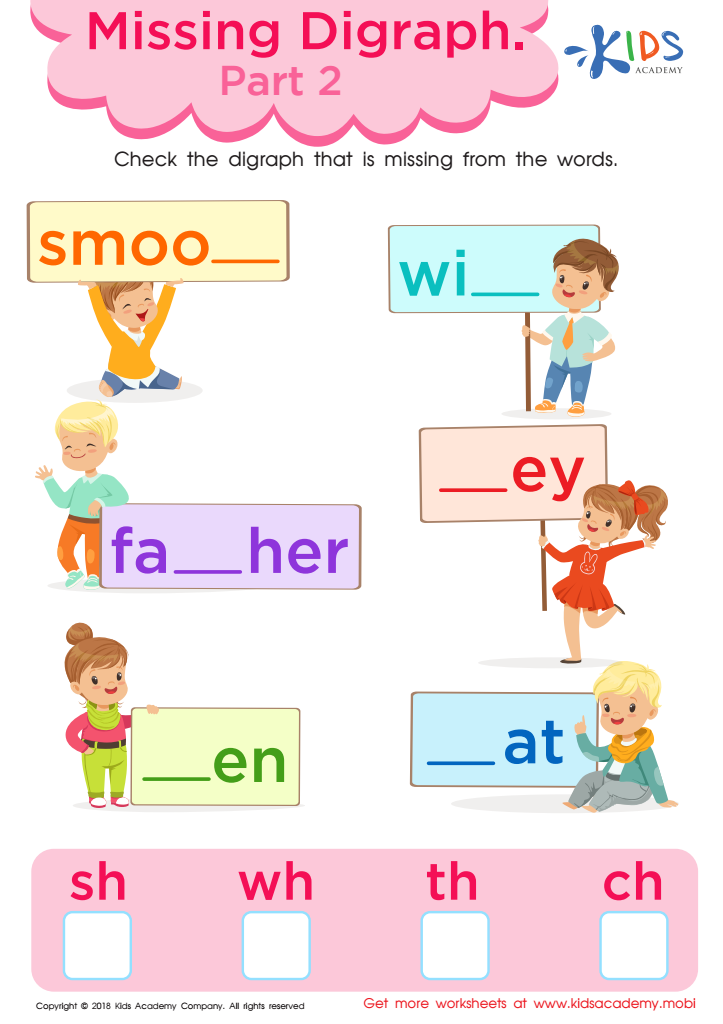
Missing Digraph: Part 2 Worksheet
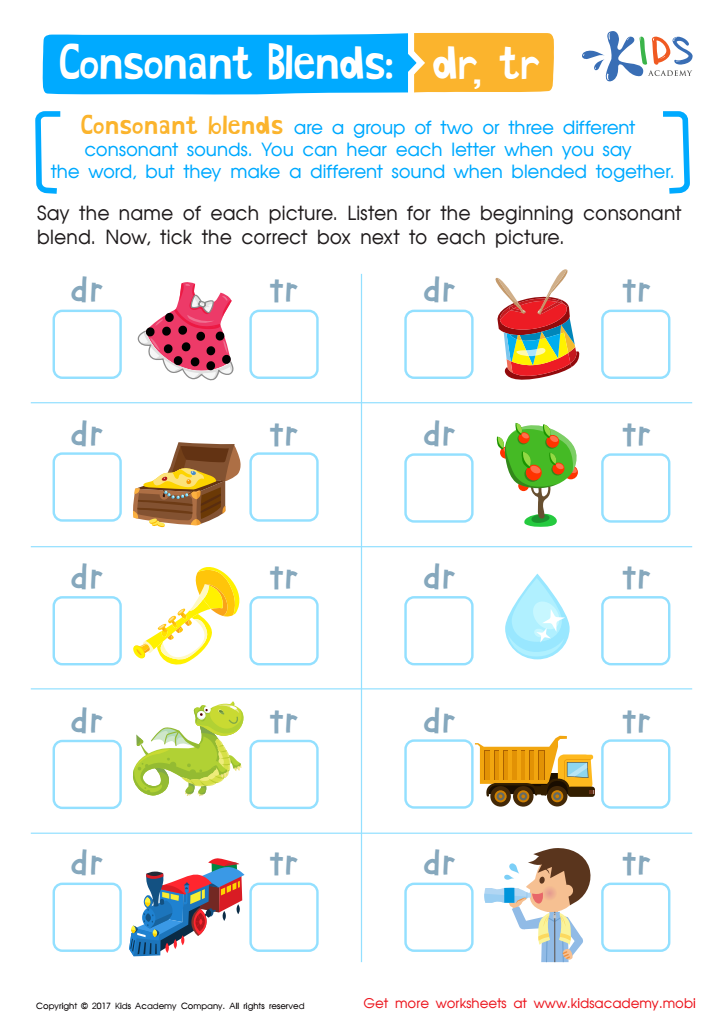
Consonant Blends: "Dr" and "Tr" Printable



Word recognition, particularly through normal two-letter phonics, is a crucial aspect of early literacy development for children aged 5-9. During these formative years, children are building the foundation for reading, and mastery of phonics is vital. Two-letter phonics helps children decode words effectively, aiding in their ability to sound out letters and form connections between sounds and letters.
By focusing on word recognition through these phonetic pairings, parents and teachers can enhance children's reading fluency. Improved fluency boosts comprehension, enabling children to engage actively with texts. Additionally, children who develop strong word recognition skills at an early age tend to experience greater confidence in their reading abilities, encourage a love for reading and ultimately foster academic success in later grades.
Moreover, two-letter phonics is engaging and can easily be incorporated into daily activities, making learning enjoyable. When parents and teachers actively participate in this process, children receive a supportive and enriching learning environment. Ensuring that children grasp these phonics not only helps them with immediate literacy skills but also sets the groundwork for future reading challenges, leading to a lifetime of learning and achievement.






