Letter tracing skills Normal Uppercase Letters Worksheets for Ages 5-9
3 filtered results
-
From - To
Explore our engaging "Letter Tracing Skills Normal Uppercase Letters Worksheets" designed for children ages 5-9! These worksheets provide a fun and interactive way for young learners to develop their handwriting skills. Each activity focuses on tracing uppercase letters, allowing kids to refine their motor skills and gain confidence in writing. The visually appealing layout captures children's attention, making learning enjoyable while strengthening letter recognition and fine motor control. Perfect for classroom use or at-home practice, these worksheets are an essential tool for parents and educators looking to enhance early literacy skills. Start building a foundation for successful writing today!
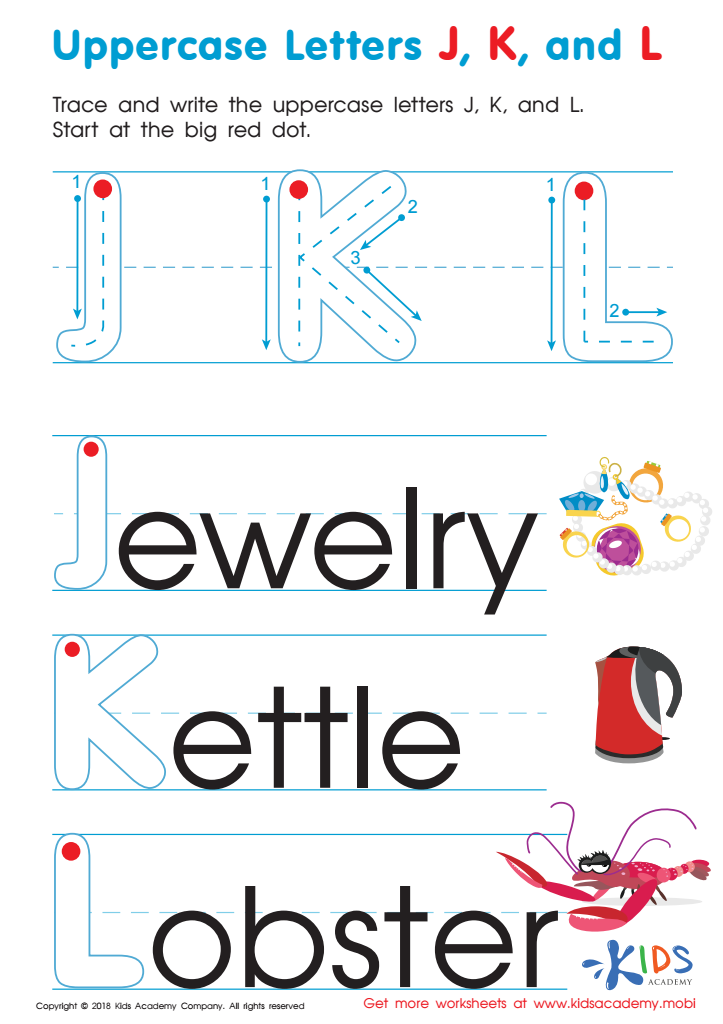
Uppercase Letters J, K, and L Worksheet
 Assign to My Students

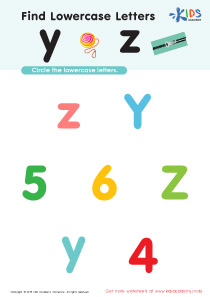
Uppercase Letters Y Z Worksheet
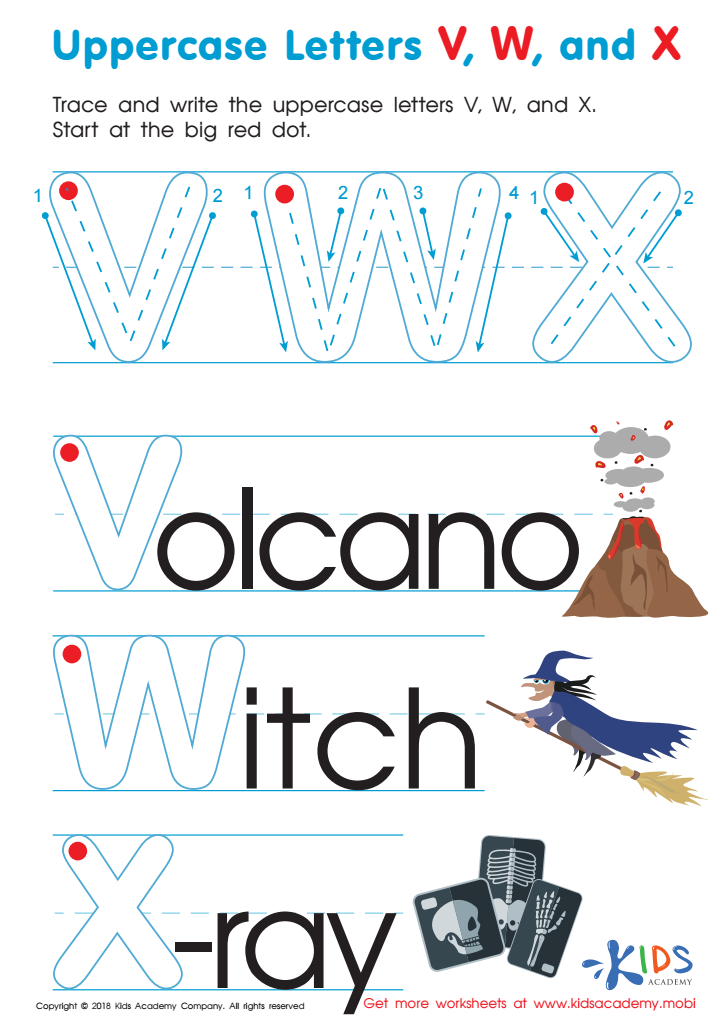
Uppercase Letters V, W, and X Worksheet








Letter tracing skills for uppercase letters are vital for children aged 5-9 as they lay the foundation for effective writing and literacy development. Mastery of uppercase letters not only enhances fine motor skills but also fosters a strong understanding of the alphabet, which is essential for reading and writing. When children practice tracing, they develop proper letter formation, which contributes to readability and confidence in their handwriting.
Additionally, recognizing and producing uppercase letters is a critical first step in the writing process; these letters are typically used at the beginning of sentences and for proper nouns, such as names and places. As children progress in their literacy journey, knowing how to write and identify uppercase letters helps them in contextual word usage and sentence structure.
Furthermore, tracing can be an engaging and fun activity that promotes focus and concentration. It encourages children to spend time writing, which can enhance their overall academic performance. For parents and teachers, supporting the development of letter tracing skills not only satisfies educational milestones but also nurtures a love for learning, setting the stage for future success in reading and writing. Therefore, parents and teachers should prioritize these skills to foster essential literacy abilities in young learners.