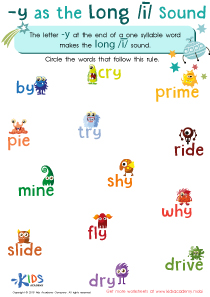
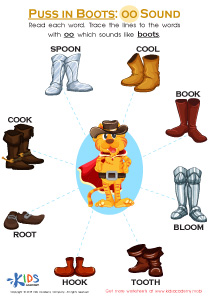
Phonics Skills Normal Vowel Blends Worksheets for Ages 5-9
5 filtered results
-
From - To
Discover our engaging Phonics Skills Worksheets focusing on normal vowel blends, designed specifically for children ages 5-9. These interactive resources enhance early literacy by helping young learners recognize and master vowel blends through fun activities and exercises. Our worksheets support phonemic awareness, allowing students to practice reading and spelling skills at their own pace. Each worksheet is thoughtfully crafted to captivate your child's interest while promoting essential language development. Ideal for classroom or home use, these phonics worksheets foster a solid foundation in language that will benefit your child's reading journey for years to come. Start blending success today!
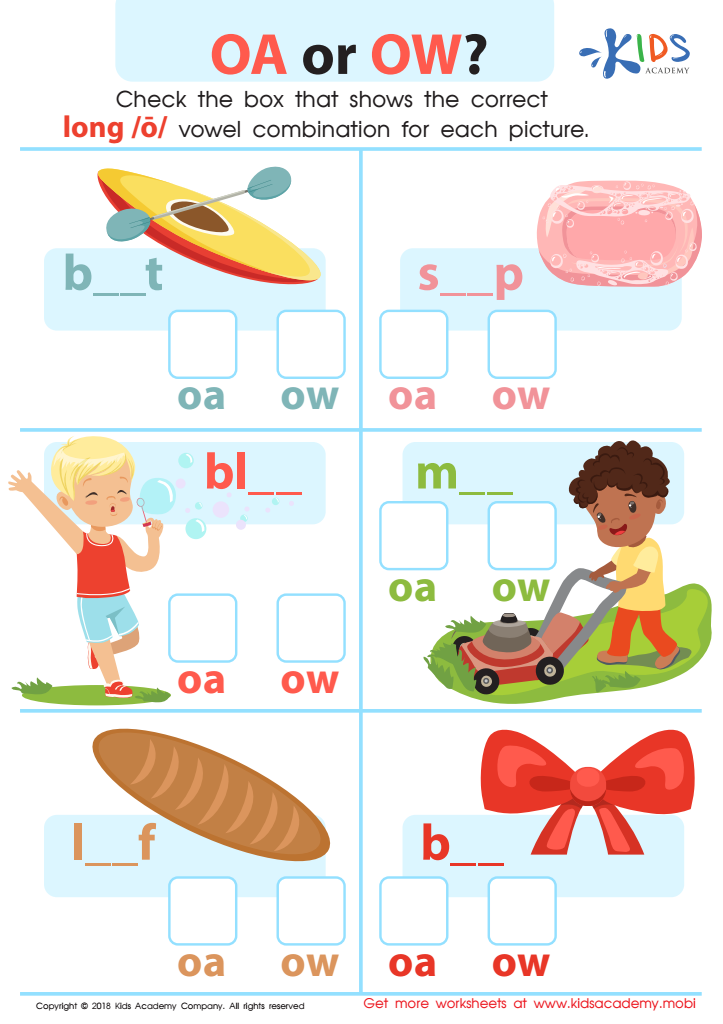
Reading: OA or OW Worksheet
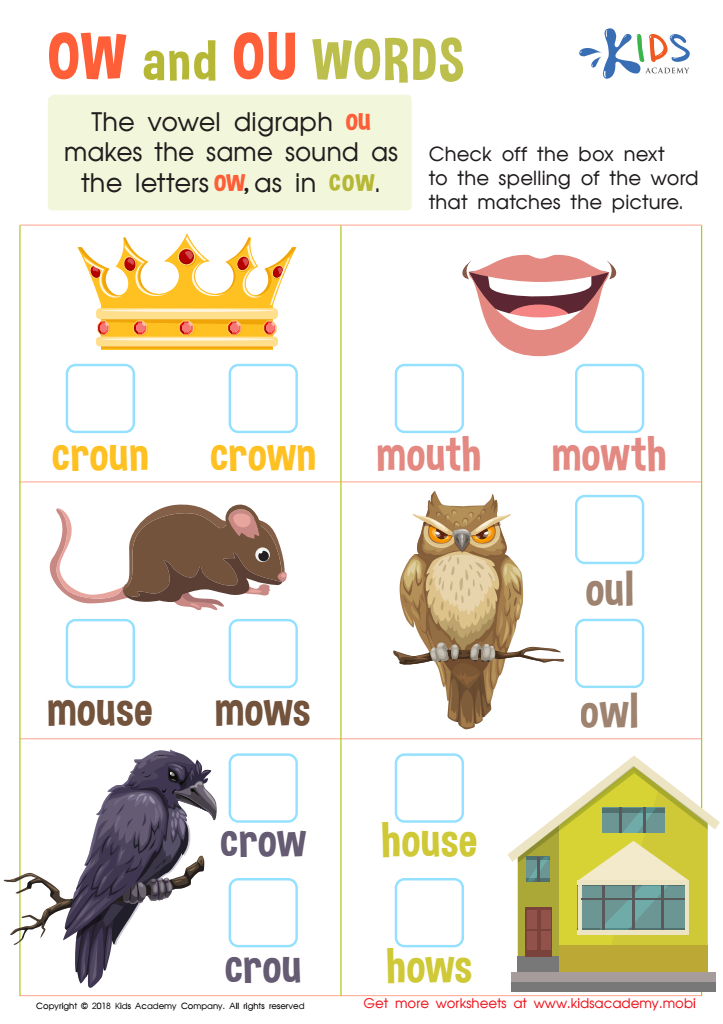
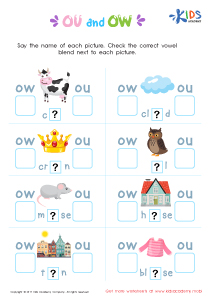
Reading: OW and OU Words Worksheet
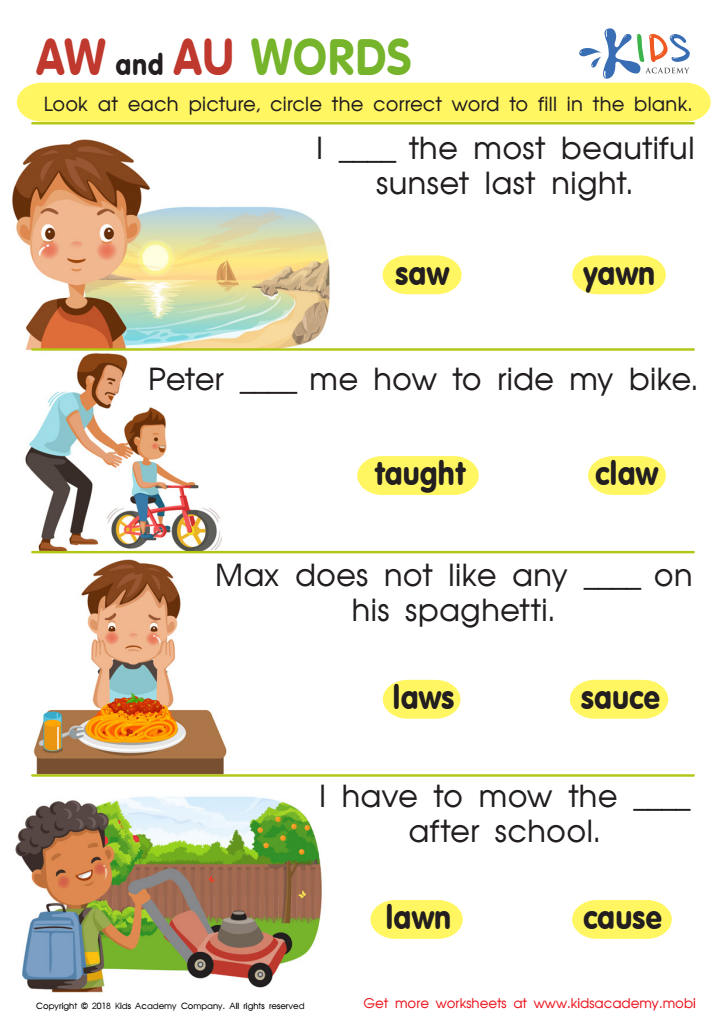
Reading: AW and AU Words Worksheet
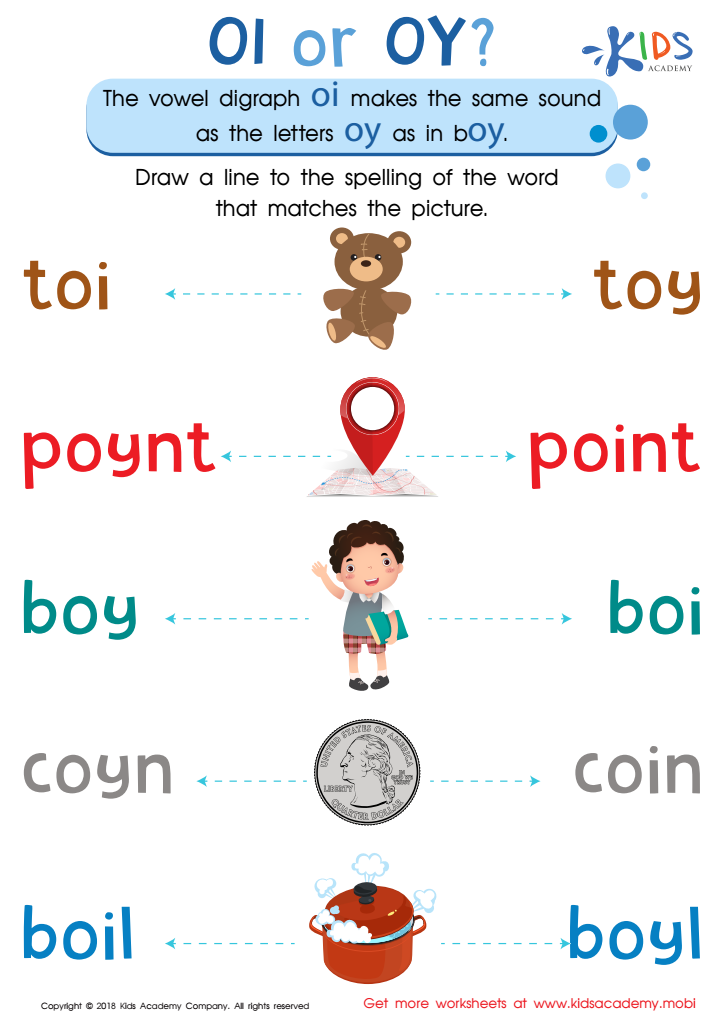
Reading: OI and OY Worksheet

Long and Short E Worksheet
 Assign to My Students





Phonics skills, specifically normal vowel blends, are crucial for children ages 5-9 as they form the foundation for reading and writing proficiency. At this age, children are developing essential language and literacy skills, and understanding vowel blends—combinations of sounds such as "ai" in "train" or "ea" in "leaf"—is key to decoding words.
Parents and teachers should prioritize phonics instruction because it enhances children's ability to read fluently, understand texts, and improve spelling. Mastery of vowel blends allows students to tackle more complex words with confidence, reducing frustration and fostering a love for reading. This not only benefits academic achievement but also supports overall communication skills crucial for effective interaction in both academic and social settings.
Additionally, early mastery of phonics can help prevent future reading difficulties. When children build a strong phonics foundation, they are better equipped to engage with more advanced texts in later grades. Encouraging proficiency in normal vowel blends nurtures a smoother transition to more complex literacy skills, setting students on a path toward lifelong learning and academic success. Thus, both parents and teachers play a vital role in promoting phonics skills, ensuring that children can access a world of knowledge through reading.