Filters

10 filtered results

Clear all filters
Favorites
With answer key
Interactive

10 filtered results

Difficulty Level

Grade


Unlock the power of reading with our engaging Phonics Skills Normal Vowel Diphthongs Worksheets, designed for children aged 5-9. These worksheets focus on developing essential phonics skills through fun activities that introduce and reinforce vowel diphthongs. Children will explore both interactive exercises and printable resources that encourage letter recognition, sound blending, and pronunciation. Each worksheet is crafted to captivate young learners, fostering a love for reading while building their confidence in phonics. Perfect for home or classroom use, these resources support early literacy development and cater to various learning styles, making reading enjoyable and accessible for every child!

Check out this FREE Trial Lesson on Vowel Diphthongs for age 5-9!

Distinguish Between Words with Long O and Short O

Favorites
With answer key
Interactive
  • 5-9
  • Phonics Skills
  • Vowel Diphthongs
  • Normal
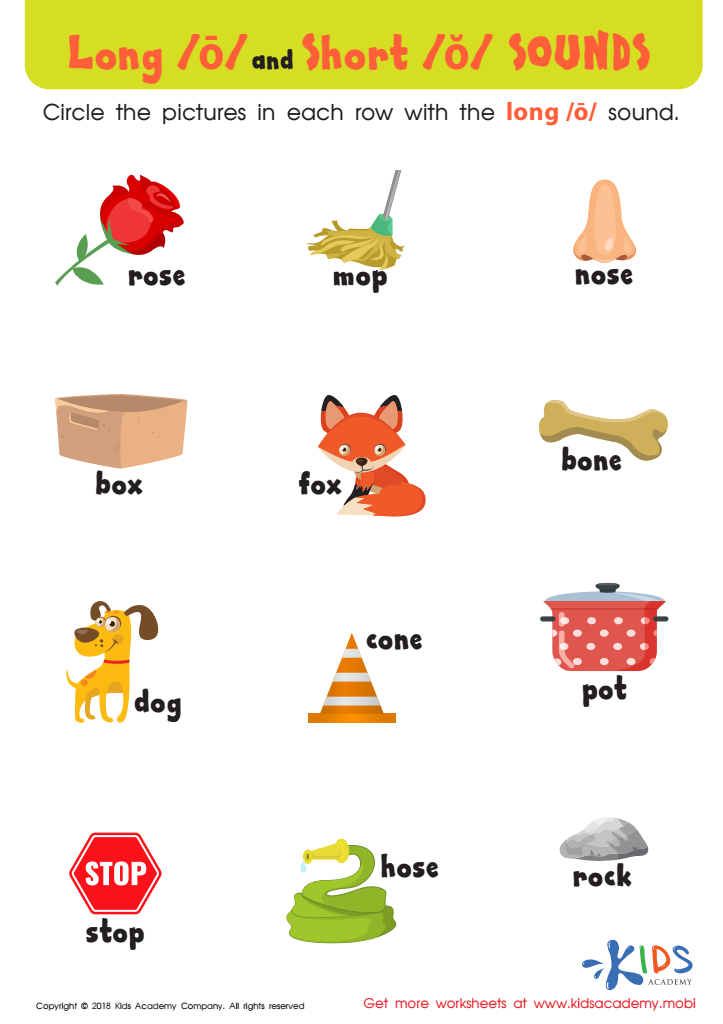
Reading: Long O and Short O Sounds Worksheet

Reading: Long O and Short O Sounds Worksheet

Students practice distinguishing between short and long O sounds with this reading worksheet. They sound out each word, then circle the pictures with the long O sound. Perfect for individual practice or to work with peers! Improves understanding of this skill and helps avoid confusion.
Reading: Long O and Short O Sounds Worksheet
Worksheet
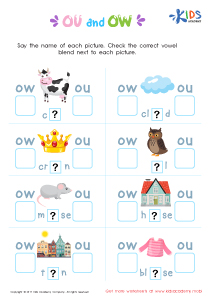
Reading: OA or OW Worksheet

Reading: OA or OW Worksheet

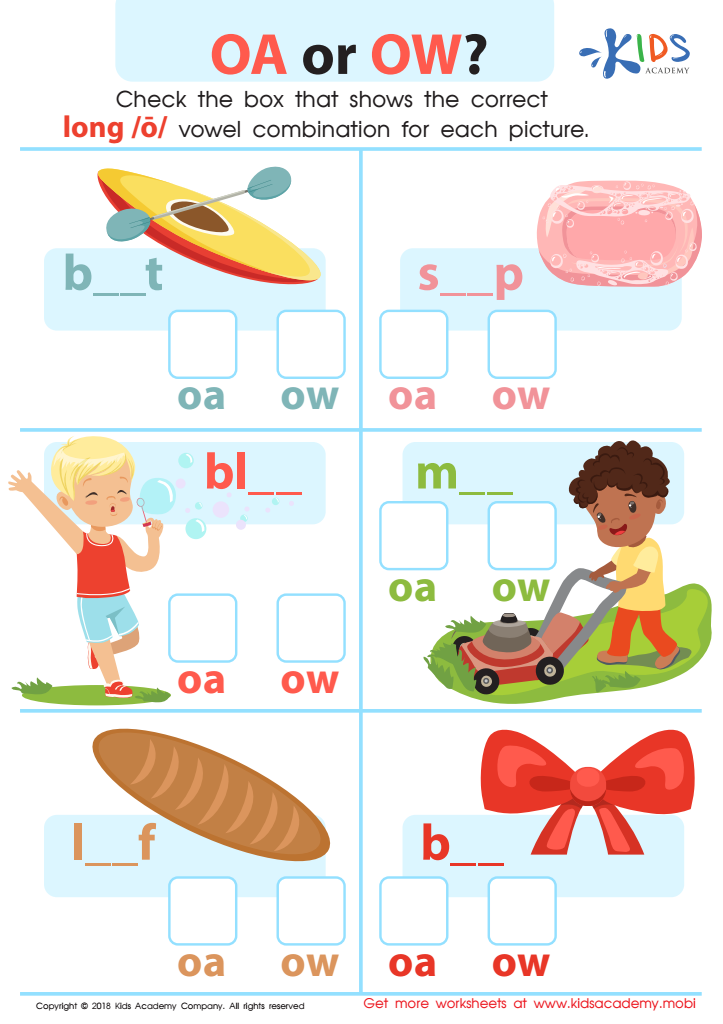
This printable worksheet helps young and emergent readers with decoding words and understanding digraphs (two letters with one sound). It requires students to complete the spelling for each word based on the picture, focusing on /oa/ and /ow/ spellings. It's ideal for a reading classroom and for spelling practice.
Reading: OA or OW Worksheet
Worksheet
Puss in Boots: OO Sound Worksheet

Puss in Boots: OO Sound Worksheet

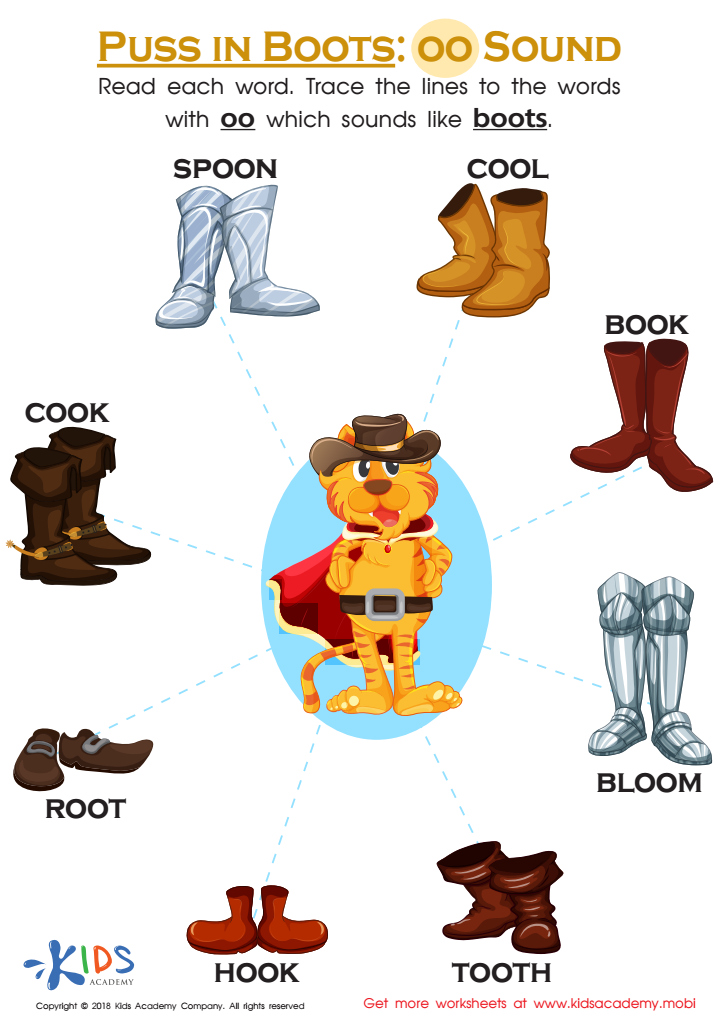
Read out the words in this printout with the correct pronunciation. Have your child repeat each word after you. Then have them read the words and identify the ones with the "oo" sound. Guide their hands as they trace the lines to the right words.
Puss in Boots: OO Sound Worksheet
Worksheet
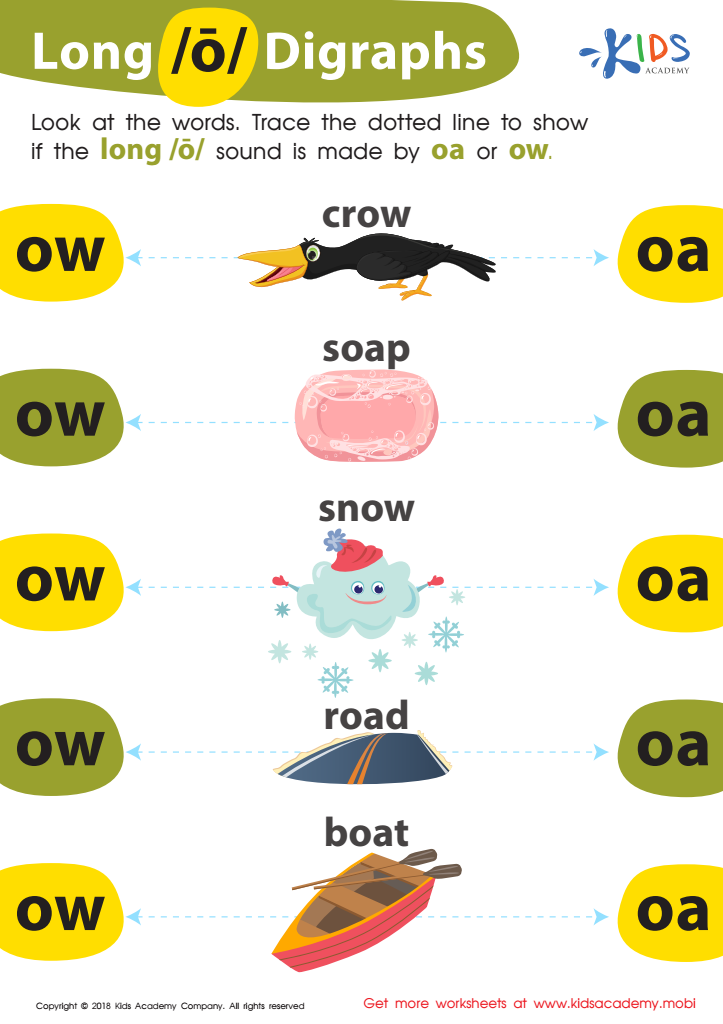
Reading: Long O Digraphs Worksheet

Reading: Long O Digraphs Worksheet

Reading and decoding words can be complex for learners when they start studying digraphs, two letters that make one sound. This worksheet focuses on the long O sound, /oa/ and /ow/. With the understanding of digraphs, students can decode more words and build their reading confidence.
Reading: Long O Digraphs Worksheet
Worksheet
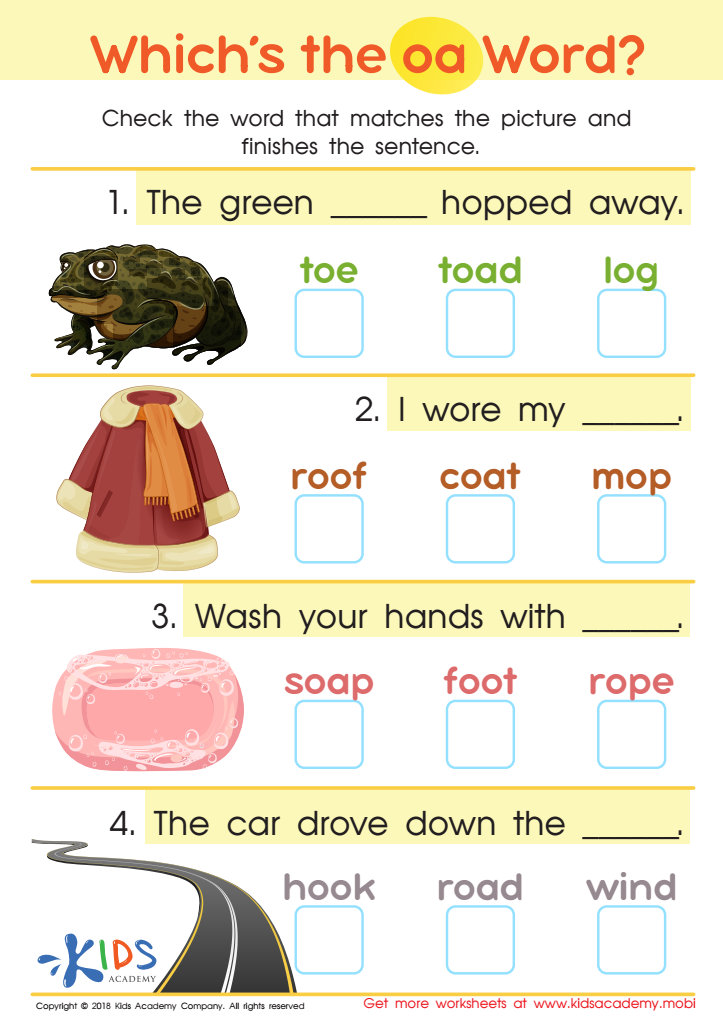
Which's the OA Word? Worksheet

Which's the OA Word? Worksheet

Encourage your kids to complete this fun worksheet. Ask them to identify the animals and objects in the pictures. Read the incomplete sentences aloud, and then find the correct word to finish the sentence. Check their work.
Which's the OA Word? Worksheet
Worksheet
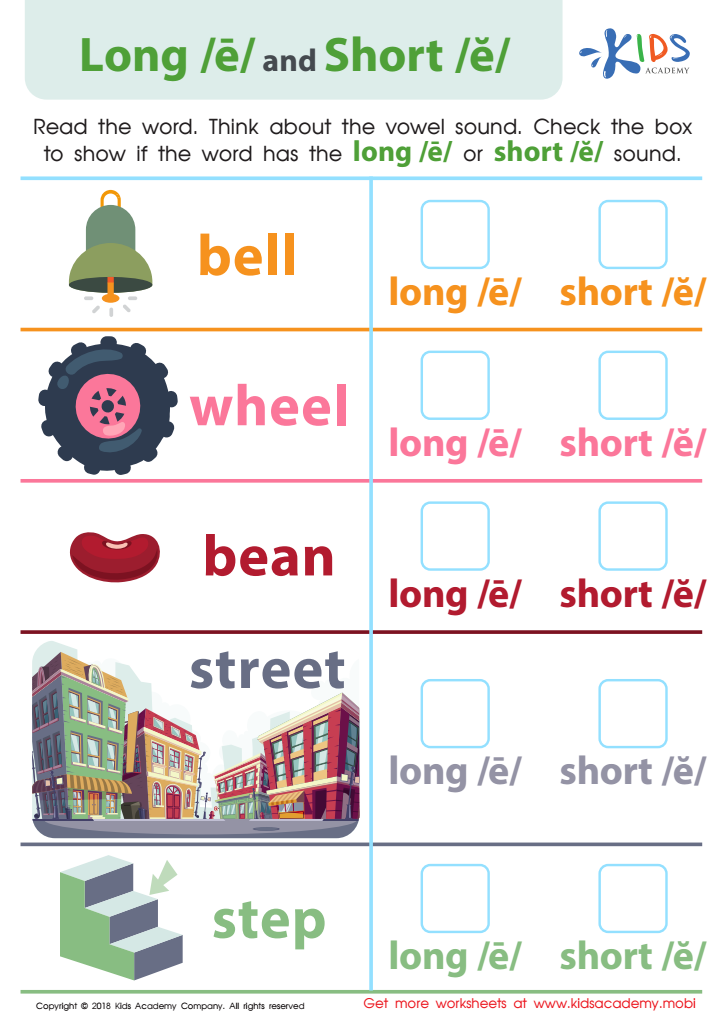
Reading: Long E and Short E Worksheet

Reading: Long E and Short E Worksheet

Provide your students with valuable practice in distinguishing long and short E sounds with this worksheet. They'll look at pictures and read the words, then decide which sound is being used. It's an effective tool to help them master a difficult concept.
Reading: Long E and Short E Worksheet
Worksheet
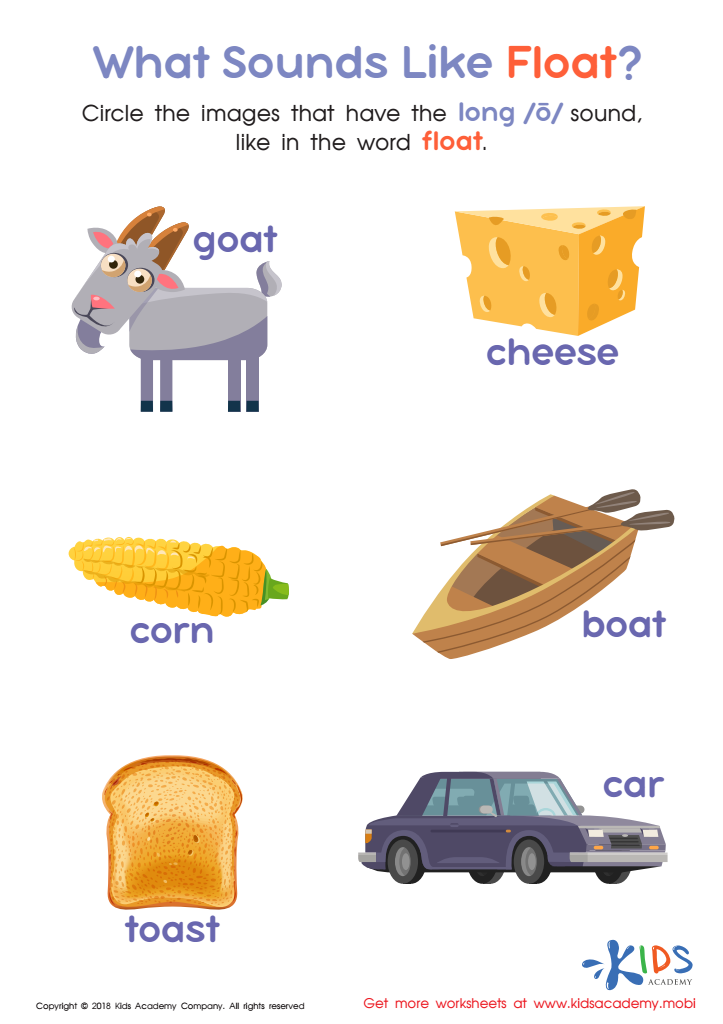
What Sounds Like Float? Worksheet

What Sounds Like Float? Worksheet

Help your kids practice the long /o/ sound with words such as 'boat', 'goat' and 'float'. Ask them to identify and circle the images in the worksheet that have the same sound. Award bonus points if they come up with more words with 'oa' spelling!
What Sounds Like Float? Worksheet
Worksheet
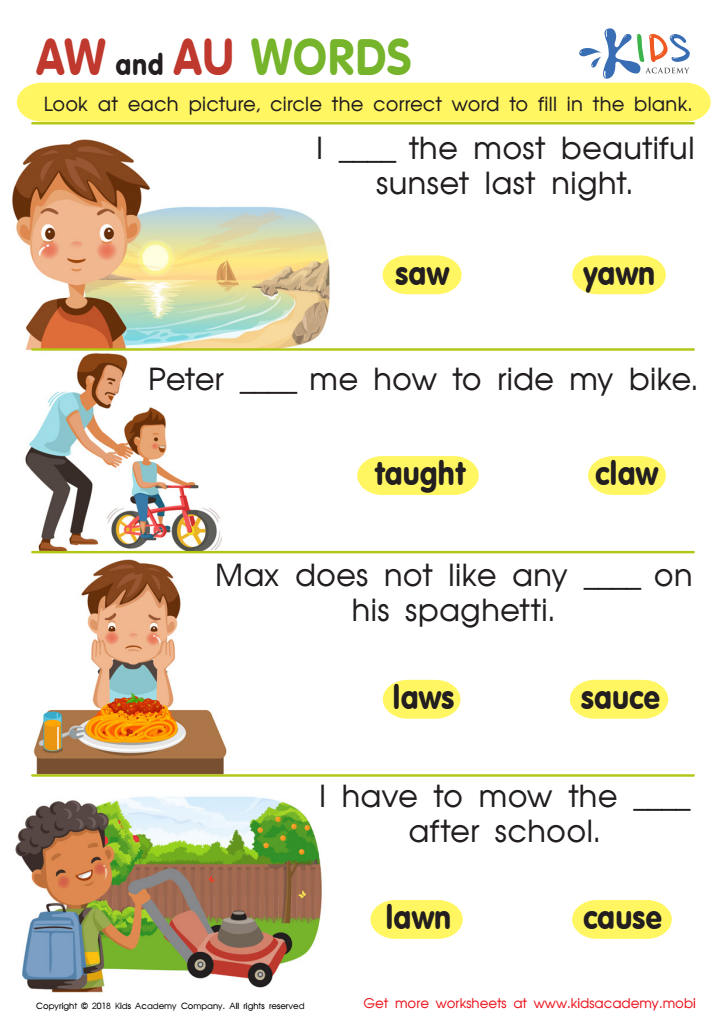
Reading: AW and AU Words Worksheet

Reading: AW and AU Words Worksheet

This worksheet helps kids recognize that /au/ and /aw/ can make the same sound. Students read sentences and pick the correct word with one of the digraphs. Understanding digraphs improves decoding and reading fluency. Perfect for reading and phonics classes.
Reading: AW and AU Words Worksheet
Worksheet
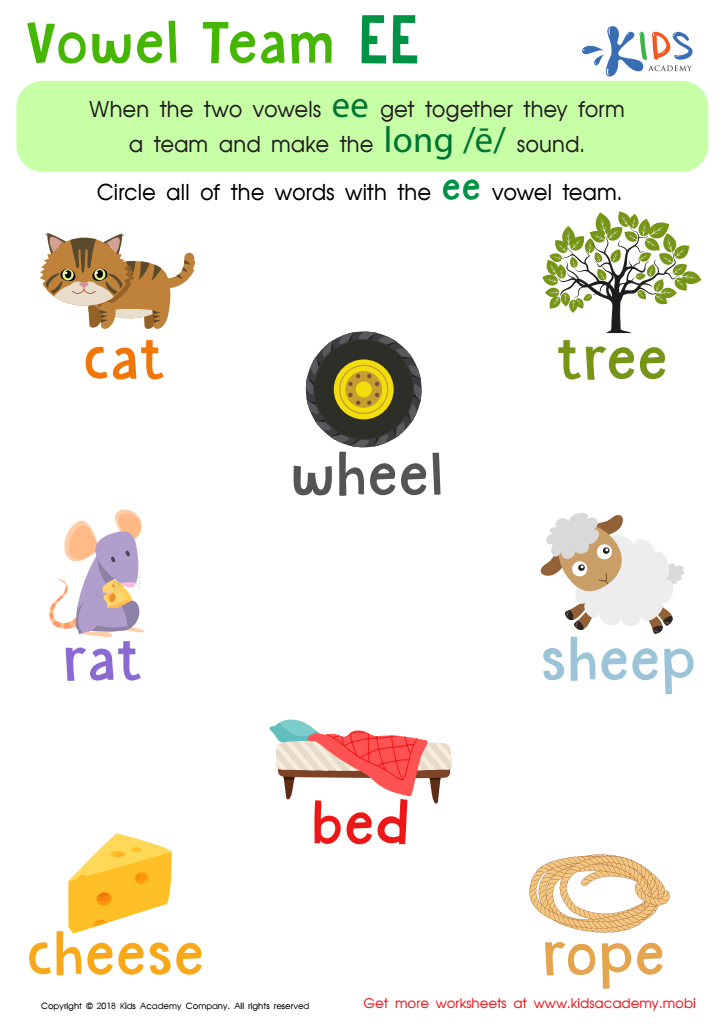
Reading: Vowel Team EE Worksheet

Reading: Vowel Team EE Worksheet

This worksheet is perfect for helping young learners master the /ee/ vowel team. It shows the first vowel with a long sound and the second vowel silent. It also provides pictures for unfamiliar words for readers of all levels. It's an ideal resource for teaching phonics skills.
Reading: Vowel Team EE Worksheet
Worksheet
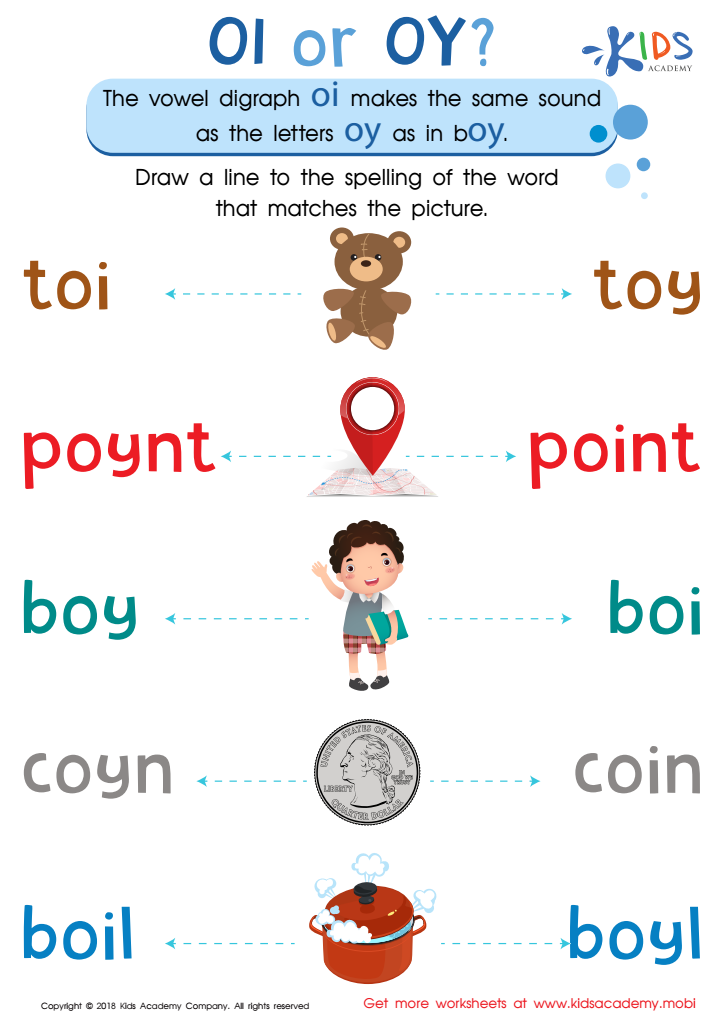
Reading: OI and OY Worksheet


Reading: OI and OY Worksheet

Ask your students if they know the rule for words with /oi/ or /oy/ sound. If not, it's easy to learn! Rule: If /oy/ at end of word, spell with 'oy'; if /oi/ in middle of word, spell with 'oi'. Use this worksheet to help them master these digraphs and improve their ability to decode.
Reading: OI and OY Worksheet
Worksheet


Phonics skills, particularly with normal vowel diphthongs, are crucial for children aged 5-9 as they form the foundation for reading and writing. Phonics refers to the relationship between sounds and their written symbols, and understanding vowel diphthongs—combinations of two vowel sounds within the same syllable—enhances phonetic awareness.

When children master diphthongs, they can decode complex words, improving their reading fluency and comprehension. This skill directly impacts their ability to relay ideas, communicate effectively, and engage with texts critical for their academic growth. Additionally, phonics instruction strengthens spelling capabilities, allowing children to grasp the unpredictable nature of English spelling.

For parents and teachers, fostering a robust phonics program helps bridge literacy gaps that can emerge as children transition into more advanced reading stages. By prioritizing phonics, caregivers contribute to building a child’s confidence, encouraging a lifelong love for reading. Incorporating games, songs, and engaging activities around normal vowel diphthongs makes learning interactive, reinforcing essential skills in a fun way. In summary, sharpening phonics skills through attention to vowel diphthongs is instrumental in supporting young learners' literacy development, setting the stage for academic success.