Color recognition Normal English for Beginners Worksheets for Ages 5-9
9 filtered results
-
From - To
Discover our engaging Color Recognition Normal English Worksheets, designed specifically for children ages 5-9. These printable resources help young learners enhance their vocabulary and understanding of colors while promoting language development. Each worksheet features fun activities that make learning enjoyable, from matching colors to identifying objects in vibrant hues. Perfect for beginners, our worksheets cater to diverse classroom needs and at-home practice. Teachers and parents will appreciate the straightforward format and educational focus, fostering a solid foundation in English as a second language. Get started with these colorful adventures today and watch your child's confidence in language grow!
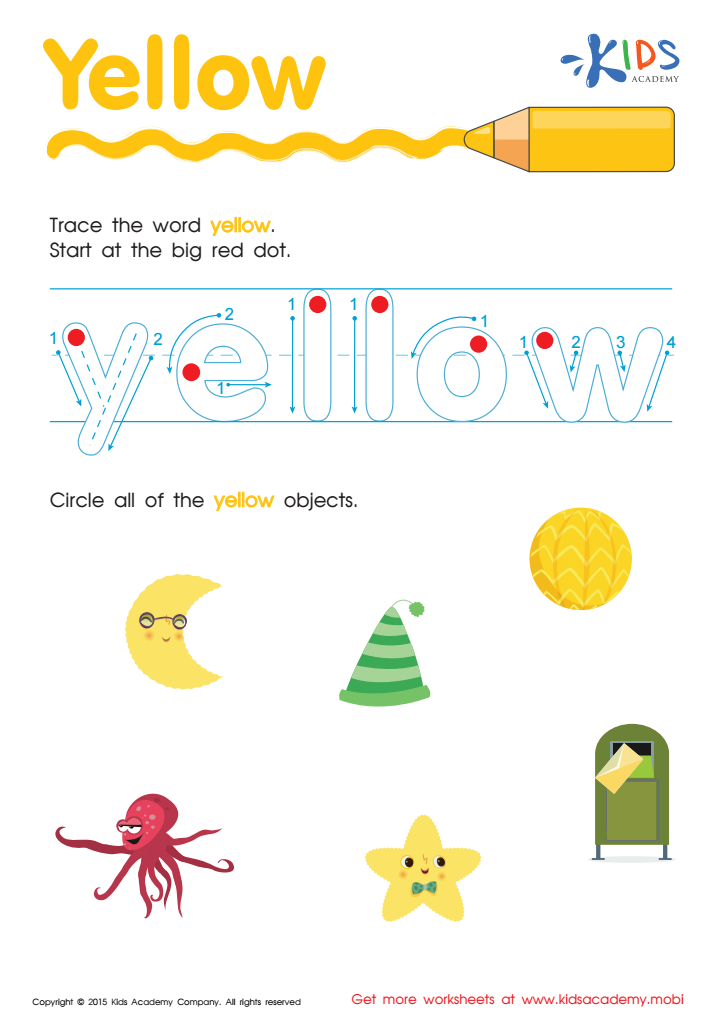
Yellow Tracing Color Words Worksheet
 Assign to My Students
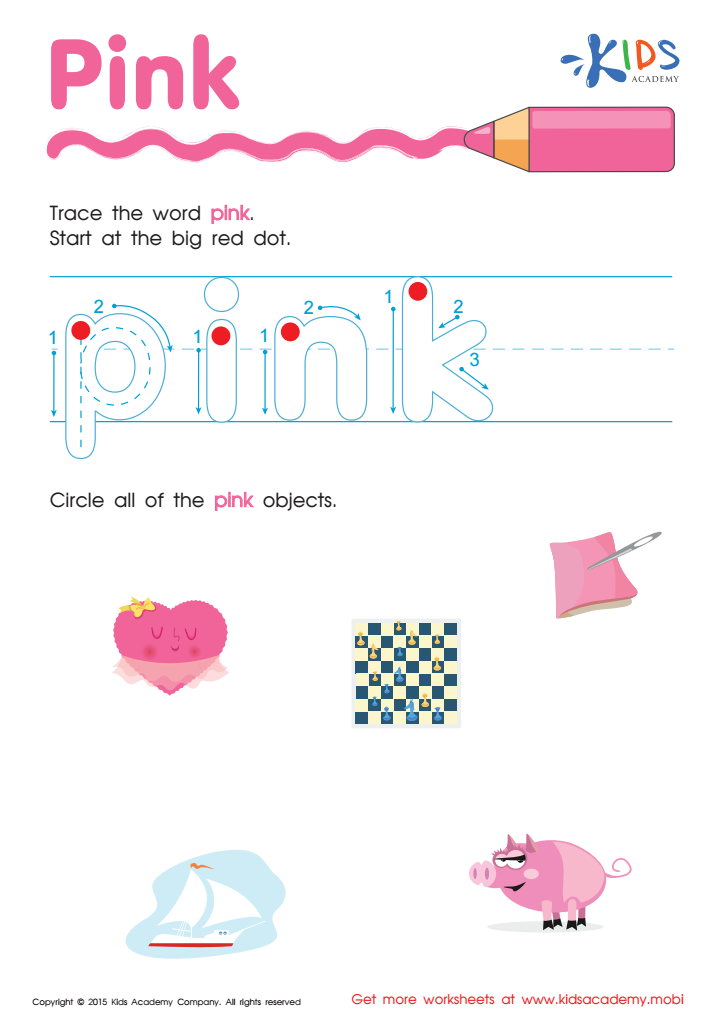
Pink Tracing Color Words Worksheet
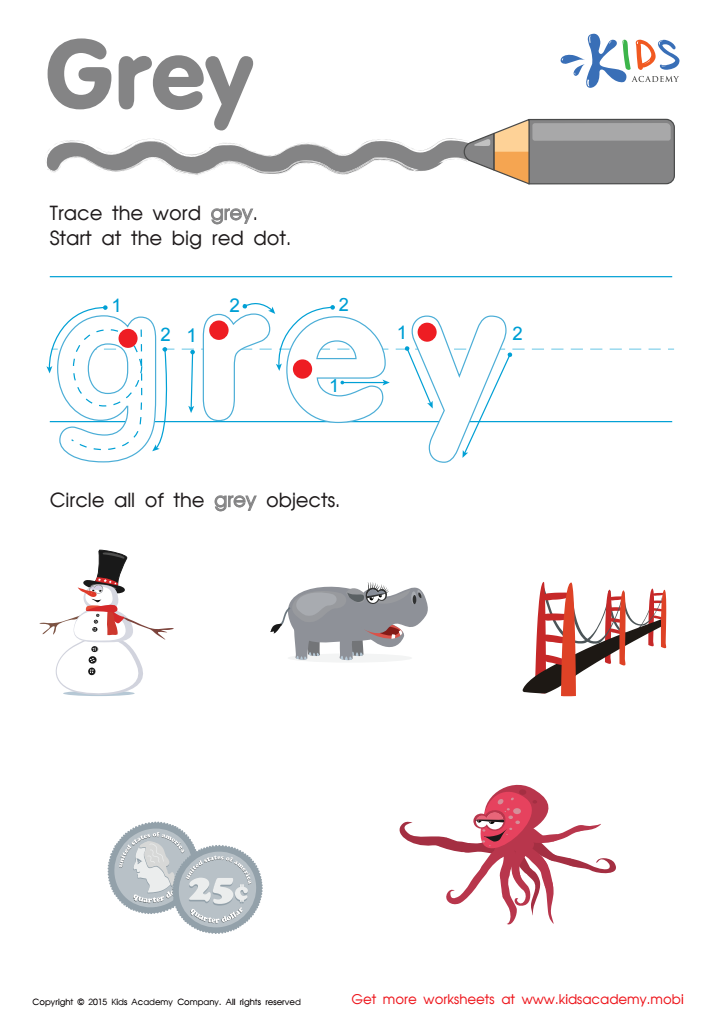
Grey Tracing Color Words Worksheet
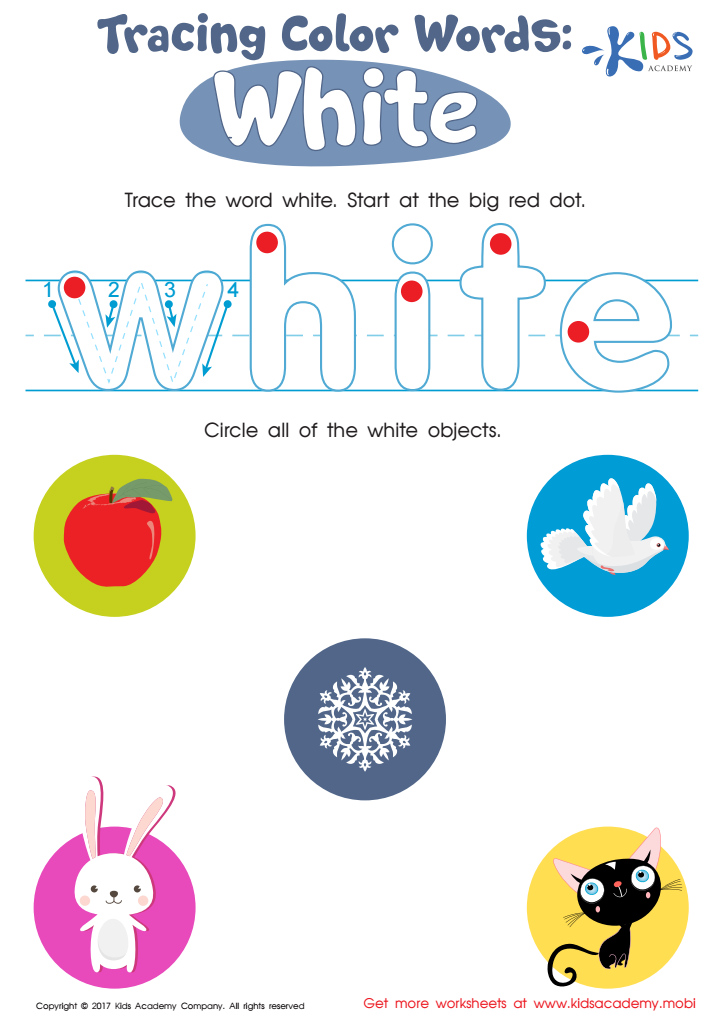
White Tracing Color Words Worksheet
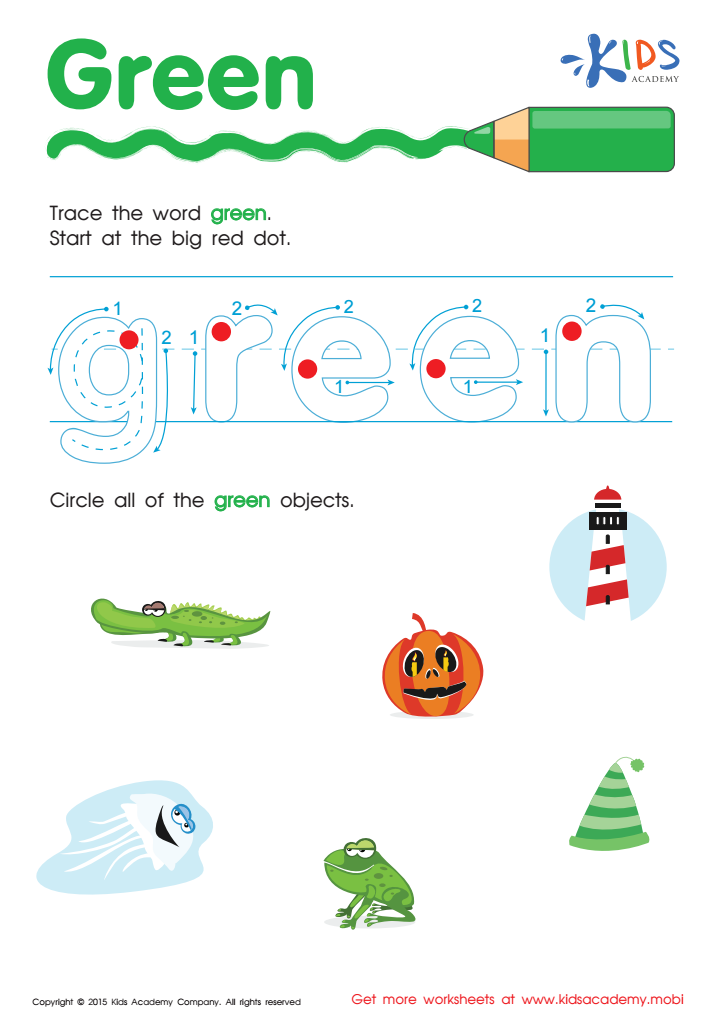
Green Tracing Color Words Worksheet
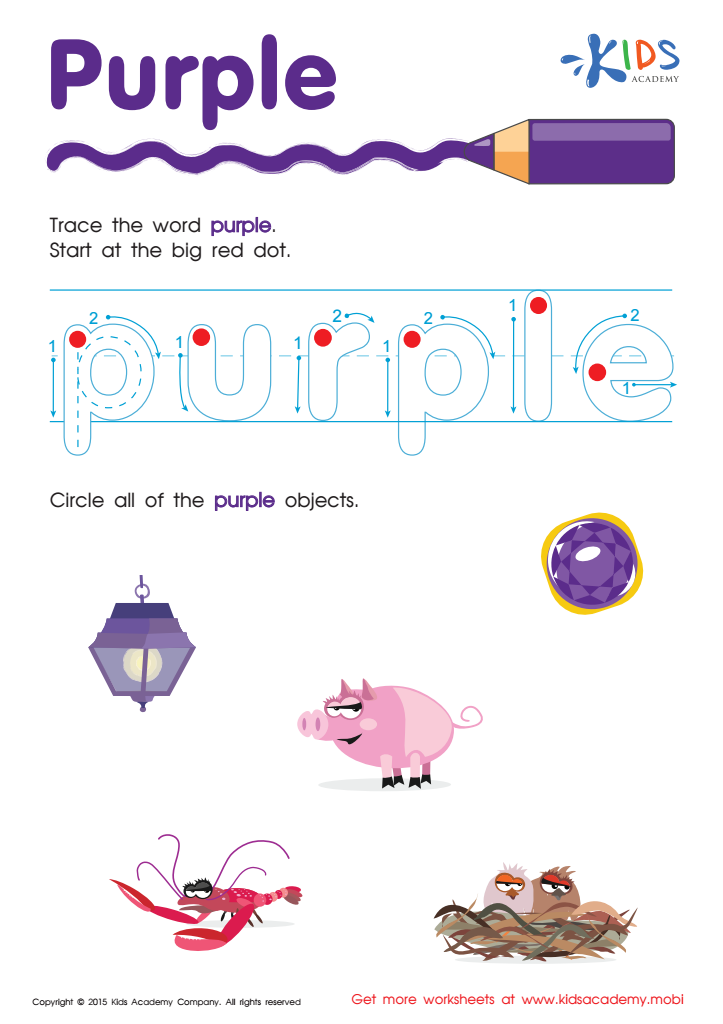
Purple Tracing Color Words Worksheet
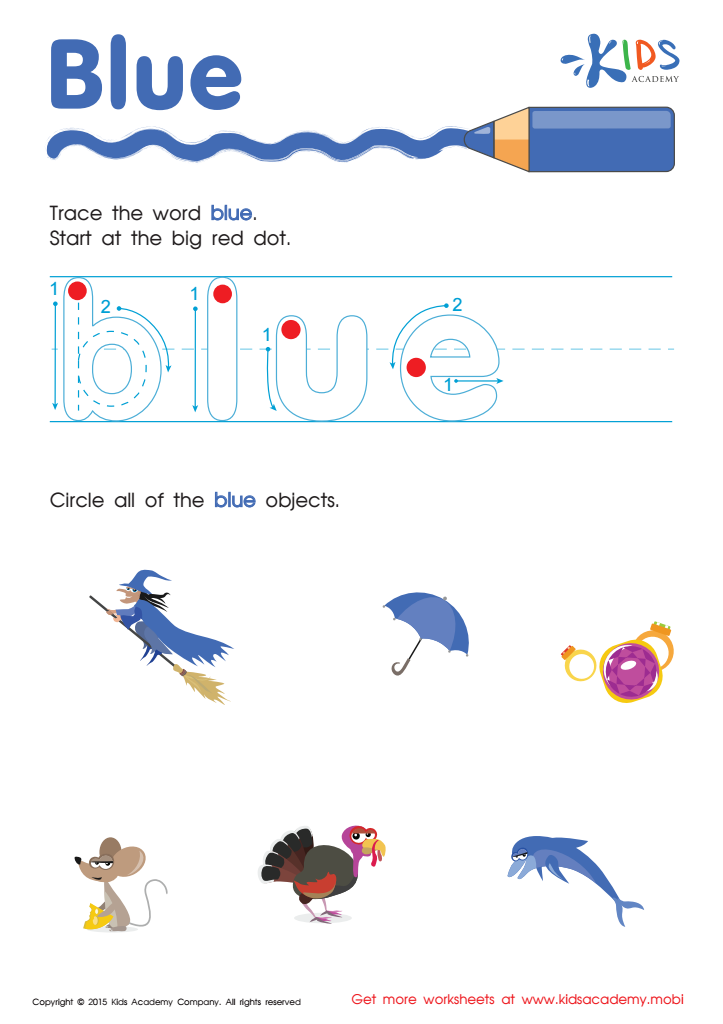
Blue Tracing Color Words Printable
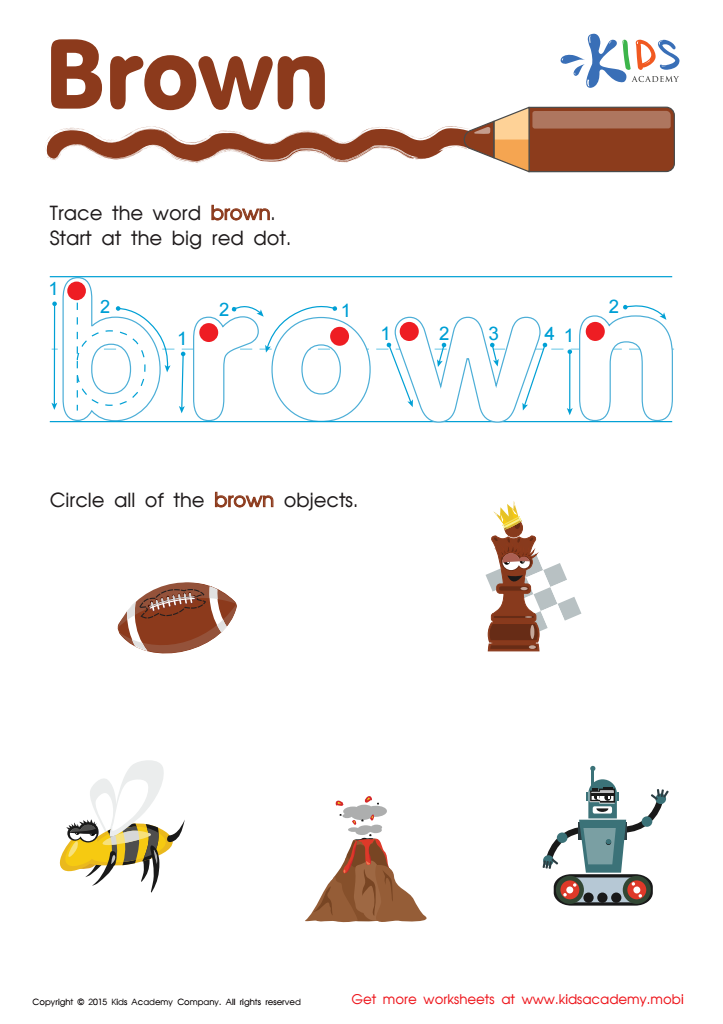
Brown Tracing Color Words Worksheet
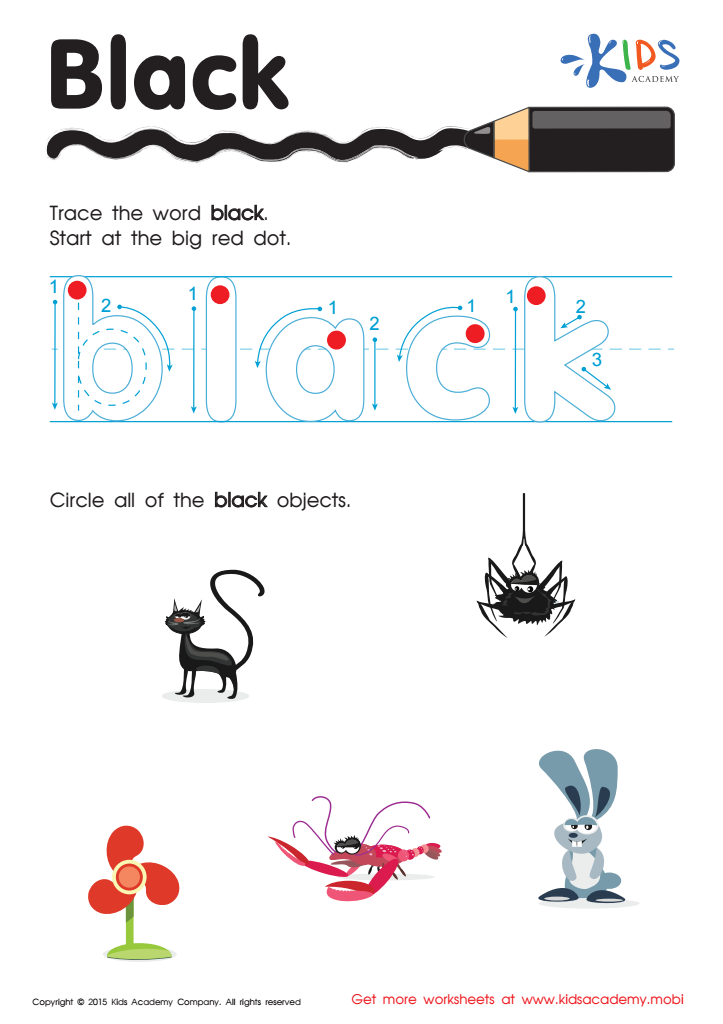
Black Tracing Color Words Printable




Color recognition is an essential skill for children aged 5-9, and both parents and teachers should prioritize it for several reasons. First, it aids in cognitive development. Recognizing colors helps children categorize the world around them, enhancing their ability to think critically and make connections.
Second, color recognition plays a significant role in language development. When children learn to name different colors, they expand their vocabulary and communication skills. This foundational knowledge can help them express their thoughts and feelings more effectively.
Additionally, understanding colors can boost a child’s creativity. Art projects in school and at home often emphasize color usage, allowing children to explore their artistic side and develop fine motor skills.
Furthermore, colors can help with emotional understanding. Many children learn that certain colors are associated with specific feelings, leading to better emotional intelligence.
In the classroom, activities involving colors often engage students actively, making learning fun and interactive. By focusing on color recognition, parents and teachers can support children's overall growth and prepare them for more complex concepts in literacy and math. Ultimately, recognizing and naming colors is a vital stepping stone in a child's early education journey.