Alphabet sequencing Normal Worksheets for Ages 5-9
4 filtered results
-
From - To
Welcome to our Alphabet Sequencing Normal Worksheets page, tailored specifically for children ages 5-9! Our engaging worksheets are designed to help young learners master the alphabet's order, fostering essential early literacy skills. Through a variety of fun and interactive activities, kids will enjoy arranging letters, recognizing patterns, and improving their sequencing abilities. Each worksheet is crafted to build confidence and word recognition while making learning enjoyable. Perfect for home or classroom use, these resources enhance cognitive development and prepare children for reading success. Explore our printable worksheets and make alphabet practicing an exciting adventure today!
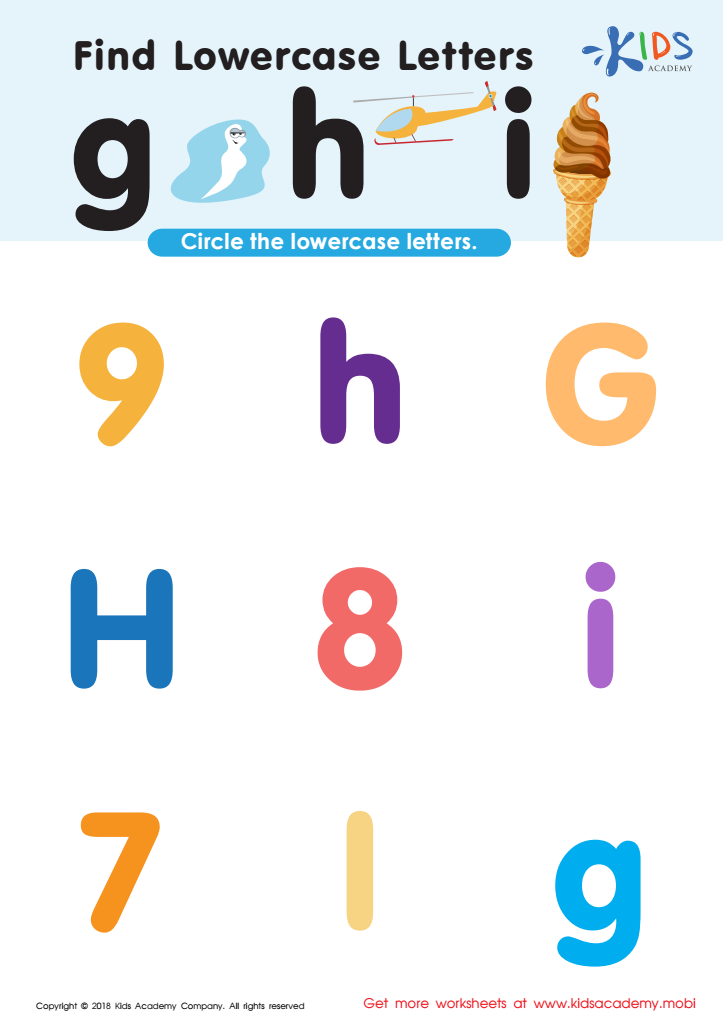
Find Lowercase Letters g h i Worksheet
 Assign to My Students
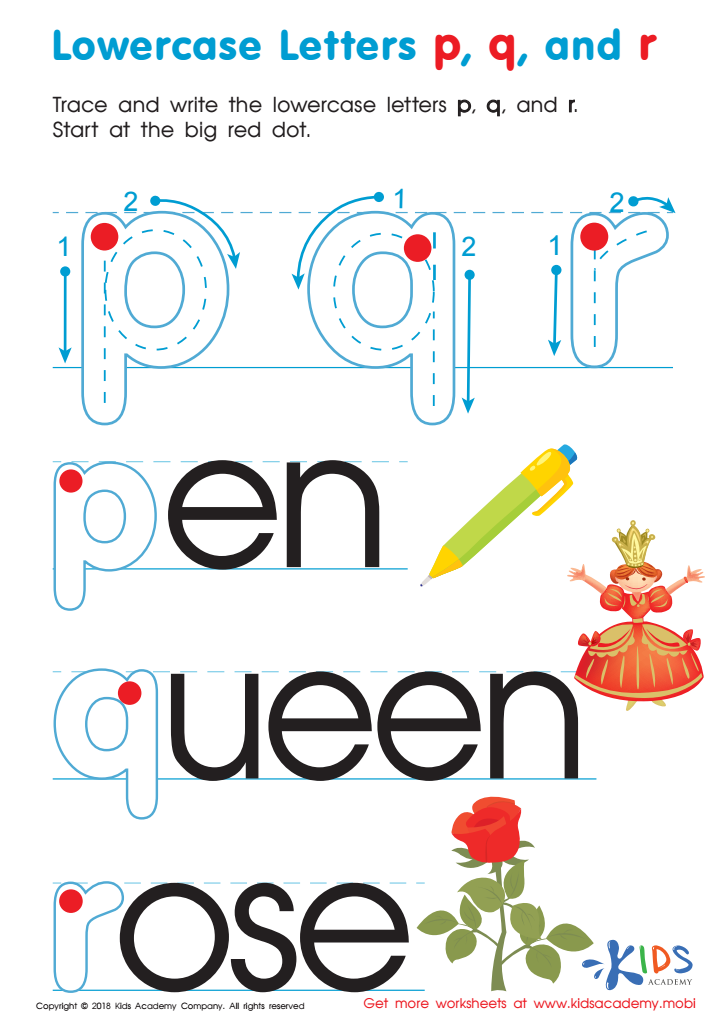
Lowercase Letters p q r Worksheet
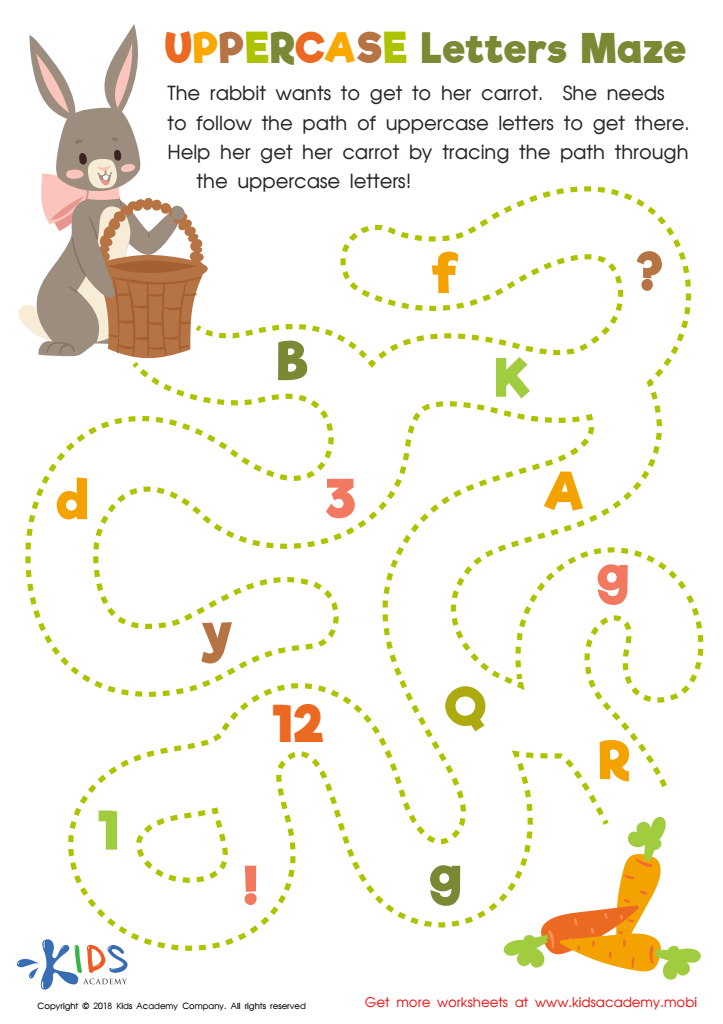
Uppercase Letters Maze Worksheet
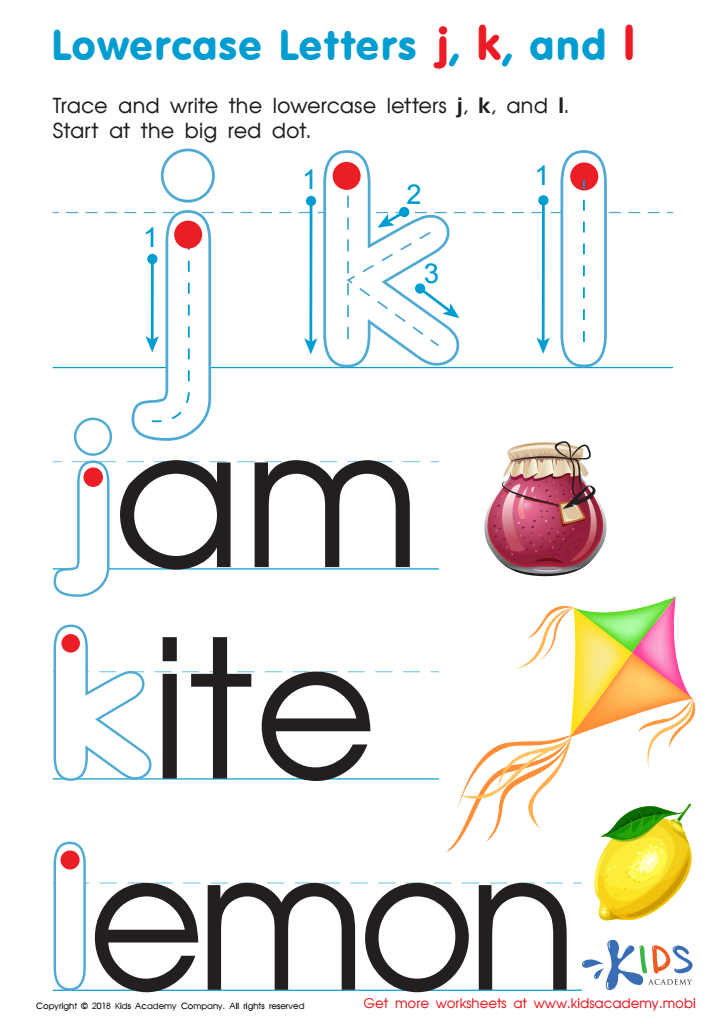
Lowercase Letters j k l Worksheet







Alphabet sequencing refers to the proper arrangement and understanding of letters within the English alphabet, a foundational literacy skill for children ages 5-9. Parents and teachers should care about this skill for several reasons.
First, mastering alphabet sequencing aids in early reading. When children recognize the correct order of letters, they can decode words more easily, facilitating their transition from phonics to fluent reading. This foundational skill also helps with spelling, as understanding the sequence can assist children in recalling how to arrange letters within words.
Second, alphabet sequencing enhances cognitive development. Engaging with the alphabet prompts children to practice memory and recall, essential cognitive skills that benefit their overall learning.
Furthermore, learning the alphabet is often a core part of early education. Children who are proficient with sequencing may have more confidence when participating in classroom activities, such as participating in reading or spelling games.
Finally, a solid grasp of alphabet sequencing can pave the way for future educational success. As children progress through school, literacy becomes increasingly intertwined with learning across subjects. In summary, focusing on alphabet sequencing lays a vital foundation for children's academic and cognitive growth.








