Color recognition Normal Worksheets for Ages 5-9 - Page 2
34 filtered results
-
From - To
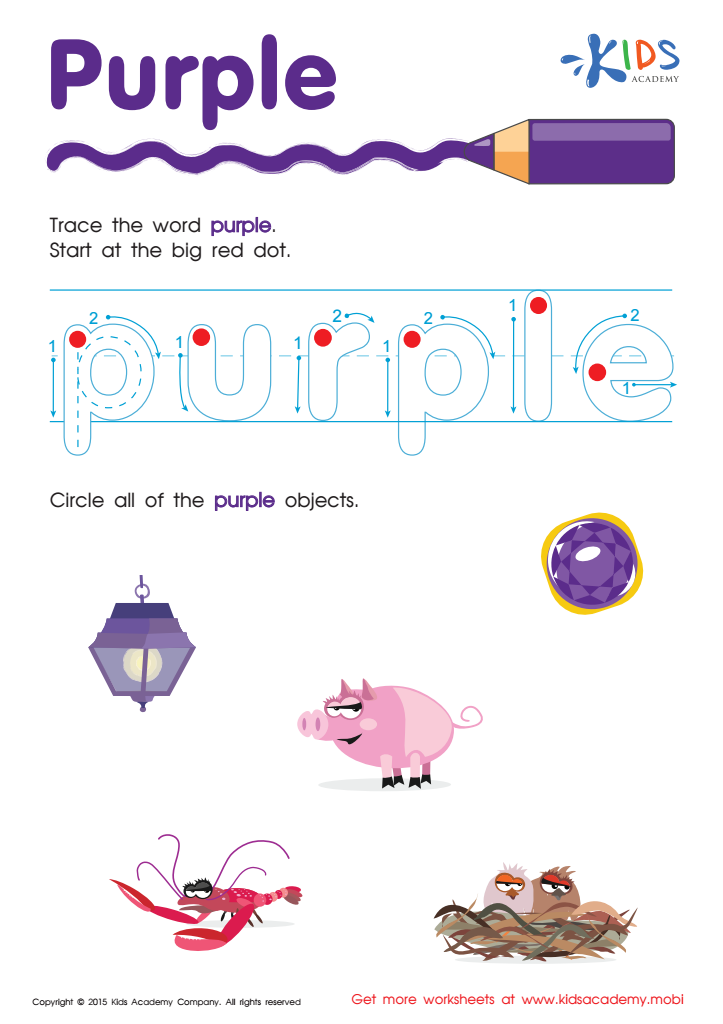
Purple Tracing Color Words Worksheet
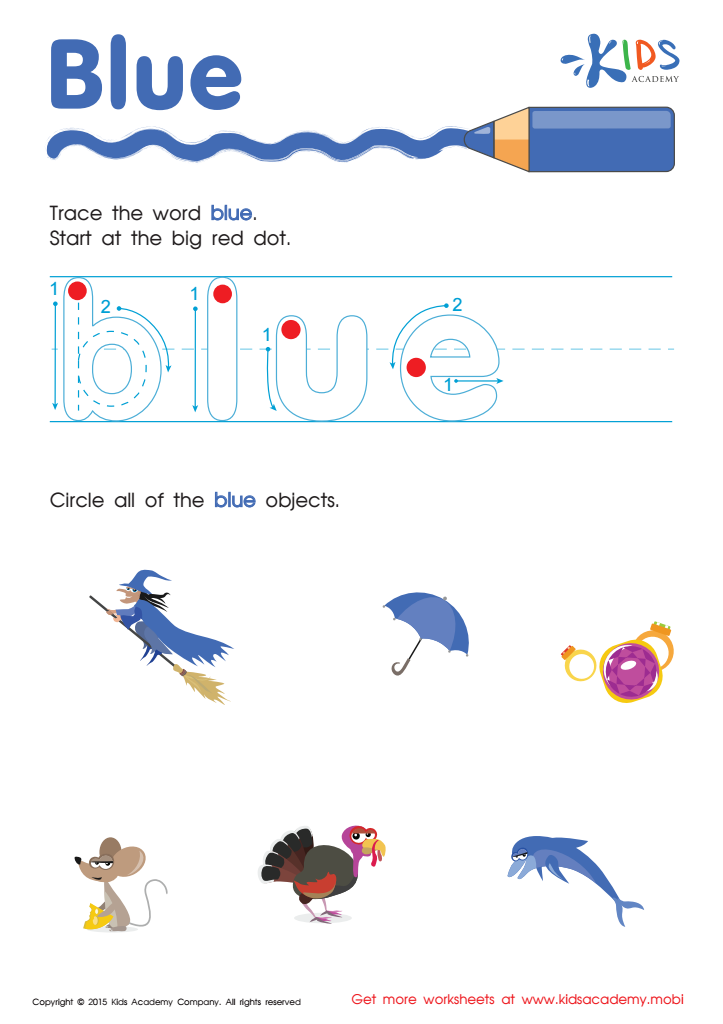
Blue Tracing Color Words Printable

Turkey Thanksgiving Day Worksheet
 Assign to My Students
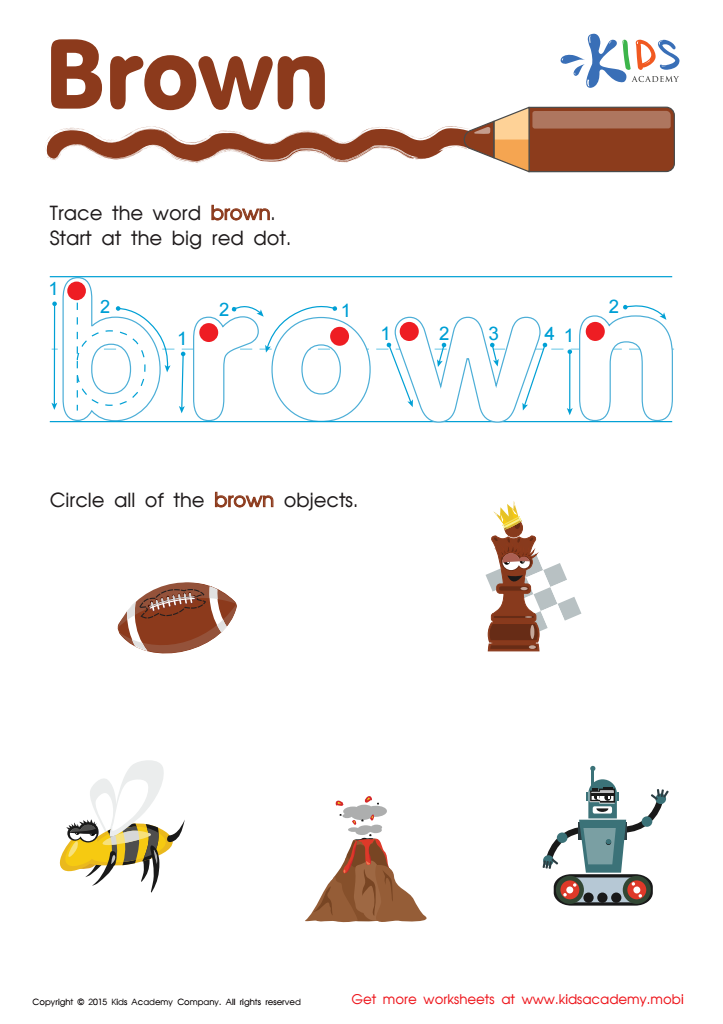
Brown Tracing Color Words Worksheet
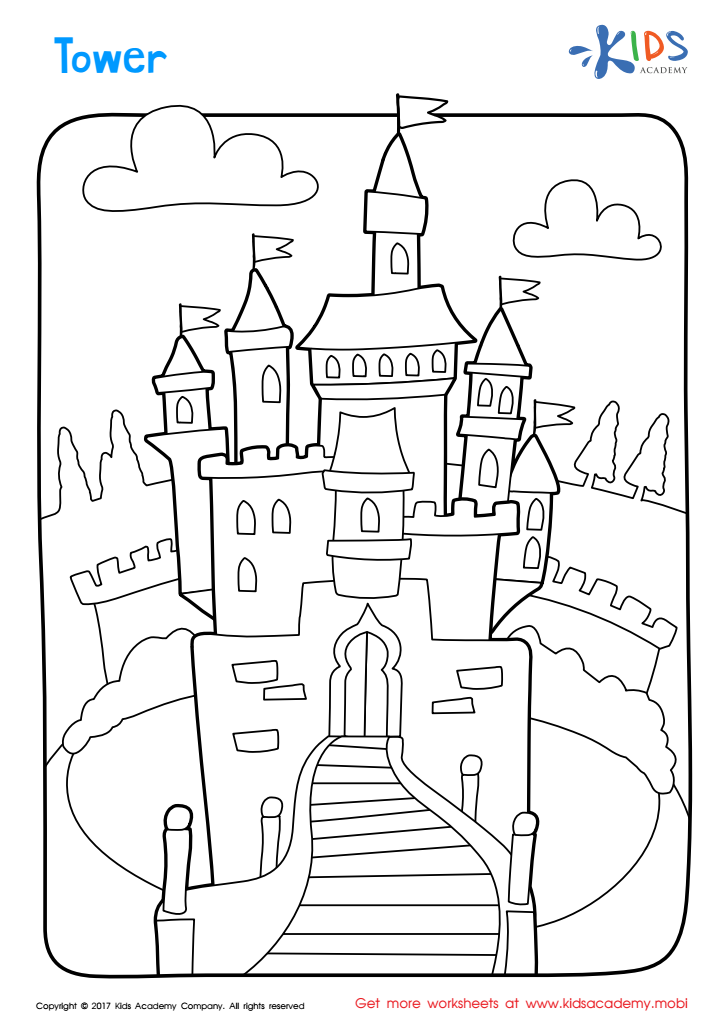
Tower Coloring Page
Assign to My Students

Great Hornbill Worksheet
Assign to My Students
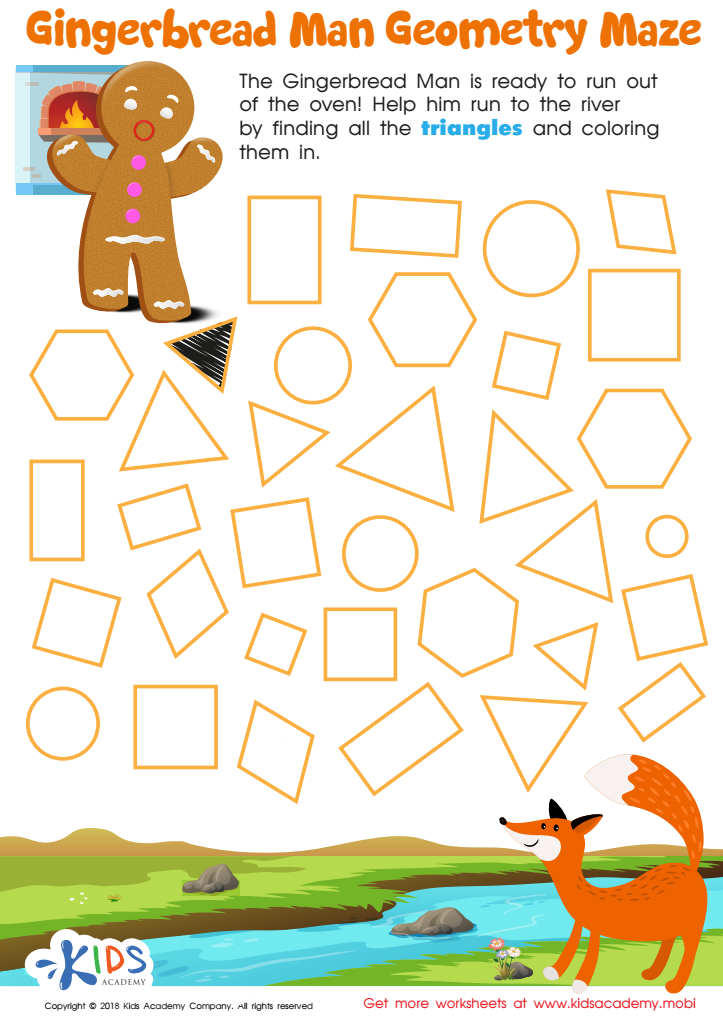
Gingerbread Man Geometry Maze Worksheet
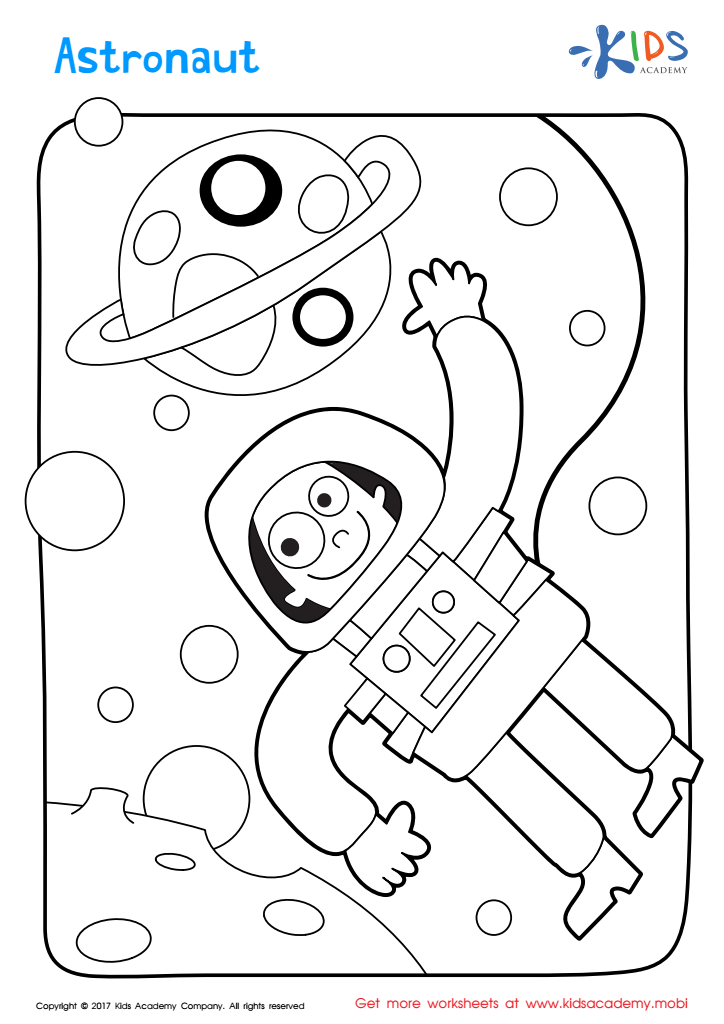
Astronaut Coloring Page
Assign to My Students
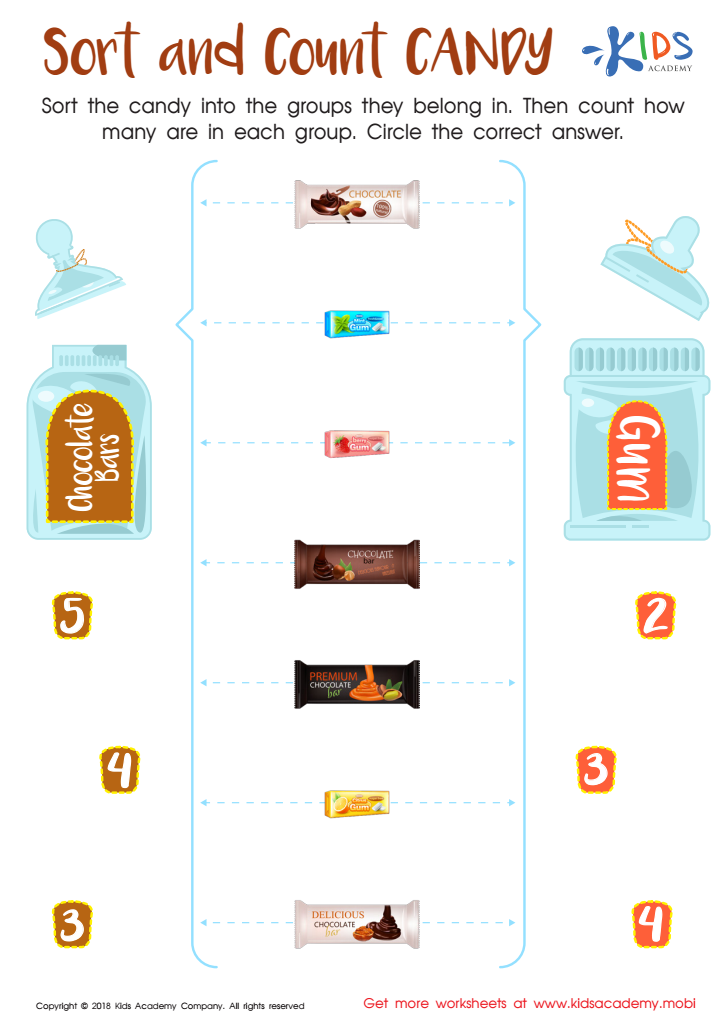
Sort and Count Candy Worksheet
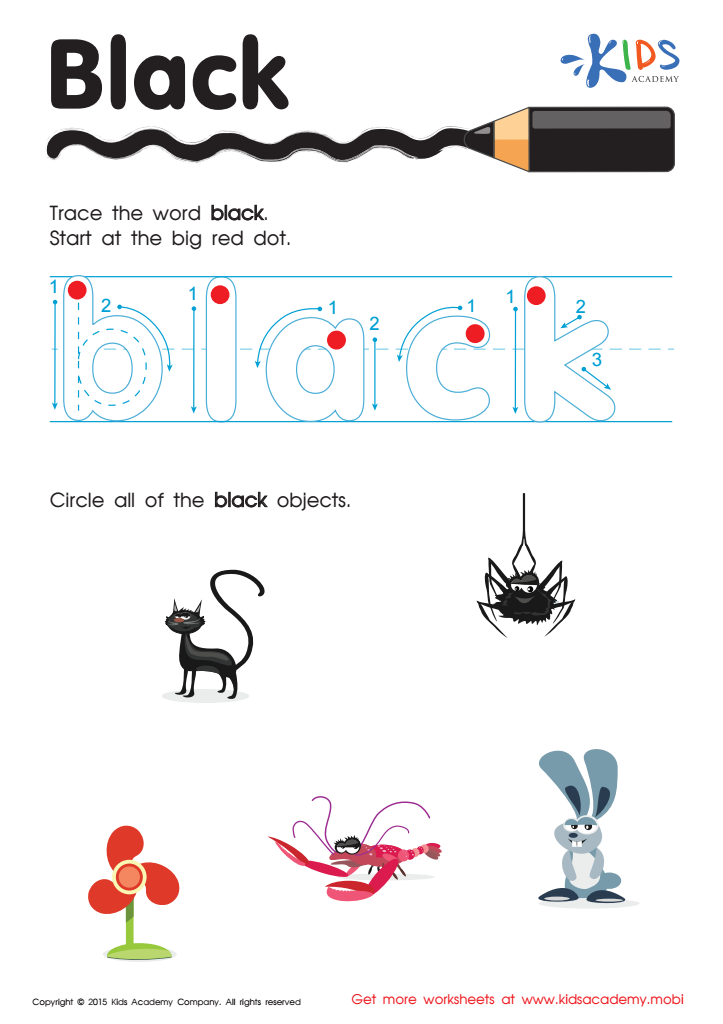
Black Tracing Color Words Printable







Color recognition is a fundamental skill that significantly influences children's early development. For children aged 5-9, identifying and understanding colors brings a variety of benefits that parents and teachers should prioritize.
Firstly, color recognition is crucial for cognitive development. When children learn to identify and differentiate between colors, they are exercising their brain and enhancing their observation skills and attention to detail. This foundational ability also supports problem-solving and critical thinking, as children often sort and categorize objects based on color.
Secondly, mastering colors aids in expressive and receptive language development. Describing objects by color enhances vocabulary and encourages children to articulate their thoughts more clearly. For example, mentioning the "red apple" instead of just "apple" gives clearer communication and comprehension.
Color recognition also boosts creativity and aesthetic awareness. Understanding colors and how they interact enables children to engage more fruitfully in art activities, stimulating their imagination and fostering creative play.
Furthermore, color is pivotal in social contexts, such as understanding traffic lights or color-coded instructions in various environments. Recognizing these can play a vital role in their safety and ability to follow instructions properly.
In summary, fostering strong color recognition skills in early grades lays the groundwork for academic success and practical life skills, making it an essential focus for both parents and teachers.








