Coloring skills Normal Worksheets for Ages 5-9
5 filtered results
-
From - To
Discover our engaging Coloring Skills Normal Worksheets designed for children ages 5-9! These worksheets provide a delightful way for young learners to enhance their motor skills, creativity, and color recognition. Through fun and whimsical illustrations, kids can practice coloring within lines, which helps improve their hand-eye coordination and concentration. Suitable for various learning environments, including home and the classroom, our printable worksheets are easy to download and use. Encourage your child's artistic expression while fostering essential skills with our thoughtfully crafted activities that blend fun and education. Explore our collection today to inspire creativity and boost confidence in your little artists!
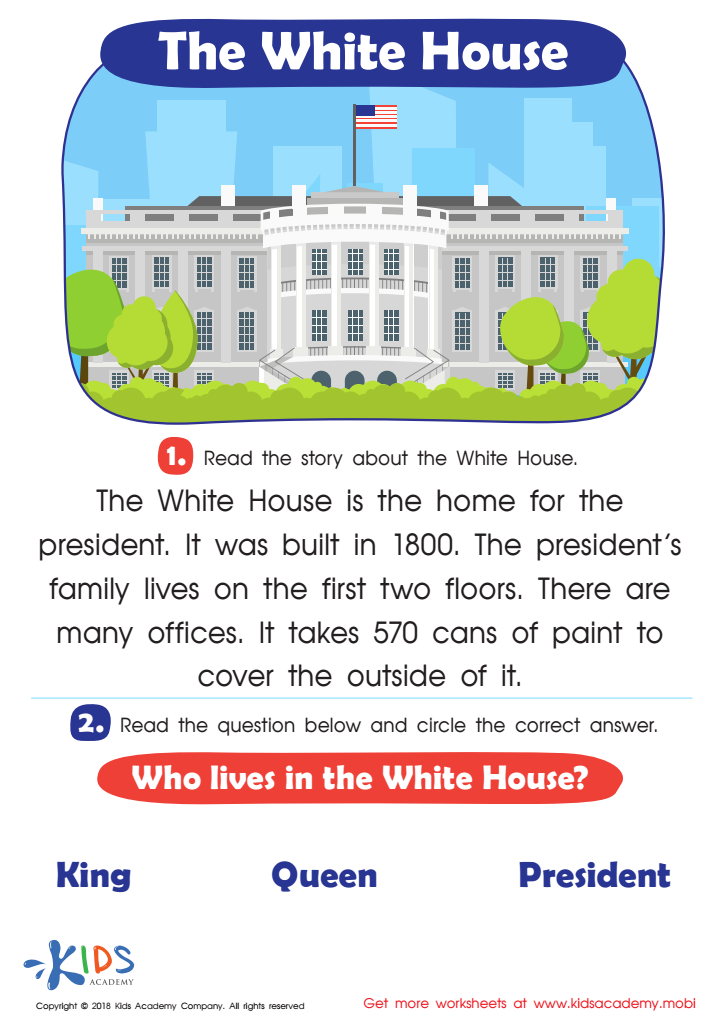
White House Worksheet
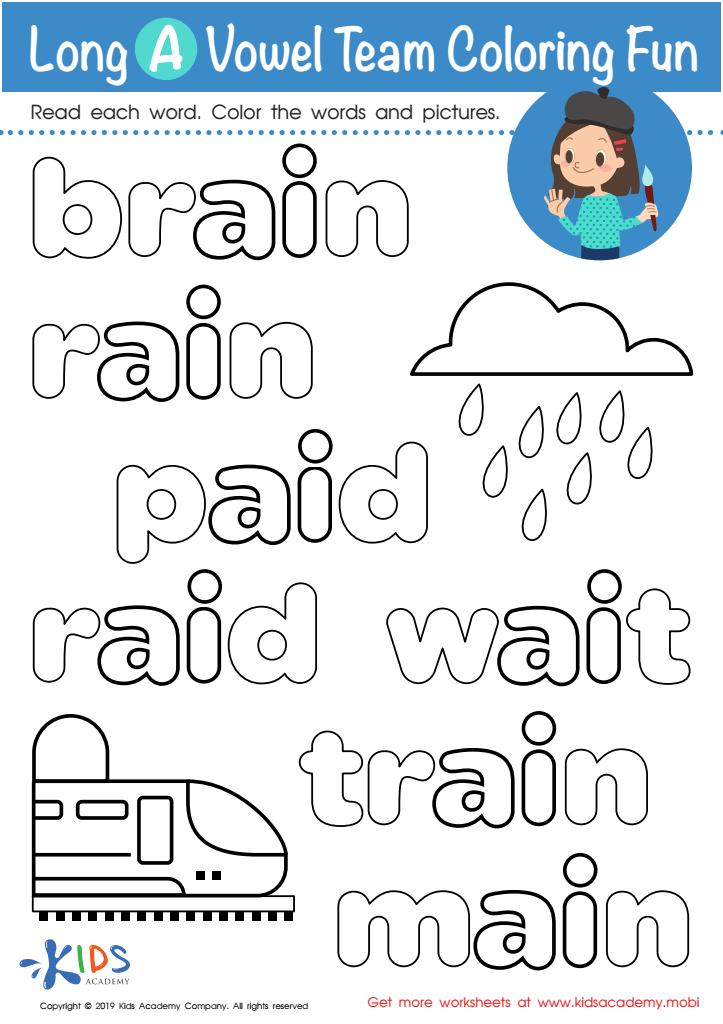
Long A Vowel Team Coloring Fun Worksheet
 Assign to My Students
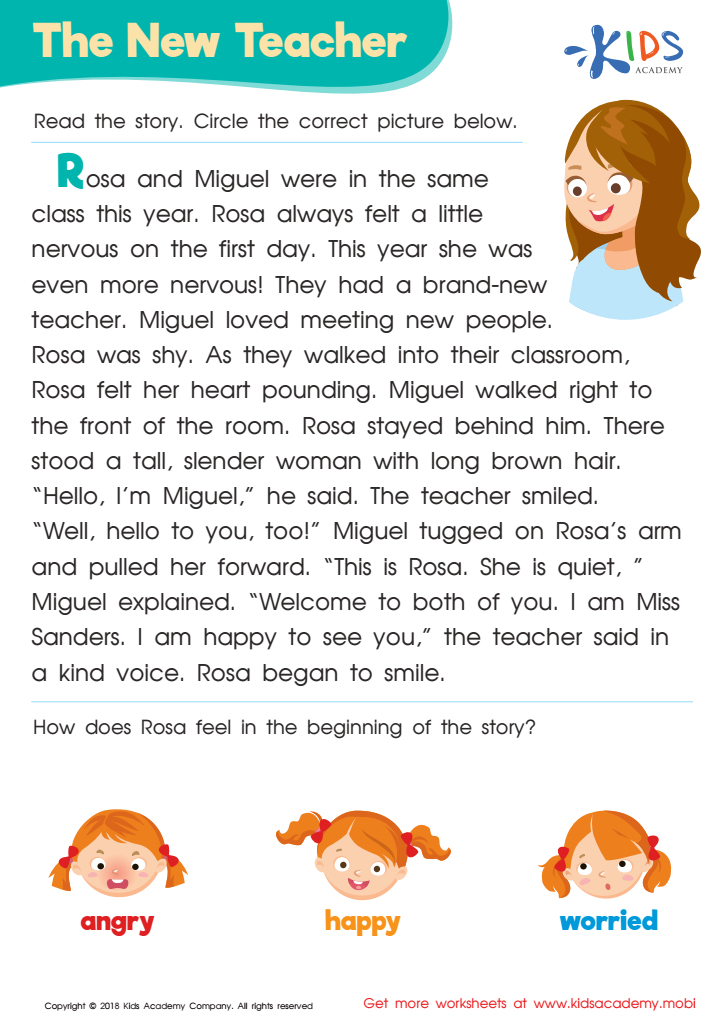
The New Teacher Worksheet
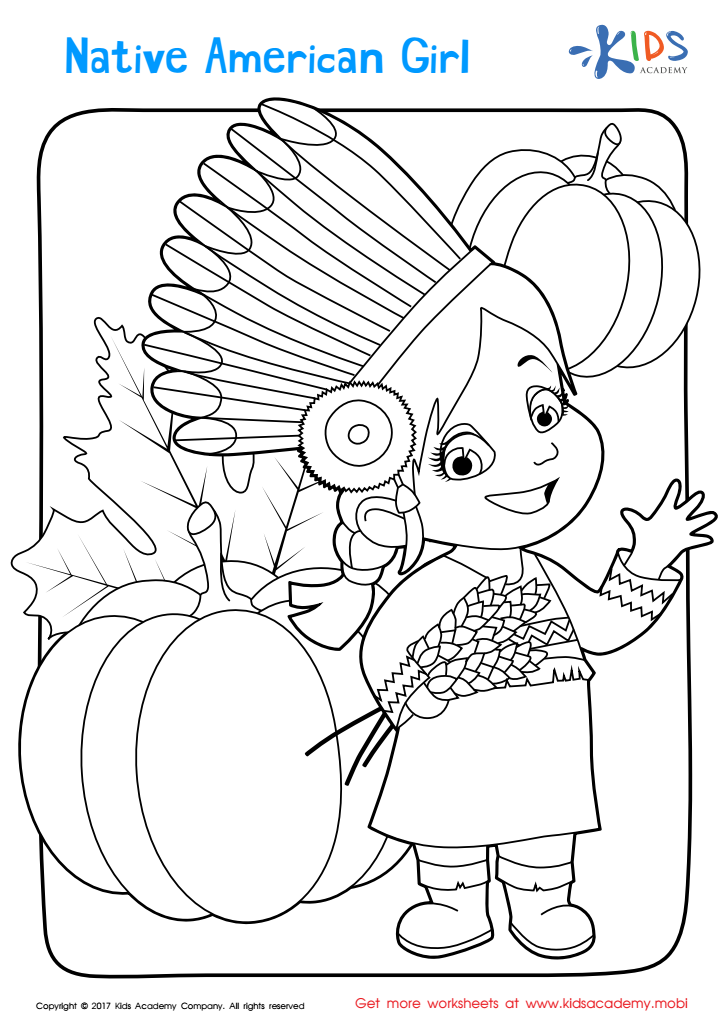
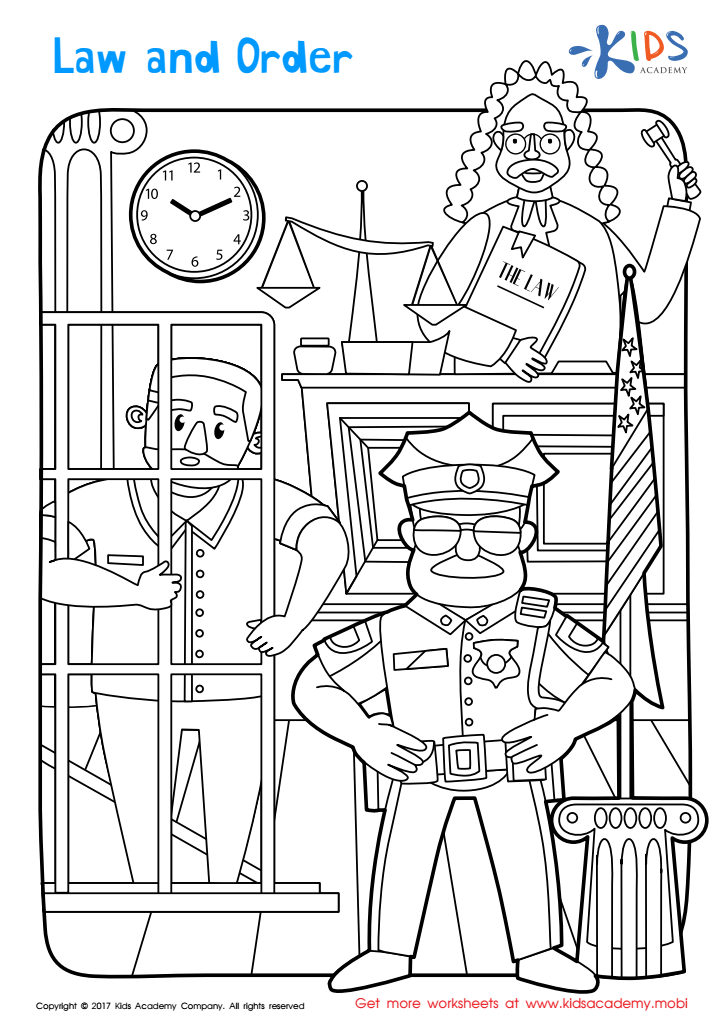
Law and Order Coloring Page Worksheet
Assign to My Students




.jpg)


Coloring skills are crucial for children aged 5-9, as they play a significant role in several developmental areas. First, coloring enhances fine motor skills, allowing children to develop the dexterity and control needed for writing and other hand-eye coordination tasks. Improved motor skills lay a foundation for academic success as children progress through school.
Additionally, coloring encourages creativity and self-expression. Kids use colors to convey their emotions and ideas, fostering an understanding of different perspectives. This not only stimulates their imagination but also powerful communication skills.
Furthermore, coloring can help with cognitive development. When children engage in this activity, they learn to focus, follow instructions, and make decisions about color choices and designs, which are critical thinking components.
Coloring activities can also serve as a form of emotional regulation; engaging in creative tasks can be calming and therapeutic, helping children manage anxiety and express their feelings positively.
Involving parents and teachers in children’s coloring activities can strengthen relationships and provide a shared space for exploration. By promoting coloring skills, caregivers contribute to a holistic development approach, preparing children for future educational challenges and social interactions. Therefore, nurturing these skills during early childhood is paramount.








