Comparative analysis Normal Worksheets for Ages 5-9
6 filtered results
-
From - To
Discover our "Comparative Analysis Normal Worksheets for Ages 5-9," designed to engage young learners through fun and interactive activities. These worksheets help children explore similarities and differences across various subjects, enhancing their critical thinking and reasoning skills. Aligned with early education standards, our resources encourage students to compare objects, ideas, and concepts in a creative manner. Perfect for use at home or in the classroom, these worksheets provide a hands-on approach to learning that makes abstract concepts concrete. Empower your child's understanding and analytical skills today with our engaging, age-appropriate worksheets tailored for ages 5 to 9!
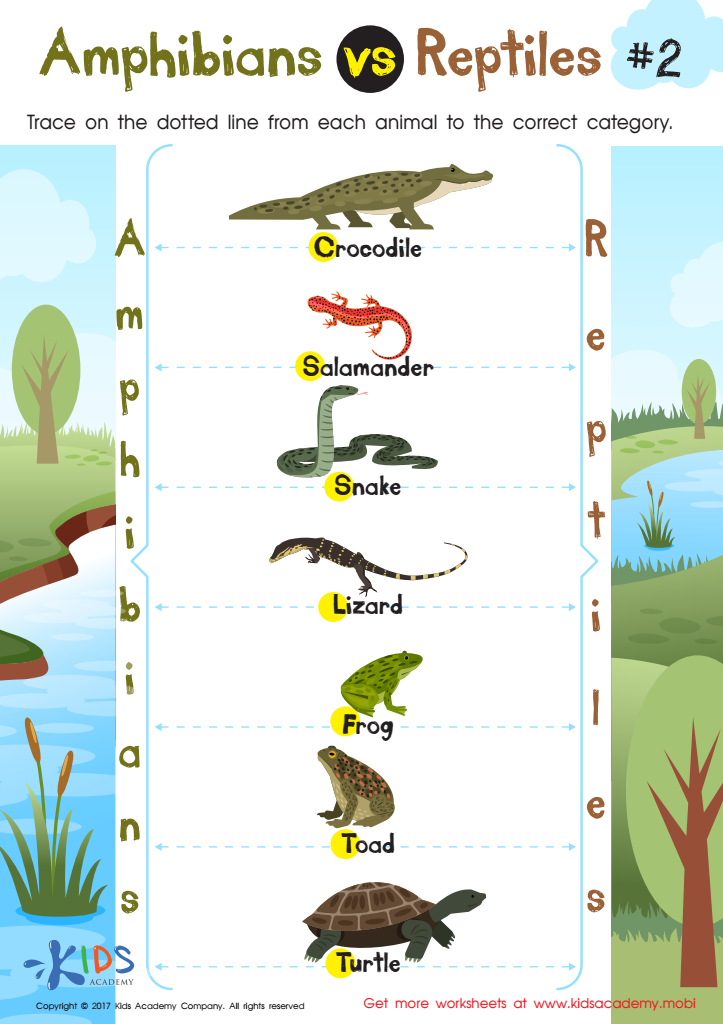
Amphibians vs Reptiles Worksheet for 3rd Grade
 Assign to My Students
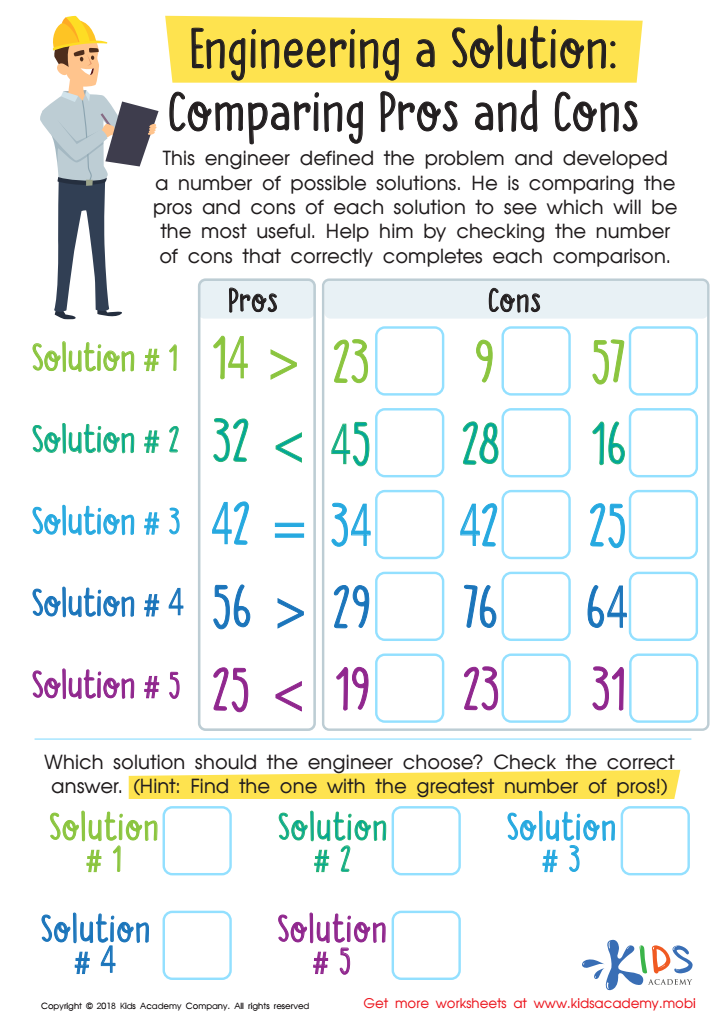
Engineering a Solution: Comparing Pros and Cons Worksheet
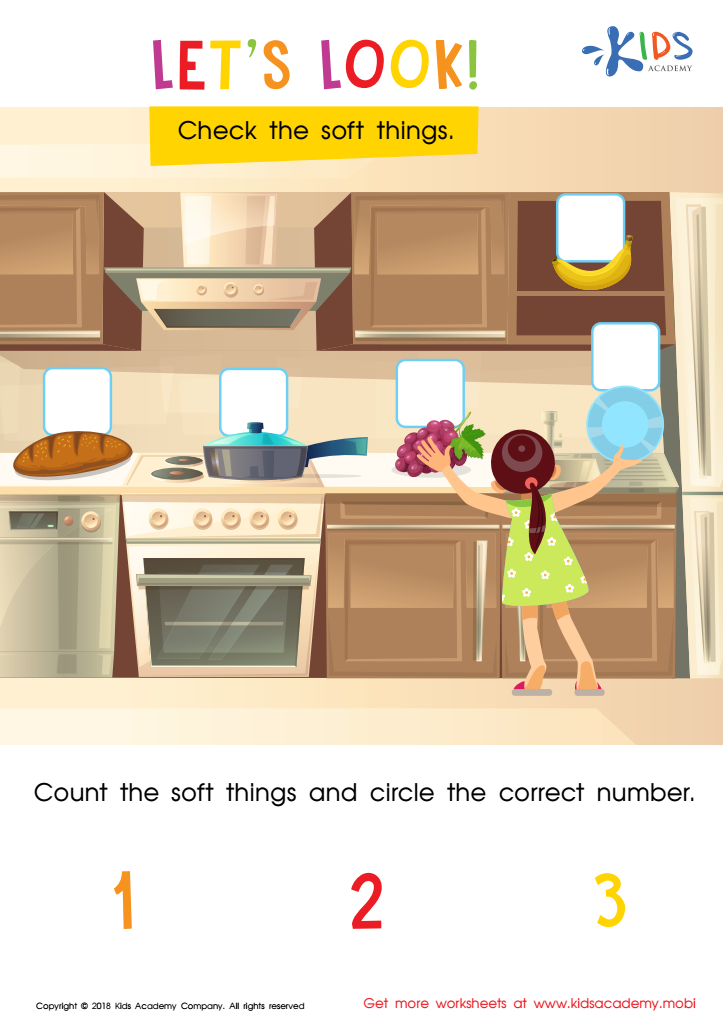
Let's Look! Assessment Worksheet
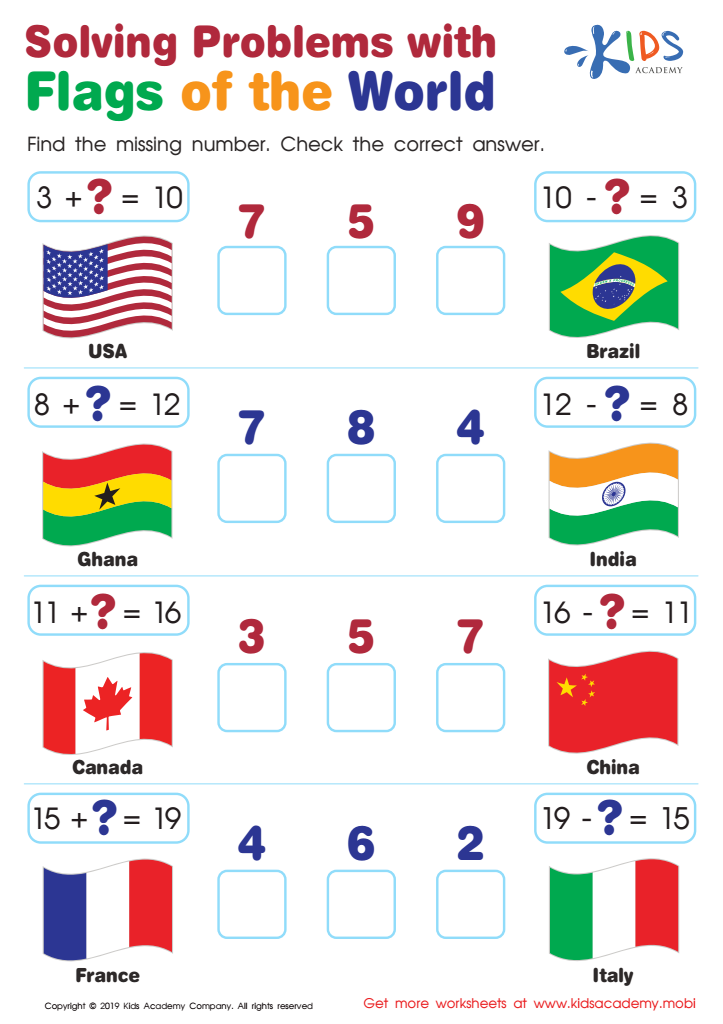
Solving Problems with Flags of the World Worksheet
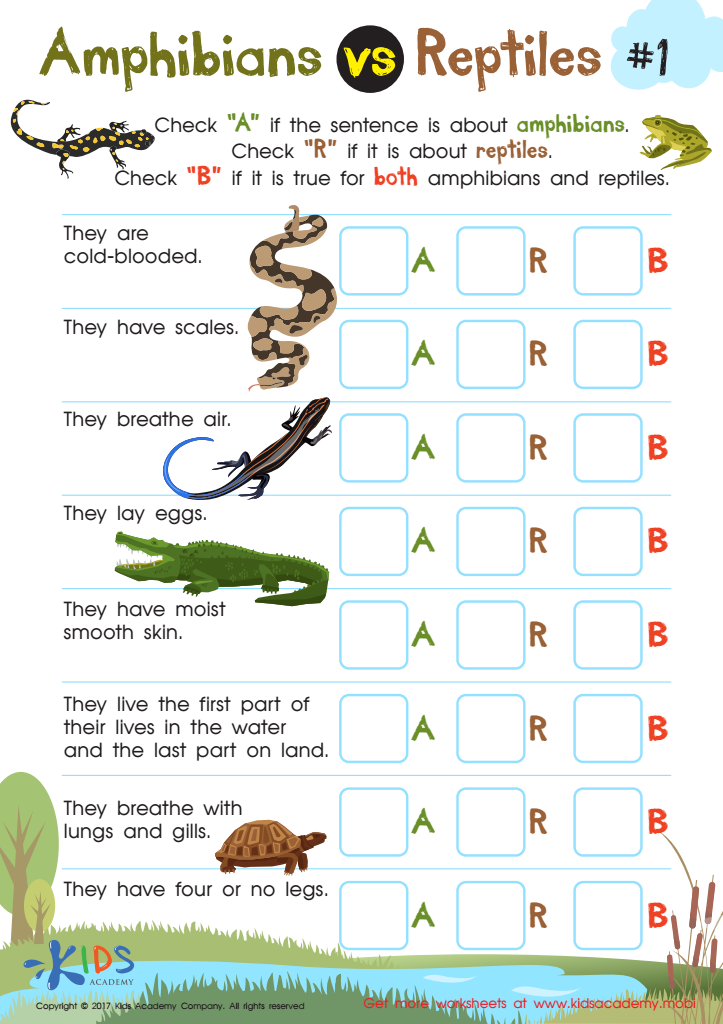
Amphibians vs Reptiles Worksheet
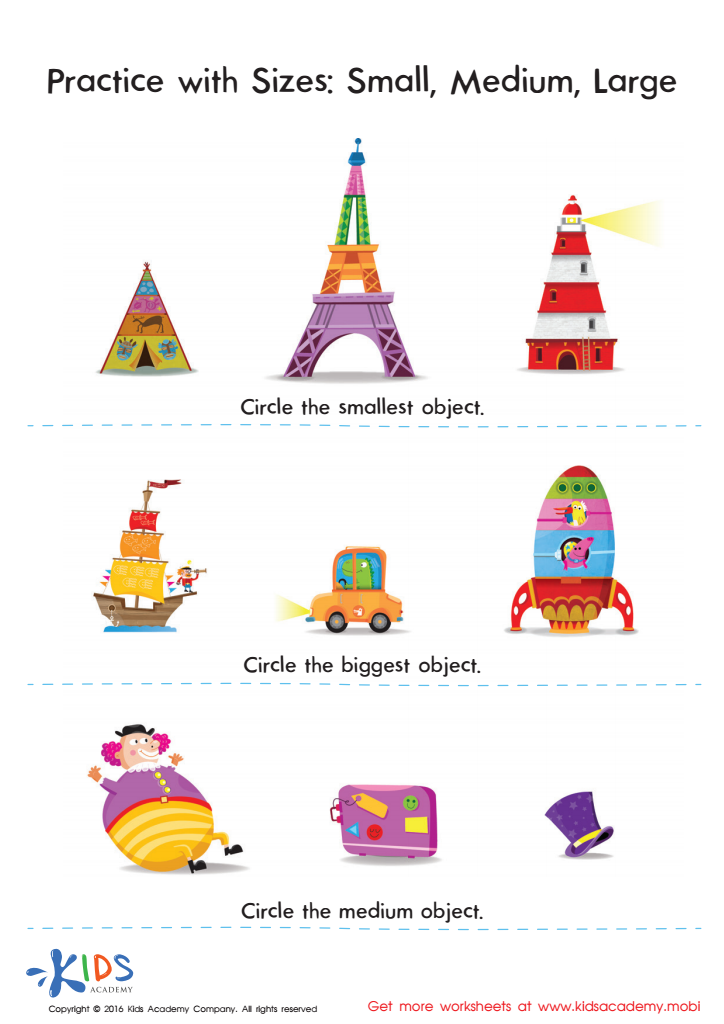







Comparative analysis of developmental milestones for ages 5-9 is crucial for both parents and teachers as it provides valuable insights into a child's growth and progress. This analysis allows for the identification of patterns in social, emotional, cognitive, and physical development, enabling caregivers to celebrate accomplishments and intervene early when necessary.
By understanding normative data, parents and teachers can set realistic expectations for children’s abilities, recognizing that each child develops at their own pace. It also helps them identify strengths and areas of concern, facilitating targeted support resources. For instance, if a child is significantly behind in language skills compared to peers, timely intervention can be initiated to prevent further learning gaps.
Moreover, comparative analysis fosters open communication between parents and teachers. When they share data-informed discussions about a child's development, it nurtures collaboration and empowers both parties to nurture the child's learning journey effectively. By being aware of typical developmental trajectories, caregivers can create enriched, supportive environments that encourage curiosity and growth. Ultimately, this analysis cultivates a holistic understanding of child development, leading to better educational outcomes and healthier emotional well-being.








