Data interpretation Normal Worksheets for Ages 5-9
5 filtered results
-
From - To
Empower your child's critical thinking with our "Data Interpretation Normal Worksheets" for ages 5-9 at Kids Academy. Designed to spark curiosity, these worksheets help young learners grasp the essentials of interpreting simple data sets. Perfect for both classroom and home use, our fun illustrations and engaging activities teach kids to read charts, understand graphs, and glean information from tables. These essential skills form a strong foundation for future learning in math and science. Our expertly crafted sheets cater to varying skill levels, ensuring every child progresses confidently. Support your child's data interpretation journey today with Kids Academy’s exceptional resources.
(100 words)
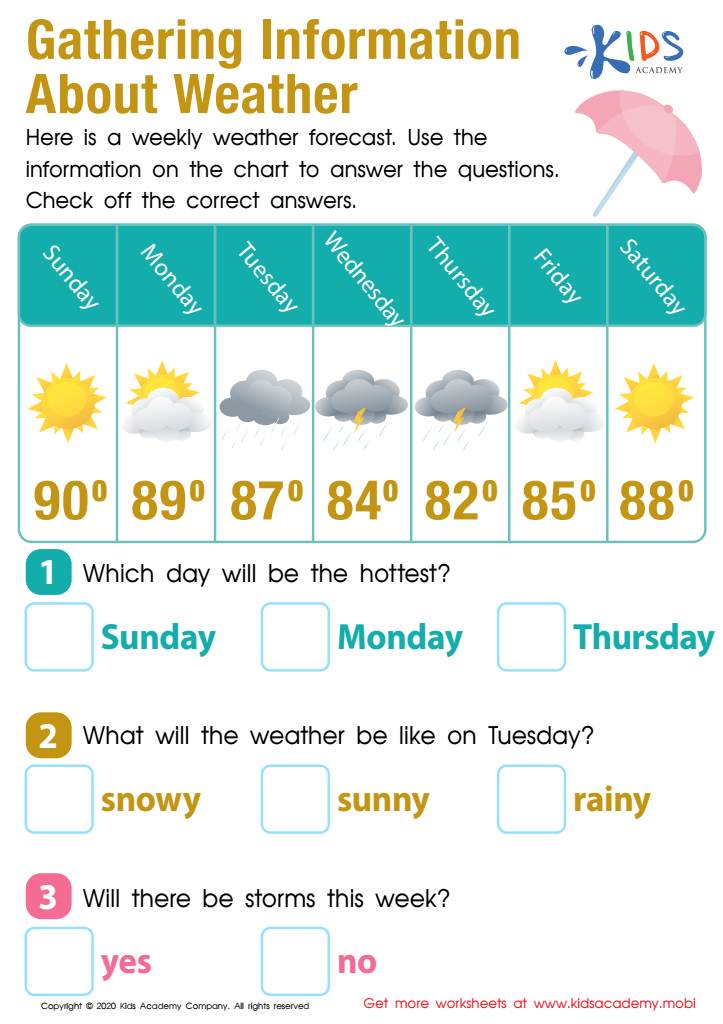
Gathering Information About the Weather Worksheet
 Assign to My Students
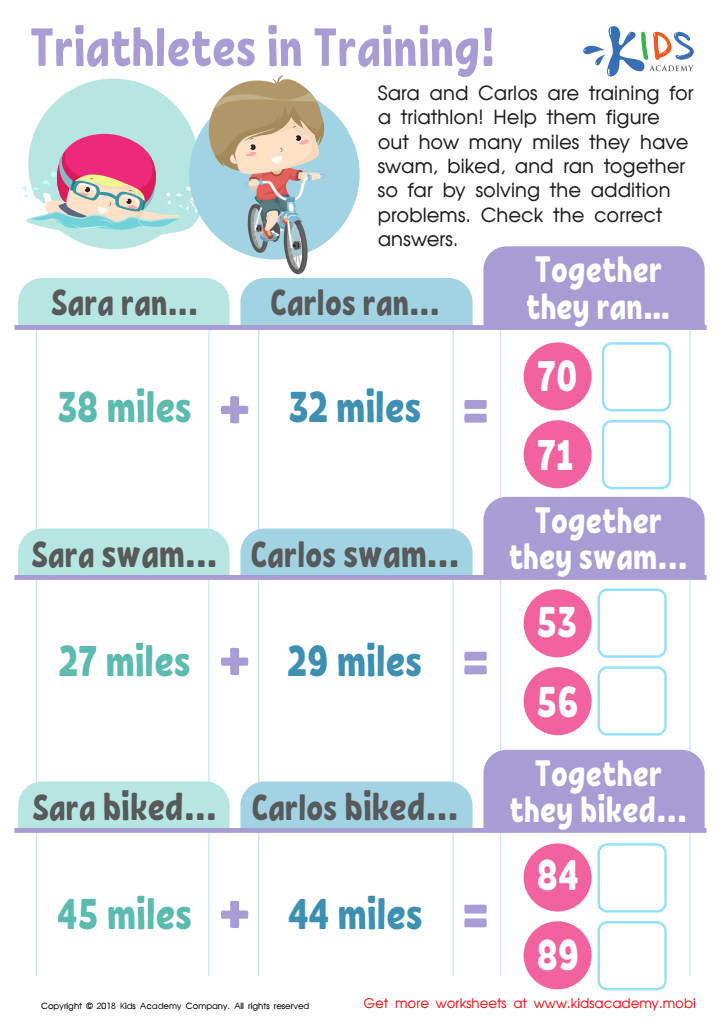
Triathletes in Training Worksheet
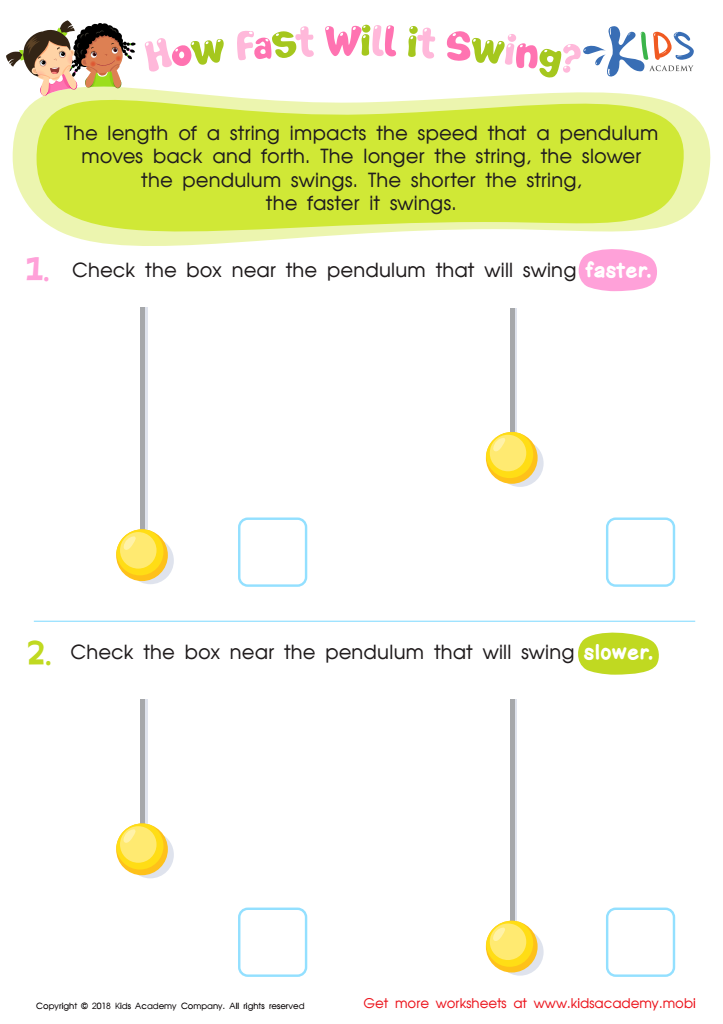
Pendulum Experiment Worksheet For 3rd Grade
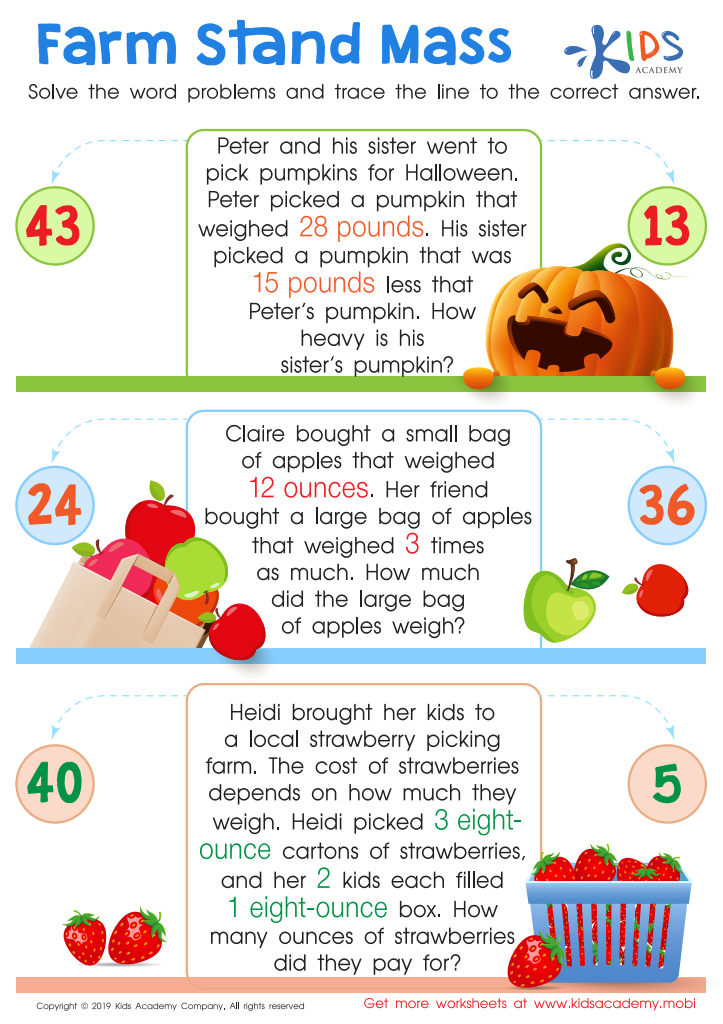
Farm Stand Mass Worksheet
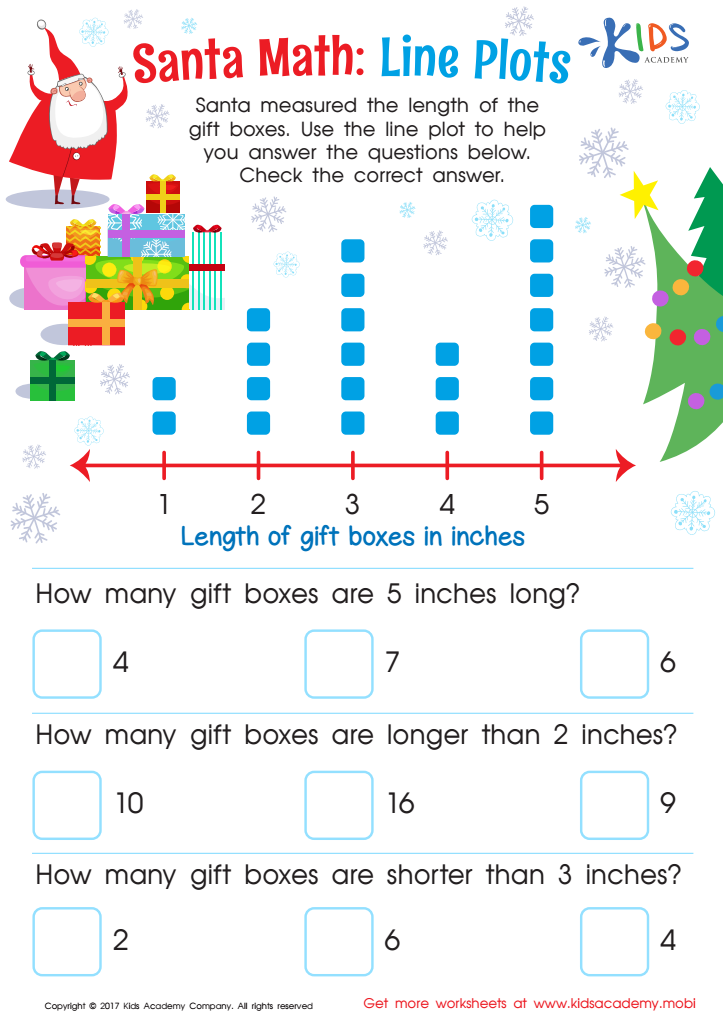
Line Plot Worksheet








Data interpretation skills play a crucial role in a child's cognitive development and everyday life. For children aged 5-9, learning basic data interpretation can set the foundation for advanced cognitive, mathematical, and analytical skills. Parents and teachers should care about fostering these skills for several reasons.
First, data interpretation enhances critical thinking. It helps children understand how to gather information, recognize patterns, make comparisons, and draw conclusions. These skills are essential not just in academics but also in making informed decisions in daily life.
Second, understanding data builds numeracy skills. It encourages kids to engage with numbers and understand concepts like averaging, counting, and organizing information systematically. These abilities are fundamental for later success in mathematics and applied sciences.
Third, data interpretation fosters a sense of curiosity and engagement with the world. By teaching children how to ask questions and seek answers, parents and teachers stimulate their natural inquisitiveness, which drives lifelong learning.
Lastly, in today's data-driven world, early familiarity with interpreting information prepares children for the future. It equips them with the skills needed to navigate a world increasingly reliant on data, ensuring they can participate actively and responsibly in society.
Therefore, parents and teachers should prioritize teaching data interpretation to young children to lay a solid foundation for their future academic and personal growth.








