Differentiating goods/services Normal Worksheets for Ages 5-9
3 filtered results
-
From - To
Explore our engaging "Differentiating Goods/Services Normal Worksheets for Ages 5-9" designed to enhance young learners' understanding of basic economic concepts. These thoughtfully crafted worksheets encourage children to differentiate between goods and services through fun activities and relatable examples. Each worksheet is visually appealing and interactive, making learning enjoyable and effective for kids. Perfect for early grade teachers and parents alike, these resources support the development of essential critical thinking skills. Dive into an exciting learning experience as your students discover the differences between products they use every day and the services that make those products possible!
 Assign to My Students
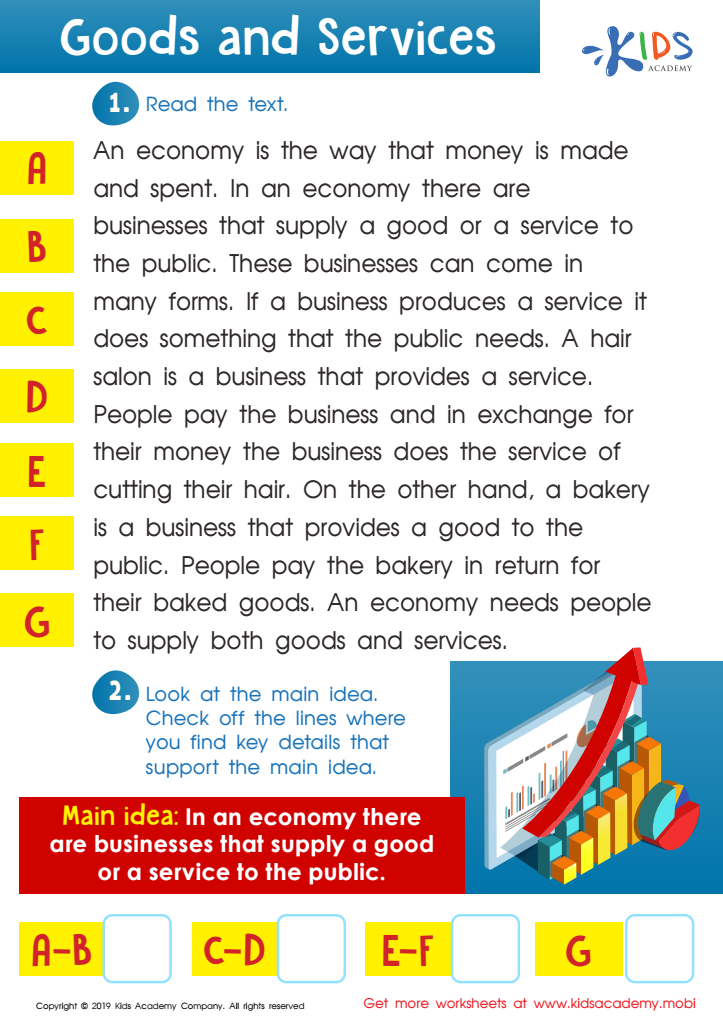
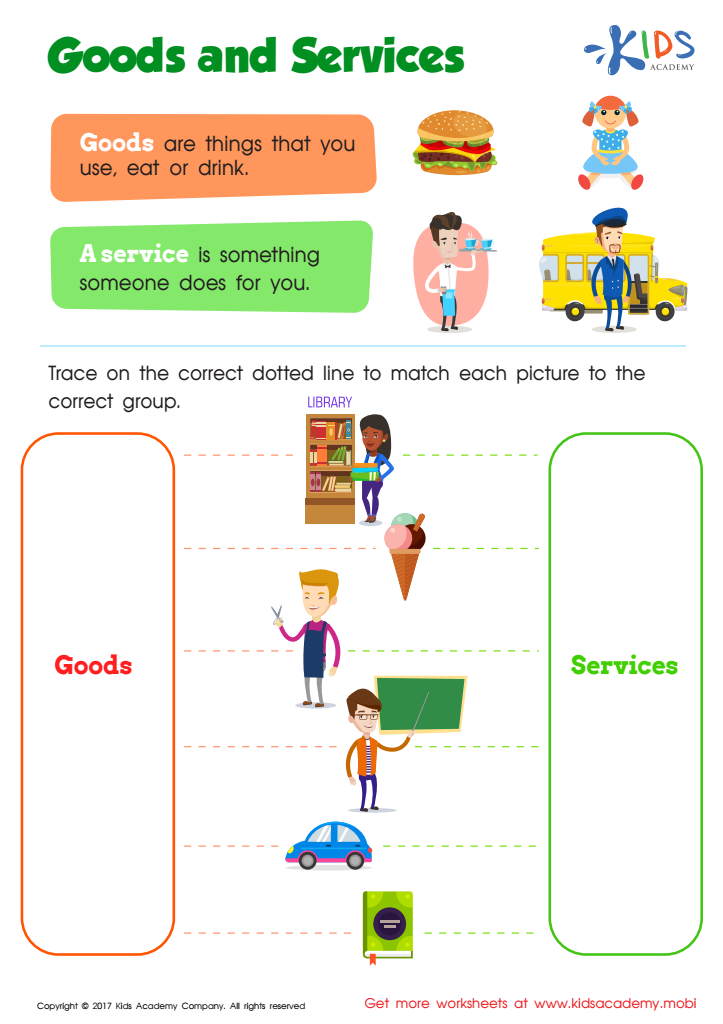
Goods and Services Worksheet
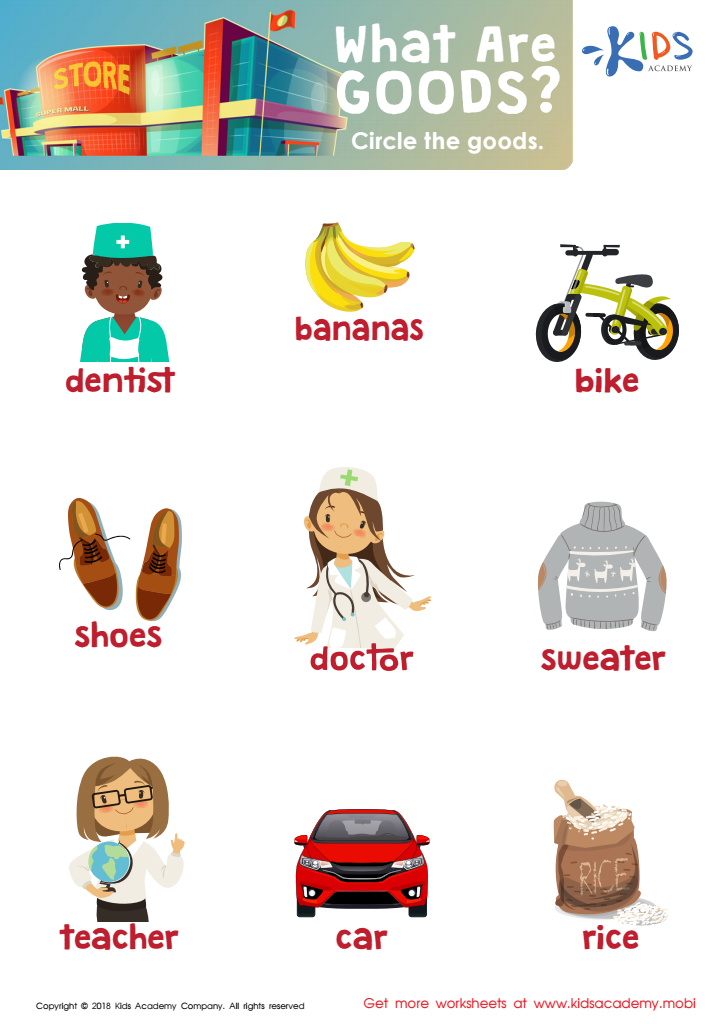
What Are Goods? Worksheet


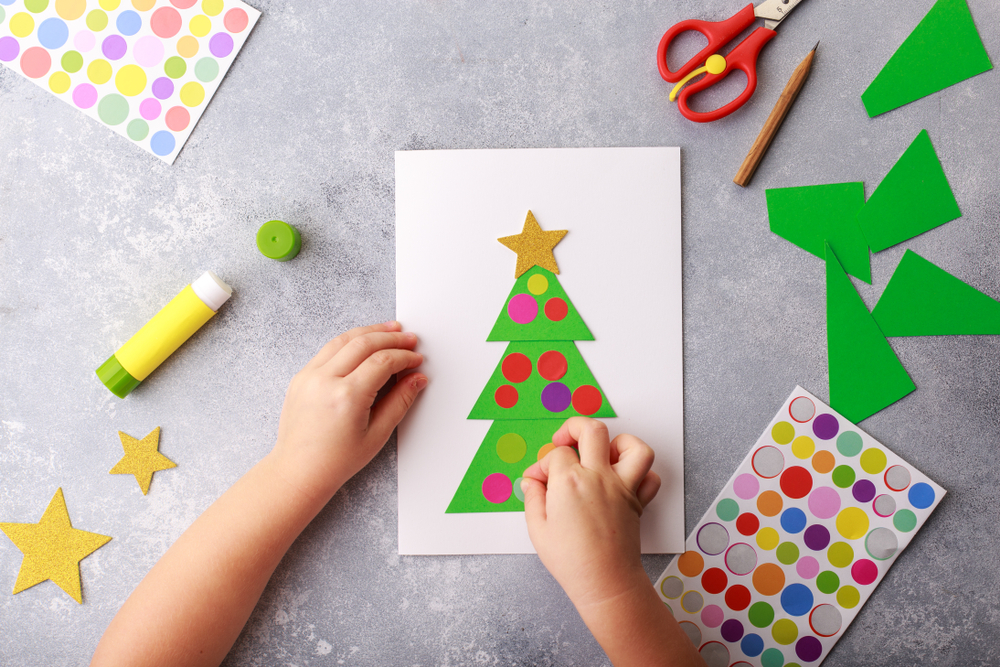
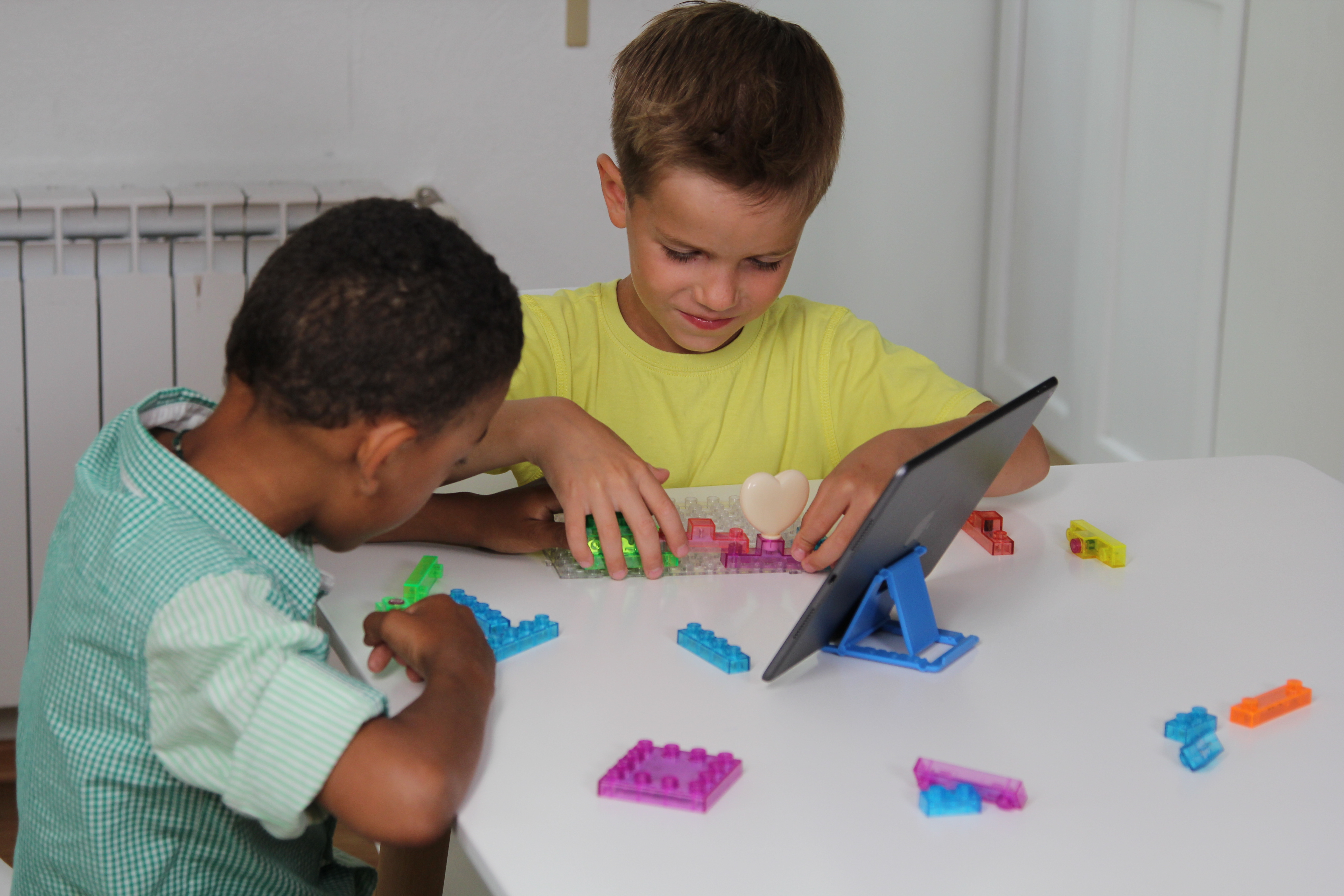


Differentiating goods and services for children ages 5-9 is essential for several reasons. At this developmental stage, children exhibit a diverse range of abilities, interests, and learning styles. Effective differentiation allows parents and teachers to tailor experiences to meet individual needs, ensuring that every child feels engaged and supported. When goods and services—such as educational materials, toys, or extracurricular activities—are adapted, it promotes a more inclusive environment.
Moreover, children learn best when they are motivated and challenged appropriately. For example, a child who struggles with reading may benefit from using colorful, interactive books that cater to their level, while a more advanced reader might explore complex narratives that pique their interest. Similarly, toys and activities that match a child’s abilities can foster confidence and skill development, encouraging a lifelong love for learning.
Additionally, differentiation helps in building social and emotional skills. It promotes cooperation and understanding among peers, as children learn from each other's unique strengths and perspectives. When parents and teachers care about and implement differentiated goods and services, they contribute to creating a more equitable and nurturing learning environment, laying the foundation for a child's future success. Ultimately, caring about differentiation enriches the educational experience for all children.








