Fine motor development Normal Worksheets for Ages 5-9
4 filtered results
-
From - To
Discover our "Fine Motor Development Normal Worksheets" designed for children ages 5-9! These engaging printables help young learners strengthen their hand-eye coordination, enhance dexterity, and boost cognitive skills through fun activities. Each worksheet is tailored to be developmentally appropriate and encourages creativity while promoting essential fine motor skills such as cutting, tracing, and coloring. Perfect for both classroom settings and at-home learning, these worksheets ensure kids enjoy their practice while building confidence in their abilities. Explore our diverse collection and support your child's growth in a playful, interactive way! Start setting the foundation for their future learning success today!
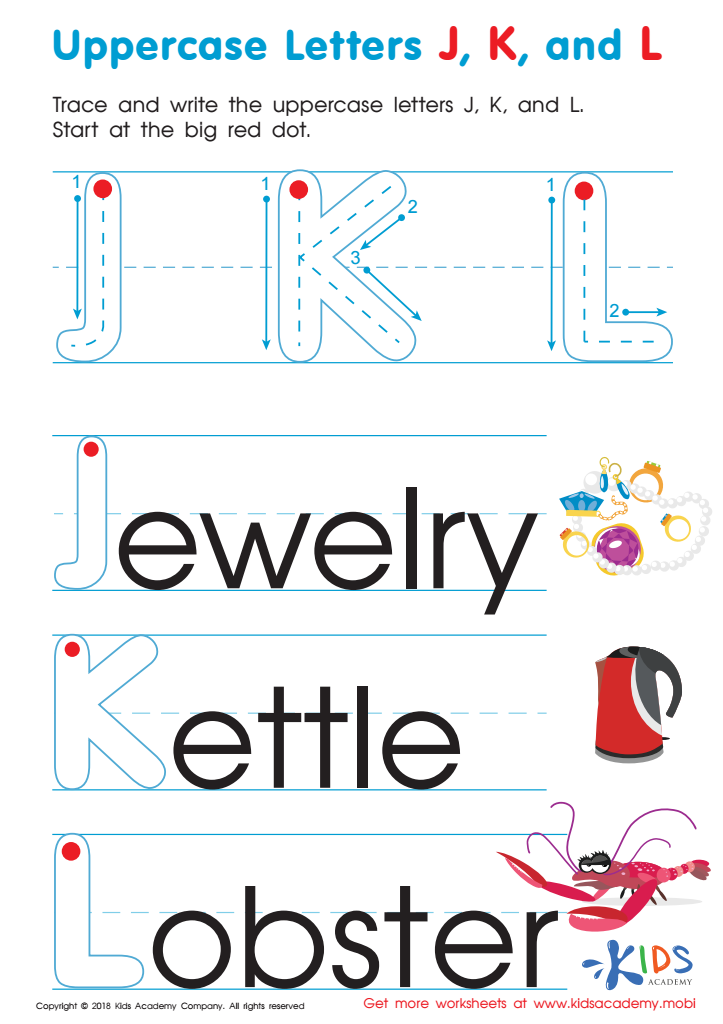
Uppercase Letters J, K, and L Worksheet
 Assign to My Students
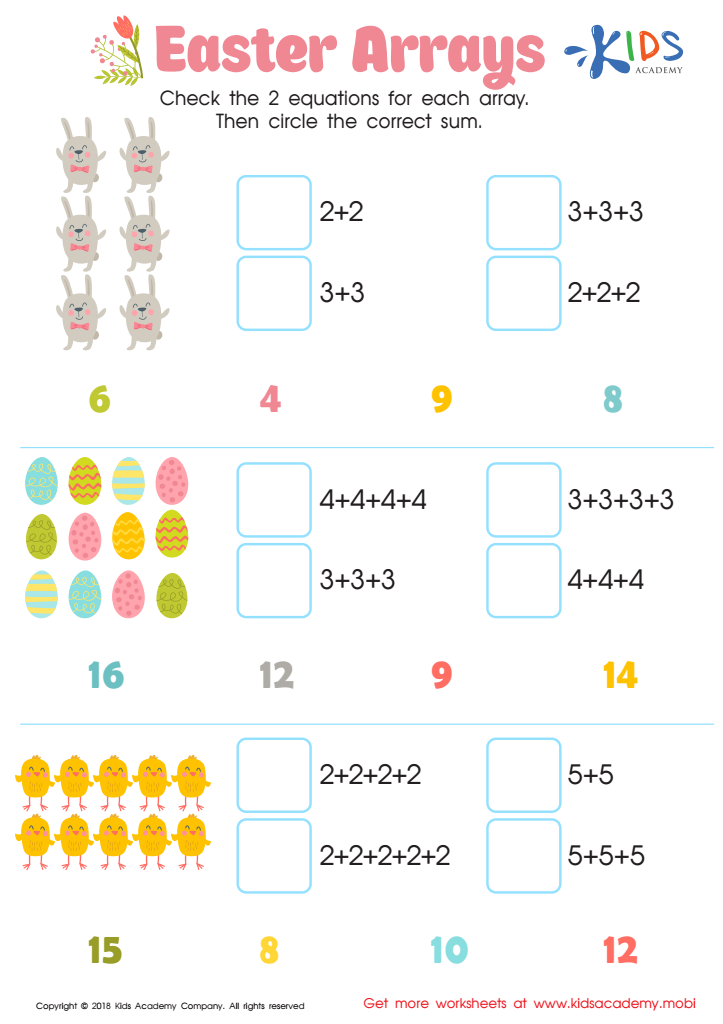
Easter Arrays Worksheet
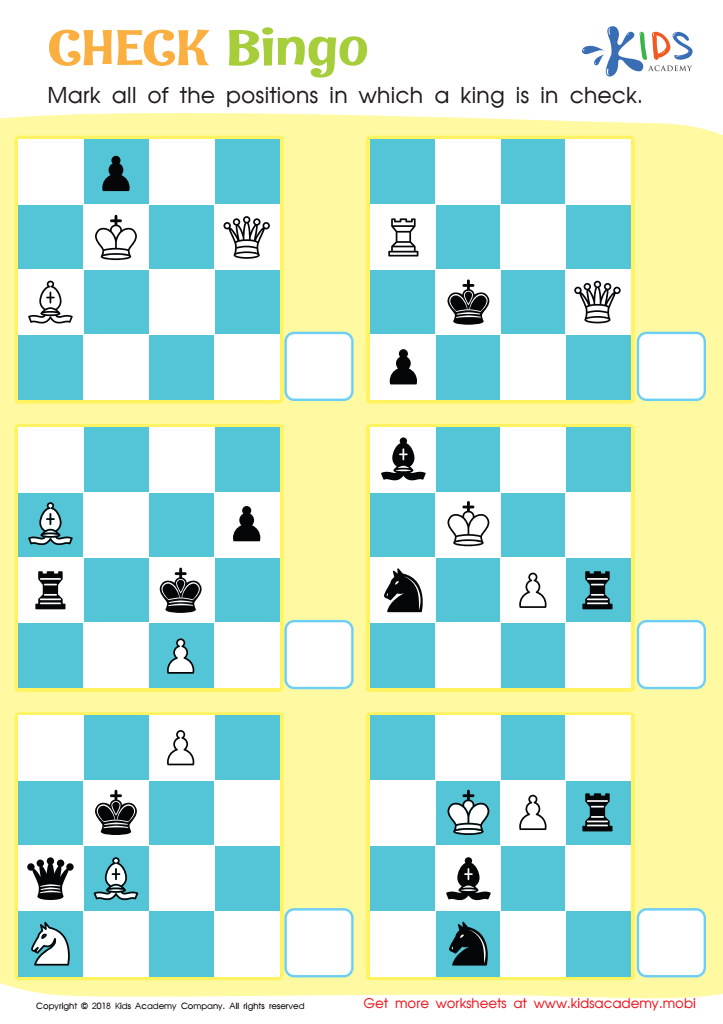
Check Bingo Worksheet
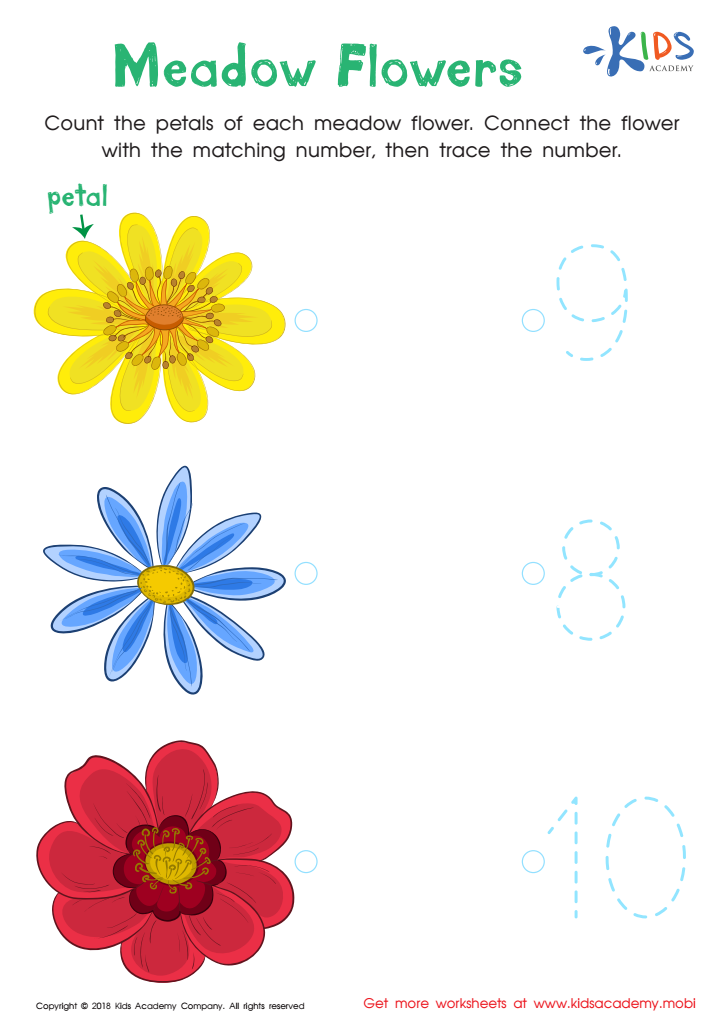
Kindergarten Number Tracing: Medow Flowers Worksheet






Fine motor development is crucial for children aged 5-9 as it significantly impacts their ability to engage in everyday tasks and learning activities. At this developmental stage, children refine their small muscle coordination, which influences their writing, cutting, drawing, and self-care skills. Parents and teachers should care about this aspect of development because strong fine motor skills are linked to academic success. For instance, improved writing abilities enable children to express their thoughts more clearly, enhancing their overall learning experience.
Moreover, fine motor skills are essential for activities such as buttoning shirts, tying shoelaces, and using utensils, directly influencing a child's independence and self-esteem. Proficiency in these skills fosters confidence and encourages children to participate more actively in classroom and peer activities.
A lack of fine motor development can lead to difficulties in school, increased frustration, and a potential decrease in academic motivation. By focusing on fine motor skill development through engaging activities like crafts, finger painting, and puzzles, parents and teachers can create a supportive environment where children can thrive both academically and socially. Committing time and resources to this area ultimately benefits a child’s overall development and readiness for future learning challenges.








