Foster creativity Normal Worksheets for Ages 5-9
3 filtered results
-
From - To
Discover the "Foster Creativity Normal Worksheets" tailored for children ages 5-9! These engaging worksheets are designed to inspire imaginative thinking and creative problem-solving skills. Filled with fun activities, kids can explore various topics while enhancing their artistic abilities through drawing, coloring, and writing tasks. Perfect for home or classroom use, our worksheets encourage self-expression and boost confidence. Parents and educators can easily integrate these activities into daily learning routines. Help your child unlock their creative potential with our vibrant, interactive worksheets that make learning a delightful adventure! Explore our collection today and watch creativity flourish!
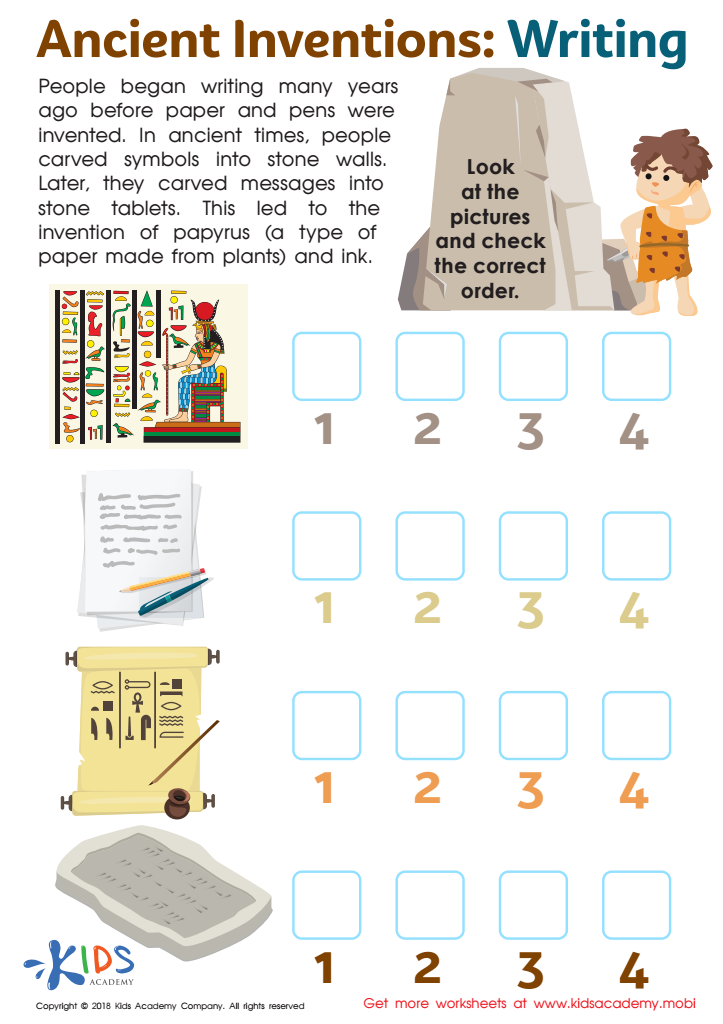
Ancient Inventions: Writing Worksheet
 Assign to My Students
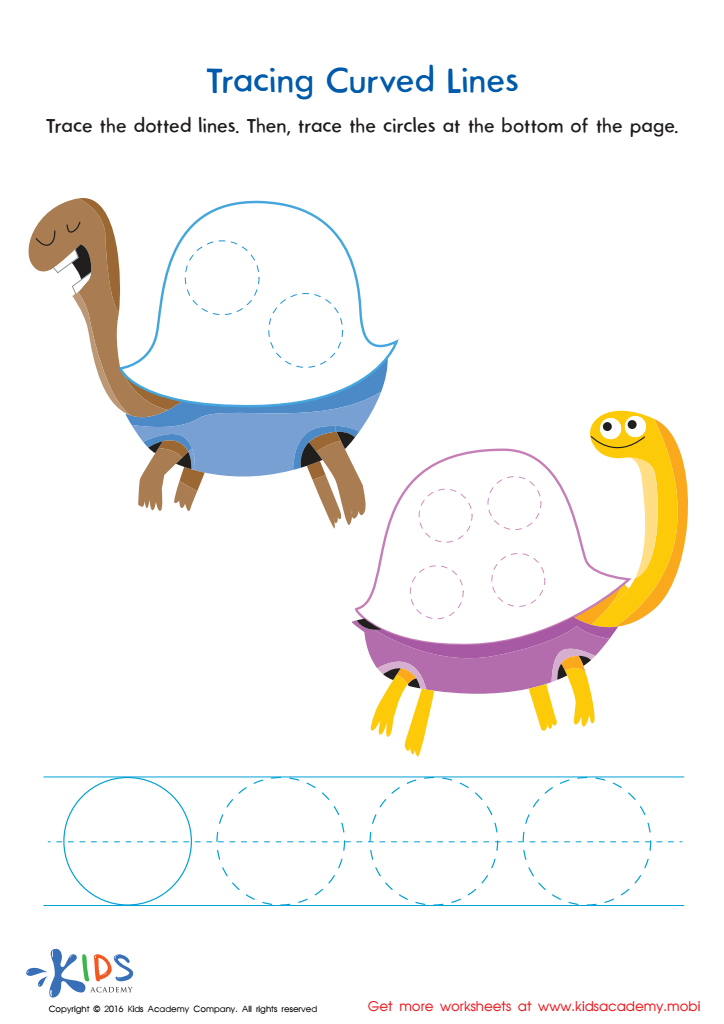
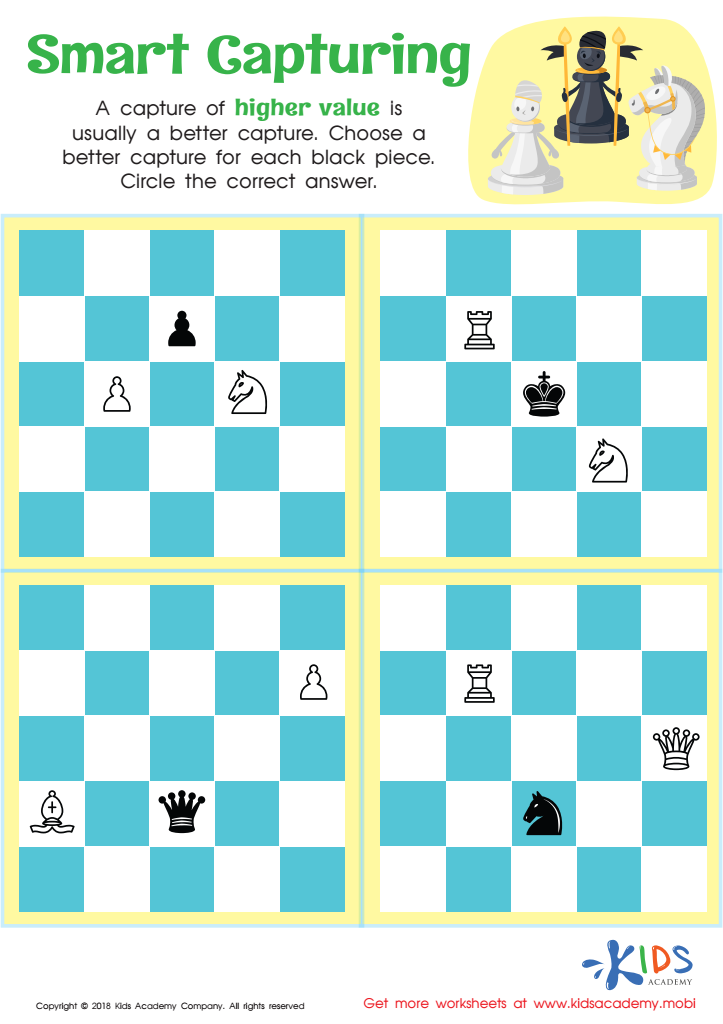
Smart Capturing Worksheet







Fostering creativity in children aged 5-9 is crucial for their holistic development and lifelong success. At this age, children are naturally curious and imaginative, and encouraging creativity cultivates critical thinking skills that are essential for problem-solving and innovation in the future. Creative activities, such as art, music, and imaginative play, allow children to express their thoughts and feelings, building emotional intelligence and confidence.
Parents and teachers should care about nurturing creativity because it enhances cognitive abilities, promoting flexibility in thinking and adaptability. This stage of life provides rich opportunities for exploration and experimentation, laying a strong foundation for STEM learning and other academic subjects. Moreover, creativity in childhood is linked to emotional well-being, offering a productive outlet for self-expression and stress relief.
In the classroom, creative thinking improves collaboration and communication skills as children share their ideas and learn from one another. A commitment to fostering a creative environment helps cultivate a sense of curiosity and a love for learning, ensuring that children not only achieve academically but also grow into innovative thinkers and compassionate individuals ready to tackle the challenges of a complex world. By prioritizing creativity, parents and educators invest in children's futures, equipping them with essential life skills.








