Geographic Understanding Normal Worksheets for Ages 5-9
3 filtered results
-
From - To
Enhance your child's geographic understanding with our engaging worksheets designed for ages 5-9! These printable resources foster early learning through colorful maps, fun activities, and interactive exercises that introduce key concepts such as continents, oceans, and landscapes. Perfect for classrooms or at-home learning, each worksheet is tailored to align with developmental milestones, encouraging curious minds to explore their world. With a focus on both individual exploration and collaborative learning, children will build essential geography skills that lay the foundation for future academic success. Start your child's geographic adventure today and watch their knowledge of the world grow!
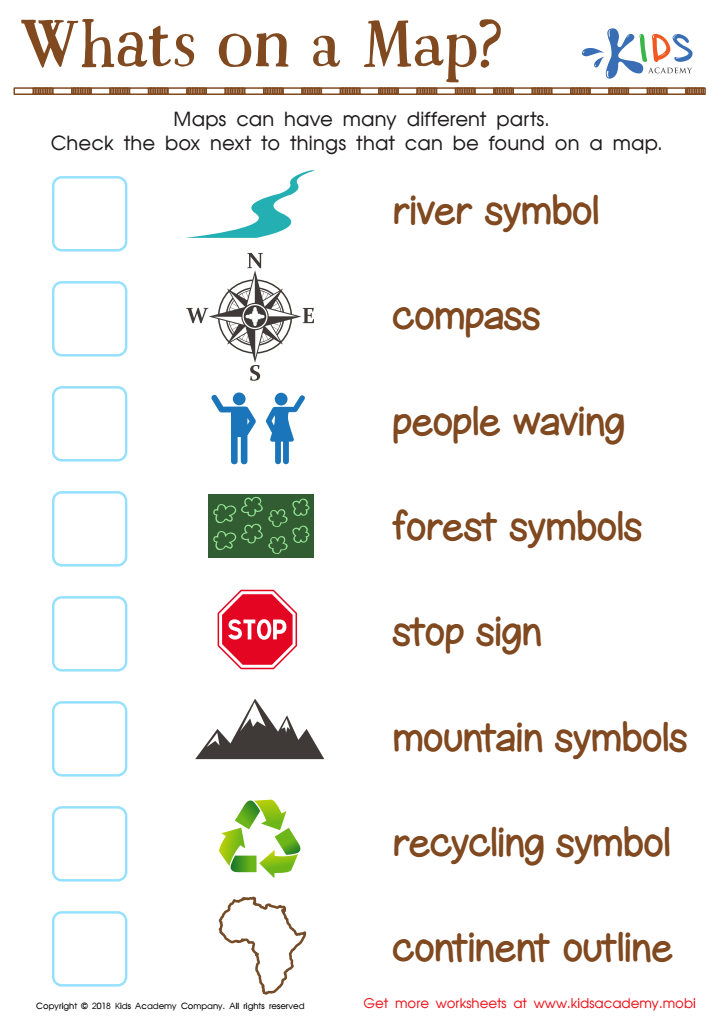
Whats on a Map? Worksheet
 Assign to My Students
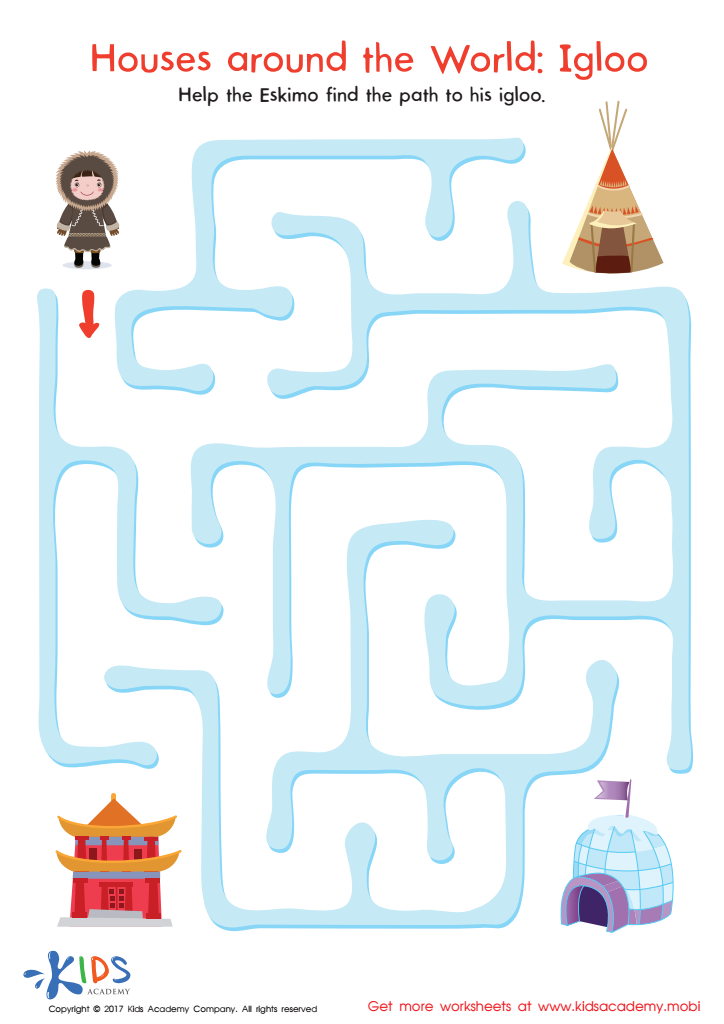
Houses Around the World: Igloo Printable
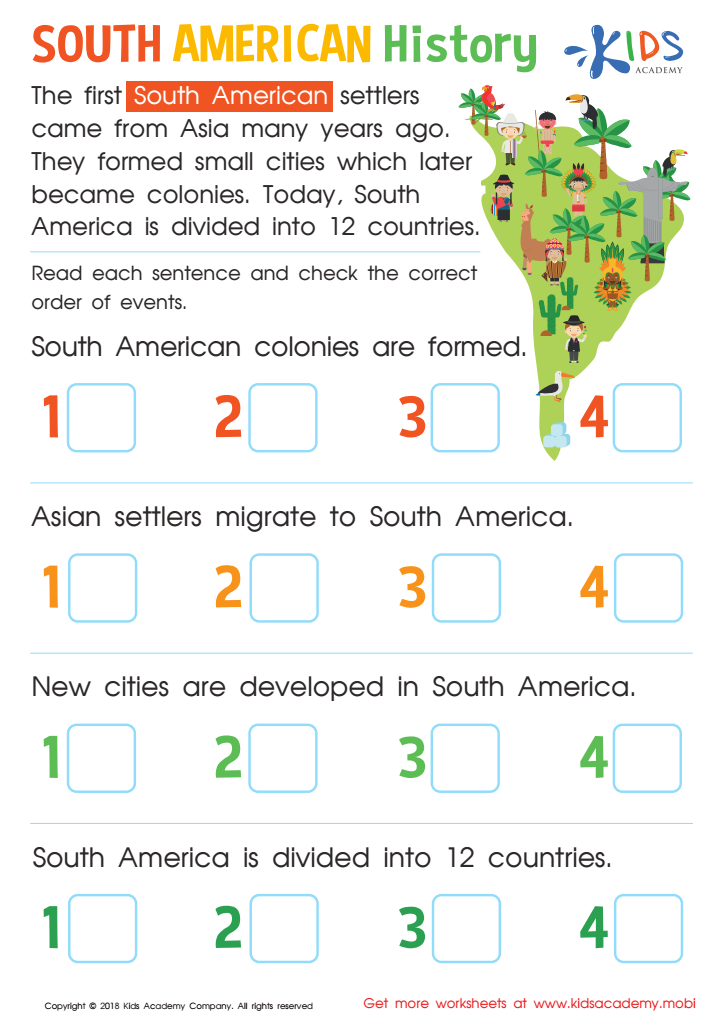
South American History Worksheet




.jpg)

Geographic understanding is vital for children aged 5-9 as it forms the foundation for their awareness of the world around them. At this stage, young learners are naturally curious about their environment, and geography provides them with the tools to explore their surroundings, recognize different cultures, and develop a sense of place. This understanding not only supports academic achievement across subjects like social studies and science but also fosters critical thinking and problem-solving skills.
Furthermore, geographic knowledge contributes to a child's social and emotional development. It helps them empathize with people from diverse backgrounds, promoting inclusivity and global citizenship. Teaching geography encourages children to ask questions about their world, leading to exploration and discovery, which can spark a lifelong love for learning.
Parents and teachers should prioritize geographic understanding as it equips children with essential skills for making informed decisions in a global society. In a world increasingly interlinked through technology, awareness of geographic concepts can help children navigate challenges such as environmental issues and cultural differences. Overall, fostering geographic understanding in early education lays the groundwork for well-rounded, thoughtful, and informed individuals prepared to engage with their world.








