Handwriting practice Normal Worksheets for Ages 5-9 - Page 3
63 filtered results
-
From - To
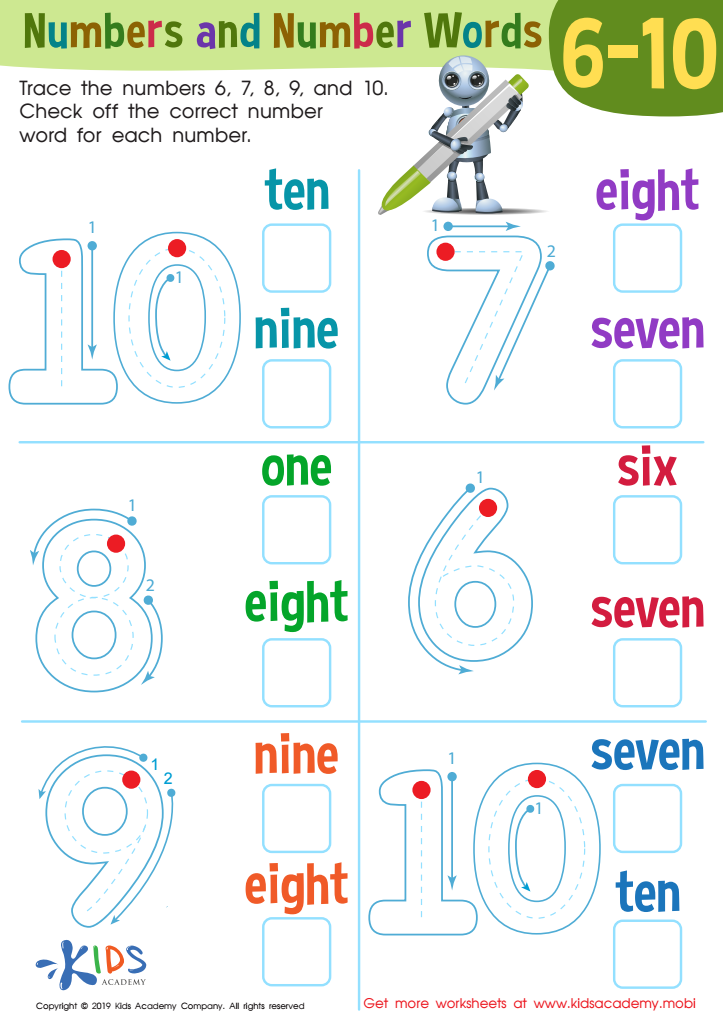
Numbers and Number Words 6–1 Worksheet
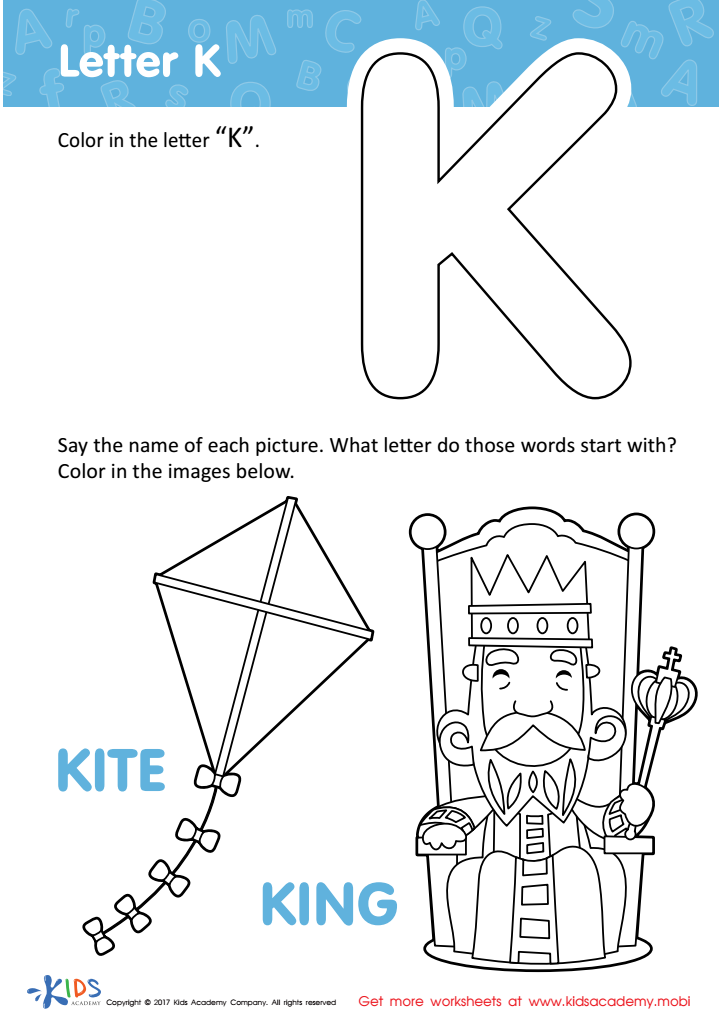
Letter K Coloring Sheet
 Assign to My Students
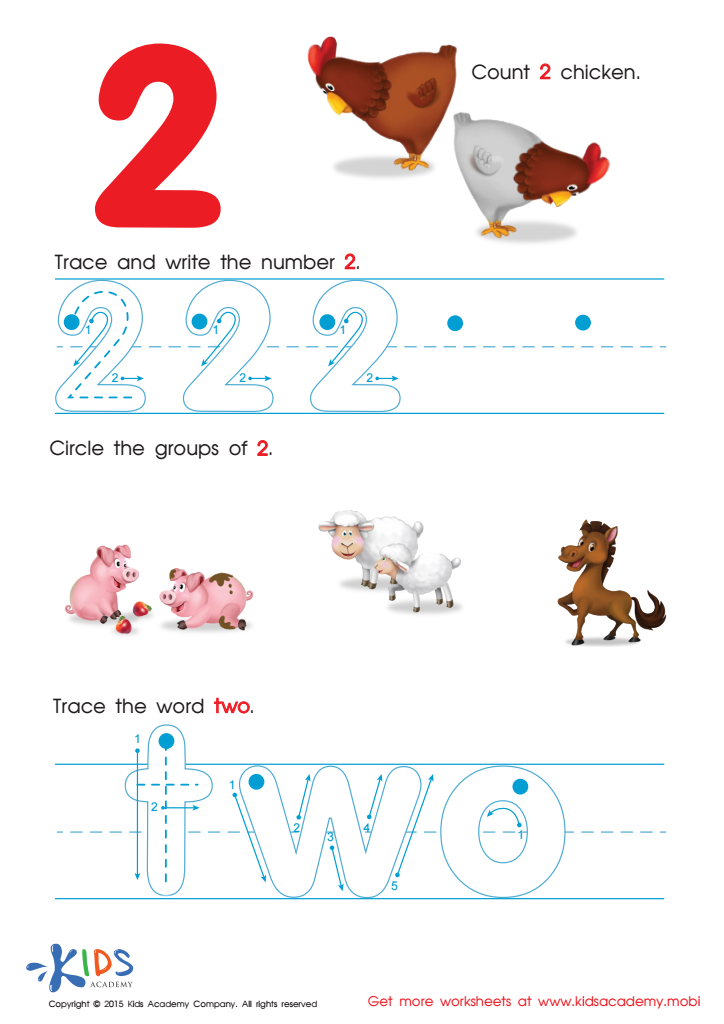
Learn to Write the Number 2 Worksheet
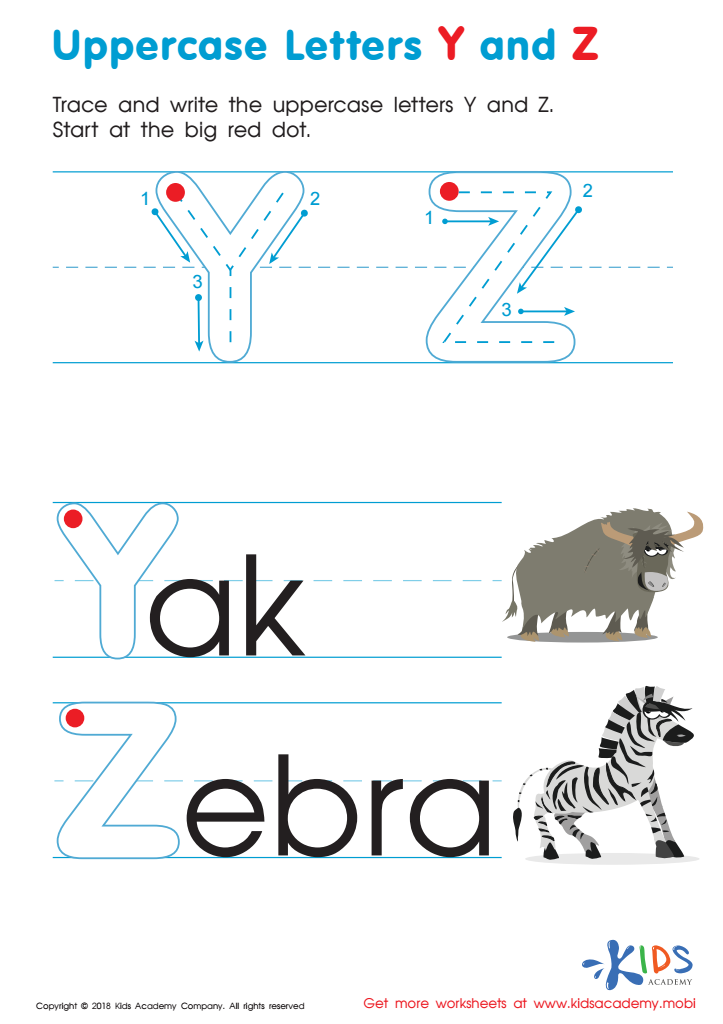
Uppercase Letters Y Z Worksheet
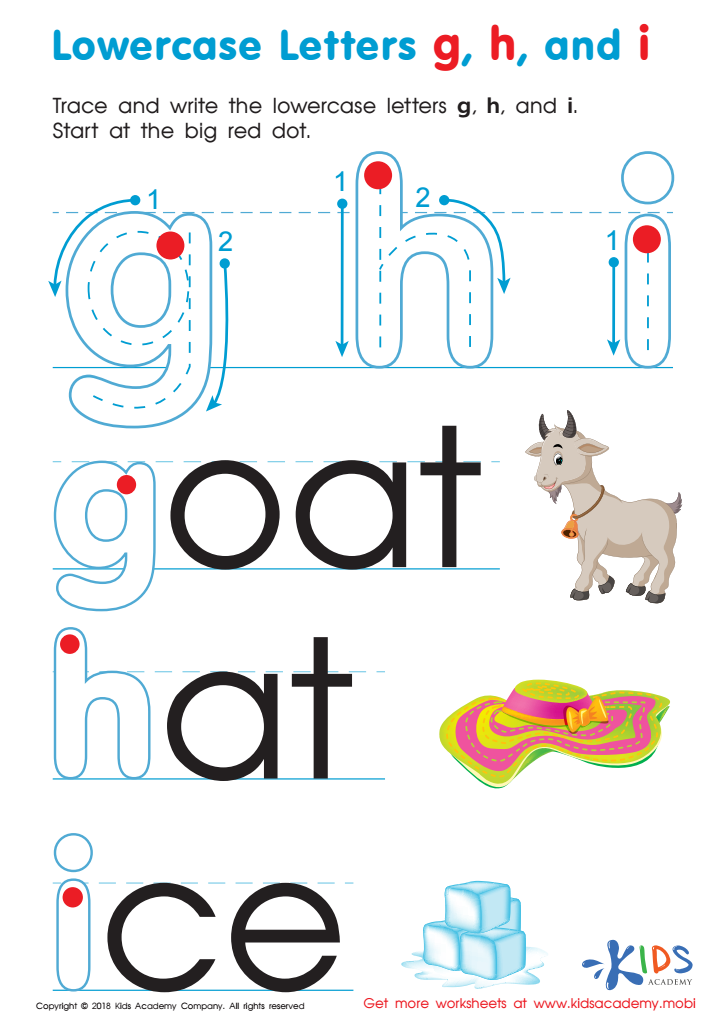
Lowercase Letters g h i Worksheet
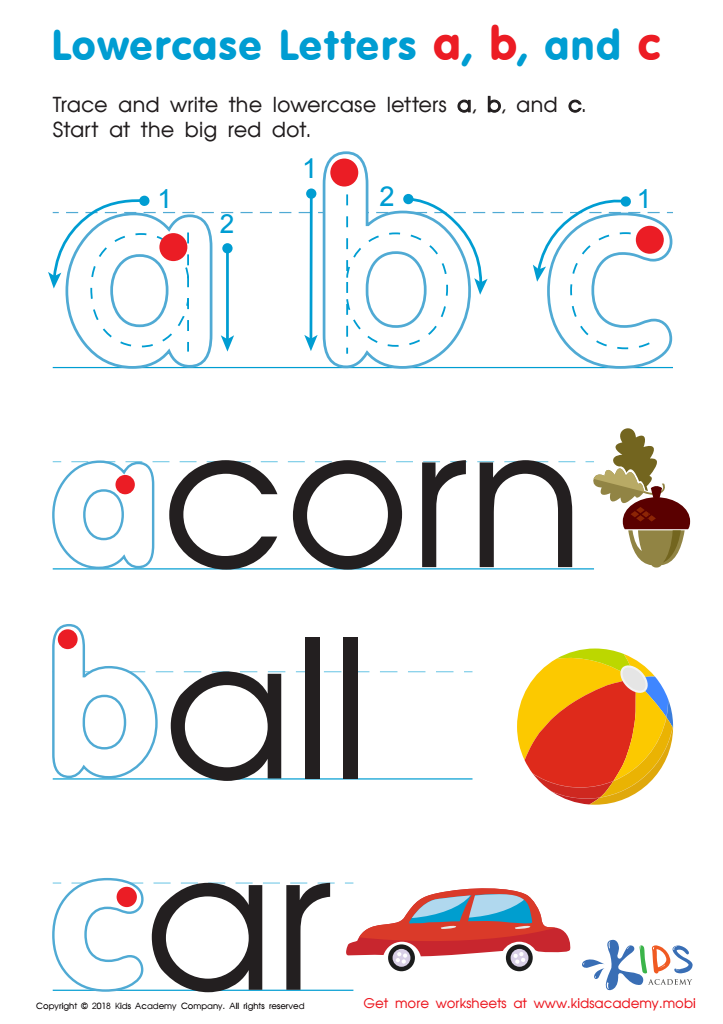
Lowercase Letters a b c Worksheet
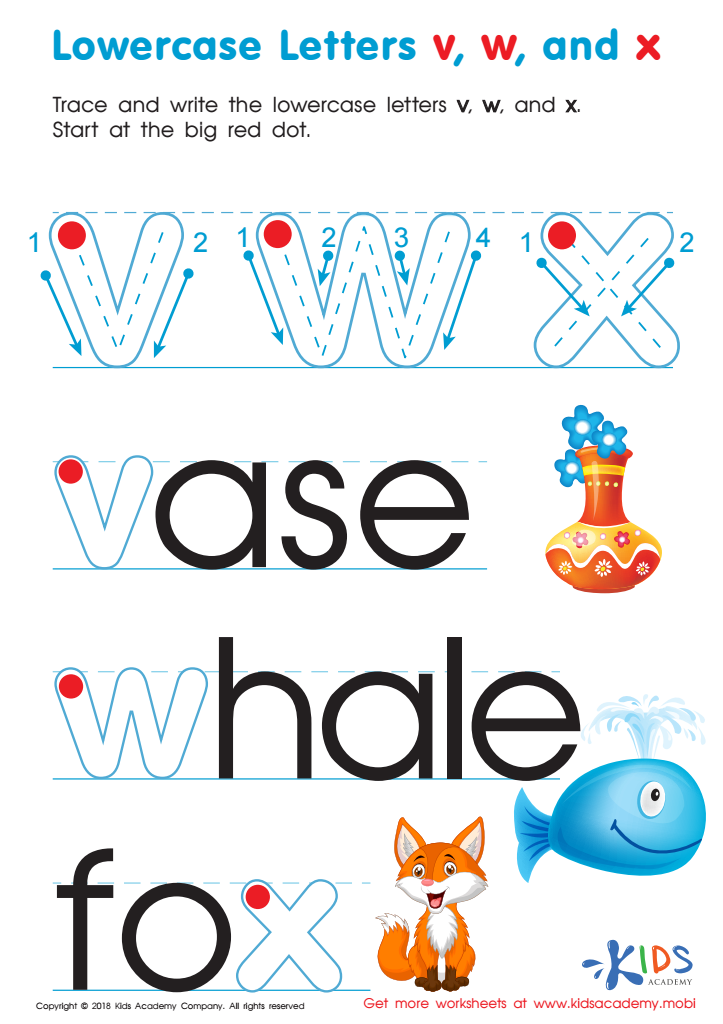
Lowercase Letters v w x Worksheet
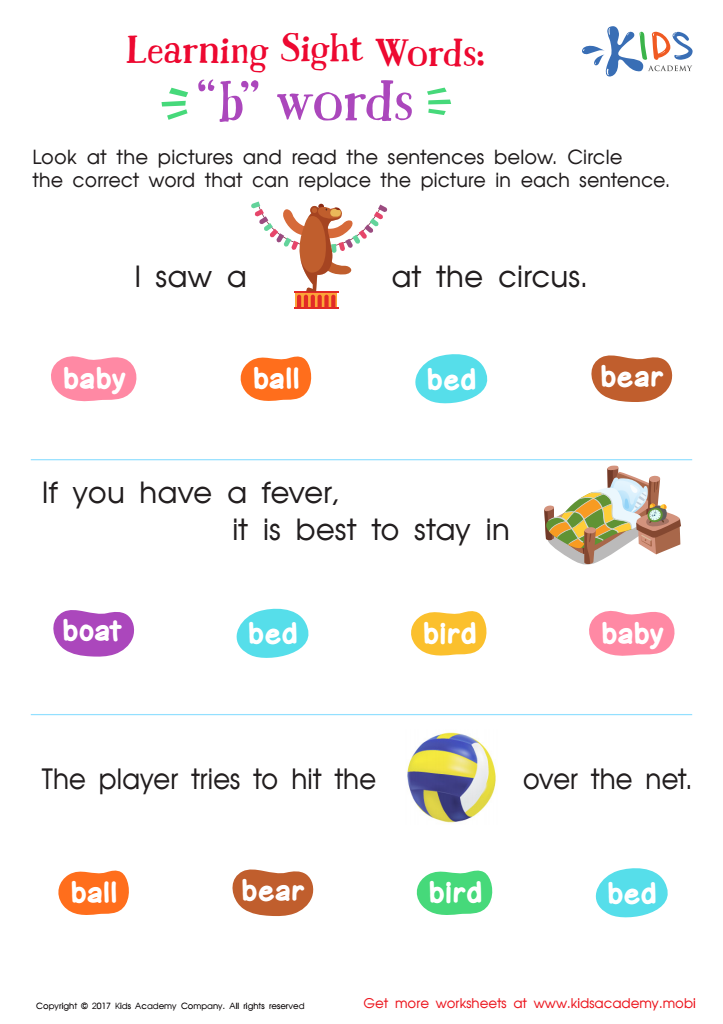
"B" Words Printable Sight Words Worksheet
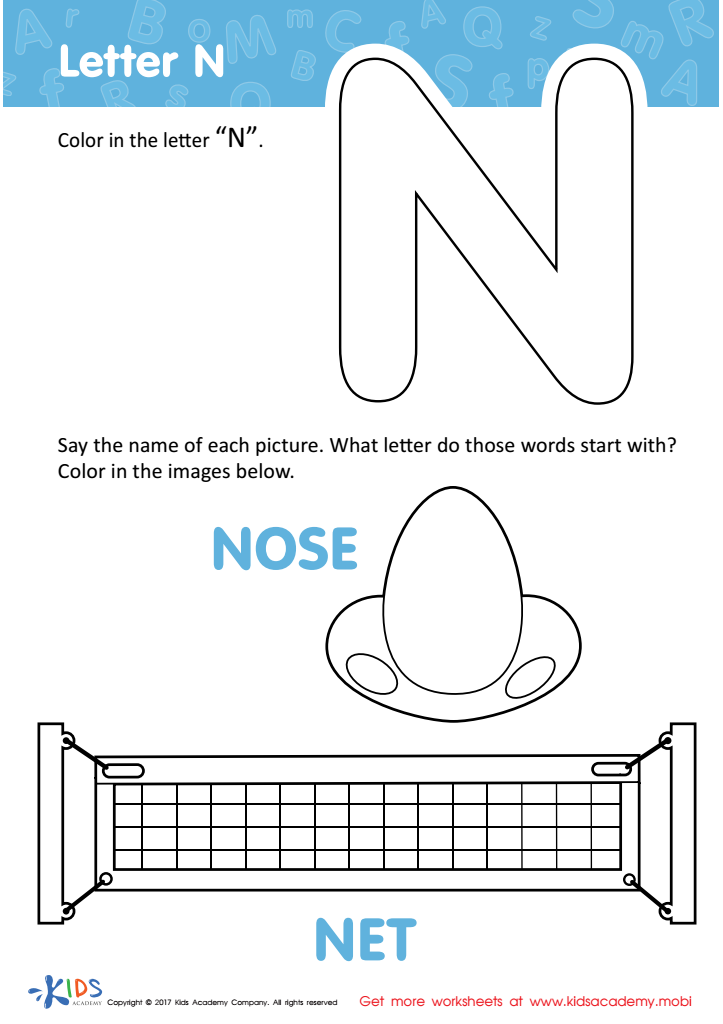
Letter N Coloring Sheet
Assign to My Students
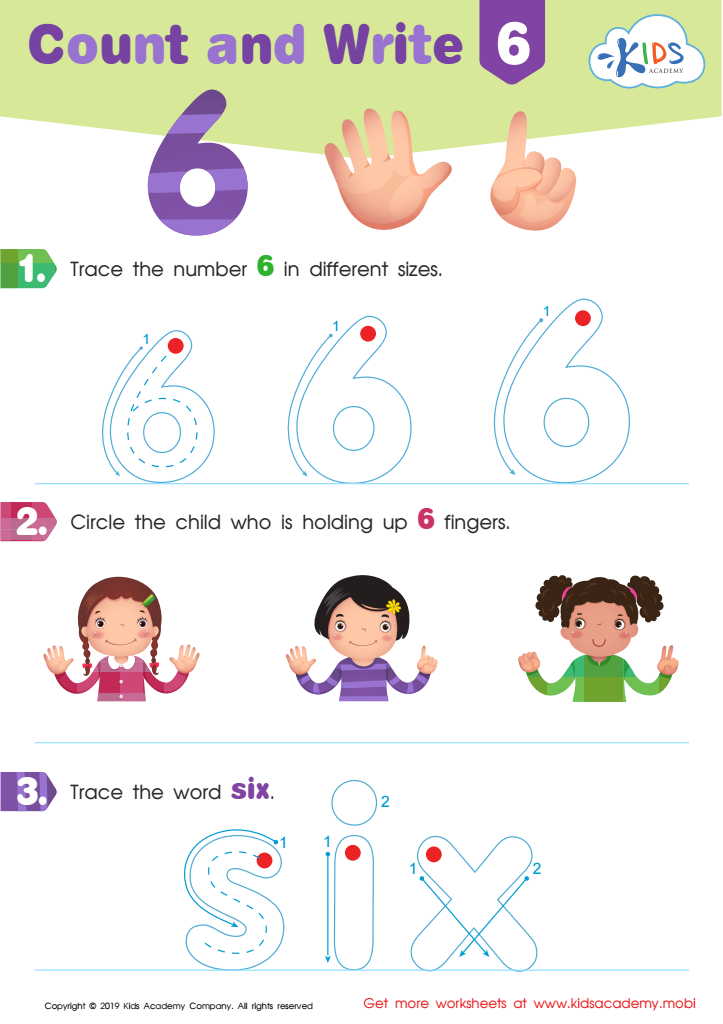
Count and Write 6 Worksheet
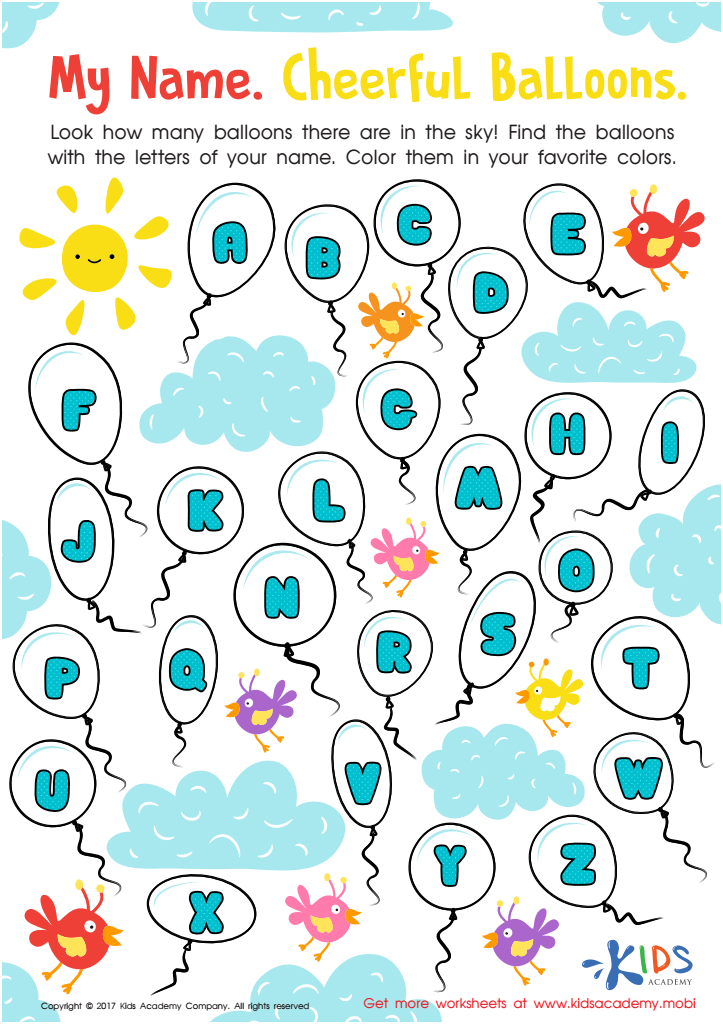
My Name: Cheerful Balloons Worksheet
Assign to My Students
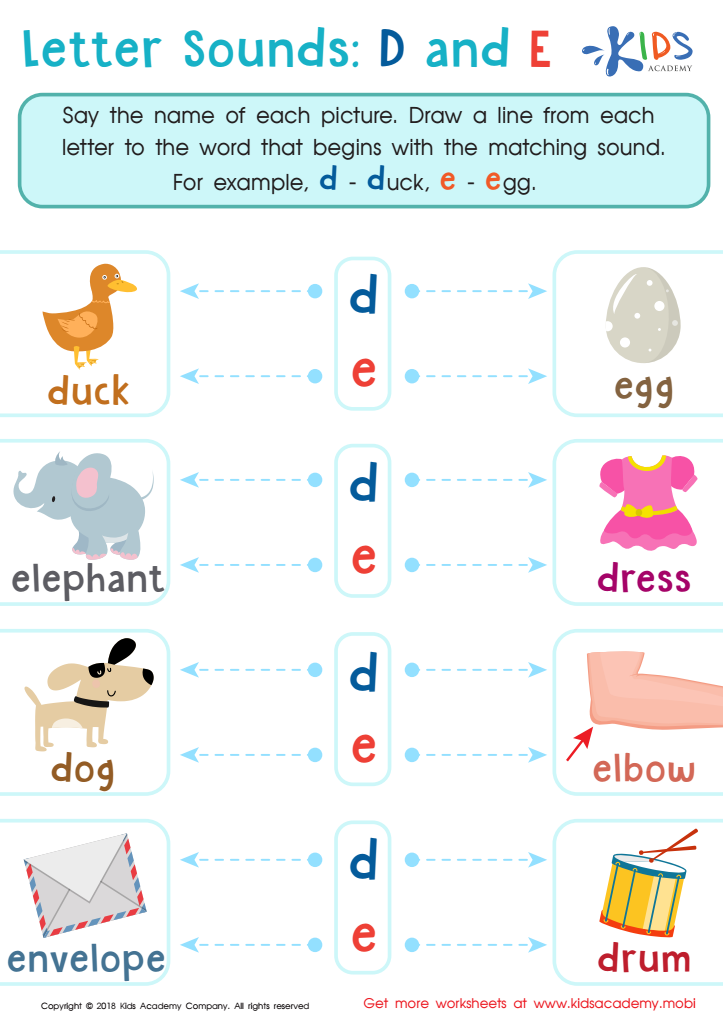
Letter D and E Sounds Worksheet
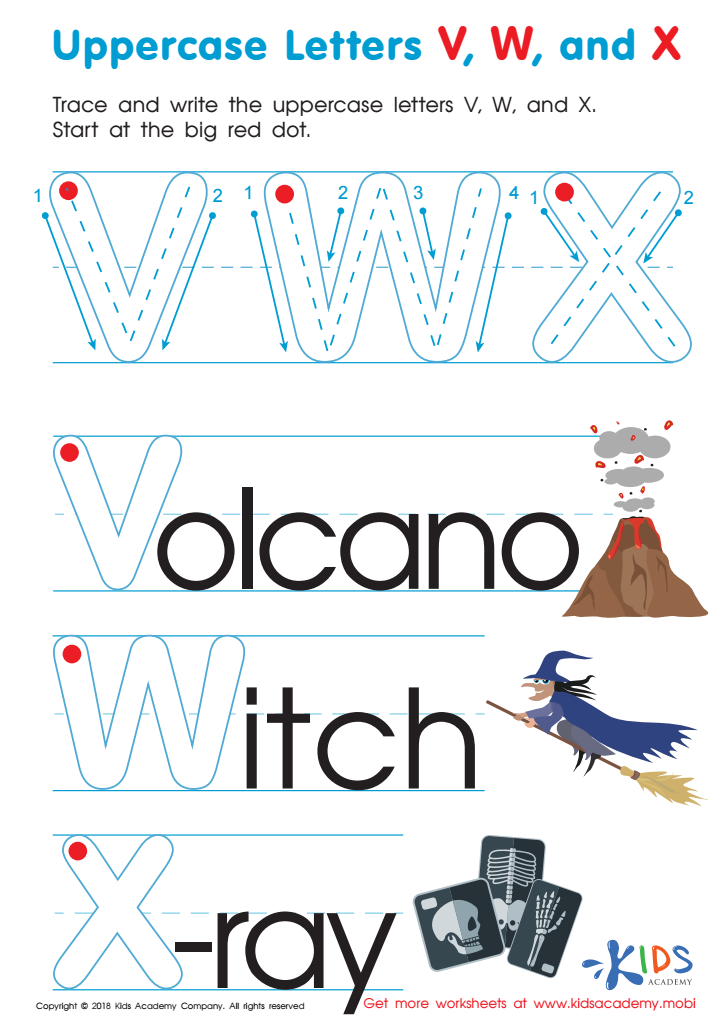
Uppercase Letters V, W, and X Worksheet
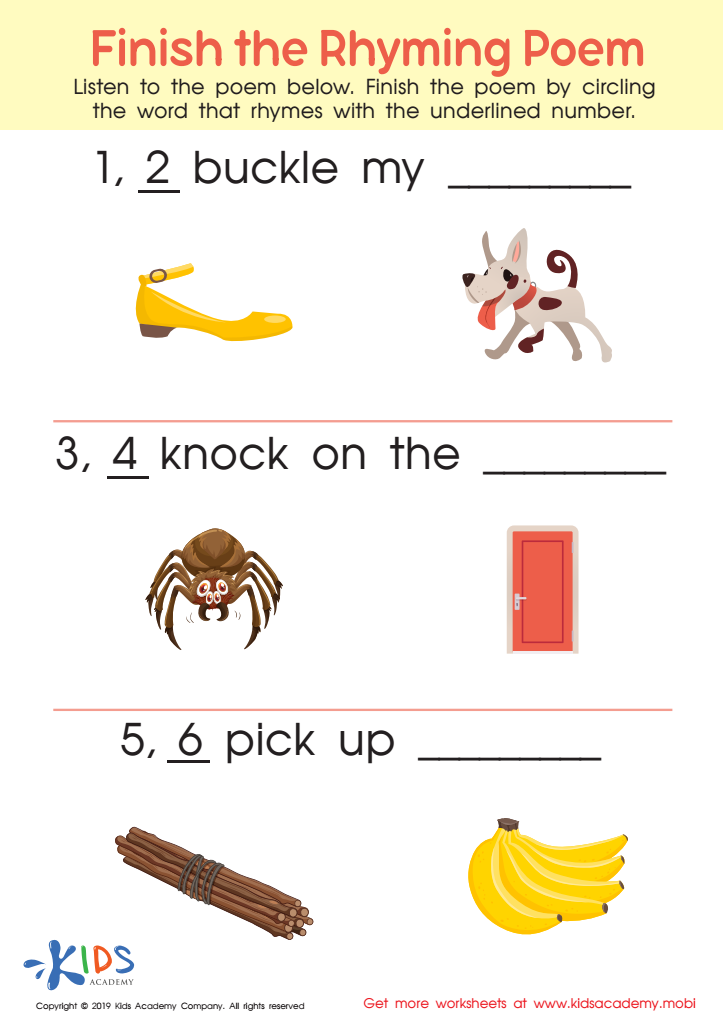
Finish Rhyming Poem Worksheet
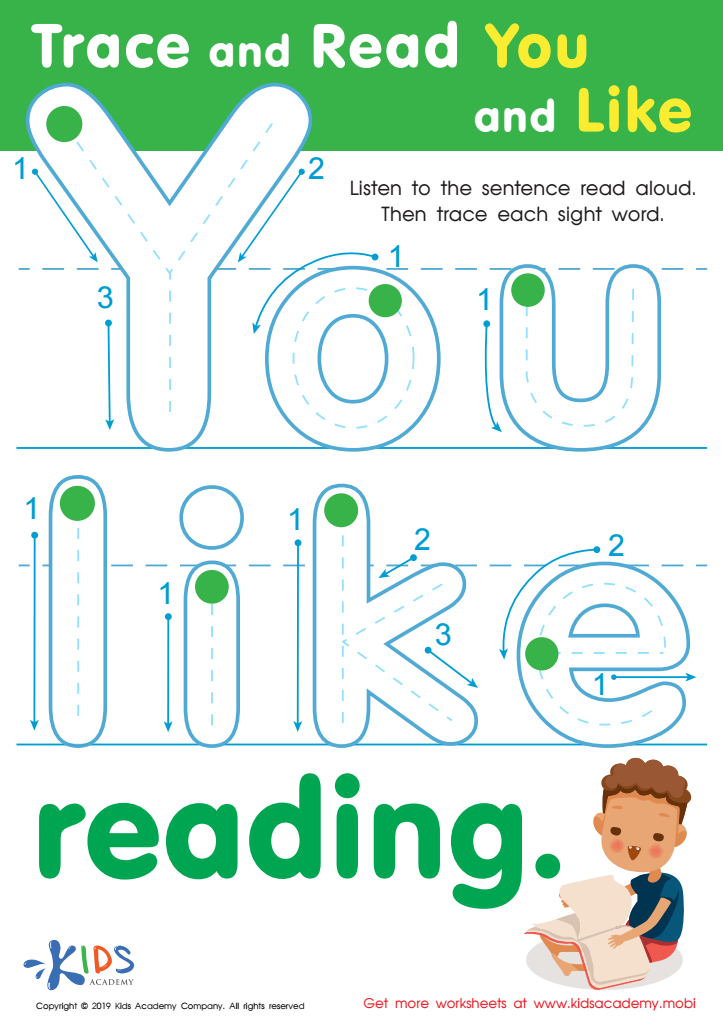
Trace Read You Like Worksheet








Handwriting practice is essential for children aged 5-9, as it plays a crucial role in their overall cognitive and motor development. At this age, children are developing fine motor skills that are foundational for later writing tasks. Regular handwriting practice helps strengthen the hand muscles, leading to better control over writing instruments, which enhances the legibility of their work.
Moreover, handwriting reinforces the learning of letters, sounds, and words, providing a tactile experience that can boost memory retention. When children physically form each letter, they engage multiple senses, making the learning experience more profound and lasting. This practice also fosters creativity and self-expression, helping children convey their thoughts and ideas more effectively.
Social and emotional benefits must not be overlooked either. Children often develop a sense of accomplishment when they see their improvement in handwriting skills. This boost in self-esteem can enhance their willingness to engage in other learning activities.
In a digital age where typing is prevalent, maintaining strong handwriting skills remains vital for classroom situations, note-taking, and standardized tests. Therefore, it’s crucial for parents and teachers to support and encourage consistent handwriting practice, setting a solid foundation for children’s academic success and personal expression.








