Improving categorization skills Normal Worksheets for Ages 5-9
3 filtered results
-
From - To
Enhance your child’s learning journey with our “Improving Categorization Skills” worksheets, designed specifically for ages 5-9. These engaging activities help young learners classify objects, animals, and more, fostering critical cognitive skills essential for academic success. By encouraging children to group similar items, these worksheets promote logical thinking and boost problem-solving abilities. Featuring vibrant illustrations and intuitive instructions, kids stay motivated while practicing categorization in a fun way. Perfect for at-home learning or classroom use, our worksheets cultivate a strong foundation in early learning. Download today to empower your child and watch them thrive through exploration and discovery!
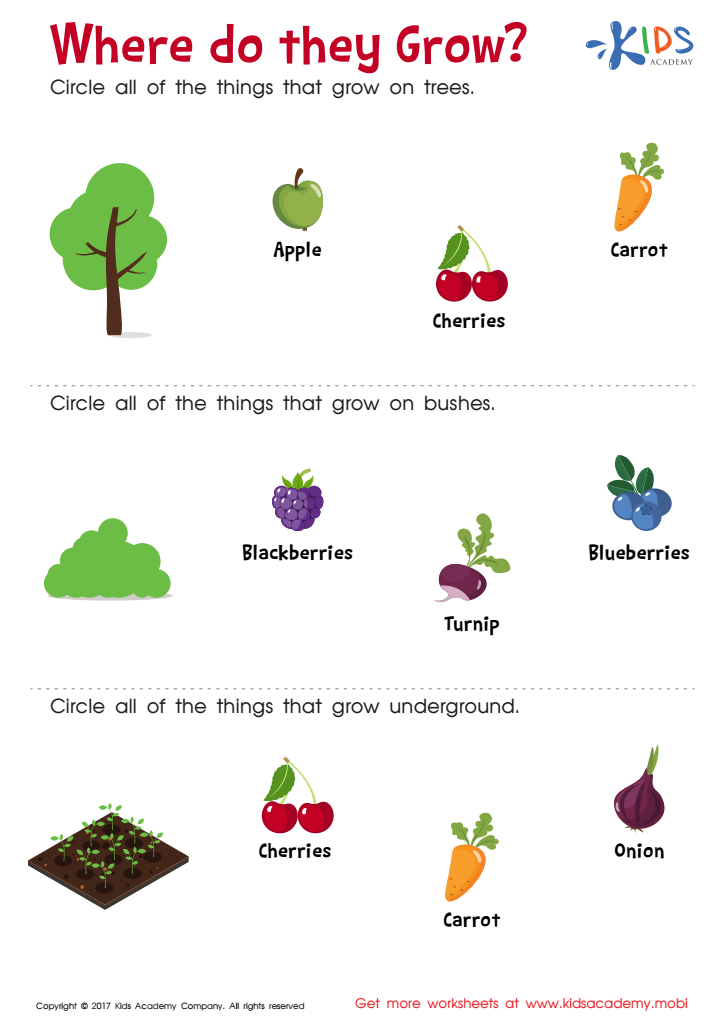
Where Do They Grow Worksheet
 Assign to My Students
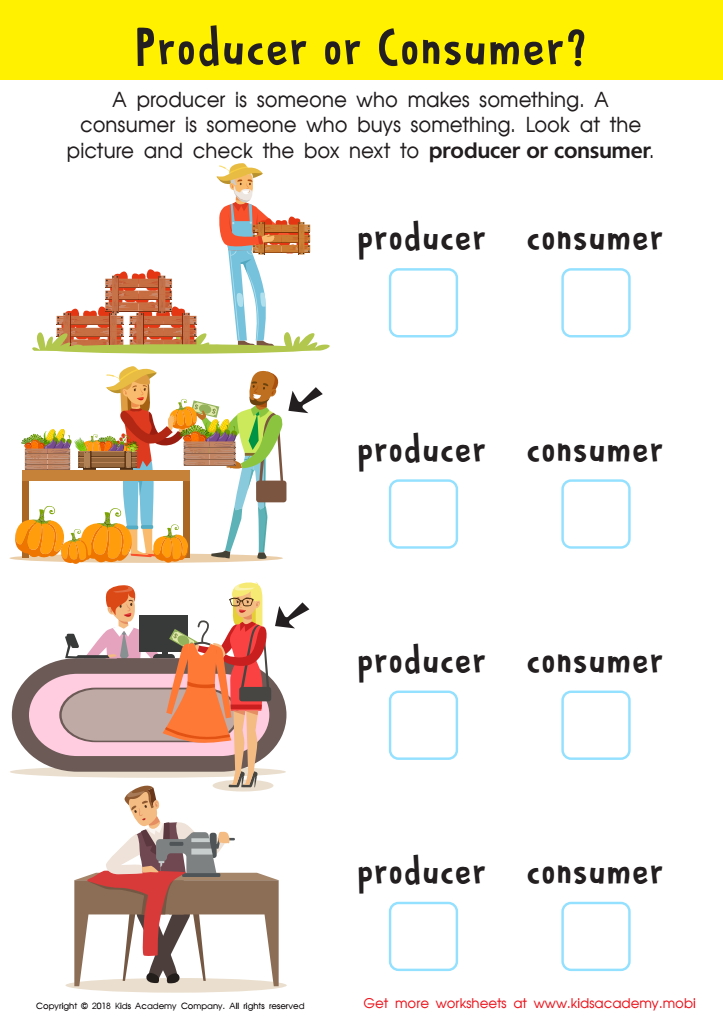
Producer or Consumer? Worksheet
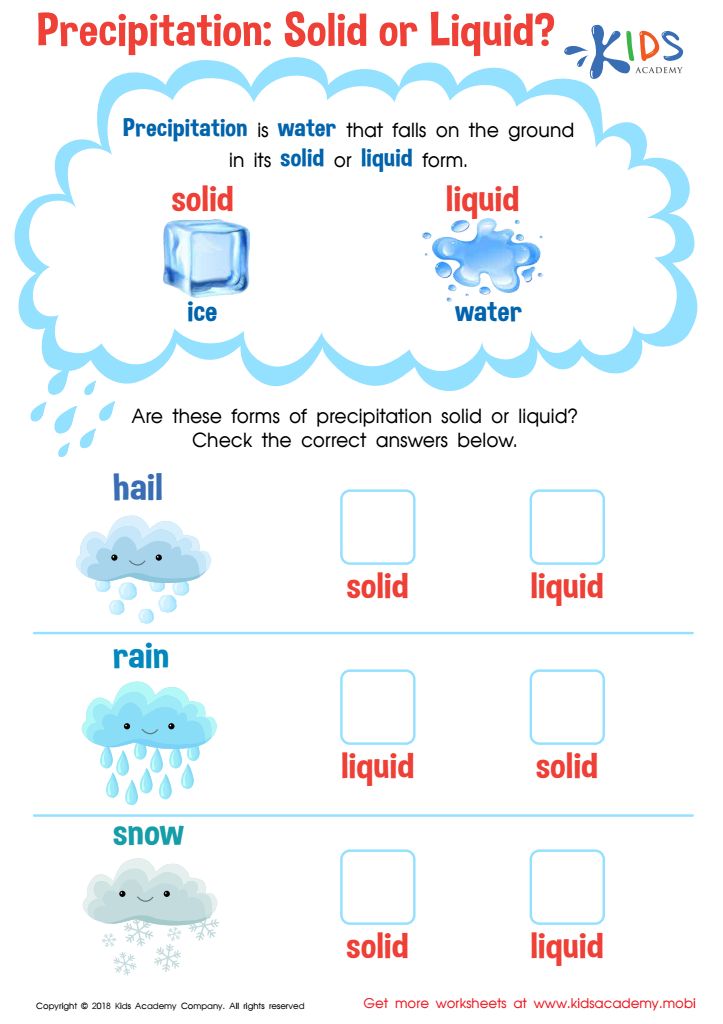
Precipitation: Solid or Liquid? Worksheet


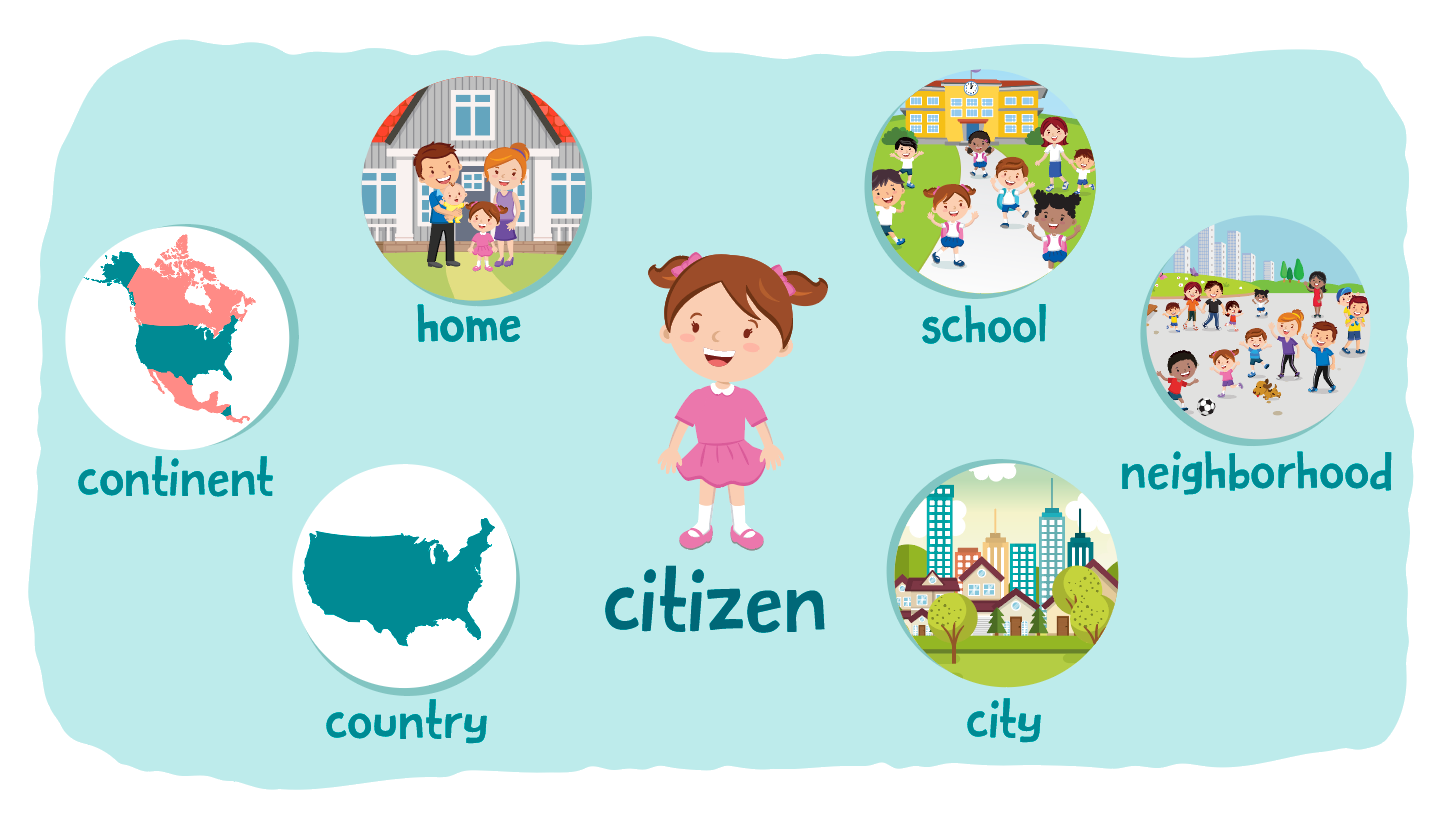
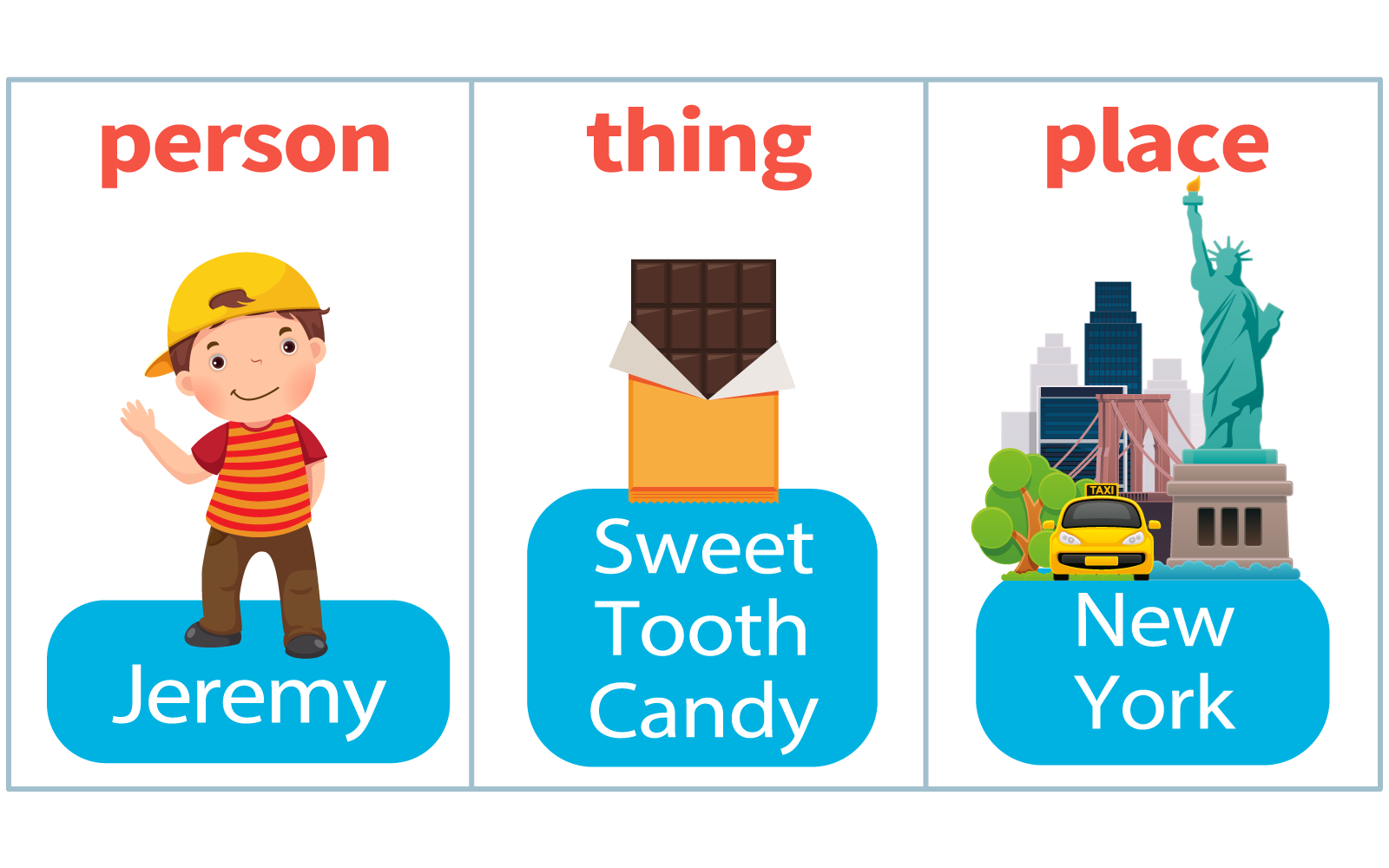
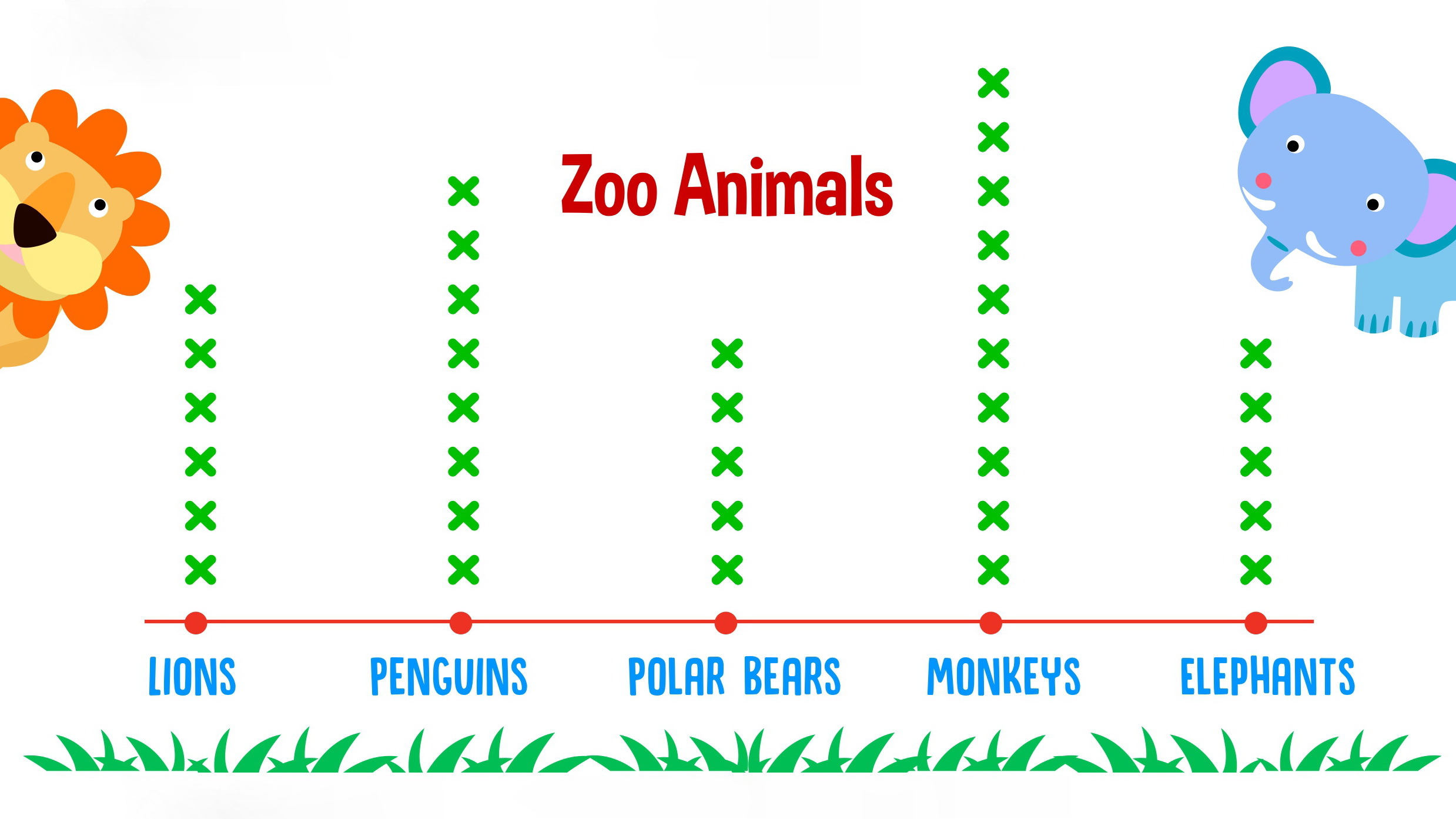

Improving categorization skills in children ages 5-9 is essential for their cognitive development and overall learning. Categorization allows children to organize their understanding of the world, helping them make sense of diverse information and experiences. By being able to group objects, concepts, or ideas based on shared characteristics, children enhance their critical thinking and problem-solving abilities.
Parents and teachers should care about nurturing these skills because they form the foundation for future learning. For example, categorizing items can aid in language development, as children learn to group words by themes or functions. It facilitates math skills through understanding numbers, shapes, and patterns. Moreover, strong categorization abilities support social skills as children learn to recognize and attribute features to different individuals or groups, promoting empathy and acceptance.
In a classroom setting, improved categorization skills lead to better organization of thoughts and ideas, fostering creativity and narrative skills. For parents, encouraging these skills at home means creating richer learning experiences during everyday activities, from playing games to organizing toys. Ultimately, attentiveness to categorization blossoms into enhanced overall academic performance, as well-rounded children develop a strong foundation for lifelong learning and adaptability in various contexts.








