Letter Tracing Practice Normal Worksheets for Ages 5-9
6 filtered results
-
From - To
Discover our engaging Letter Tracing Practice Normal Worksheets designed specifically for children ages 5-9! These interactive worksheets help young learners develop essential handwriting skills while enhancing their letter recognition and fine motor abilities. Each worksheet features clear, easy-to-follow instructions and a variety of fun activities tailored to keep kids motivated. Perfect for classroom use or at-home practice, our resources foster creativity and a love for learning. Whether your child is just starting to write or looking to improve their skills, our letter tracing worksheets offer the ideal foundation for their writing journey. Start building confidence in handwriting today!
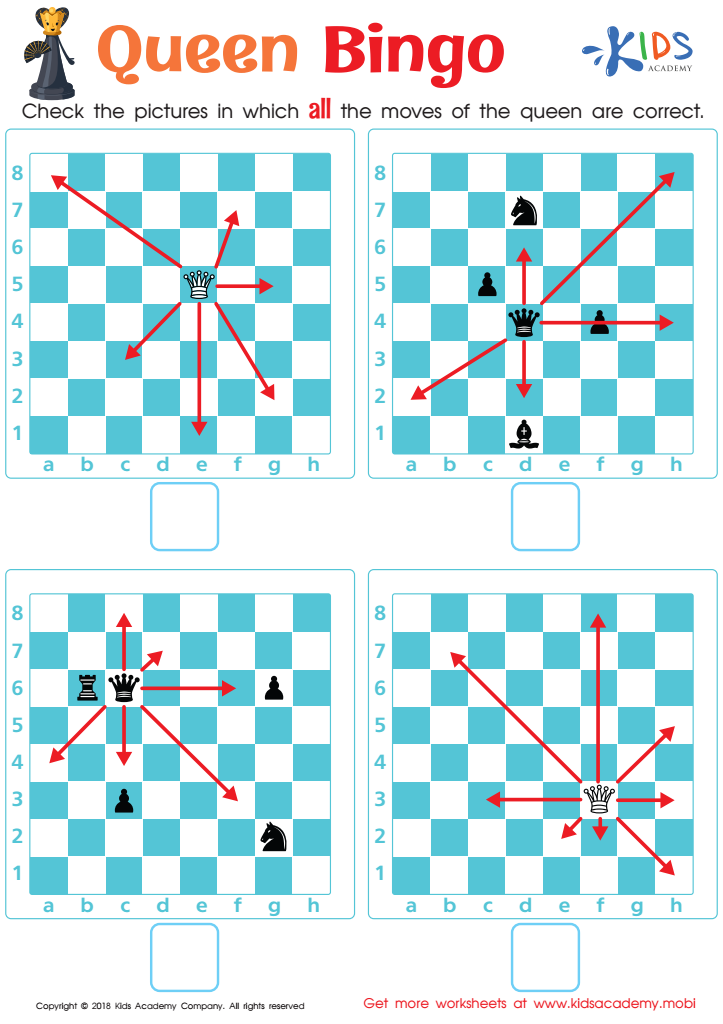
Queen Bingo Worksheet

Lowercase Letters j k l Worksheet
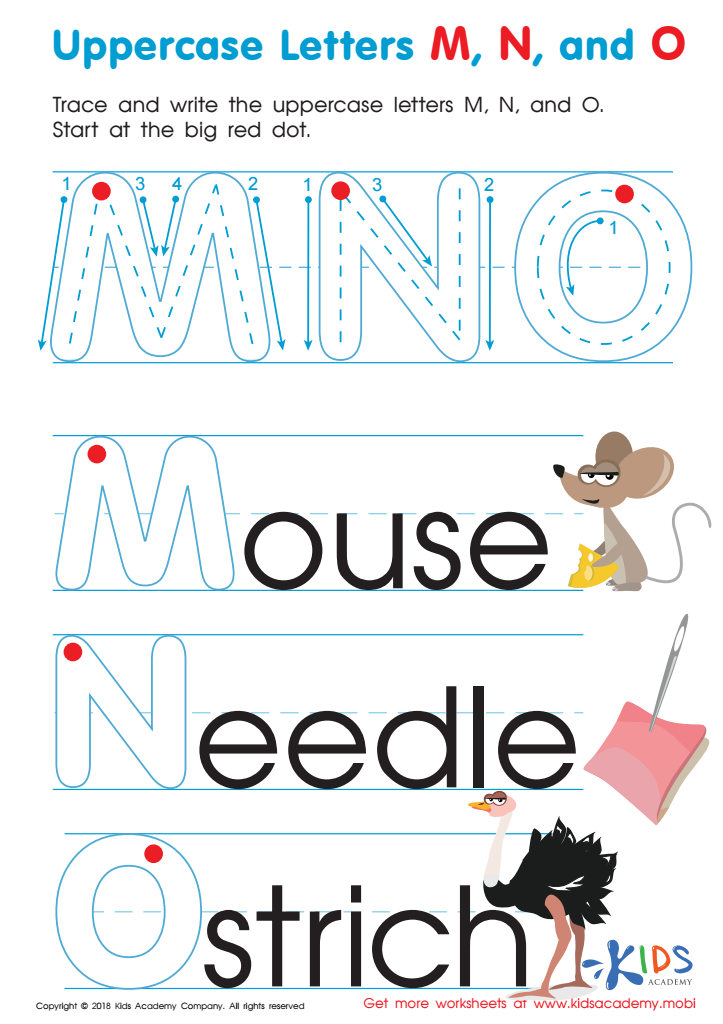
Uppercase Letters M, N, and O Worksheet
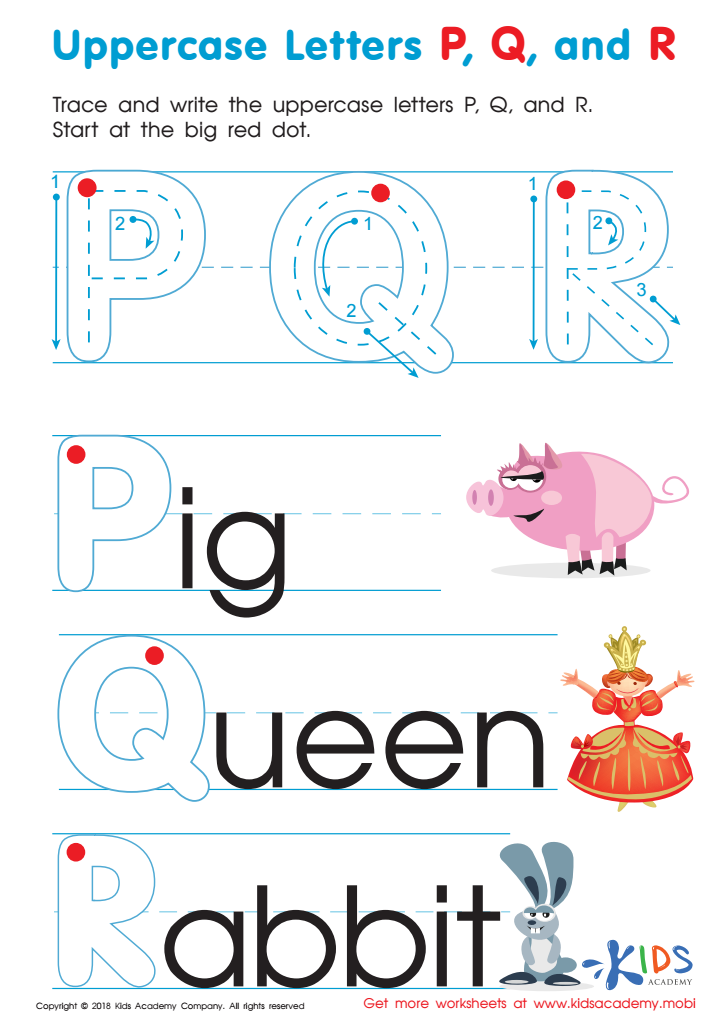
Uppercase Letters P, Q, and R Worksheet
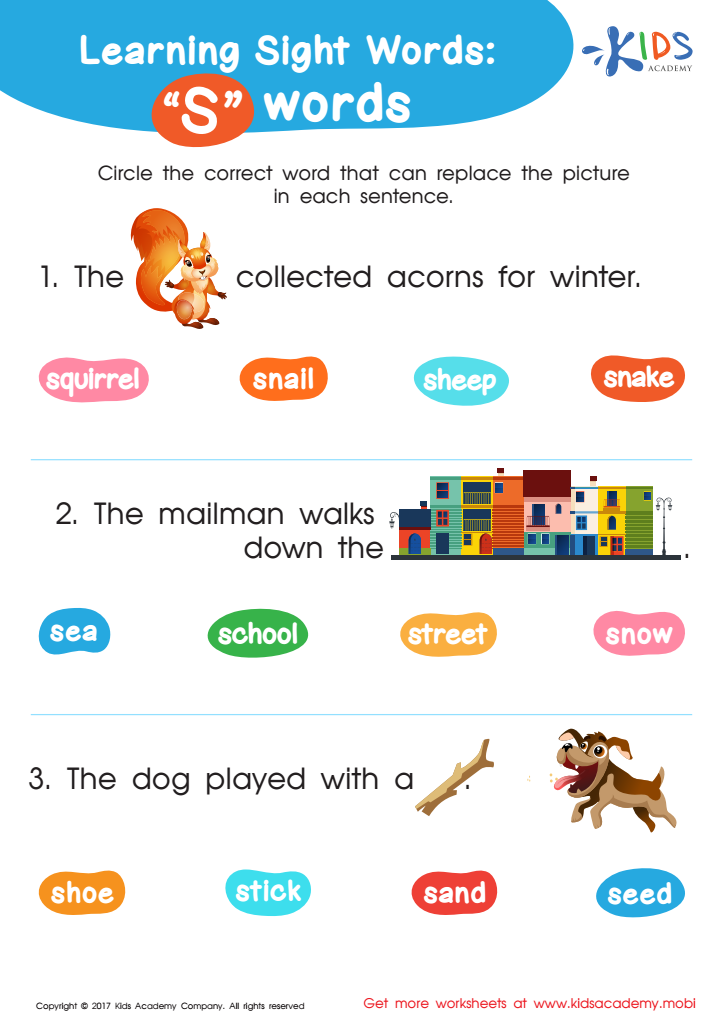
S Words Sight Words Worksheet
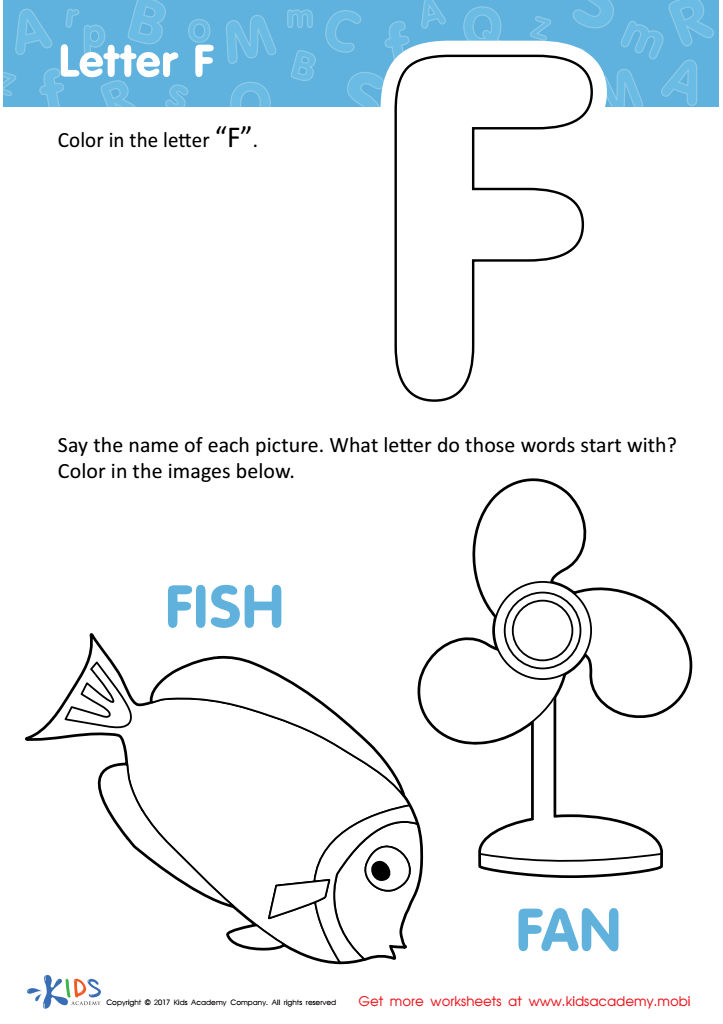
Letter F Coloring Sheet
 Assign to My Students






.jpg)

Letter tracing practice is vital for children aged 5-9 as it lays the foundation for strong handwriting skills and reinforces letter recognition. This activity enhances fine motor skills, essential for daily tasks and academic success. As young learners trace letters, they engage in muscle memory, improving their ability to form letters accurately and consistently, which is crucial for effective communication.
Furthermore, letter tracing supports literacy development. As children become familiar with the shapes and sounds of letters, they build connections that enhance their reading and writing abilities. This practice also encourages an early appreciation for written language, boosting their confidence and creativity.
Parents and teachers should also consider the fun factor; letter tracing can be integrated into playful activities that foster a love for learning. Using colorful worksheets, interactive games, or digital tools can make this practice enjoyable, encouraging children to participate actively.
Additionally, consistent tracing practice can help identify any potential writing difficulties early on, allowing for targeted interventions. Ultimately, investing time and effort in letter tracing during these formative years enriches a child’s educational journey and sets the stage for future academic achievement.








