Phonics improvement Normal Worksheets for Ages 5-9
3 filtered results
-
From - To
Boost your child's reading skills with our engaging Phonics Improvement Worksheets, designed specifically for ages 5-9. These thoughtfully crafted resources aim to enhance phonemic awareness, letter-sound relationships, and vocabulary through fun and interactive activities. Each worksheet provides a variety of exercises—from letter recognition to blending sounds—catering to different learning styles. Our Phonics Improvement Worksheets are perfect for home practice or classroom use, helping young learners build confidence and success in reading. Explore our comprehensive collection today and watch your child's literacy skills grow, fostering a love for reading that will last a lifetime. Start their phonics journey now!
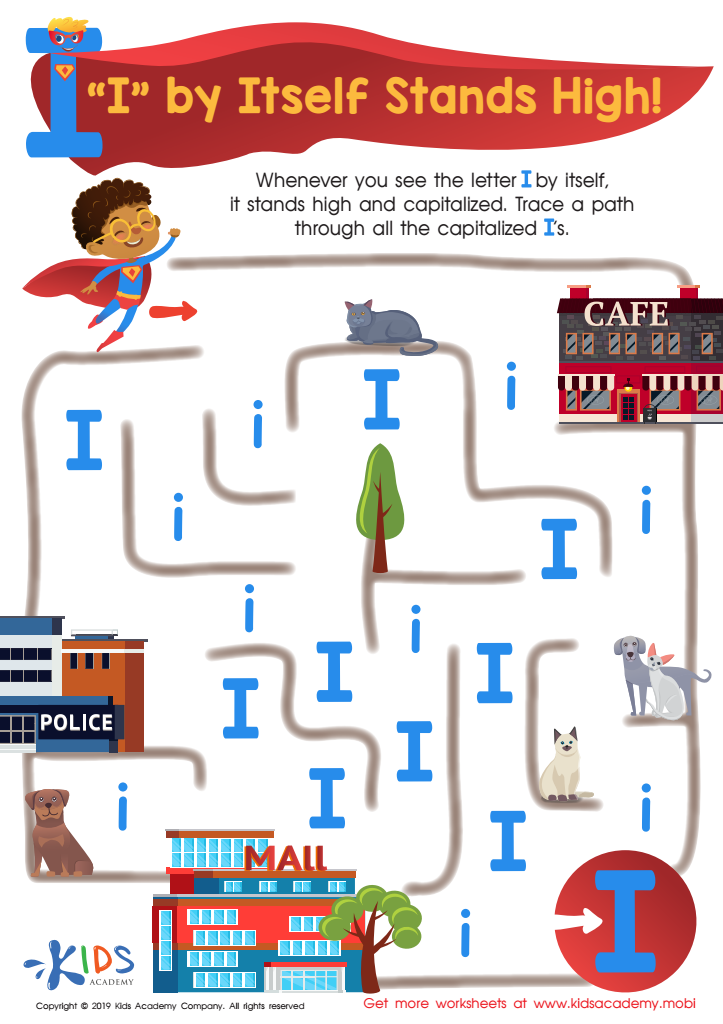
I Stands High Worksheet
 Assign to My Students
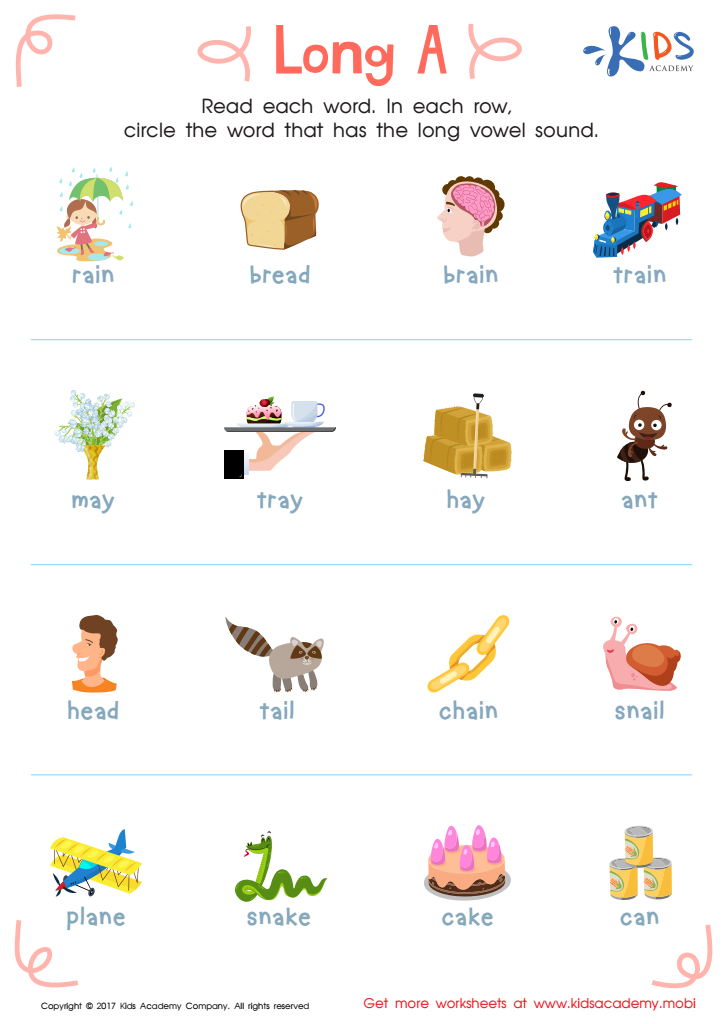
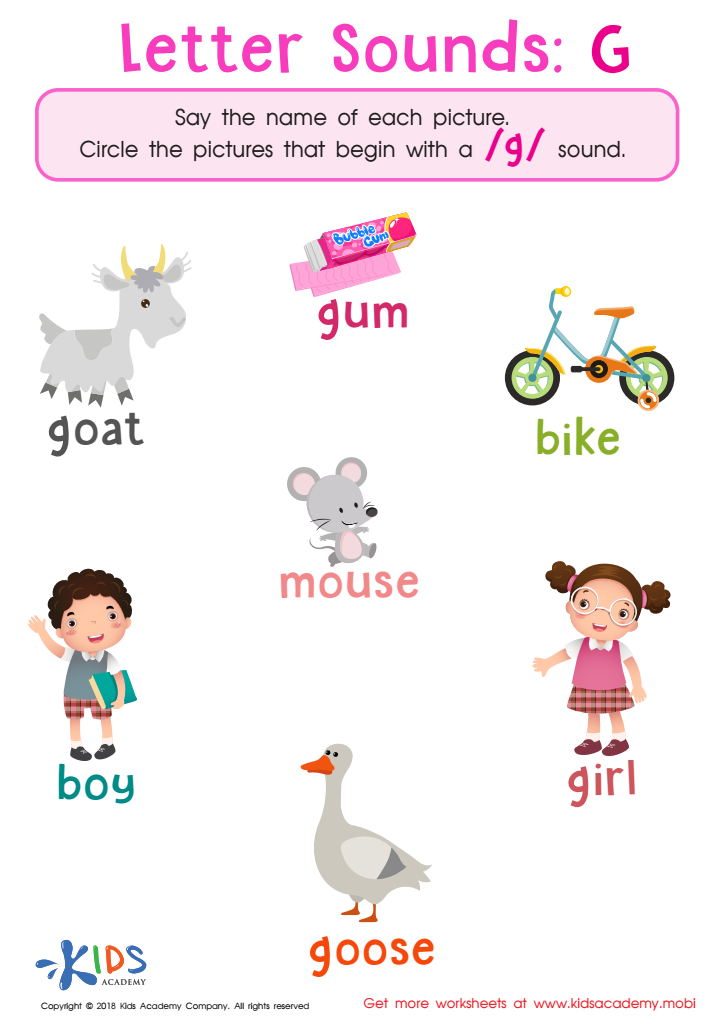
Letter G Sounds Worksheet





.jpg)


Phonics is a crucial component of early literacy development for children aged 5 to 9. It forms the foundation for reading and writing by teaching kids the relationship between sounds and letters. When children develop strong phonics skills, they are better equipped to decode words, which increases their fluency and comprehension. Parents and teachers should care about phonics improvement because it directly influences a child’s confidence and motivation to read.
Early mastery of phonics can prevent future literacy struggles, ensuring that children are not left behind as the curriculum advances. By fostering phonics skills, they support children in becoming independent readers who can enjoy literature, gather knowledge, and express themselves effectively. Furthermore, phonics instruction aligns with early language development, helping kids improve their vocabulary and spelling, both critical for effective communication.
Additionally, engaging with phonics at home or in school creates a beneficial consistency in a child’s education. Collaborating between parents and teachers can enhance a child’s learning experience, ensuring that they receive reinforcement in a variety of contexts. In summary, prioritizing phonics improvement is essential for setting a solid educational foundation, enabling lifelong learning, and nurturing a love for reading in children.








