Sequencing events Normal Worksheets for Ages 5-9
6 filtered results
-
From - To
Discover engaging Sequencing Events Worksheets designed for children aged 5-9 on our website! These interactive worksheets help young learners develop vital skills in understanding the order of events, enhancing their reading comprehension and critical thinking abilities. Each worksheet features colorful illustrations and age-appropriate scenarios, providing an enjoyable experience as kids practice arranging stories and activities in the right sequence. Ideal for classroom use or at-home learning, our resources foster essential cognitive skills while keeping children entertained. Explore our diverse collection of sequencing events worksheets and watch your child's understanding of narrative structure blossom! Perfect for early grade teachers and homeschooling parents!
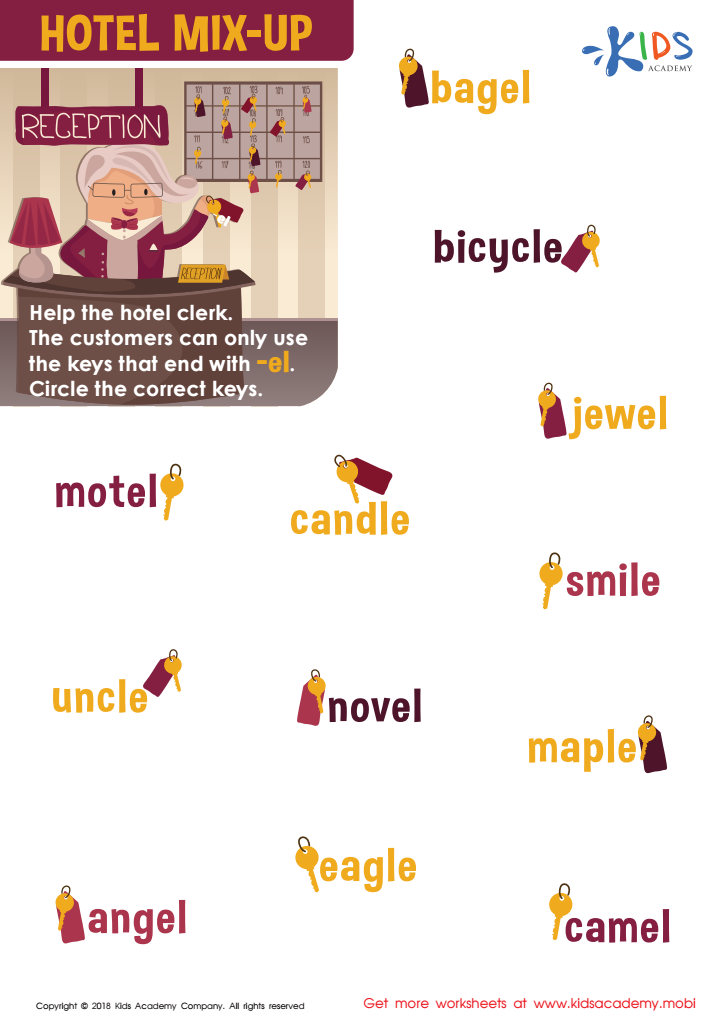
Hotel Mix-up Worksheet
 Assign to My Students
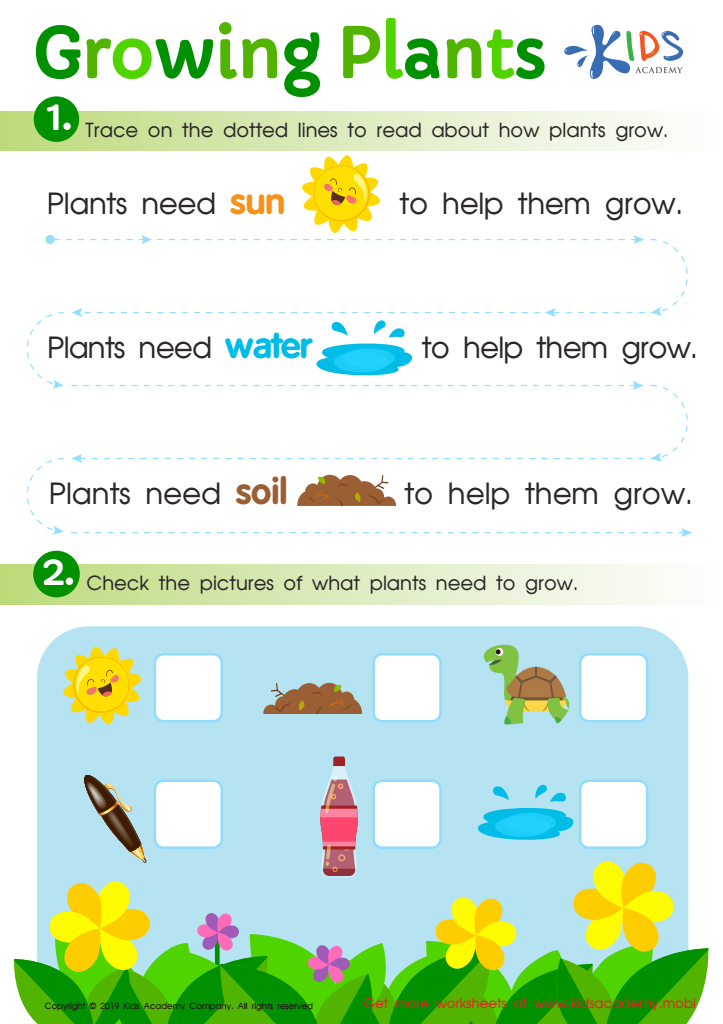
Growing Plants Worksheet
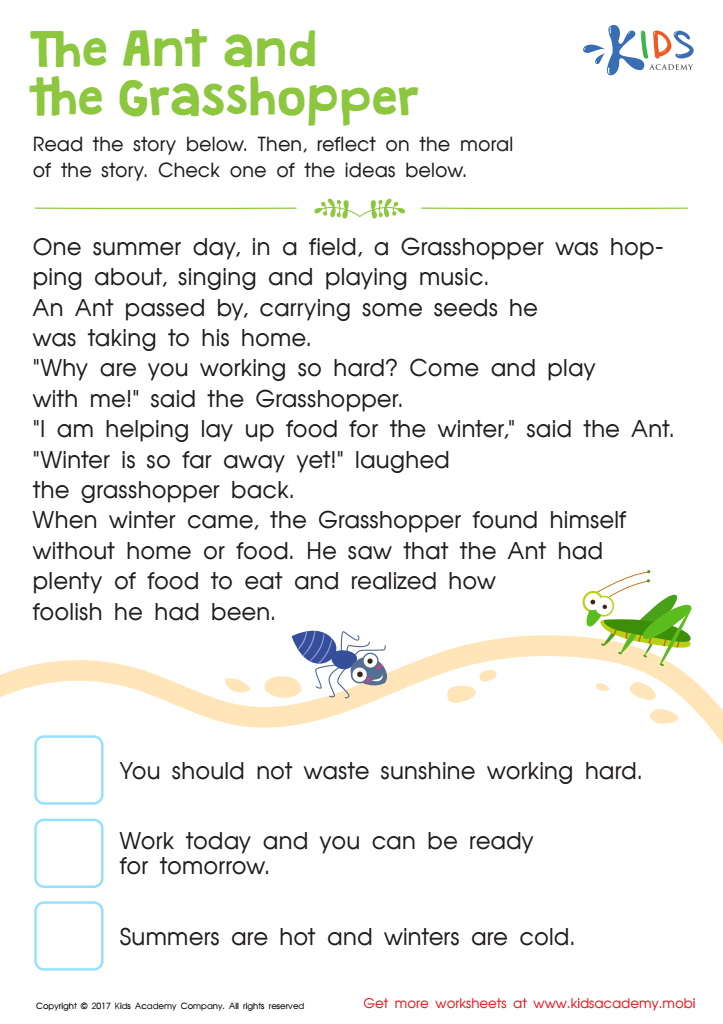
The Ant and The Grasshopper Printable
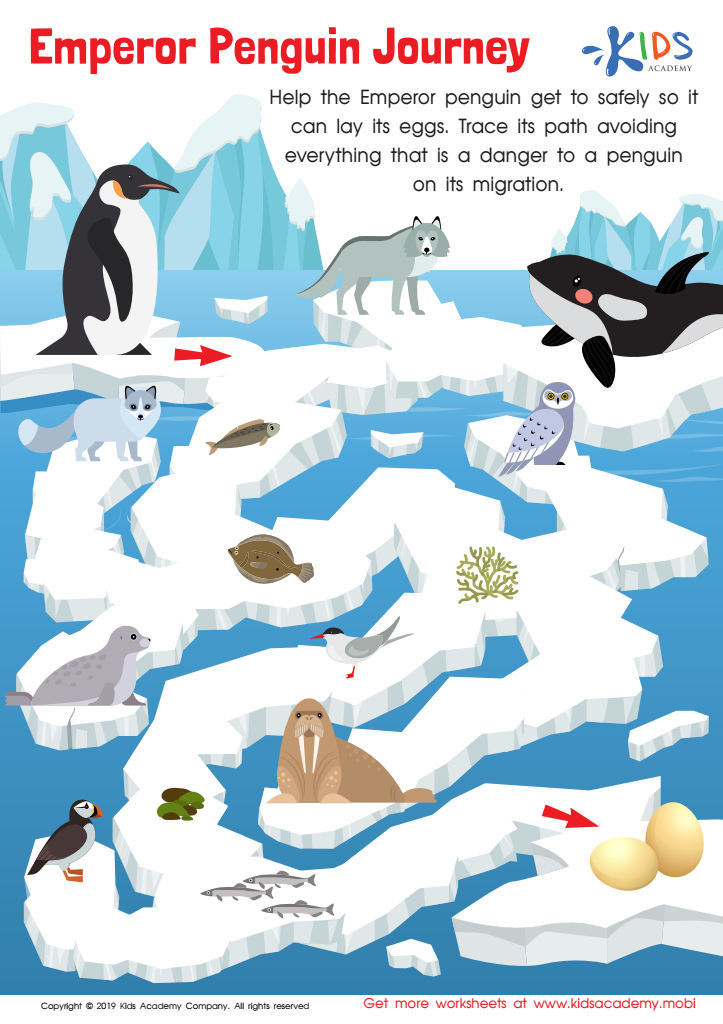
Emperor Penguin Journey Worksheet
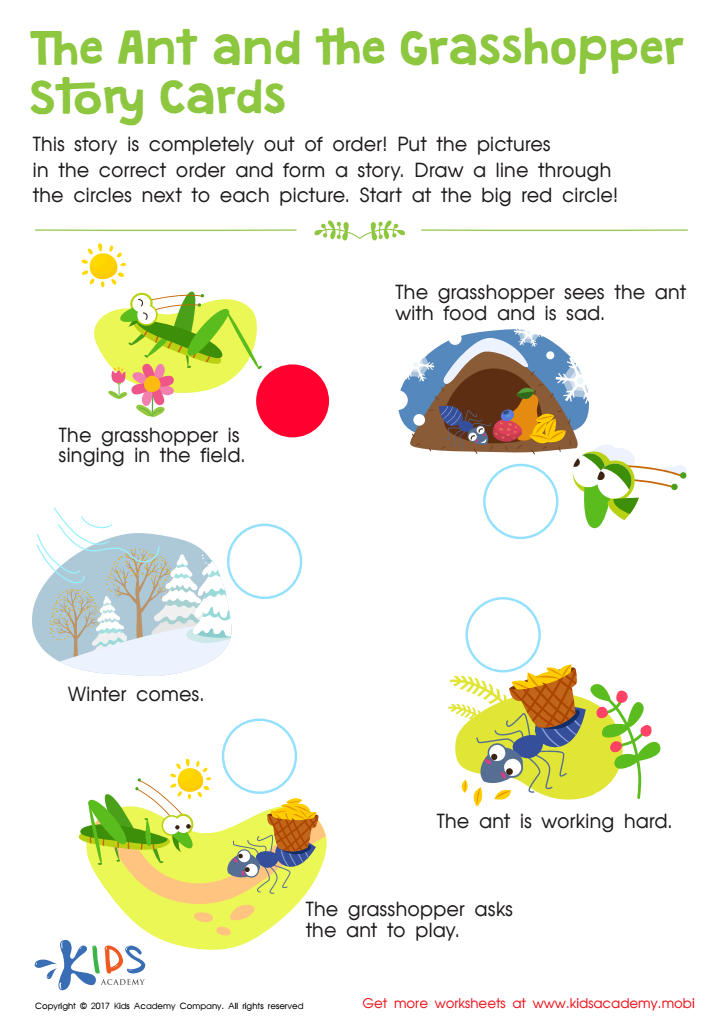
The Ant and The Grasshopper Worksheet
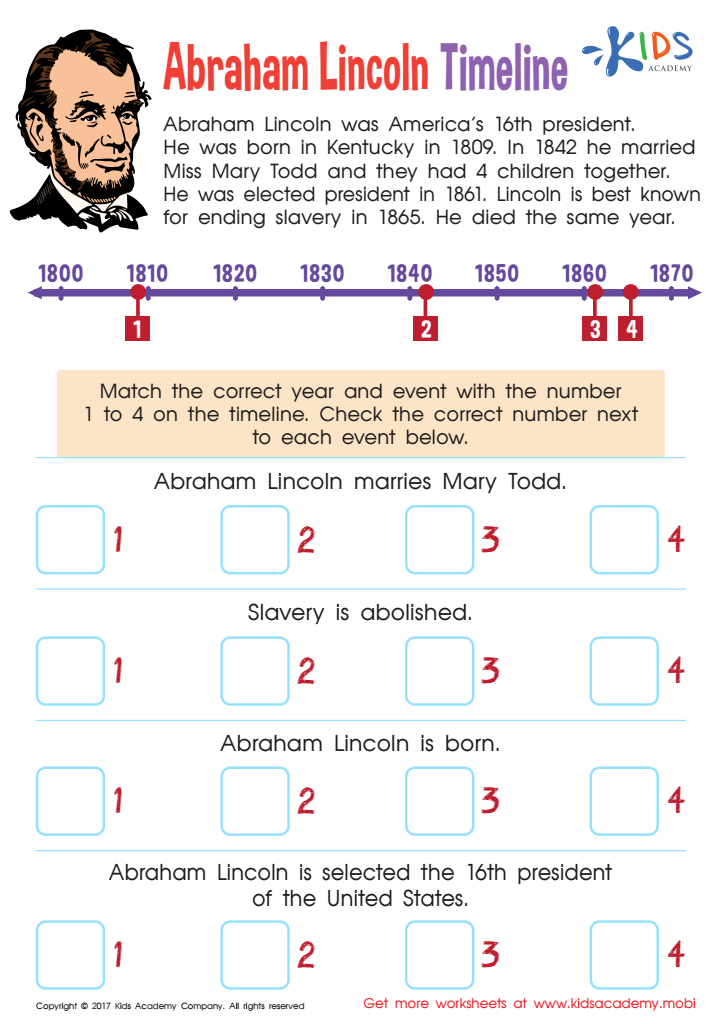
Abraham Lincoln Timeline Worksheet





Sequencing events is a fundamental skill that significantly impacts a child's cognitive development and academic success, particularly for children ages 5-9. When parents and teachers emphasize this skill, they help children understand the order in which events occur, paving the way for better comprehension of stories, instructions, and everyday activities.
Not only does sequencing enhance literacy by aiding children in summarizing stories and identifying main ideas, but it also fosters critical thinking and problem-solving abilities. When children can break down events into a logical sequence, they learn to make connections, draw conclusions, and predict outcomes—skills that are essential in both academic disciplines and real-life scenarios.
Moreover, understanding sequences helps children develop organizational skills. As they learn to structure their thoughts and tasks in chronological order, they become more adept at managing time and multitasking, which are crucial skills for future learning experiences.
In essence, sequencing events connects learning across various domains, including language arts, math, and even science. By prioritizing this skill in educational settings and at home, parents and teachers set the groundwork for children to thrive both academically and in everyday life.








