Shape identification Normal Worksheets for Ages 5-9
9 filtered results
-
From - To
Welcome to our Shape Identification Worksheets designed for children ages 5-9! These engaging and interactive worksheets help young learners recognize and name basic shapes, fostering essential mathematical skills. With a variety of fun activities, including drawing, matching, and coloring, children will enjoy discovering circles, squares, triangles, and more. Our resources are aligned with educational standards, promoting cognitive development while keeping kids entertained. Ideal for classroom settings or home practice, these worksheets make learning shapes a delightful experience. Enhance your child’s spatial awareness and confidence in geometry with our thoughtfully crafted shape identification worksheets today! Explore, learn, and play!
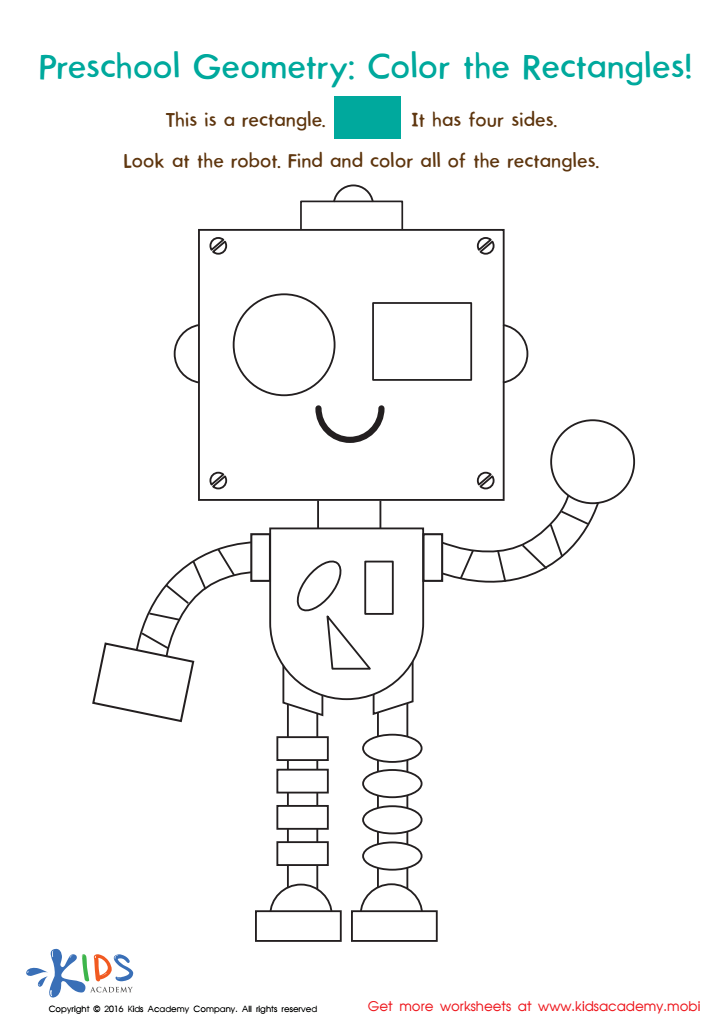
Geometry Worksheet
 Assign to My Students
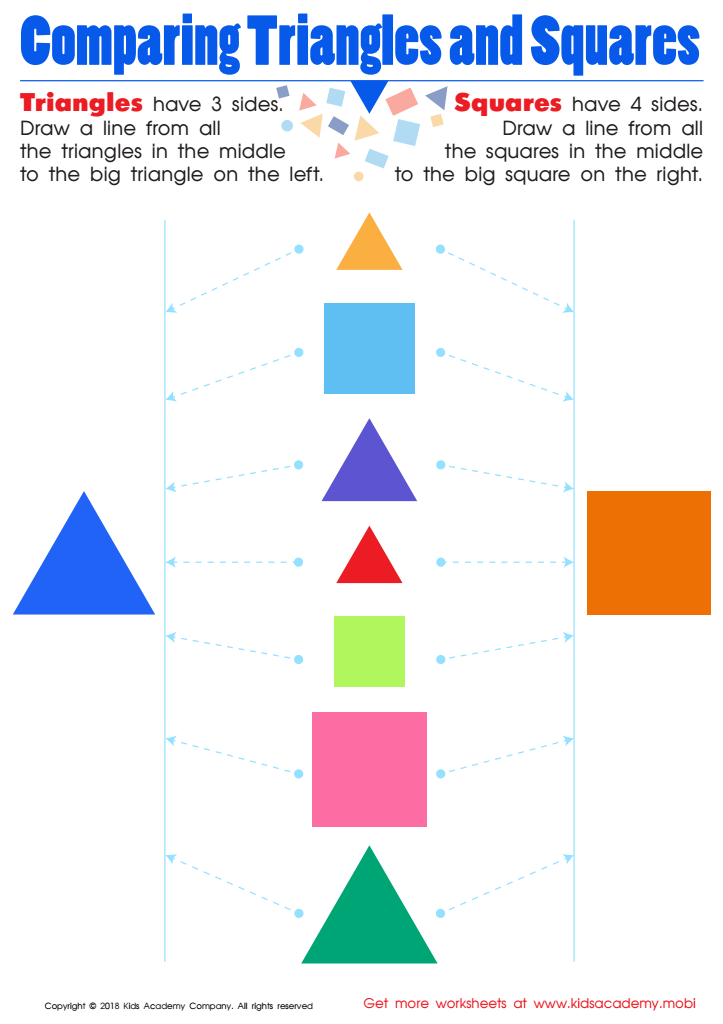
Comparing Triangles Squares Worksheet
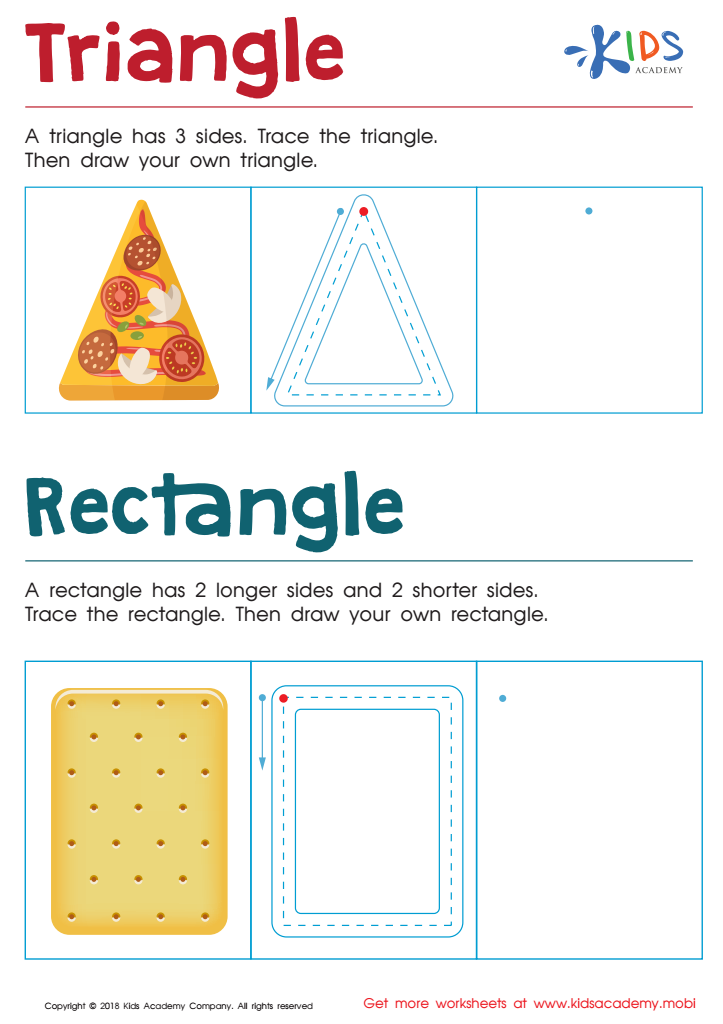
Triangle Rectangle Worksheet
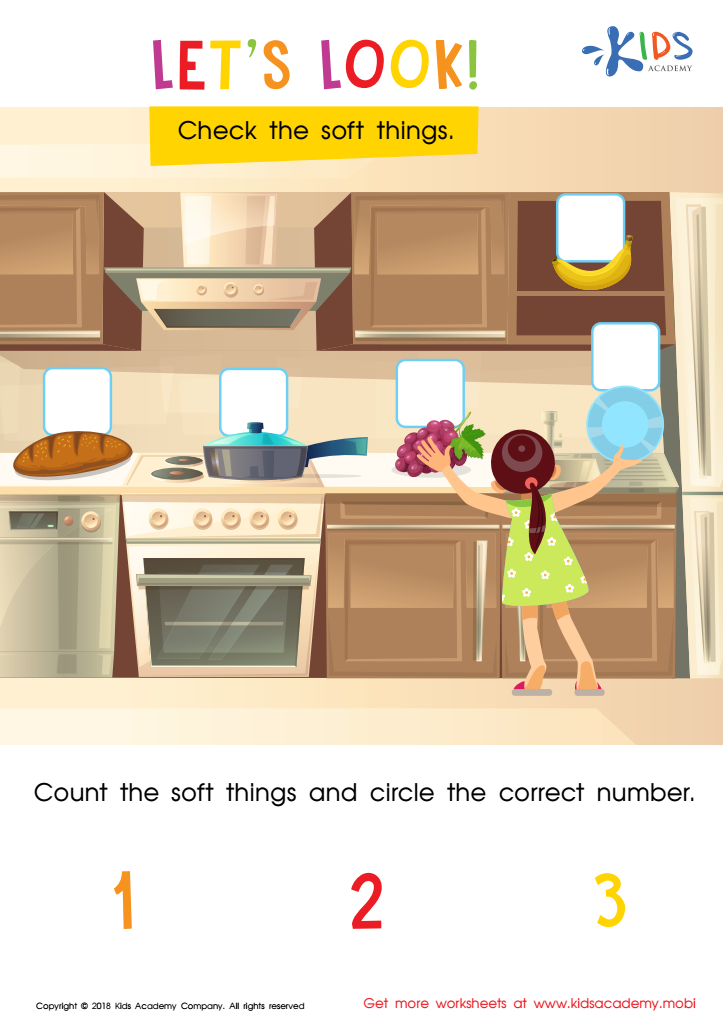
Let's Look! Assessment Worksheet
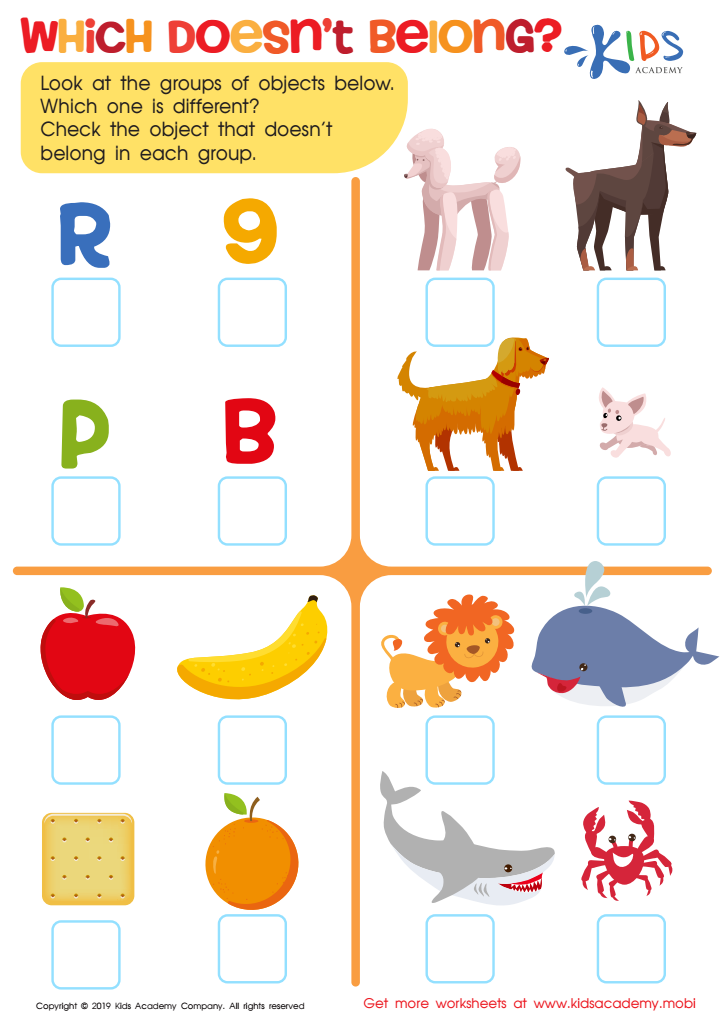
Which Doesn't Belong? Worksheet
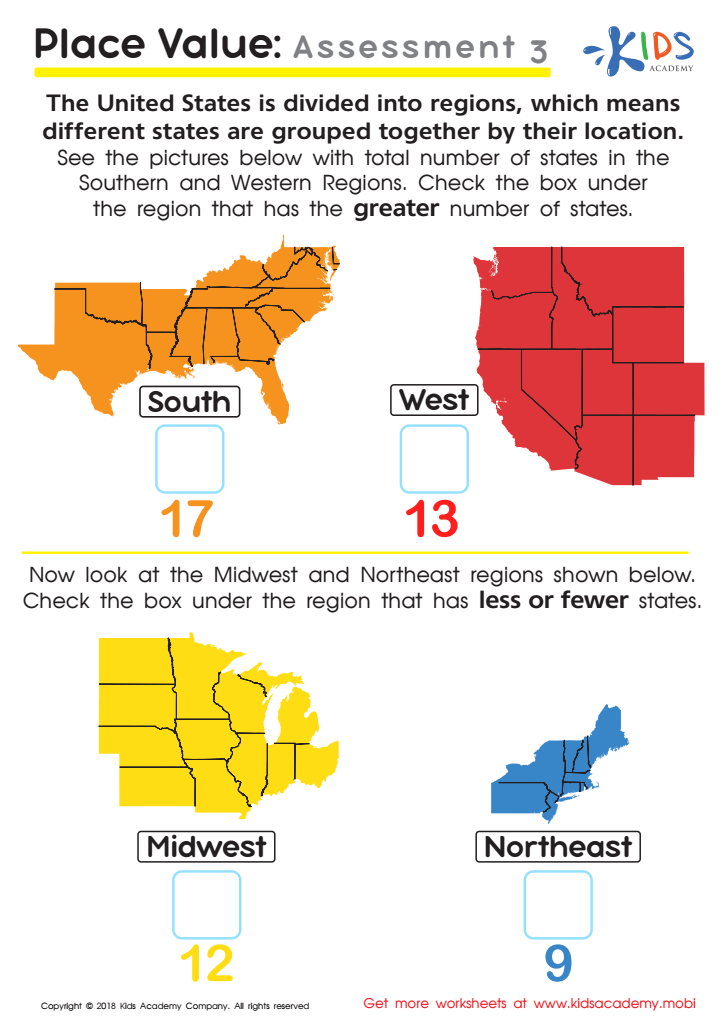
Place Value: Assessment 3 Worksheet
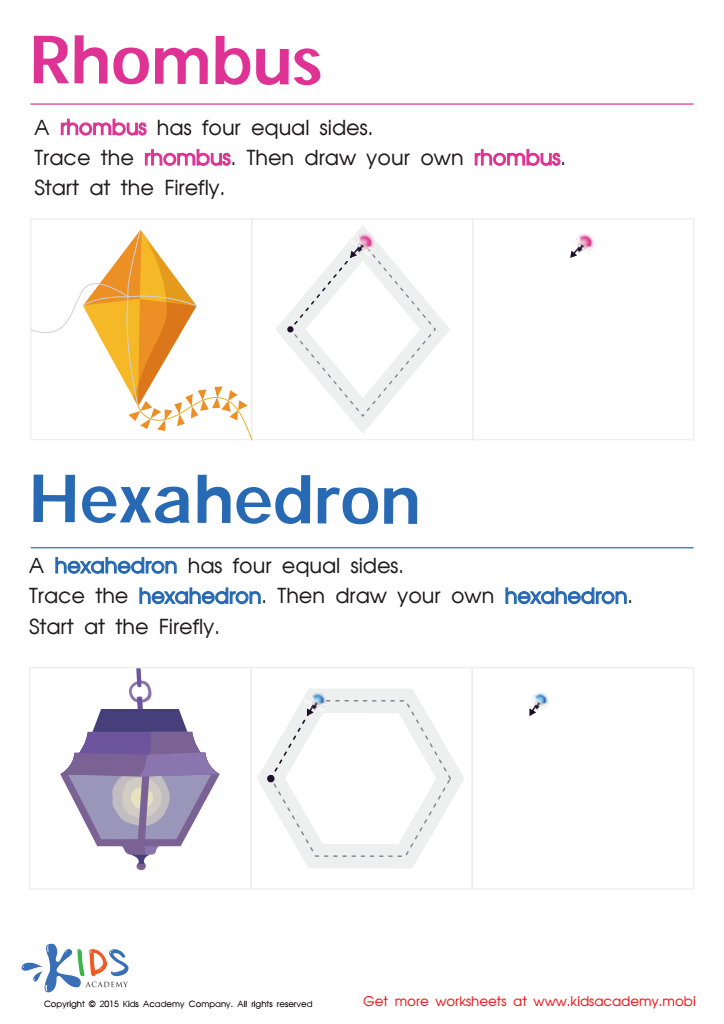
Draw a Rhombus And a Hexahedron Printable
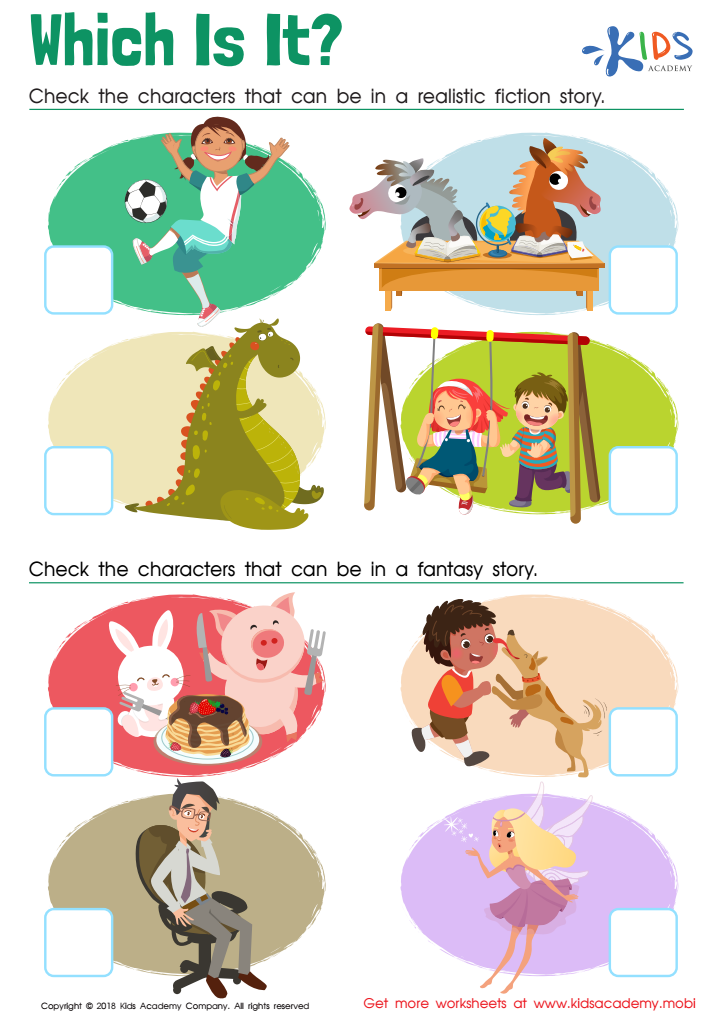
Which Is It? Worksheet
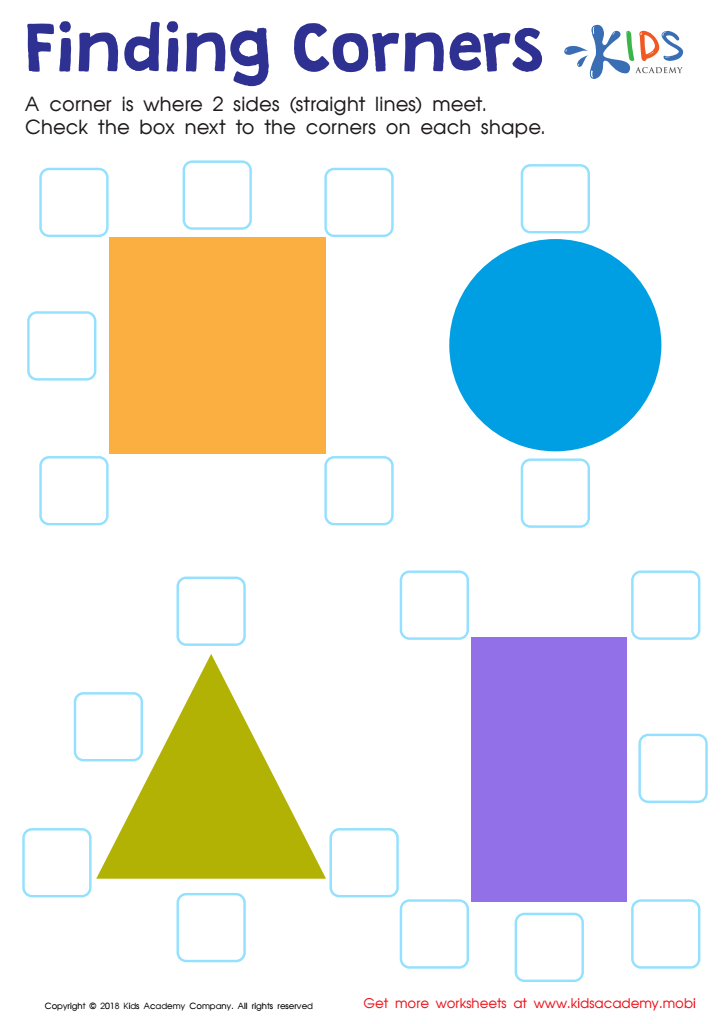
Finding Corners Worksheet








Shape identification is a crucial developmental milestone for children aged 5-9, integrating essential cognitive, spatial, and social skills that lay the groundwork for future learning. Understanding shapes helps children recognize and categorize objects within their environment, fostering critical thinking and problem-solving abilities. This foundational skill is significant in subjects like math, as it directly correlates with geometry and numerical understanding.
Parents and teachers should prioritize shape identification as it promotes visual discrimination, allowing children to differentiate between similar objects and shapes. This skill enhances fine motor skills when undertaking related activities, such as drawing or crafting, which also build creativity.
Moreover, mastering shapes cultivates language development, as children learn the specific terminology associated with each shape and gain confidence in using it during discussions. In a broader social context, recognizing shapes encourages collaboration in group activities, initiating essential communication skills.
Engaging children in shape-related learning through interactive games and everyday experiences can cultivate their natural curiosity and enable them to apply these skills in real-world settings. Ultimately, emphasizing shape identification enhances children's intellectual growth and empowers them to navigate and appreciate the world around them.








