Color recognition Normal Math Worksheets for Ages 5-9
7 filtered results
-
From - To
Our Color Recognition Math Worksheets for ages 5-9 combine vibrant visuals with essential math skills to enhance learning. These engaging worksheets are designed to help young learners identify and differentiate colors while building a strong foundation in math concepts like counting, addition, and subtraction. Perfect for preschool through third grade, each worksheet features fun and interactive activities, such as colorful puzzles and playful patterns. Ideal for classroom use or homeschooling, these worksheets make math exciting and accessible. Foster your child's love for learning and boost their confidence with these captivating, educational tools. Explore and enjoy the fun of colorful math!
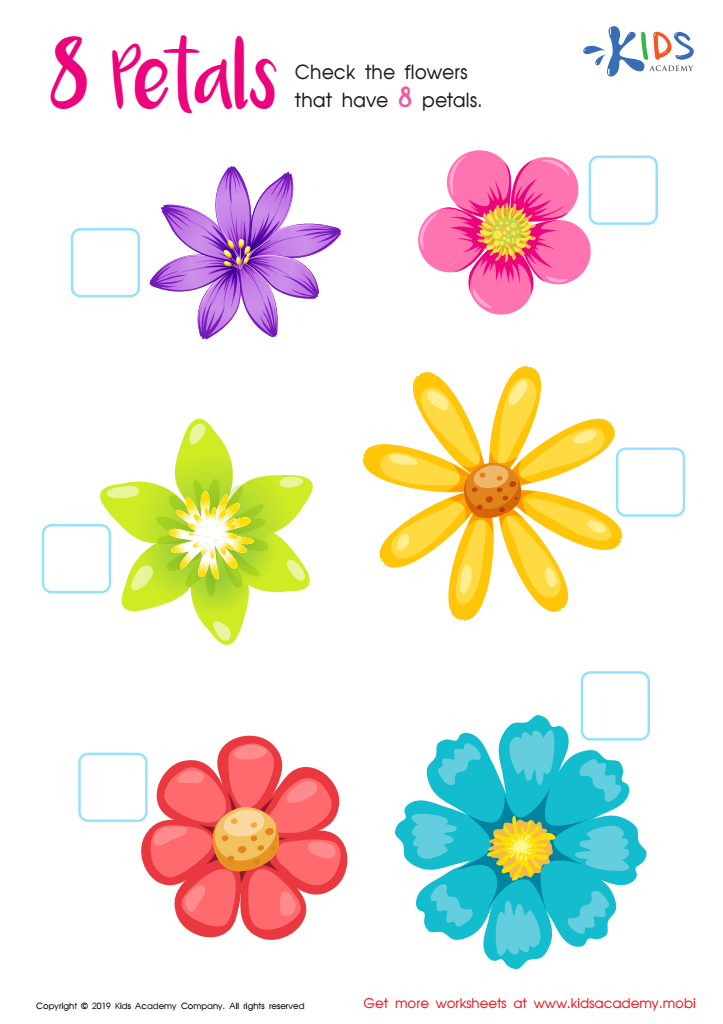
8 Petals Worksheet
 Assign to My Students
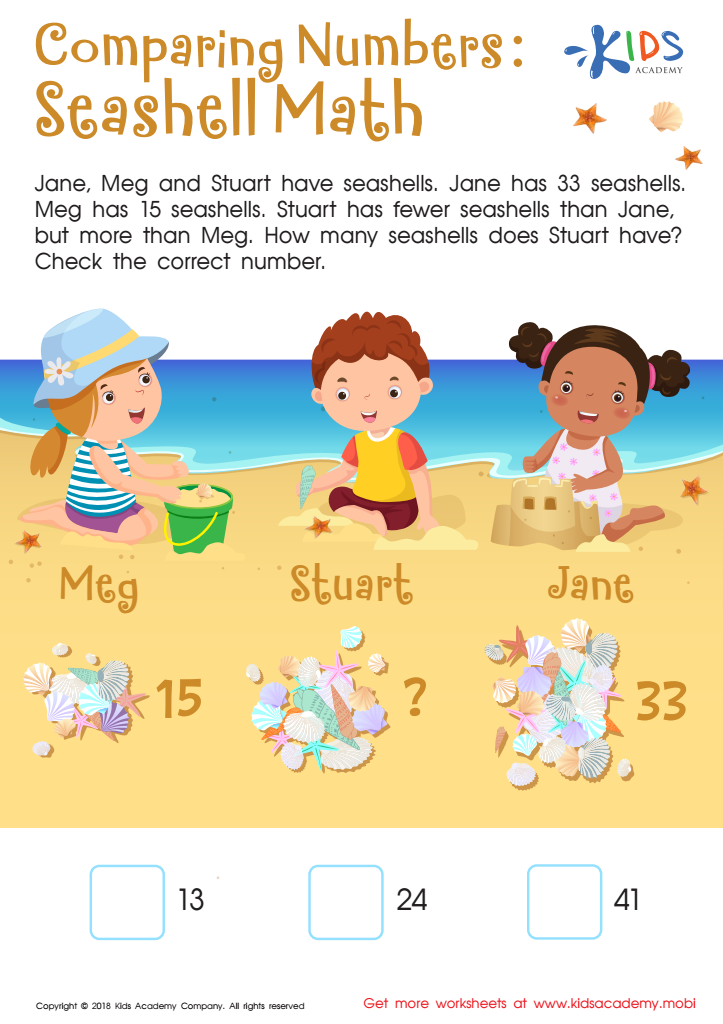
Seashell Collectors Worksheet
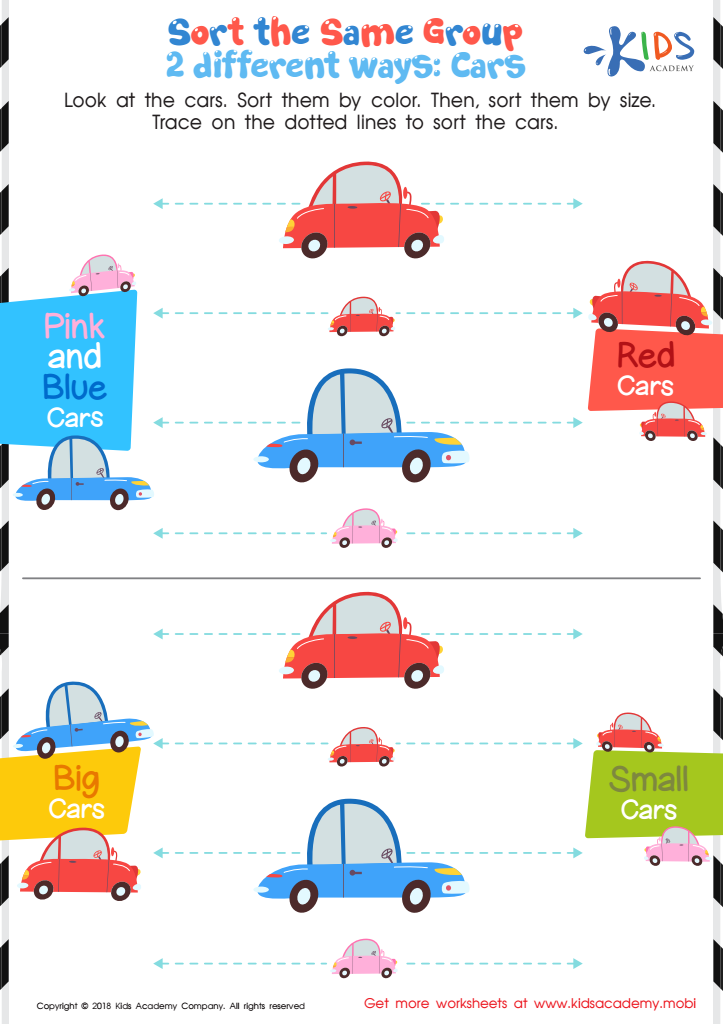
Sort the Same Group 2 Different Ways: Cars Worksheet
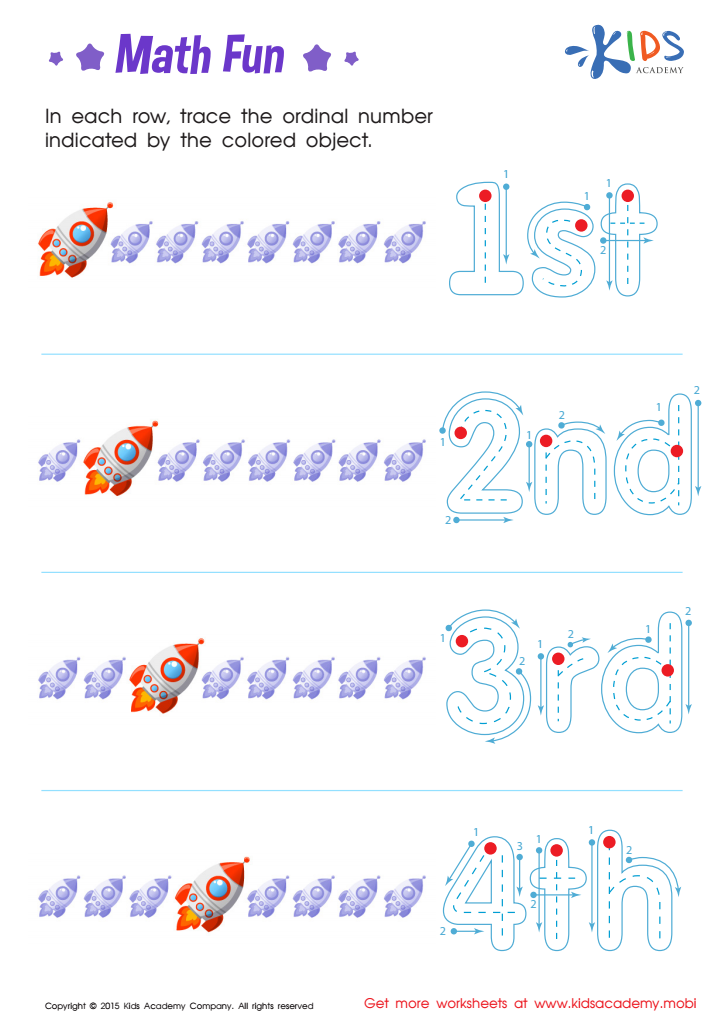
Ordinal Numbers: Math Fun Worksheet
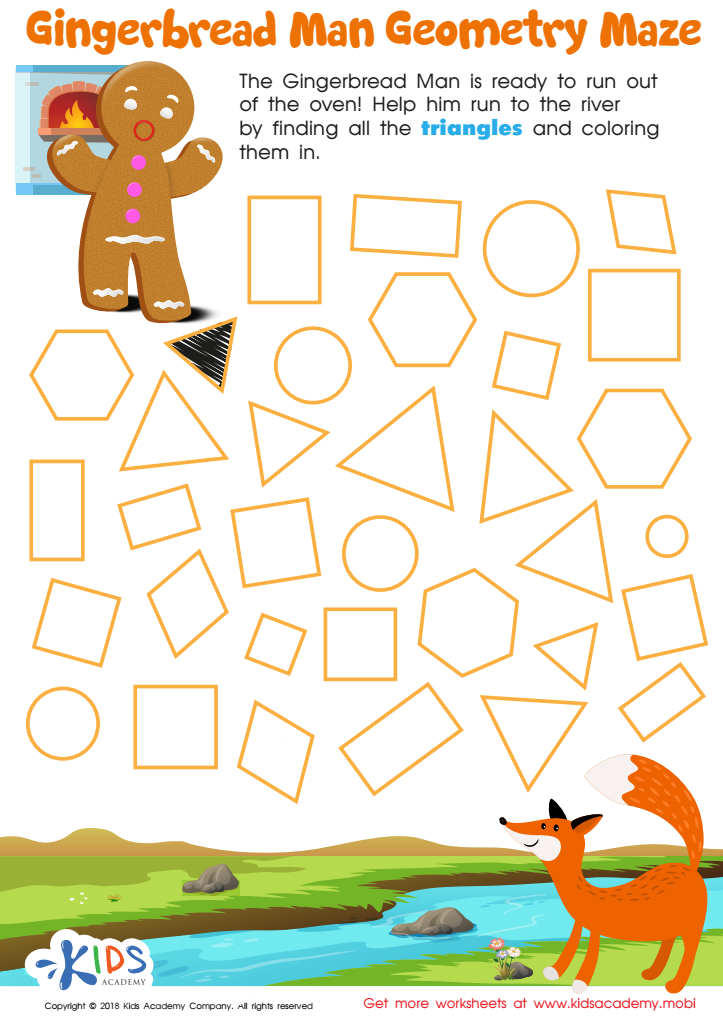
Gingerbread Man Geometry Maze Worksheet
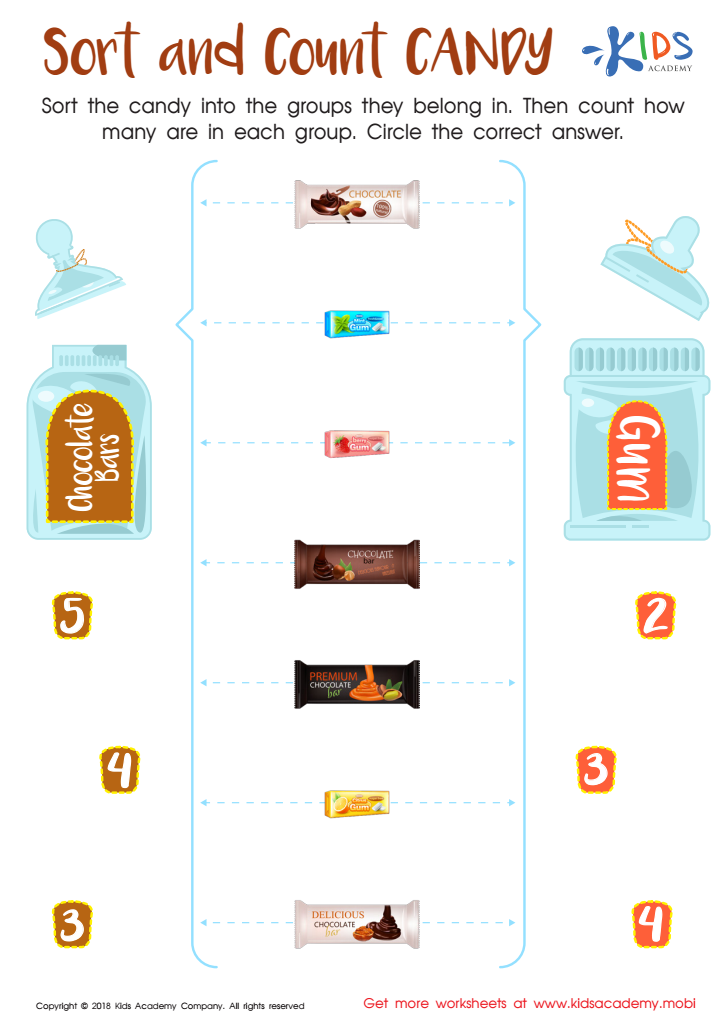
Sort and Count Candy Worksheet







Color recognition and basic math skills are foundational elements of early childhood education that significantly impact cognitive and developmental growth in children aged 5-9.
Firstly, recognizing colors is more than a simple skill—it's crucial for cognitive development and language acquisition. Color differentiation aids in descriptive language skills and enhances visual acuity. It’s also the basis for sorting, classifying, and pattern recognition, all of which are essential pre-math skills.
Secondly, normal math concepts like counting, addition, subtraction, and understanding shapes and measurements develop logical thinking and problem-solving abilities. These foundational math skills are the building blocks for more complex operations they will encounter later in their education.
When colors and basic math are integrated, such as through sorting colored objects or using color-coded math aids, children engage in multi-sensory learning, visually and physically connecting concepts. This approach enhances memory retention and makes learning interactive and fun, encouraging a positive attitude toward education.
Moreover, early competence in these areas predicts future academic performance. Studies show that children who enter kindergarten with well-developed pre-math and color recognition skills are more likely to succeed in school and exhibit better overall cognitive flexibility.
Thus, educators and parents should emphasize color recognition and basic math from an early age to foster essential skills that serve as a springboard for academic success and everyday problem-solving.








