Mental math skills Normal Math Worksheets for Ages 5-9
14 filtered results
-
From - To
Enhance your child's mental math skills with our specially designed worksheets for children aged 5-9. Perfectly tailored for young learners, these worksheets make math fun and engaging. By focusing on fundamental operations, kids will master addition, subtraction, multiplication, and division, while developing critical thinking and problem-solving abilities. With colorful illustrations and varied exercises, our worksheets cater to different learning styles, ensuring each child can progress at their own pace. Ideal for both classroom and home use, these resources support a strong math foundation, giving kids the confidence they need for future challenges. Visit Kids Academy to download now!
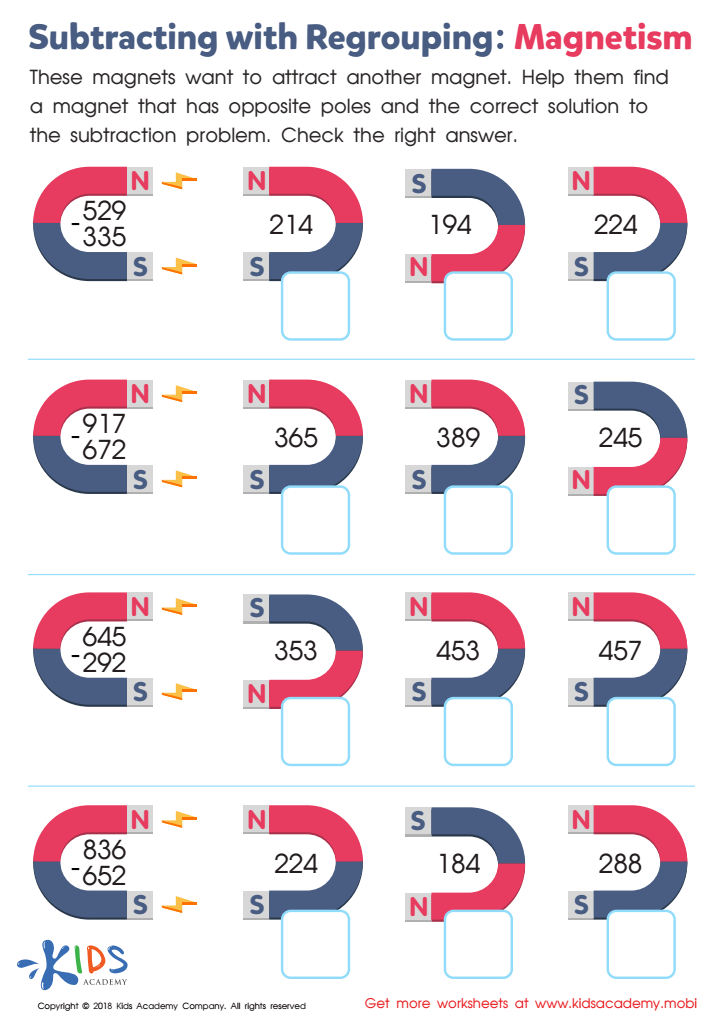
Subtracting with Regrouping: Magnetism Worksheet
 Assign to My Students
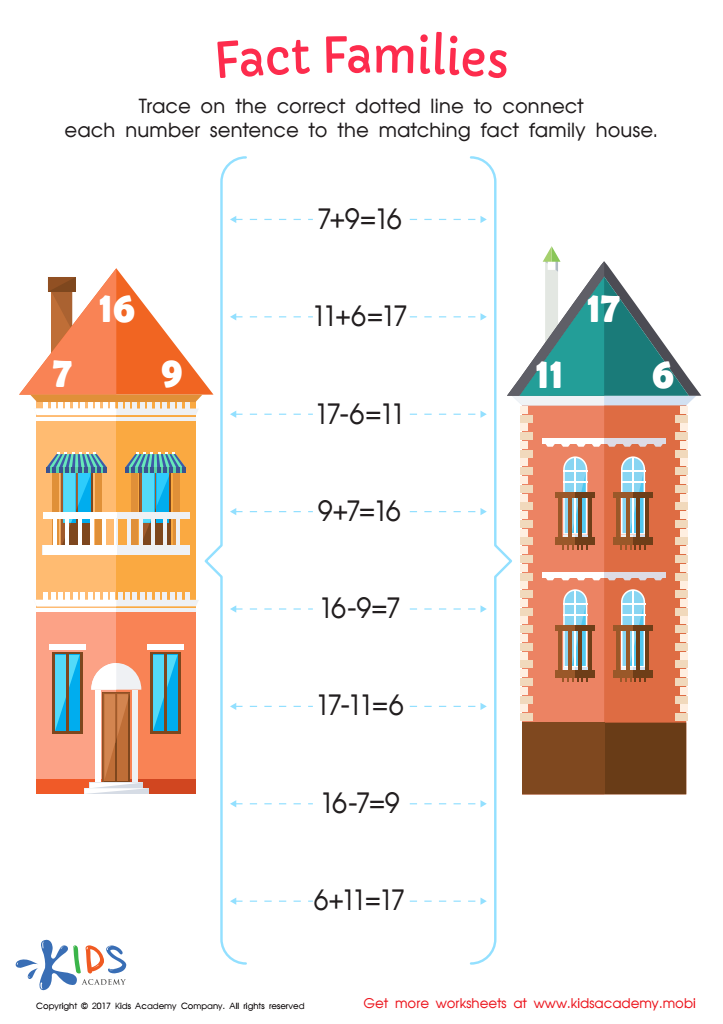
Fact Families — Add and Subtract Worksheet
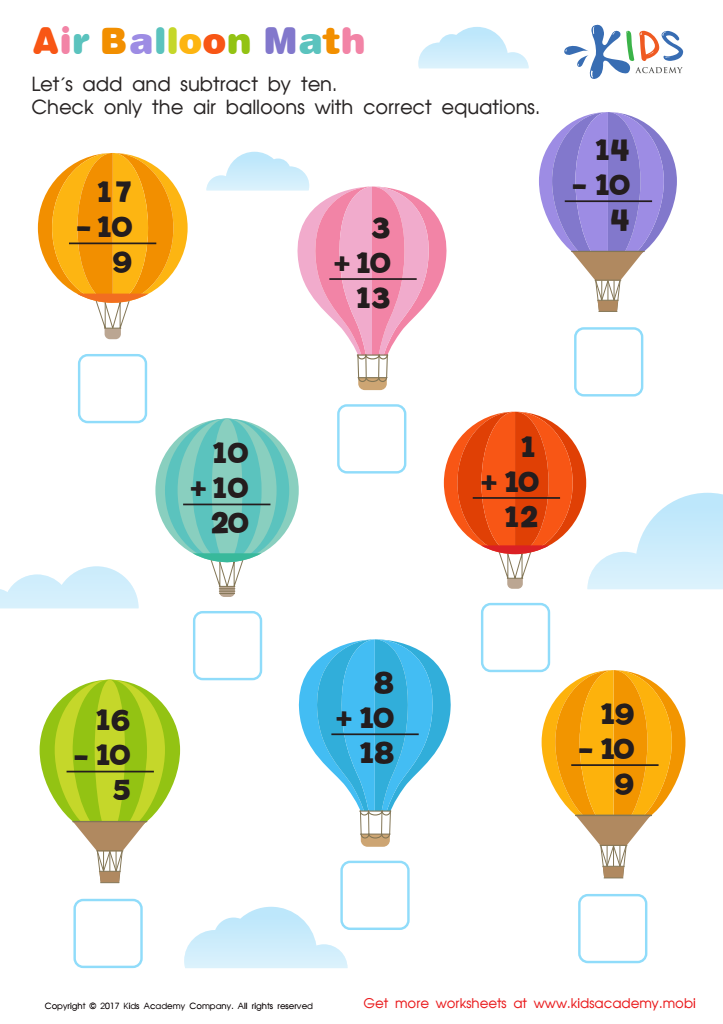
Air Balloon Math Worksheet
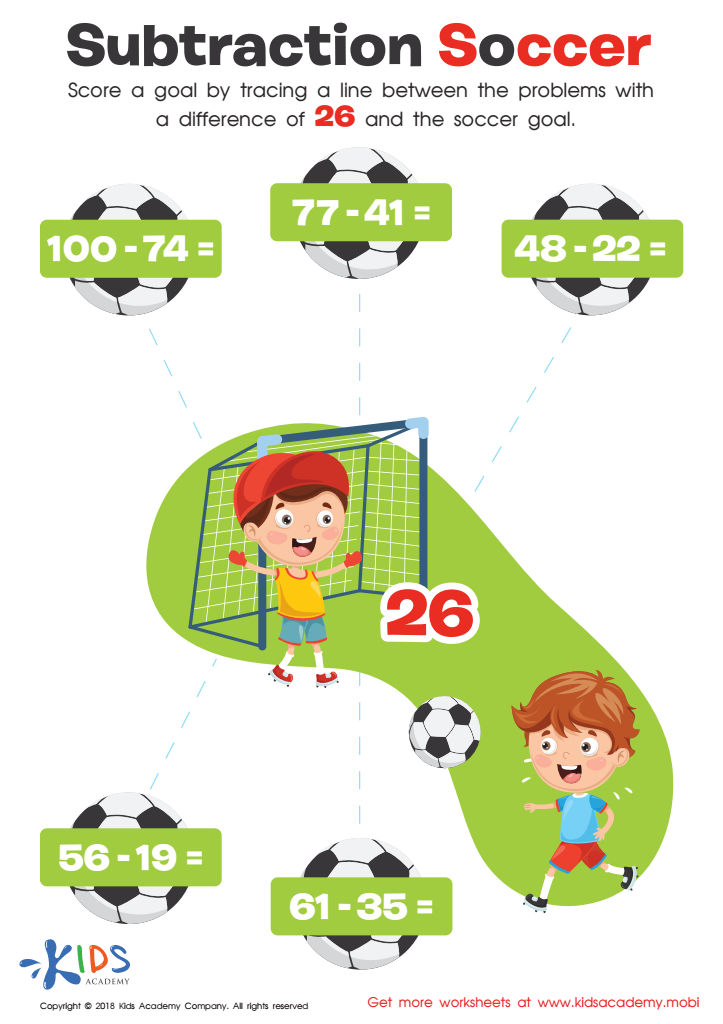
Subtraction Soccer Worksheet
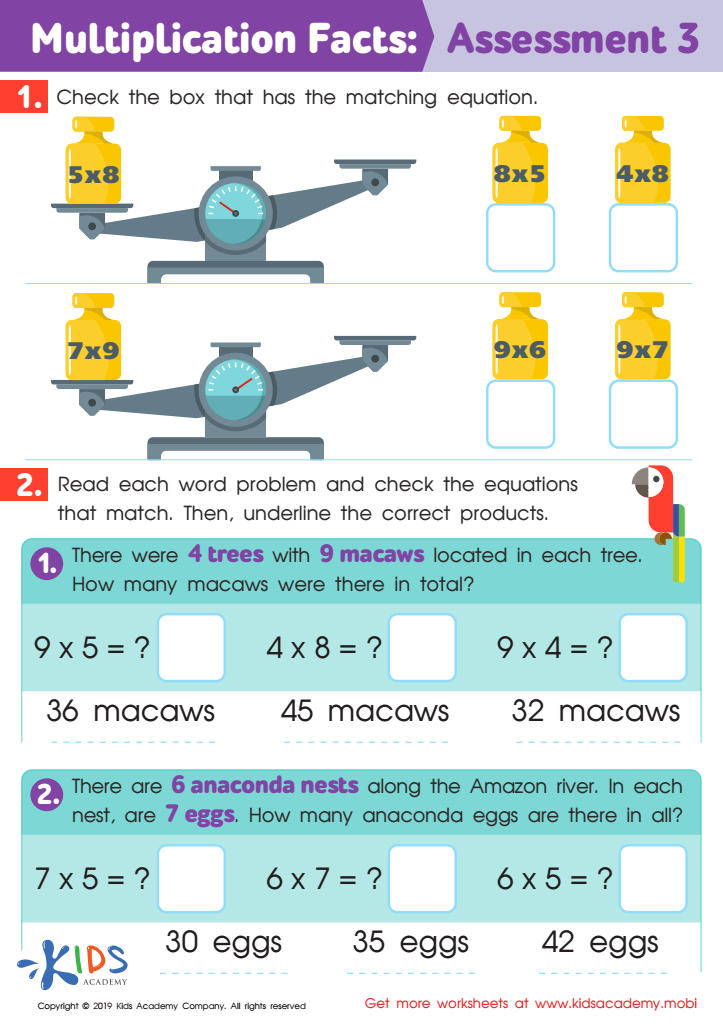
Multiplication Facts: Assessment 3 Worksheet
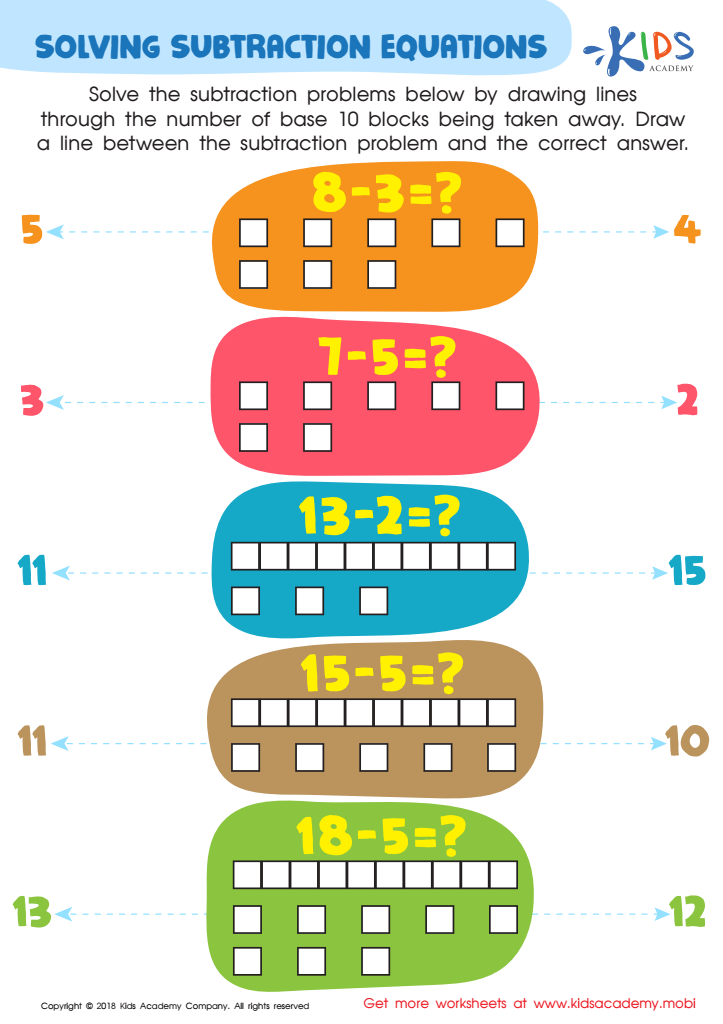
Solving Subtraction Equations Worksheet
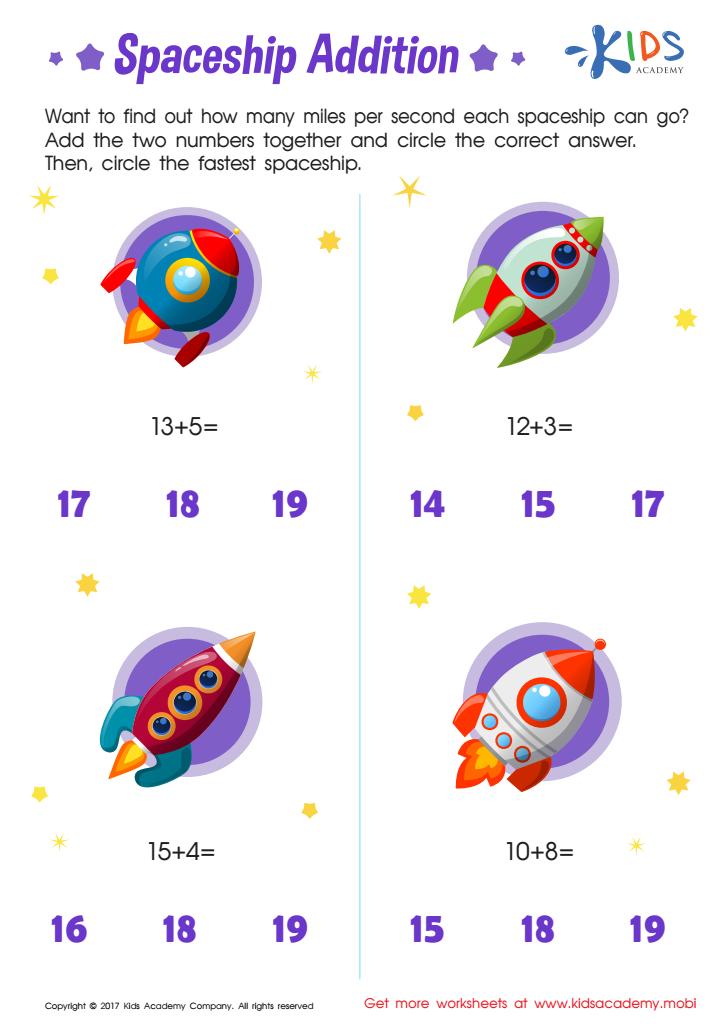
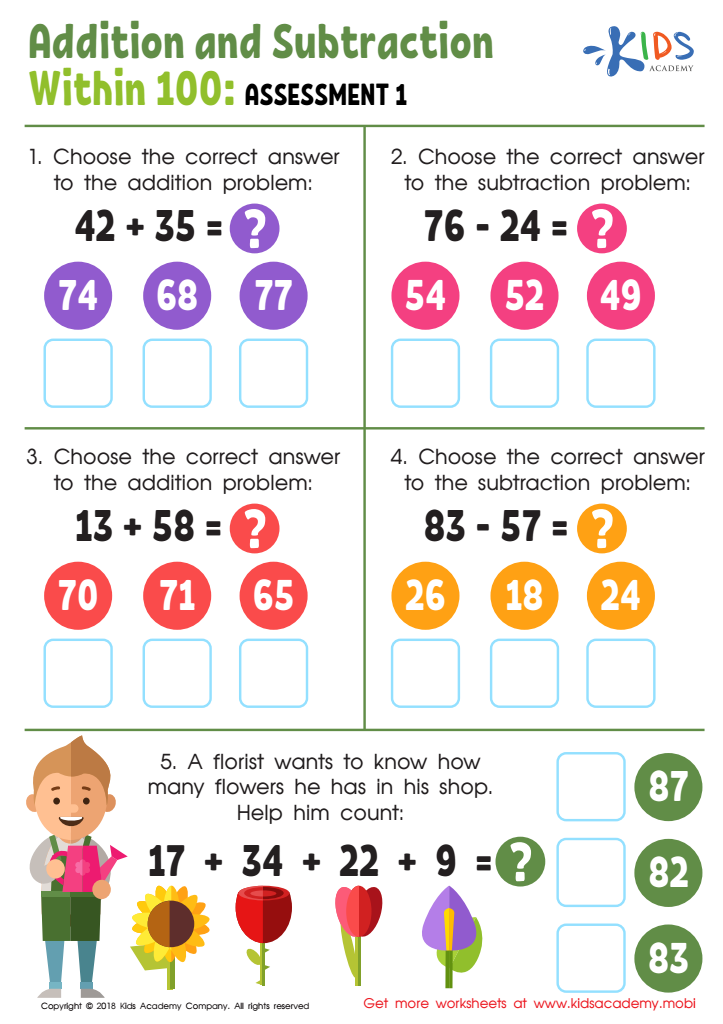
Addition and Subtraction Within 100 Worksheet
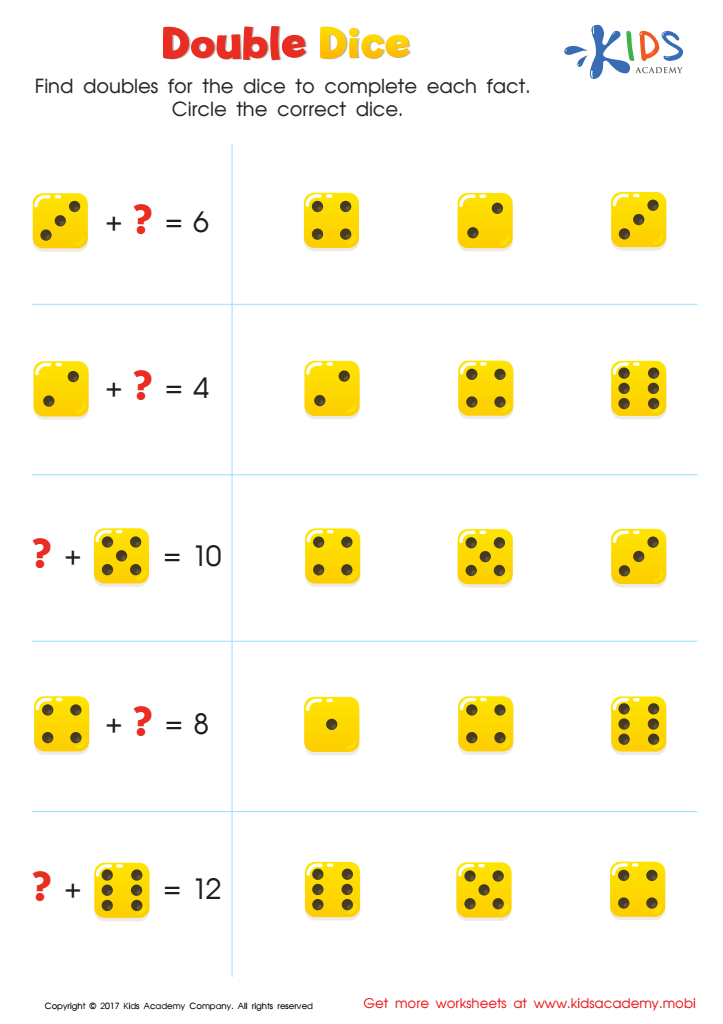
Addition Facts: Double Dice Worksheet
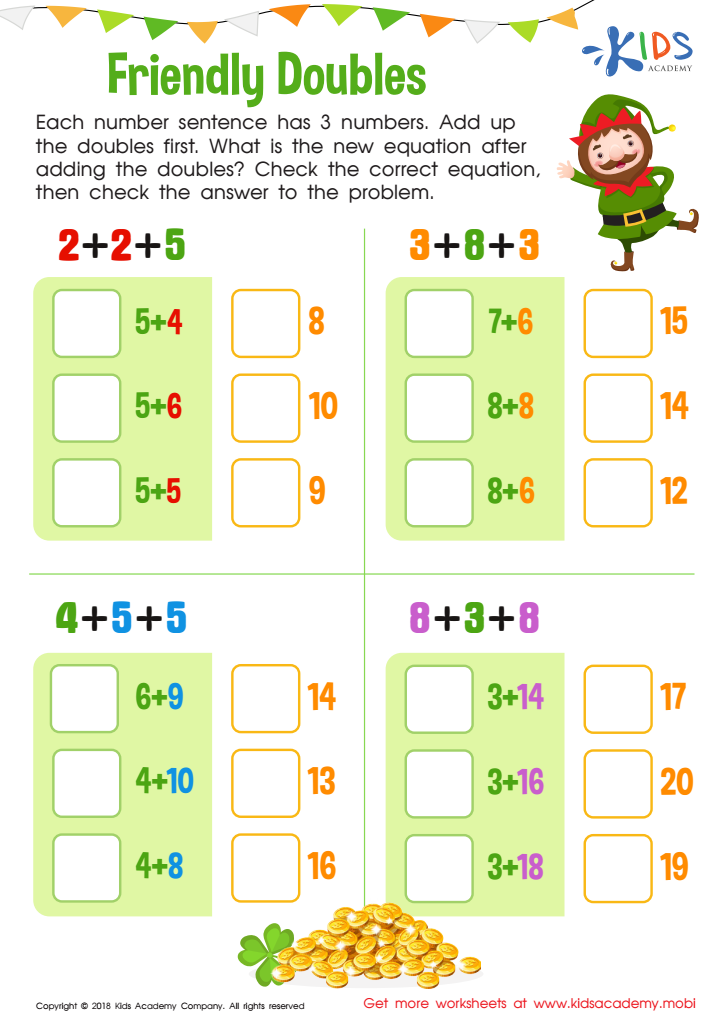
Friendly Doubles Worksheet
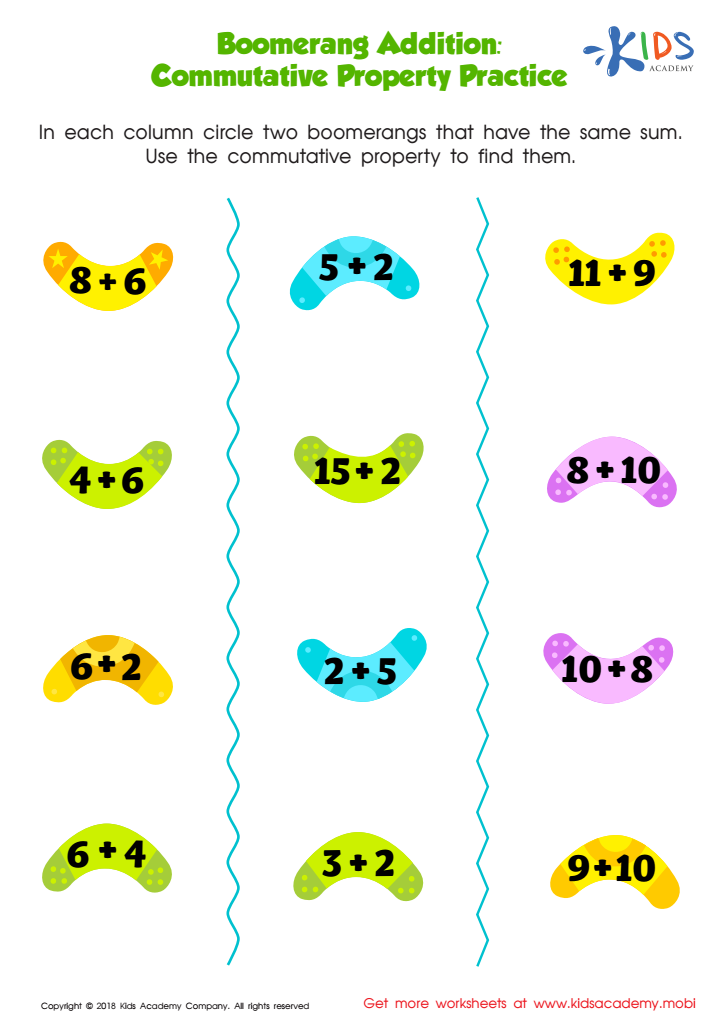
Boomerang Addition Worksheet
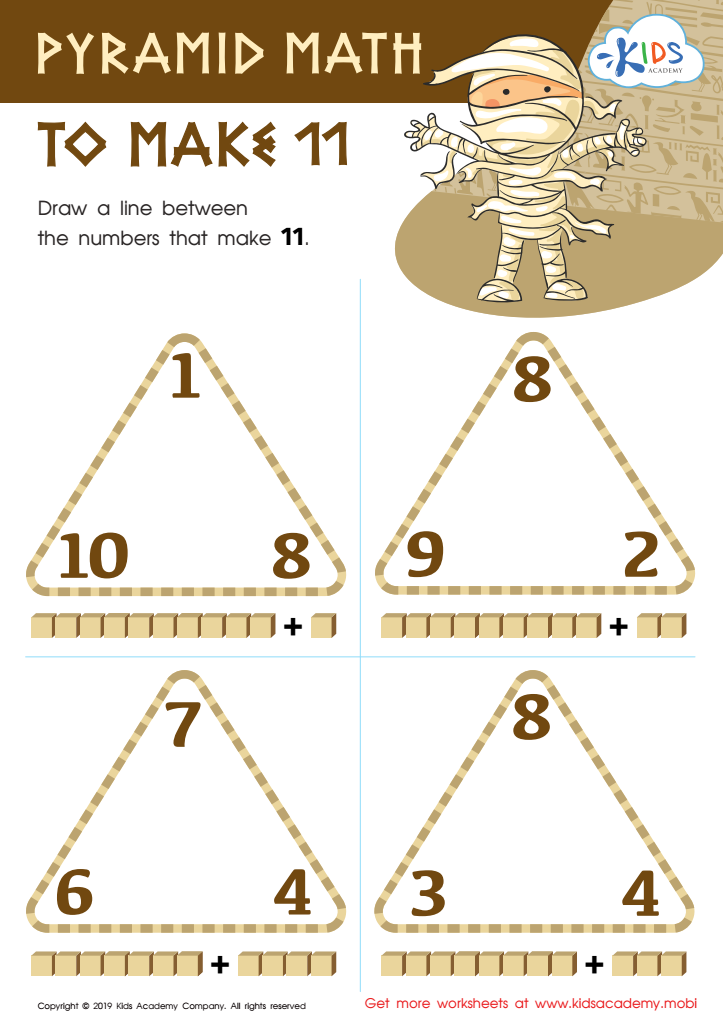
Pyramid Math to Make 11 Worksheet
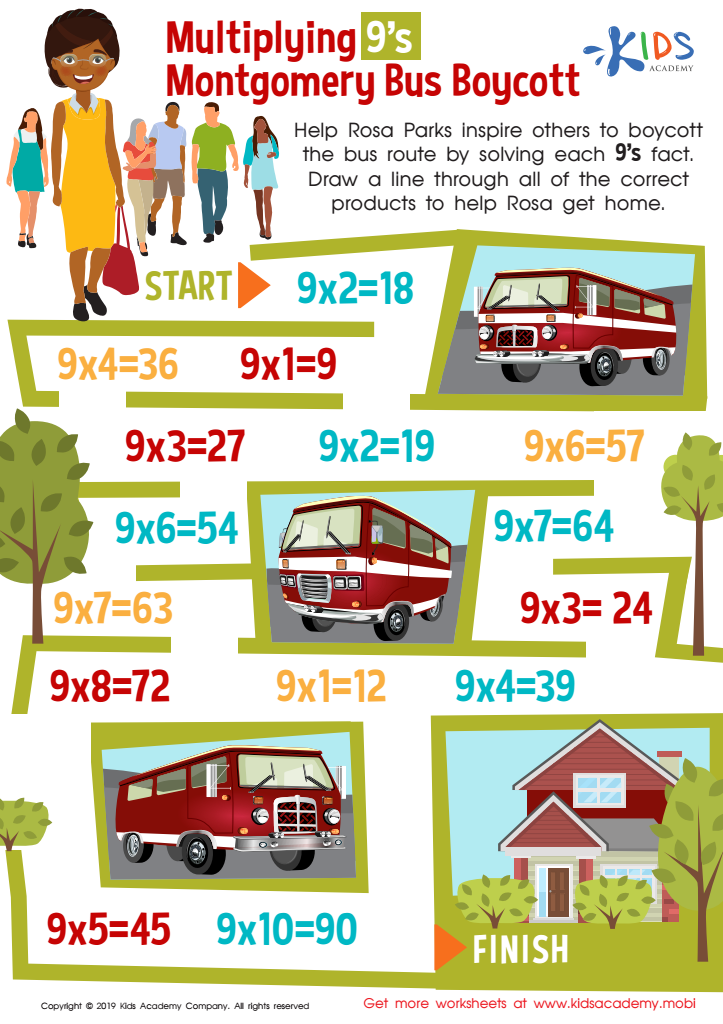
Multiplying 9’s Montgomery Bus Boycott Worksheet
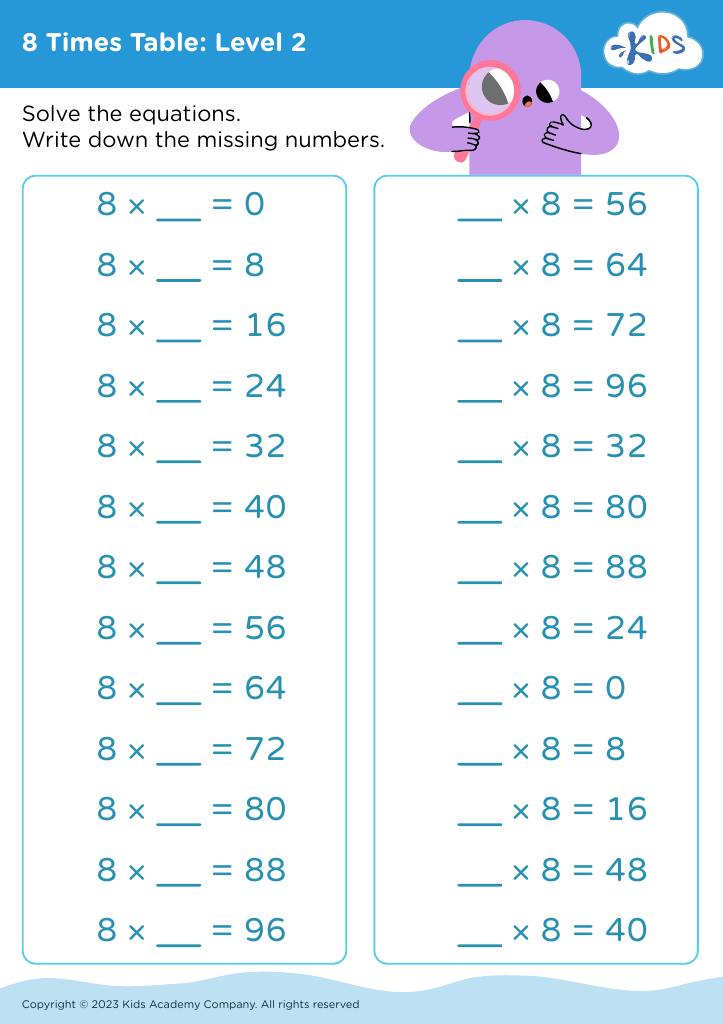





.jpg)

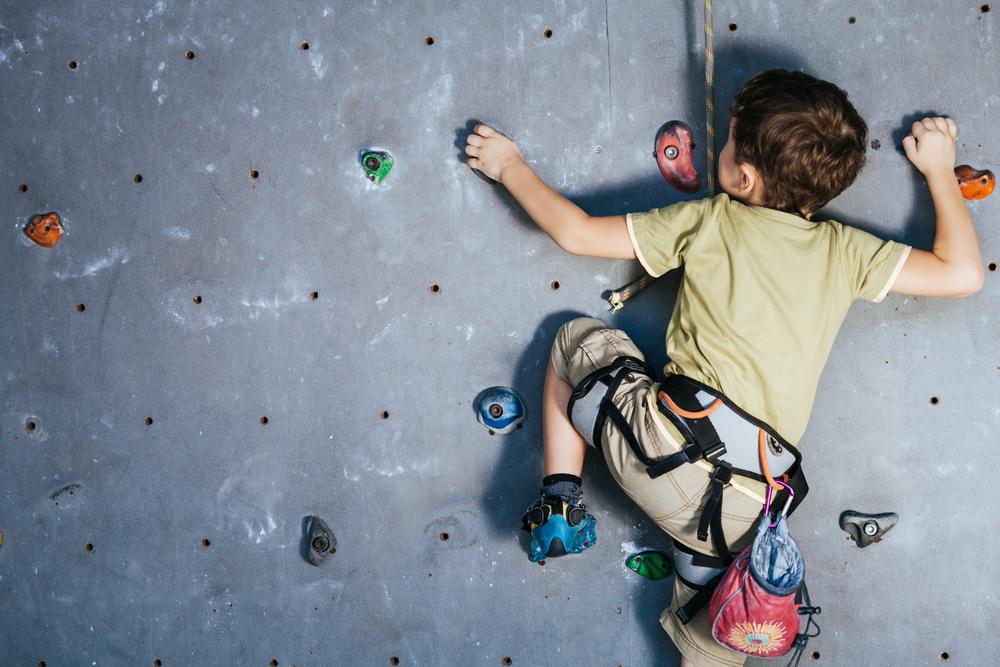
Mental math skills, which involve performing calculations in one's head without relying on paper, calculators, or digital devices, are crucial for children ages 5-9 because they serve as the foundation for their overall mathematical competence. Parents and teachers should care deeply about developing these skills as they not only enhance rote calculations but also cultivate logical thinking and problem-solving abilities. Young minds are exceptionally malleable at this age, and fostering strong mental math capabilities helps embed essential arithmetic principles in their long-term memory.
For instance, teachers who emphasize mental math create opportunities for students to understand and internalize number relationships, such as addition, subtraction, and basic multiplication. This mirrors real-life scenarios where quick mental calculations, like determining change during shopping or estimating time, can prove invaluable.
Parents play a vital role, too, by encouraging mental math in everyday activities. Shared experiences like cooking, where children can add fractions or count ingredients, make math relatable and fun, reinforcing the idea that math is an integral part of life. Effective mental math skills not only boost confidence and academic performance but also lay the groundwork for future learning in more complex areas of mathematics. Thus, ensuring children develop these skills at an early age is an investment in their academic and personal success.








