Color recognition Normal Reading Worksheets for Ages 5-9
3 filtered results
-
From - To
Enhance your child's learning experience with our Color Recognition Normal Reading Worksheets, designed specifically for ages 5-9. These engaging worksheets not only capture young learners' attention but also foster essential skills in color identification and reading comprehension. Each activity seamlessly blends fun and education, helping children connect colors with words while building their vocabulary. Perfect for at-home practice or classroom use, our worksheets support early literacy development and encourage creative expression. Empower your child’s learning journey with these colorful, interactive resources that pave the way for future academic success. Discover the joy of learning through vibrant visuals today!
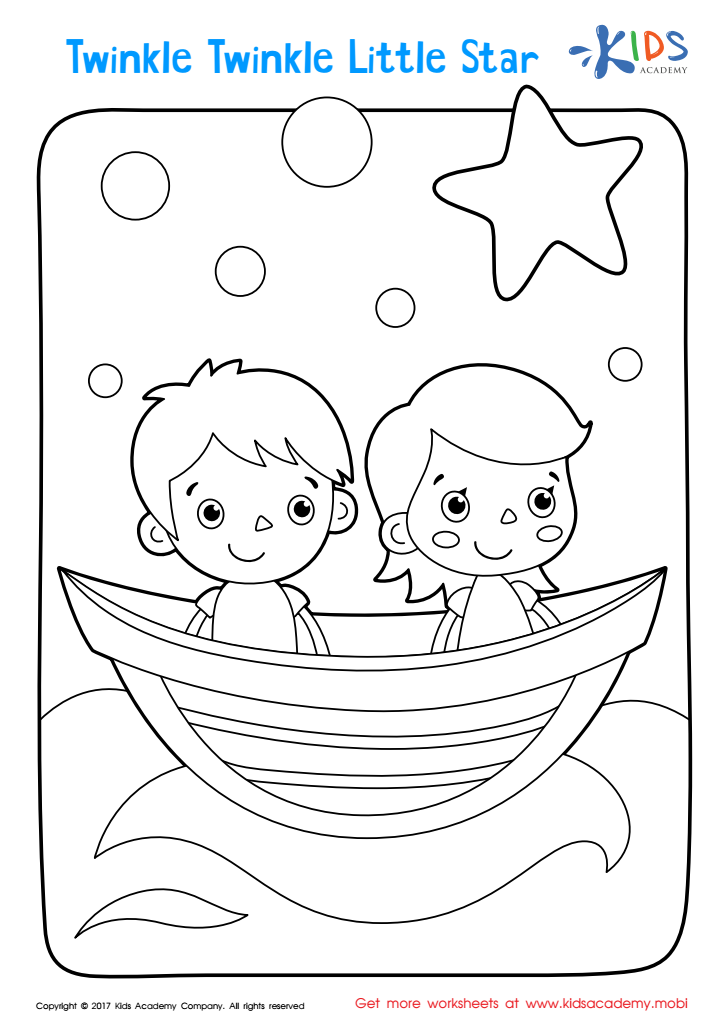
Twinkle Twinkle Little Star Coloring Page
 Assign to My Students
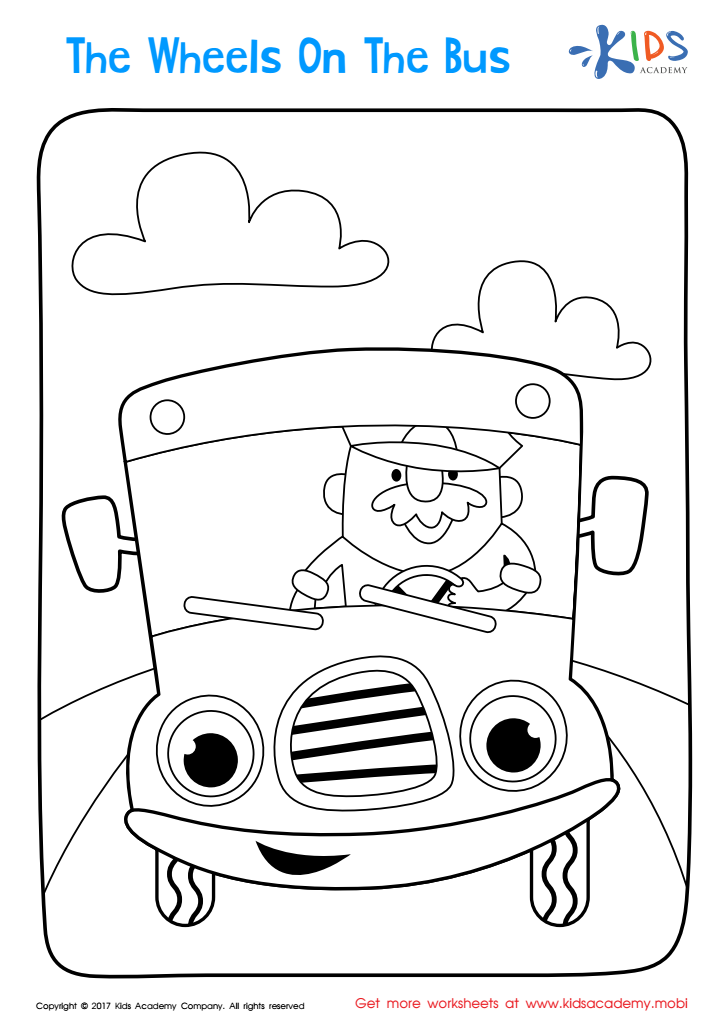
The Wheels on the Bus Coloring Page
Assign to My Students
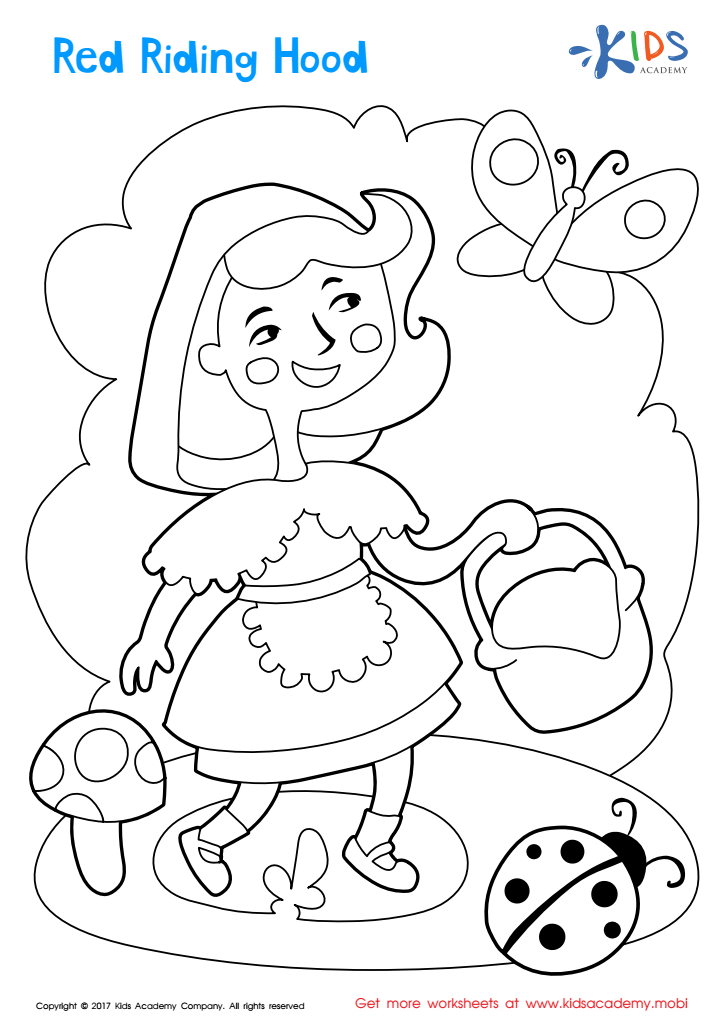
Red Riding Hood Coloring Page
Assign to My Students








Color recognition is a foundational skill that plays a vital role in early childhood development, particularly for children aged 5-9. Parents and teachers should care about this skill because it lays the groundwork for various cognitive abilities, including language development, critical thinking, and memory. When children learn to identify and differentiate colors, they enhance their observational skills, which is essential for reading comprehension.
Color recognition also enhances a child's ability to describe their world and express themselves creatively. For instance, understanding colors can support storytelling activities, as children describe characters, settings, and emotions through their color choices in drawings or writing. This engagement promotes literacy skills and supports vocabulary growth.
Moreover, color recognition has practical applications—like following instructions, categorizing objects, and making choices—which fosters independence. Cultivating this skill contributes to sensory integration and helps children categorize and make sense of their environment.
Overall, engaging children in activities focused on color recognition, such as games, art projects, and interactive reading, can enhance their learning experiences, boost their confidence, and aid in their overall development as they prepare for more complex academic tasks. Thus, actively promoting color recognition is essential in nurturing well-rounded learners.








