Logical thinking Normal Reading Worksheets for Ages 5-9
6 filtered results
-
From - To
Help your child develop essential logical thinking skills with our engaging Normal Reading Worksheets designed for ages 5-9. These printable worksheets encourage young learners to enhance their reasoning and comprehension abilities through fun activities and exercises. Each worksheet promotes critical thinking while integrating reading practice, making learning both exciting and educational. Children will explore patterns, categorize information, and solve puzzles, all while boosting their confidence in reading. Ideal for home or classroom use, our worksheets are tailored to fit various learning styles, ensuring every child can thrive. Start your child’s journey to academic success with our logical thinking reading resources today!
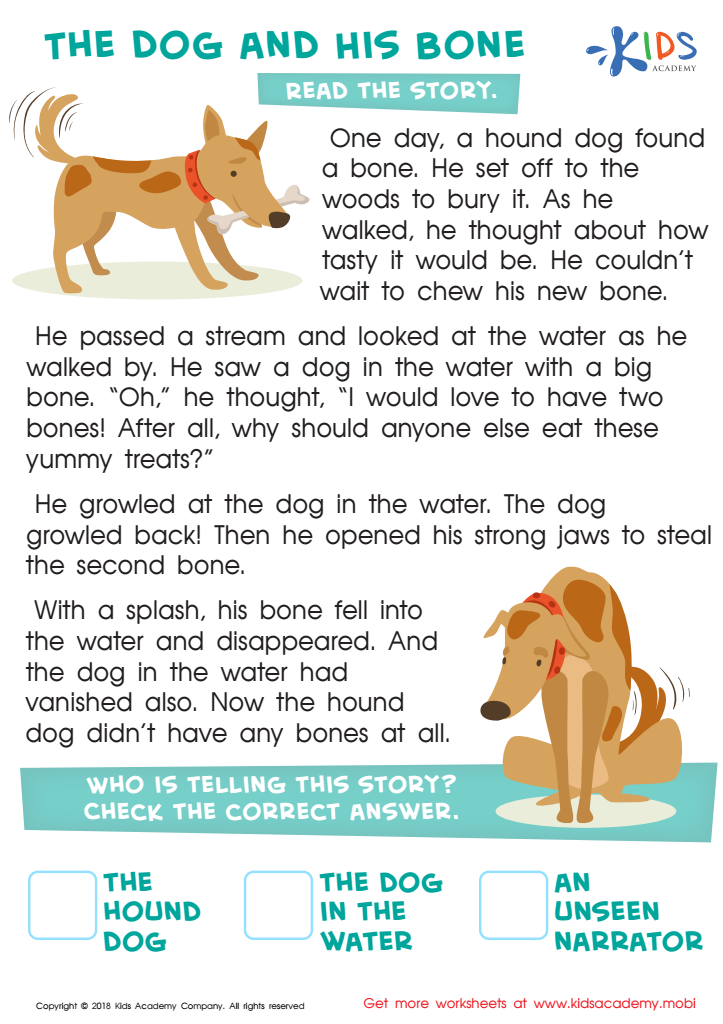
The Dog and His Bone Worksheet
 Assign to My Students
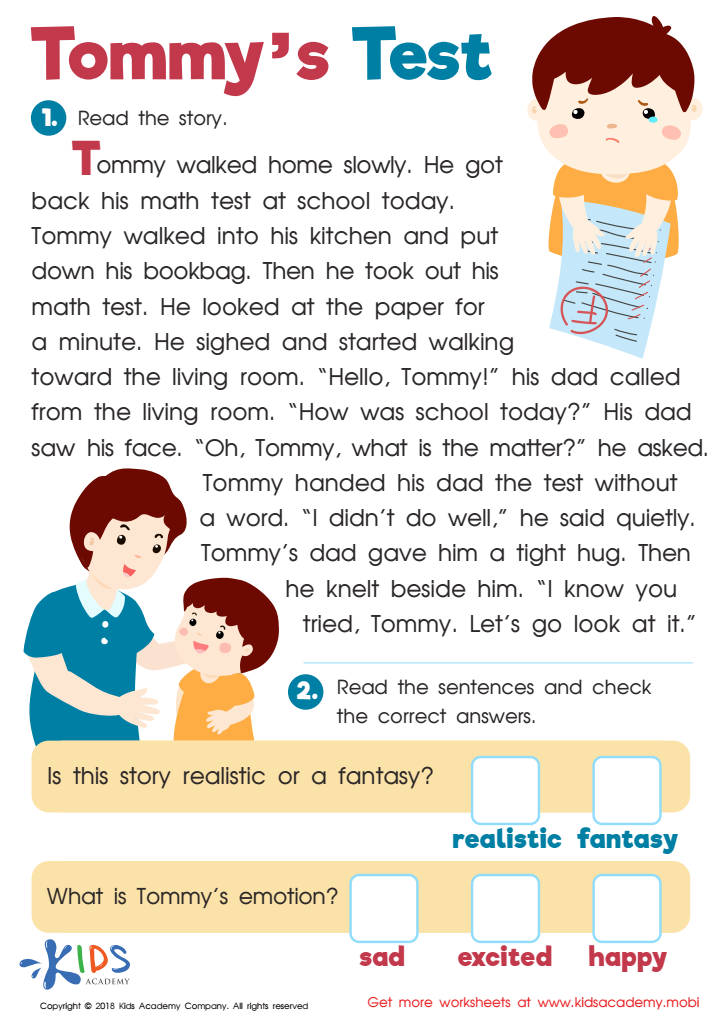
Tommys Test Worksheet
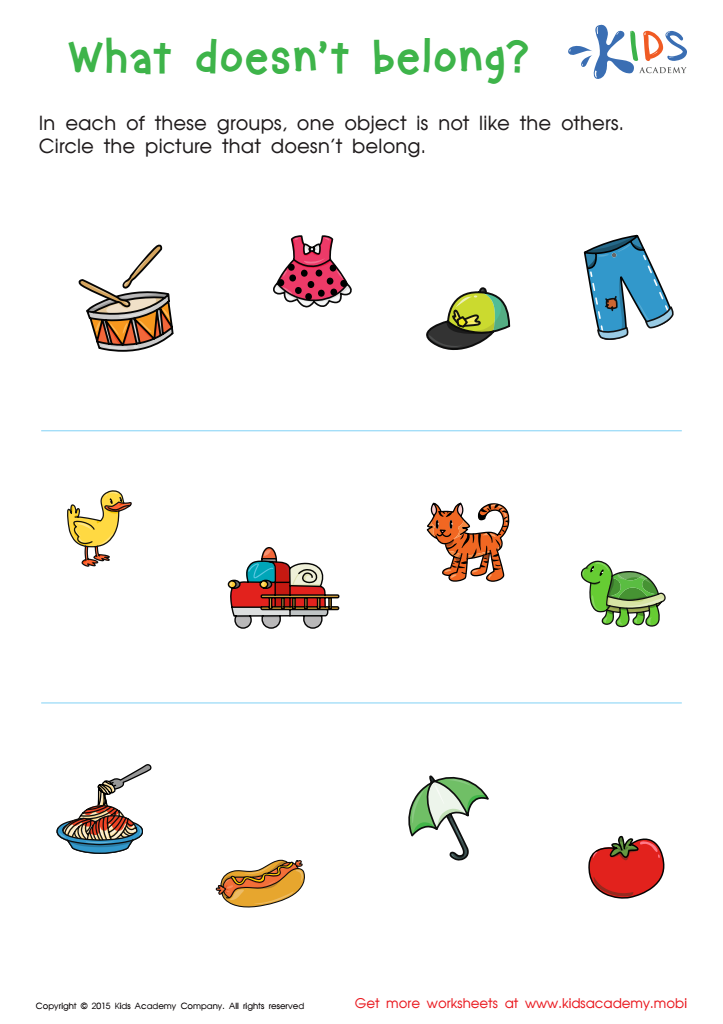
First Words: What Doesn't Belong Worksheet
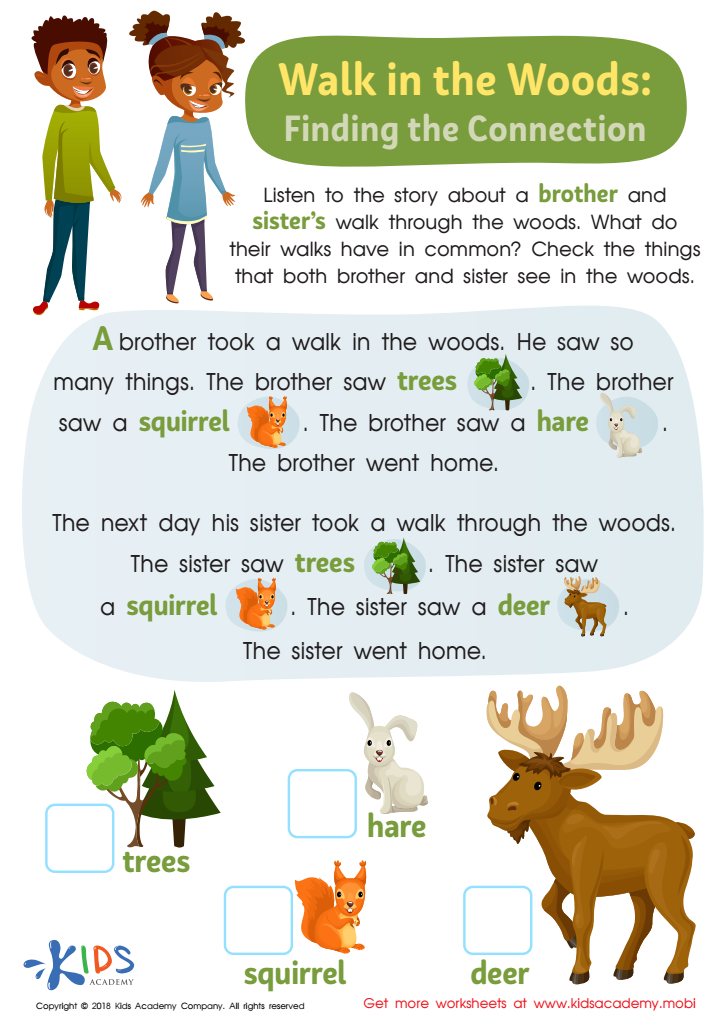
Walk In the Woods: Finding Connections Worksheet
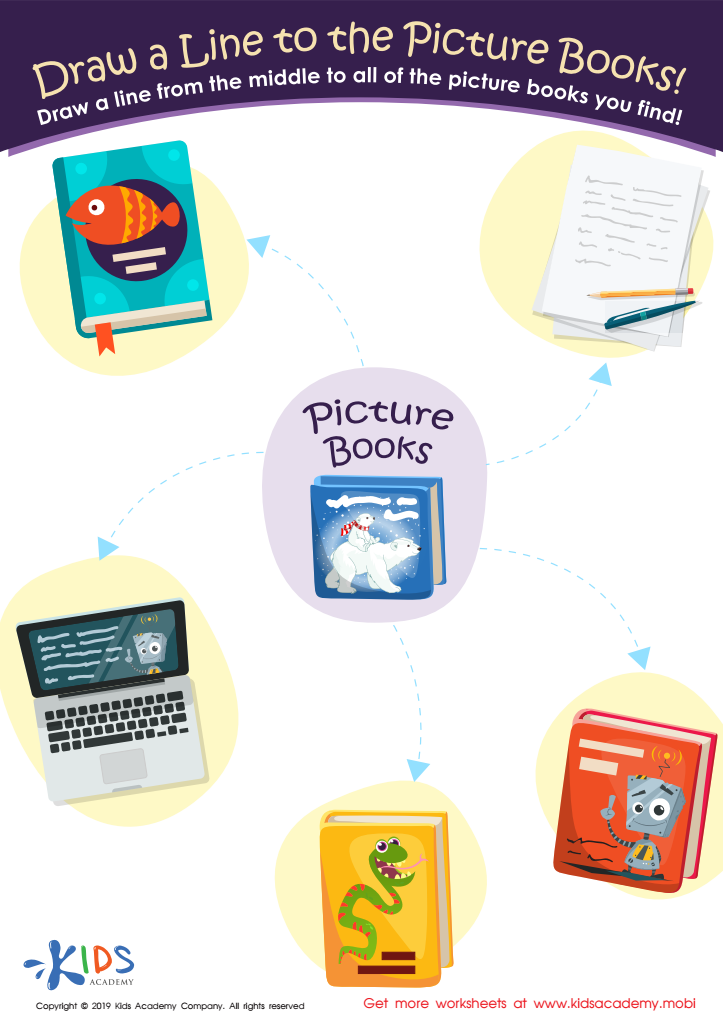
Draw a Line to the Picture Books Worksheet
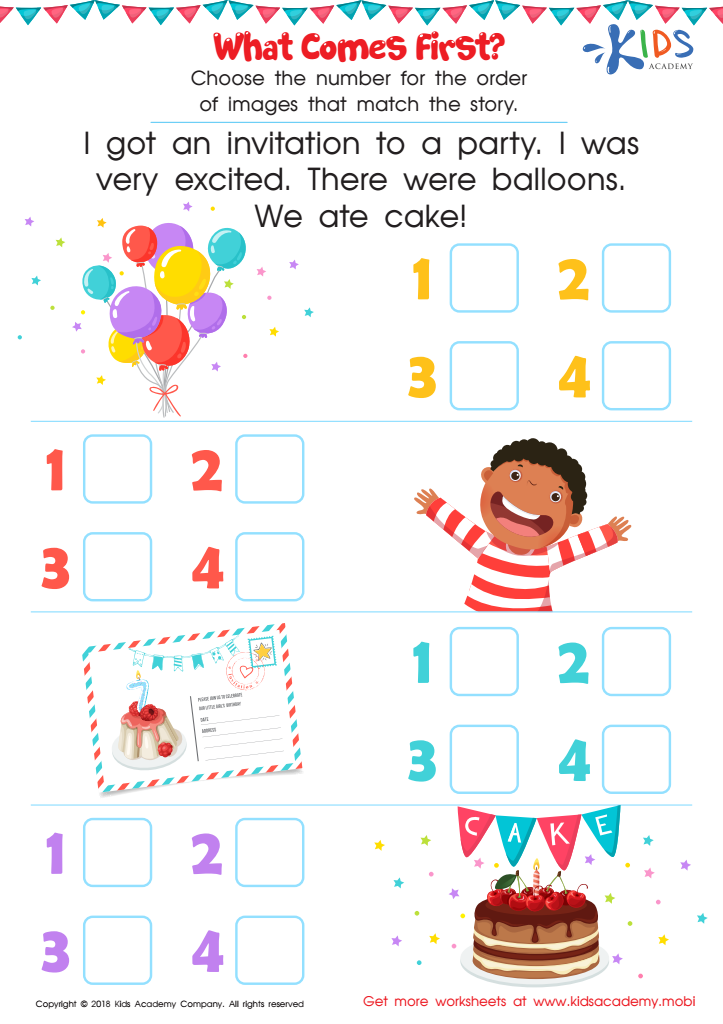
What Comes First Worksheet







Parents and teachers should prioritize Logical Thinking Normal Reading for children aged 5-9 because it lays the foundation for critical cognitive development. During these formative years, children are not only learning to read, but they are also developing skills essential for problem-solving and reasoning. Logical thinking helps young learners connect ideas, analyze situations, and understand cause-and-effect relationships, skills vital for their overall academic success.
Incorporating logical thinking into reading activities fosters comprehension skills. Children who engage with texts that require them to think critically are more likely to grasp complex ideas, identify themes, and make predictions—essential elements for efficient reading. This integration enhances their engagement with the material and builds comprehension capabilities.
Moreover, promoting logical thinking during reading assists in social development. Children learn to express opinions, defend their thoughts, and understand differing perspectives through discussions about stories they read. This ability to think logically and articulate ideas is invaluable for developing effective communication and interpersonal skills.
In an increasingly complex world, equipping children with both reading and logical thinking skills prepares them for future challenges. Both educators and parents play a vital role in guiding children to become adept readers and critical thinkers, paving the way for lifelong learning and success.








