Shape Recognition Normal Reading Worksheets for Ages 5-9
3 filtered results
-
From - To
Our "Shape Recognition Normal Reading Worksheets for Ages 5-9" are designed to boost early reading skills through engaging, educational activities. Perfect for young learners, these worksheets combine shape recognition tasks with reading exercises to promote critical thinking and attention to detail. Each worksheet features fun illustrations and age-appropriate content tailored to develop foundational literacy and geometry skills. Ideal for both classroom use and home practice, these worksheets provide a comprehensive approach to learning, ensuring children build strong, essential skills while enjoying the process. Enhance your child's educational journey with our expertly crafted resources today!
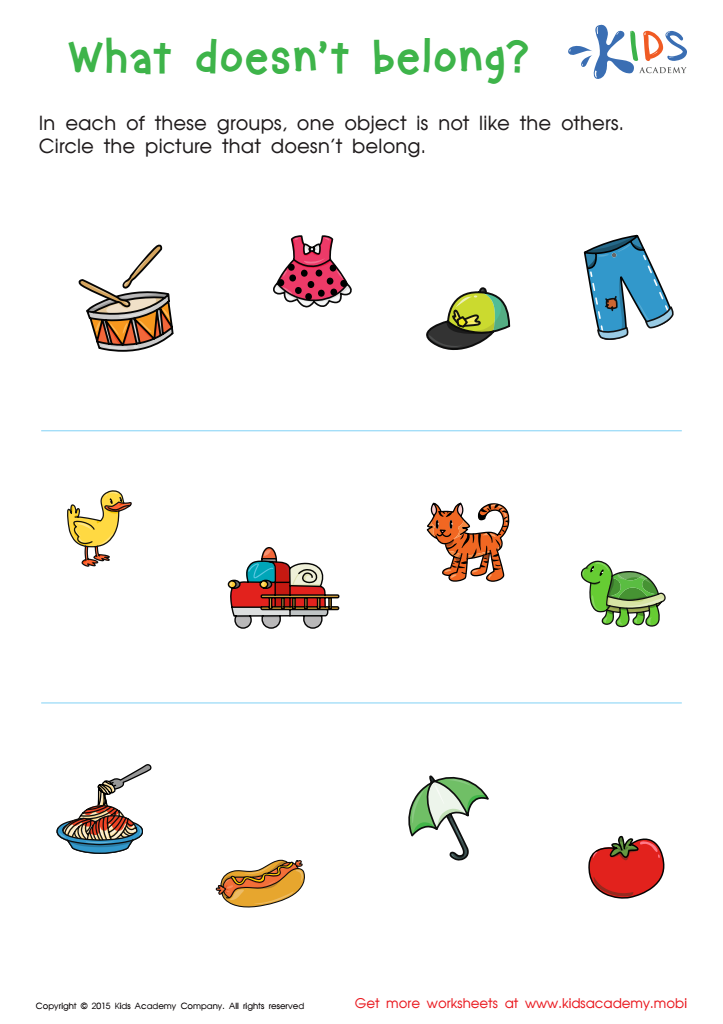
First Words: What Doesn't Belong Worksheet
 Assign to My Students
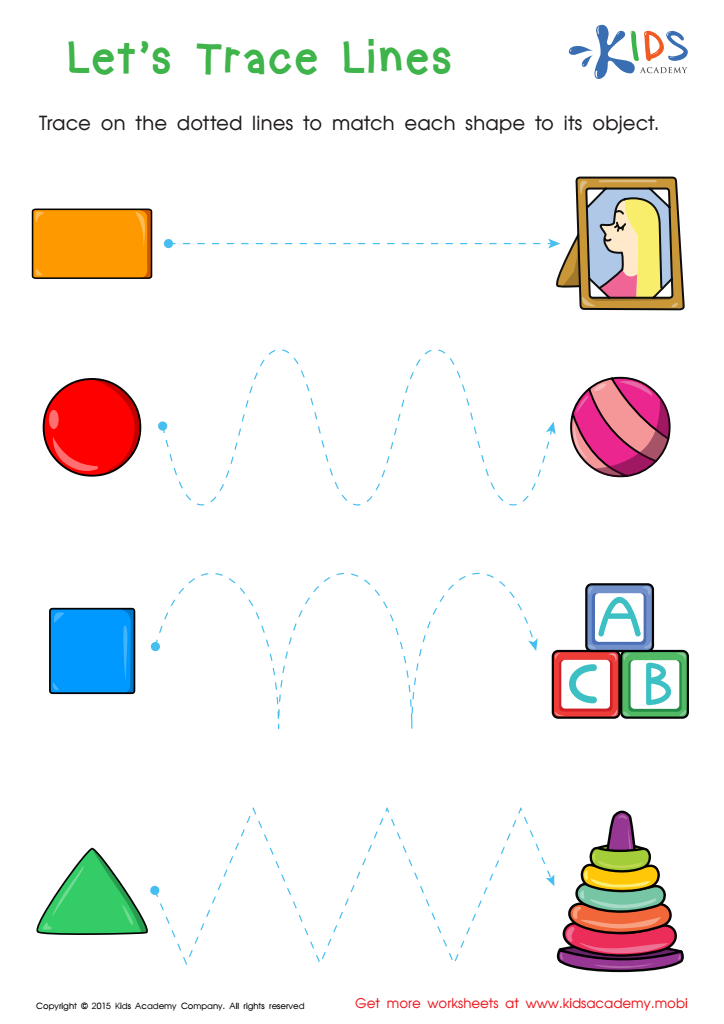
First Words: Let's Trace Lines Worksheet
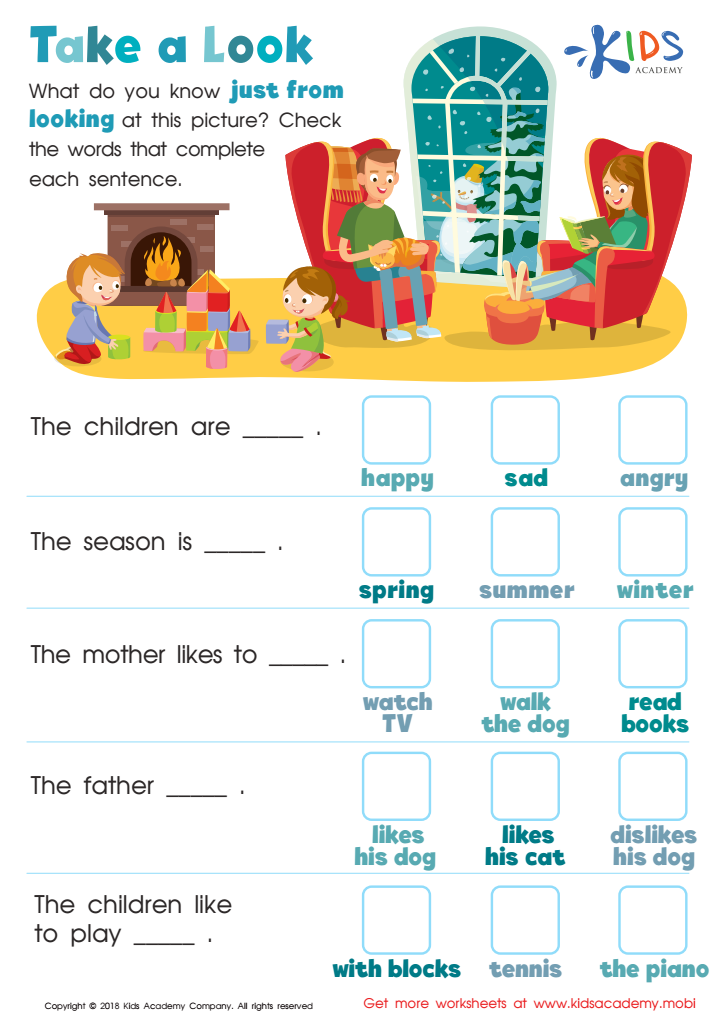
Take a Look - Part 1 Worksheet







Shape recognition and normal reading development are crucial aspects of a child's cognitive growth between ages 5-9. Firstly, recognizing shapes serves as a foundation for learning letters and numbers, essential building blocks for literacy and numeracy. Shapes help in identifying and distinguishing different characters, which is pivotal for reading and writing skills. For example, understanding the differences between a circle ('O') and an oval ('0') aids in letter and word recognition, fundamental for successful reading.
Reading development is equally important as it fosters language skills, expands vocabulary, and enables effective communication. Proficient reading at an early age boosts academic confidence and sets a positive trajectory for future learning experiences. When children struggle with reading, it could indicate underlying issues such as dyslexia, hence early recognition and intervention are critical.
Moreover, shape recognition and reading cultivate problem-solving abilities and critical thinking. As children learn to identify and compare shapes or decode words, they enhance their analytical skills. These skills are widely applicable, from following instructions to solving mathematical problems.
Teachers and parents must therefore nurture these abilities to bolster educational achievement and cognitive development, laying a vital groundwork for lifelong learning and success. Employing engaging and interactive methods can make the learning process enjoyable and impactful for young minds.








