Vocabulary development Normal Reading Fiction Worksheets for Ages 5-9
5 filtered results
-
From - To
Enhance your child's reading skills with our Vocabulary Development Normal Reading Fiction Worksheets for Ages 5-9. Designed for early readers, these engaging and educational resources focus on expanding vocabulary through captivating fiction stories. Our worksheets help kids understand and use new words in context, boosting their reading comprehension and making learning fun. Suitable for ages 5-9, each activity nurtures linguistic growth, critical thinking, and a love for reading. Perfect for home or classroom use, dive into a world of words with Kids Academy's expertly crafted worksheets. Start your child's vocabulary journey today for free!
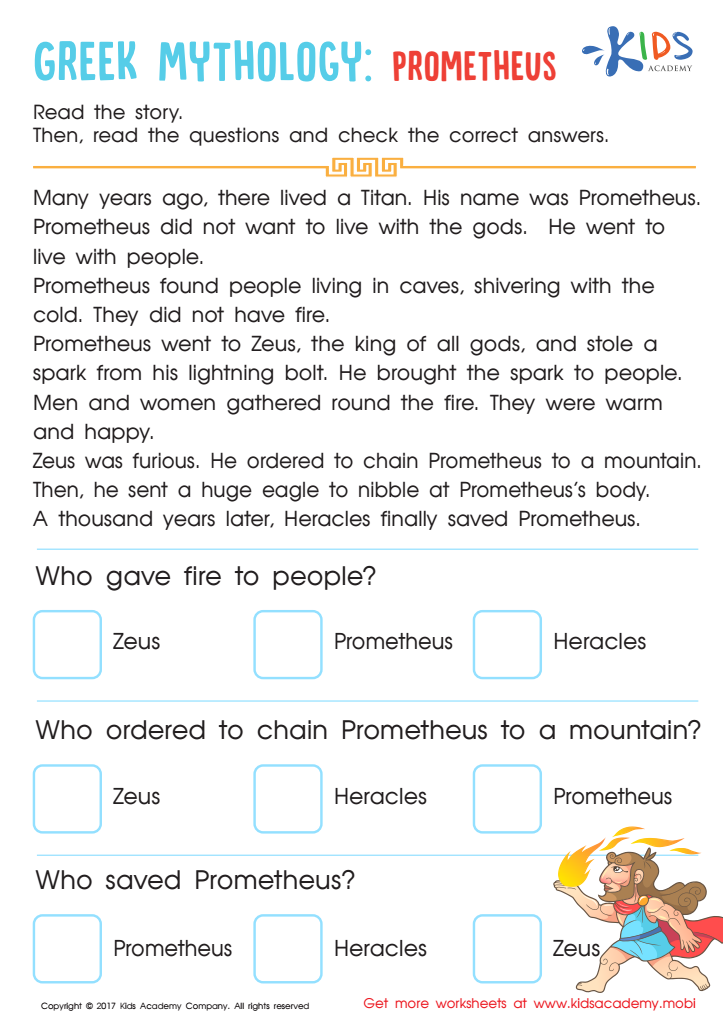
Prometheus Story Worksheet
 Assign to My Students
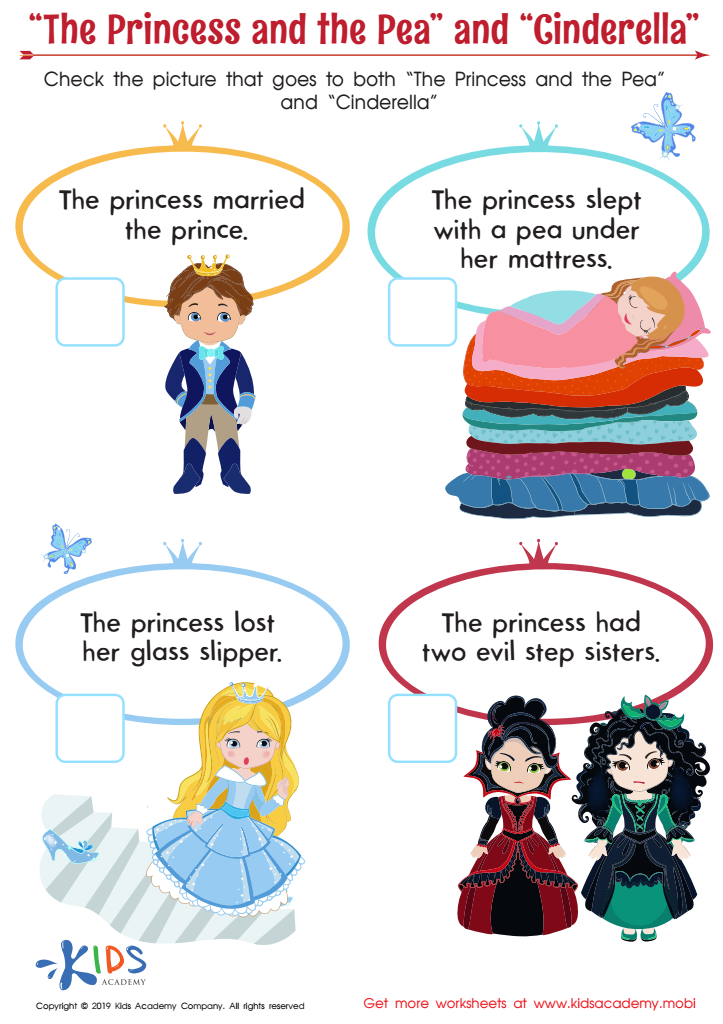
“The Princess and the Pea” and “Cinderella” Worksheet
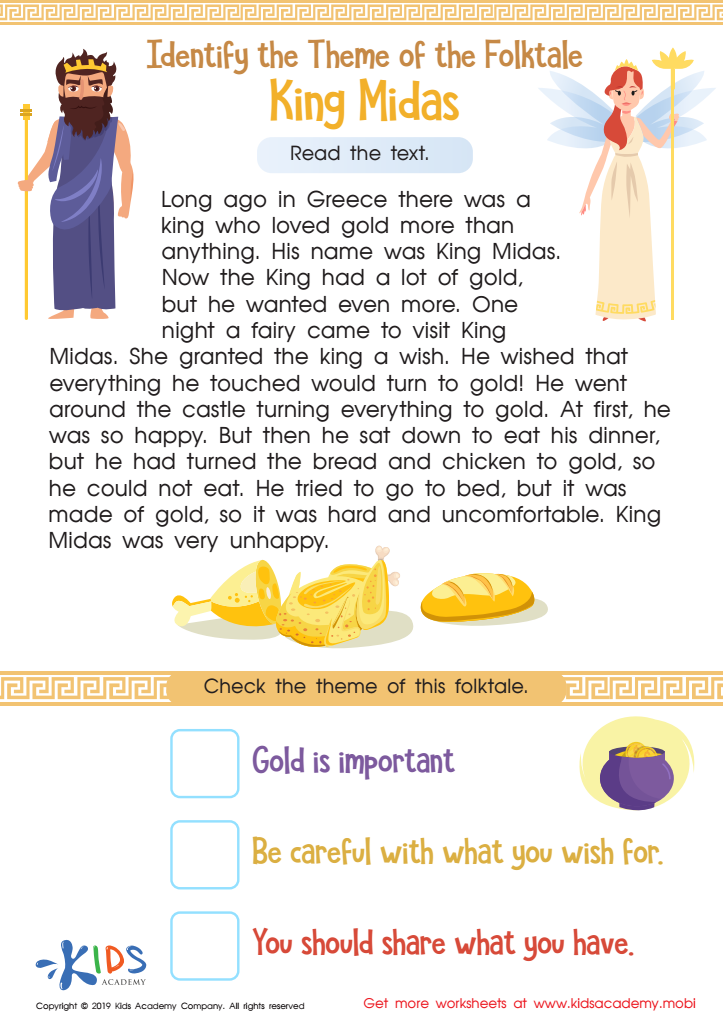
King Midas Worksheet
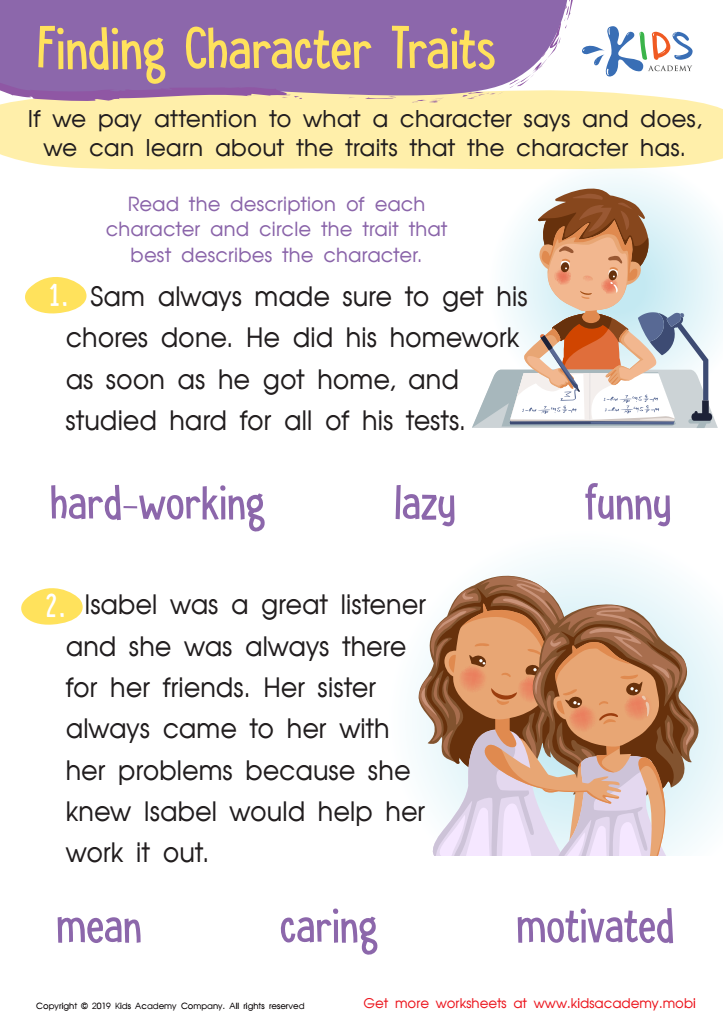
Finding Character Traits Worksheet
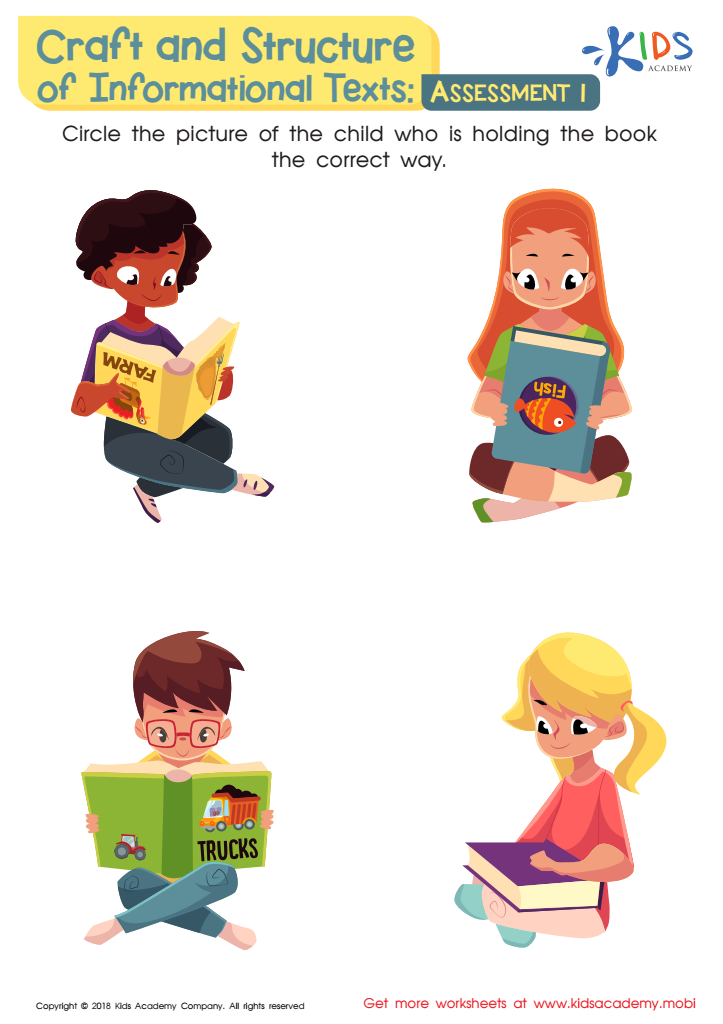
Craft and Structure of Informational Texts: Assessment 1 Worksheet





.jpg)

.jpg)
Vocabulary development at an early age is incredibly important for children's academic and personal growth. During the ages of 5-9, children's brains are highly receptive to new information and language skills. Reading fiction is one of the best ways to support vocabulary development because it naturally introduces children to a wide range of words and contexts within engaging and relatable stories.
For parents and teachers, fostering a strong vocabulary through fiction reading matters deeply. Children with a rich vocabulary can understand and express complex ideas more easily, which improves their communication skills significantly. This foundation aids in all areas of learning, particularly reading comprehension, which is essential for academic success as students progress through school.
Moreover, reading fiction encourages children to develop empathy and imagination, as they encounter different characters, cultures, and situations. This not only builds their emotional intelligence but also enriches their experiential vocabulary, making them more adaptable and understanding individuals.
Additionally, a robust vocabulary helps children excel in both spoken and written forms of communication. It lays the groundwork for clearer thinking and reasoning, poring lifelong benefits that extend well beyond the classroom. In essence, investing in vocabulary development through reading fiction is an investment in a child's overall development and future success.







